
Barrier-first creams have become essential as dermatologists report more young patients with damaged skin barriers due to uncontrolled use of strong retinoids and acids. The market for barrier products continues to grow, yet limited scientific data support their efficacy. A legitimate barrier cream must contain specific ingredients like ceramides, which make up about 50% of your skin’s outer layer, paired with fatty acids and cholesterol to restore compromised skin. We’ll explore the 7 proven ingredient standards that separate effective stratum corneum repair formulations from standard moisturizers.
Understanding Barrier-First Cream Formulation Standards
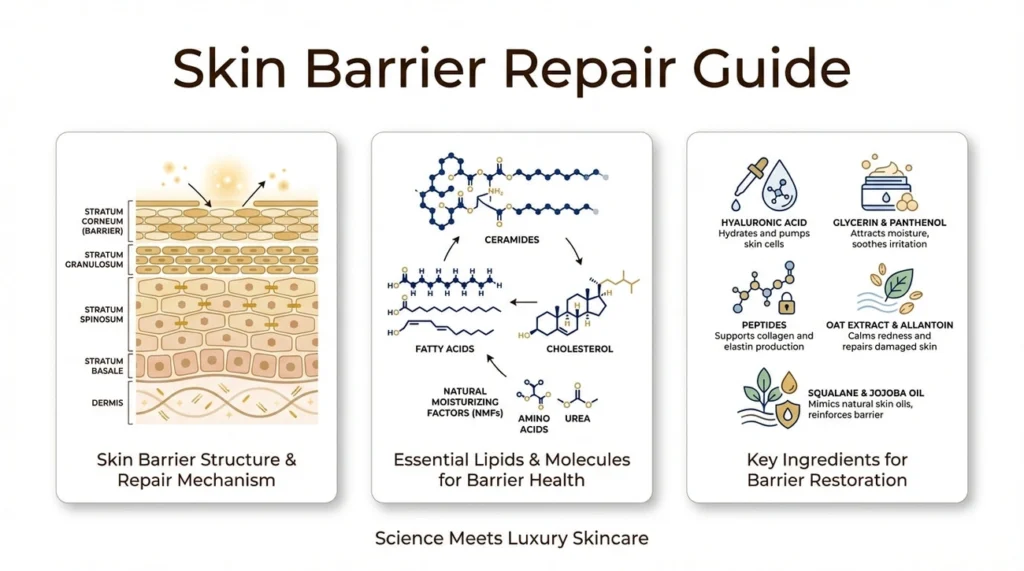
Image Source: BONJIL
What Makes a Cream ‘Barrier-First’
Barrier-first creams function in a way that’s different from conventional moisturizers. They target the actual structure of your skin’s protective layer rather than just adding surface hydration. The difference centers on ingredient selection and formulation intent. A standard moisturizer provides temporary comfort through humectants like glycerin or occlusives like petrolatum. Barrier repair formulations contain physiologic ingredients that replenish the intercellular lipid membrane within the stratum corneum.
The defining characteristic involves skin-identical components. Ceramides, cholesterol, and free fatty acids must be present in specific concentrations that mirror your skin’s natural composition. These aren’t optional additions. They serve as structural requirements for lamellar organization within the stratum corneum [1]. These creams achieve what conventional products cannot when formulated with the physiological lipid ratio of 3:1:1 (ceramides:cholesterol:free fatty acids): actual restoration of barrier architecture [2].
Barrier-first creams prioritize replenishment over hydration. They help skin function better by rebuilding its protective layer with components that exist in a healthy barrier [3], instead of just making skin feel moisturized. This approach becomes necessary when the barrier is compromised by strong actives, environmental stress or chronic inflammation.
The Science Behind Stratum Corneum Repair
The stratum corneum operates as a sophisticated permeability barrier. It has corneocytes (the “bricks”) held together within an intercellular lipid membrane (the “mortar”). This membrane has 20 percent of total stratum corneum volume and contains lipids arranged in a lattice of ceramides (40 to 50%), cholesterol (25%), and free fatty acids (10 to 15%) [1][1].
Water content drives every repair mechanism within this layer. Self-repair mechanisms activate when stratum corneum water content drops below a critical threshold due to increased transepidermal water loss (TEWL). The skin releases stored lipids from lamellar bodies and provides approximately 20 percent recovery of overall permeability barrier function [4]. The production of major stratum corneum lipids increases within hours to restore intercellular lipid membrane integrity.
A fundamental self-repair response involves filaggrin, a protein that breaks down into natural moisturizing factor (NMF) when water content decreases [1]. NMF components include free amino acids (40%), pyrrolidone carboxylic acid (12%), lactate (12%), and simple sugars (9%) [1]. These hygroscopic substances retain the necessary water content to maintain hydrolytic enzyme activity needed for optimal desquamation and skin elasticity.
The stratum corneum’s structural and functional integrity depends heavily on adequate water content. Many enzymes that catalyze vital functions are hydrolytic and operate inefficiently below requisite threshold concentrations [1]. This interdependence between water, lipids, and enzymatic processes explains why barrier repair requires more than surface hydration.
Why Standard Moisturizers Fall Short
Conventional moisturizers hydrate but don’t restore barrier structure. Most contain combinations of humectants (glycerin, hyaluronic acid) and emollients for smoothing [3], sometimes with occlusives to seal moisture. These ingredients address symptoms of barrier dysfunction without correcting the biochemical deficiencies.
The critical difference lies in what happens after application. An occlusive, such as petroleum jelly, seals the skin surface but provides no structural lipids to rebuild the intercellular membrane [3]. Humectants draw water into the skin but cannot replace depleted ceramides or establish proper lipid ratios necessary for lamellar bilayer formation.
Standard moisturizers may reduce TEWL through surface occlusion for a short time, but they don’t replenish the specific physiologic lipids that compose a functional barrier. Ceramide levels become substantially depleted in compromised skin conditions like atopic dermatitis, xerosis, and irritant contact dermatitis, which impairs barrier function [2]. Applying a conventional moisturizer to compromised skin is like adding water to cracked soil without improving the soil structure itself.
Barrier repair formulations address this gap by delivering ceramides, cholesterol, and fatty acids in ratios that mirror native stratum corneum architecture [2]. This difference separates products designed for daily maintenance from those engineered for actual dermal repair.
Ingredient Standard 1: Ceramide-Dominant Formulations with Physiological Lipid Ratio (3:1:1)
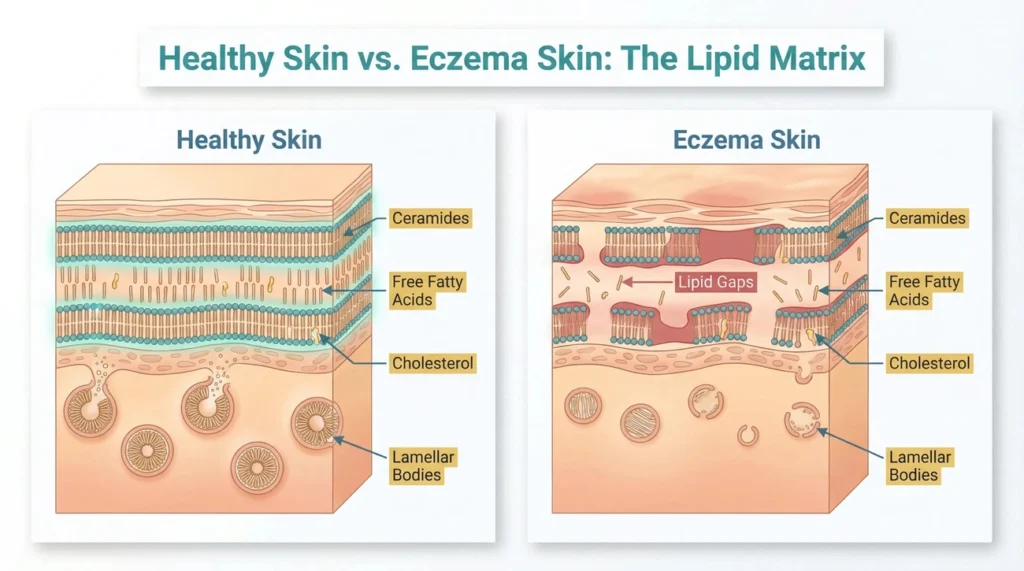
Image Source: Eczema Cream
Ceramide-dominant formulations with physiological lipid ratios represent the most evidence-based approach to stratum corneum repair. Research shows that topical lipid mixtures matching the skin’s natural composition outperform single-ingredient products, whatever the individual component concentration [3]. The mechanism centers on recreating the organized lamellar structure that gives the barrier its protective properties.
Ceramide Types and Their Specific Functions
Human skin contains at least twelve distinct ceramide subtypes. Each contributes differently to barrier architecture [3]. Five ceramide classes perform the work needed for functional barrier integrity. Ceramide NP (formerly Ceramide 3) dominates as the most abundant type in healthy skin and serves as the primary structural ceramide [5][1]. Its prevalence in the lipid matrix makes it crucial for maintaining the barrier framework.
Ceramide AP (Ceramide 6-II) contributes improved penetration capabilities alongside barrier stability through strong hydrogen bonding [6]. Ceramide EOP (Ceramide 1) possesses long fatty acid chains that create structural support within the lipid matrix, with unique ester-linked omega-hydroxy fatty acids long enough to span two bilayers [3][6]. This bridging function establishes the characteristic long-periodicity phase critical for proper lamellar organization.
Ceramide AS remains common in healthy skin but declines with age and barrier compromise [6]. Ceramide NG contributes to hydration within the lamellar matrix [6]. The chain length of fatty acids attached to these ceramides matters for barrier function. Studies show ceramides in human skin contain fatty acids ranging from C16 to C26, with C24 representing the major class [1]. Research indicates that atopic skin shows shorter chain lengths compared to normal skin, suggesting that fatty acid length influences barrier competency [1].
The Critical 3:1:1 Ratio of Ceramides, Cholesterol, and Fatty Acids
Studies purporting healthy stratum corneum lipid composition reveal a consistent pattern: 50% ceramides, 25% cholesterol, and 25% free fatty acids by mass [3]. This translates to a 3:1:1 molar ratio (ceramides:cholesterol:fatty acids) that proves optimal for barrier function [2][3]. Barrier integrity suffers when this ratio becomes disrupted through aging, environmental damage, or skin conditions.
Clinical research shows that topical application of lipid mixtures matching this physiological ratio supports barrier recovery more than any single lipid component alone [3]. A study published in the British Journal of Dermatology found that creams containing physiological ratios of ceramides, cholesterol, and fatty acids accelerated barrier recovery, decreased transepidermal water loss, and improved hydration by a lot compared to standard emollients [3]. The United States FDA approved a barrier repair emulsion cream employing this 3:1:1 ratio in 2006 for the management of symptoms associated with dry skin conditions [2].
Studies by Mao-Qiang and colleagues showed that both ceramide-dominant (3:1:1:1) and fatty acid-dominant (1:1:3) ratios accelerated barrier repair in human skin by a lot when compared to vehicle controls [2]. Research shows that a threefold increase in any one component that constitutes the lipid mixture can optimize recovery in impaired barriers [2]. Products containing ceramide EOP, ceramide NP, cholesterol, and linoleic acid in a 3:1:1 molar ratio must deliver these ingredients in correct proportions to affect skin barrier integrity, since application in incorrect ratios has been shown to impede barrier repair [7].
Bio-identical Lipids vs Synthetic Alternatives
Natural ceramides mimic human skin structure but present practical challenges. Nature-identical synthetic ceramides carry high costs, while inexpensive ceramides extracted from bovine central nervous system raise concerns about bovine spongiform encephalopathy contamination [8]. Synthetic ceramides overcome most obstacles by offering greater purity, consistency, and stability compared to natural variants [5][1]. Synthetic ceramides remain free from contaminants and show superior stability, so they dominate commercial skin care products [5].
Phytoceramides derived from plant sources like horse fat, shea butter, and sunflower oils provide diverse fatty acid compositions with various carbon chain lengths [1]. Clinical testing shows all oil-derived phytoceramides improved recovery rate after barrier disruption by a lot and boosted hydration better than standard C18-ceramide NP [1].
Optimal Concentration Ranges for Barrier Repair
Barrier-supportive formulations contain ceramides at 2-5% concentration, though specific ceramide types and their ratios matter more than total percentage [3]. Total ceramide concentration should scale to barrier impairment severity: 1-2% for mild dry skin, 2-4% for moderate atopic dermatitis or chronic eczema, and 4-7% for severe barrier compromise [5]. The 3:1:1 ceramide:cholesterol:free fatty acid ratio should remain consistent across all severity levels [5].
Products should list ceramides in the first third of the ingredient list and include multiple ceramide types (ceramide NP, AP, EOP) alongside cholesterol and fatty acids in physiological ratios [3]. Specialized approaches including multi-layered lamellar liposome technology or phytosphingosine stabilization methods are needed to maintain stability at ceramide concentrations above 3% [5].
Ingredient Standard 2: Essential Fatty Acids for Lipid Matrix Support
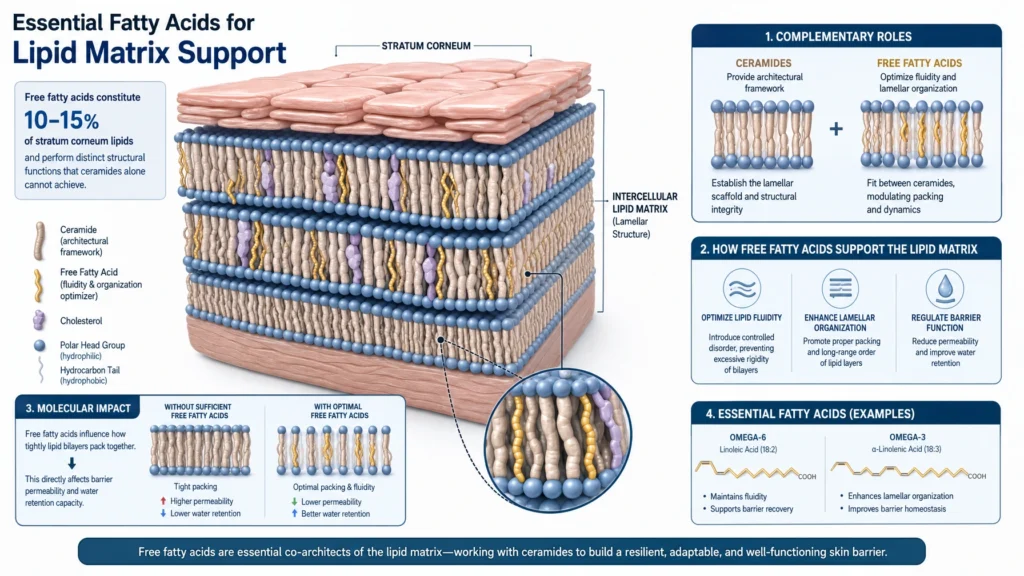
Free fatty acids constitute 10 to 15% of stratum corneum lipids and perform distinct structural functions that ceramides alone cannot achieve [9]. Ceramides provide the architectural framework. Fatty acids optimize lipid fluidity and lamellar organization within the intercellular membrane. Their molecular structure influences how tightly lipid bilayers pack together and directly affects barrier permeability and water retention capacity.
Linoleic Acid vs Oleic Acid in Barrier Function
Linoleic acid stands as the most abundant polyunsaturated fatty acid in the epidermis. LA serves barrier functions that other fatty acids cannot replicate [2]. LA is selectively inserted into two specific lipid compounds in the stratum corneum: acylglucosylceramide and acylceramide [2]. This selective incorporation proves critical because the presence of linoleic acid in stratum corneum ceramides directly associates with permeability barrier function [2].
Research confirms LA’s role through studies on deficiency. Animals fed diets lacking fatty acids developed severe skin problems. Scaling, inflammation, dehydration, and infections appeared [10]. Supplementation with safflower or primrose oil corrected the deficiency symptoms. Both are rich in omega-6 polyunsaturated fatty acids. Menhaden fish oil had no effect [2]. These studies confirm the specific role of omega-6 PUFAs on skin barrier function, LA in particular [2].
Oleic acid presents a contrasting profile. This monounsaturated omega-9 fatty acid is abundant in sebum and intercellular lipids of the stratum corneum. An excess can disrupt ceramide organization in the skin barrier and result in increased permeability and susceptibility to irritation [9]. Studies show that oils with a higher linoleic acid to oleic acid ratio produce better barrier outcomes [11]. Oleic acid may be detrimental to skin barrier function [11]. Barrier-first creams should prioritize linoleic-rich oils over oleic-dominant formulations.
Free Fatty Acid Sources in Topical Formulations
Sunflower seed oil represents one of the most effective topical sources to repair barriers. Topical application of 250 mg sunflower seed oil increased the LA content of the epidermis. TEWL normalized and skin scaliness reduced after two weeks of daily application [2]. Sunflower seed oil accelerates barrier recovery in deficiency states. Mustard seed, olive, and soybean oils delayed skin barrier recovery [2]. Sunflower seed oil applications reduced transepidermal water loss within a few days in children with severe malnutrition [12].
Evening primrose oil and borage oil provide gamma-linolenic acid (GLA), an omega-6 fatty acid with beneficial barrier properties. Evening primrose oil contains 8% to 10% GLA. Borage oil contains up to 25% GLA [8]. Metabolites of GLA exhibit anti-inflammatory properties and are linked to increased ceramide synthesis and improved skin barrier function [8]. Multiple studies showed significant beneficial effects on TEWL with GLA supplementation [8].
Omega-3 fatty acids from marine sources offer complementary benefits. Krill oil supplementation at 1 to 2 grams daily showed significant dose-dependent improvements in skin TEWL. Reductions went from 14.47 to 13.83 in one study and from 14.25 to 13.02 in another [13]. Both EPA and DHA modulate cell membranes and affect ceramide levels and ceramide fatty acid composition [13]. Flaxseed oil, high in alpha-linolenic acid, improved TEWL, skin hydration, skin scaling, and roughness after 12 weeks of daily consumption [8].
How Fatty Acids Reduce Transepidermal Water Loss (TEWL)
Fatty acids reduce TEWL through direct incorporation into the lipid matrix structure. Linoleic acid binds to receptors in keratinocytes that intervene in skin development and accelerate barrier repair processes [12]. LA has a direct role in epidermal barrier permeability repair when applied topically, especially in states of nutritional deficiency [12].
The mechanism involves restoring proper lipid fluidity and organization. Free fatty acids fill gaps in the intercellular membrane and optimize the spacing and alignment of lamellar bilayers. This restoration creates a more effective seal against water evaporation. Clinical measurements confirm this effect. Topical applications of fatty acid-rich oils accelerate barrier recovery. Effects become visible within days as transepidermal water loss decreases [12].
Topical application provides superior efficiency compared to oral supplementation. Much of the ingested fatty acids may be oxidized by the liver before reaching peripheral tissues. Up to 60% of ALA and 20% of LA undergo this process [2]. Topical application offers a more efficient delivery route. Topical applications of sunflower seed oil can accelerate barrier recovery beyond oral feeding in contexts where fat absorption in the gut is compromised [12].
Ingredient Standard 3: Cholesterol for Structural Integrity
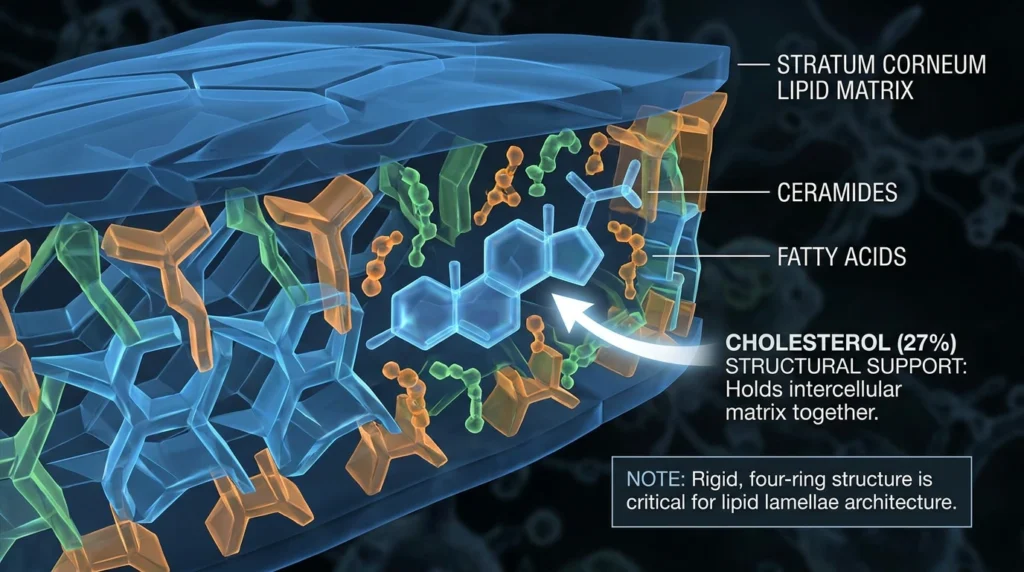
Cholesterol has approximately 27% of the stratum corneum lipid content and functions as the structural support that holds the intercellular matrix together [1]. Cholesterol belongs to the lipophilic steroid family with a rigid, four-ring structure containing a free alcoholic group, unlike ceramides and fatty acids [1]. This molecular rigidity proves critical for creating the densely packed three-dimensional architecture known as lipid lamellae [1].
Cholesterol’s Role in Lamellar Bilayer Formation
Cholesterol works among other lipids like ceramides and fatty acids to form crystalline lipid lamellae within the stratum corneum [6]. Think of this matrix as structural mortar that interlocks with other lipids to create a three-dimensional framework [6]. Cholesterol establishes the characteristic lamellar bilayer structure that minimizes transepidermal water loss by interlocking with ceramides and fatty acids [14].
Cholesterol regulates barrier fluidity beyond structural assembly. The lipid matrix will maintain optimal consistency, neither too rigid in cold conditions nor too loose in heat [14]. The barrier’s capacity to repair itself and remain intact depends on this regulation [6]. Research confirms that the lamellar structures fail to form correctly when cholesterol levels drop below optimal ranges, so the barrier weakens [14].
Studies following acute barrier disruption showed a marked and rapid increase in cholesterol synthesis [3]. There was an upregulation of mRNA and protein levels as well as the activity of HMG-CoA reductase, a key rate-limiting enzyme in the cholesterol synthetic pathway [3]. Both upper and lower epidermal cell layers experience this enzymatic response [3]. Expression of other key enzymes, including HMG-CoA synthase and farnesyl diphosphate synthase, also increases after acute permeability barrier perturbation [3].
Sourcing and Stability in Cream Formulations
Not all cholesterol maintains similar quality standards. Various applications require different purification levels [15]. Pharma-grade cholesterol meets ultra-pure standards and is manufactured with cGMP certification [15]. Cosmetic-grade cholesterol emphasizes consistent quality, dermal safety, and allergen and contaminant control [15].
Cholesterol appears commonly in creams, serum products, and high-end formulations as a natural component of the skin’s barrier function [15]. Its role in hydration and elasticity makes it critical in current state-of-the-art cosmetics [15].
Synergy with Ceramides and Fatty Acids
Cholesterol shows improved effectiveness by a lot when combined with ceramides and fatty acids compared to single-component applications. The lipid composition maintains approximately a 1:1:1 molar ratio of ceramides, cholesterol, and free fatty acids [16]. Research indicates that replenishing this complete lipid trio to damaged skin barriers improves barrier function by a lot and increases skin moisture [7].
Studies comparing ceramide-only treatments versus complete lipid combinations revealed superior results with the full trio [7]. The group using ceramides, cholesterol, and fatty acids together experienced better moisture retention and more improvement in barrier recovery [7]. Research shows that inhibition of cholesterol synthesis adversely affects lamellar body formation, thereby impairing barrier homeostasis [17]. Topical application of cholesterol or its intermediary compound mevalonate overcomes barrier defects and shows that proper cholesterol levels are required rather than optional for functional barrier repair [3].
Ingredient Standard 4: Filaggrin-Boosting Ingredients and NMF Components
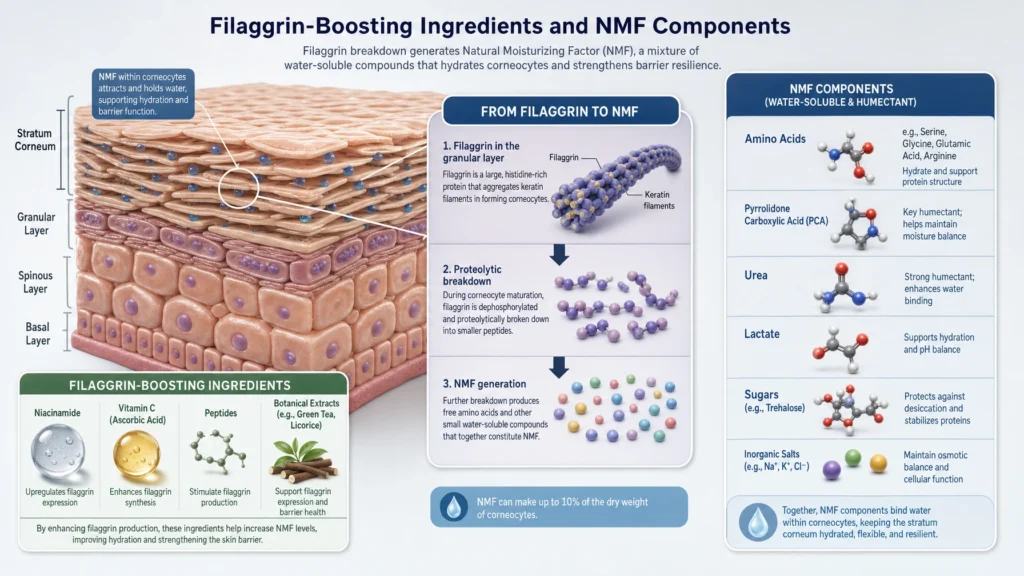
Lipid components are the structural foundations of barrier function, but water-binding molecules within corneocytes play an equally critical role in maintaining barrier resilience. Natural Moisturizing Factor (NMF) represents a mixture of small water-soluble compounds present in the stratum corneum that can make up to 10% of the dry weight of corneocytes [5]. These components derive mainly from the breakdown of filaggrin, a large histidine-rich protein that aggregates keratin filaments in newly formed corneocytes.
Natural Moisturizing Factors (NMF) Explained
NMF consists of free amino acids and various derivatives, including pyrrolidone carboxylic acid (PCA), urocanic acid, lactic acid, sugars, urea, glycerol, and inorganic ions [5]. The composition follows a specific pattern: amino acids comprise about 40% of total NMF, PCA and lactate each represent 12%, sugars contribute 8.5%, inorganic ions account for 18.5%, and urea makes up 7% [18].
These compounds function as highly efficient humectants that attract and bind water from the atmosphere and draw it into corneocytes. This process occurs even at relative humidity as low as 50% and allows the stratum corneum to maintain adequate water levels in low-humidity environments [11]. Hydrated NMF forms ionic interactions with keratin fibers and reduces intermolecular forces between fibers, so skin elasticity increases [11].
Skin conditions, including winter xerosis, atopic dermatitis, and severe skin dryness associate with decreased NMF levels [5]. In fact, inherited loss-of-function mutations in the filaggrin gene cause moderate-to-severe ichthyosis vulgaris and predispose patients to atopic dermatitis, including early-onset eczema that persists into adulthood [11]. About 50% of people with eczema-prone skin are deficient in filaggrin [19].
Amino Acids, Urea, and Lactic Acid
Urea performs dual functions in barrier maintenance. It attracts water and induces expression of filaggrin, loricrin, and transglutaminase-1, genes important for keratinocyte differentiation and barrier function [20]. Filaggrin expression showed the strongest upregulation after urea treatment [20]. Topical application of urea corrects urea deficits in compromised barriers [11].
Lactic acid influences lipid synthesis within the stratum corneum and has been used in moisturizers as treatment for ichthyosis since 1946 [11]. Clinical studies show that lactate substantially associates with skin surface pH and improves symptoms of dry skin compared with lactate-free moisturizers [21].
PCA represents the most prevalent single component of NMF. Topical application of PCA eases dry skin symptoms, especially in outermost skin layers where PCA becomes reduced due to soap washing or age [11].
Ingredients That Stimulate Filaggrin Expression
Urea induces filaggrin gene expression when formulated into prescription emollients at 5% concentration [21]. A study showed that PCA levels increased by 43% following treatment with urea-containing emollients, despite PCA not being present in the formulation itself. This confirms that topical urea stimulates endogenous NMF production [21].
Niacinamide boosts filaggrin production among other barrier benefits [19]. Bioflavonoid ingredients, including hesperidin and apigenin, have been shown to boost filaggrin production [8]. EGCG stimulates filaggrin formation and results in a thicker and stronger barrier function [22].
Ingredient Standard 5: High-Performance Humectants with Proper Molecular Weight
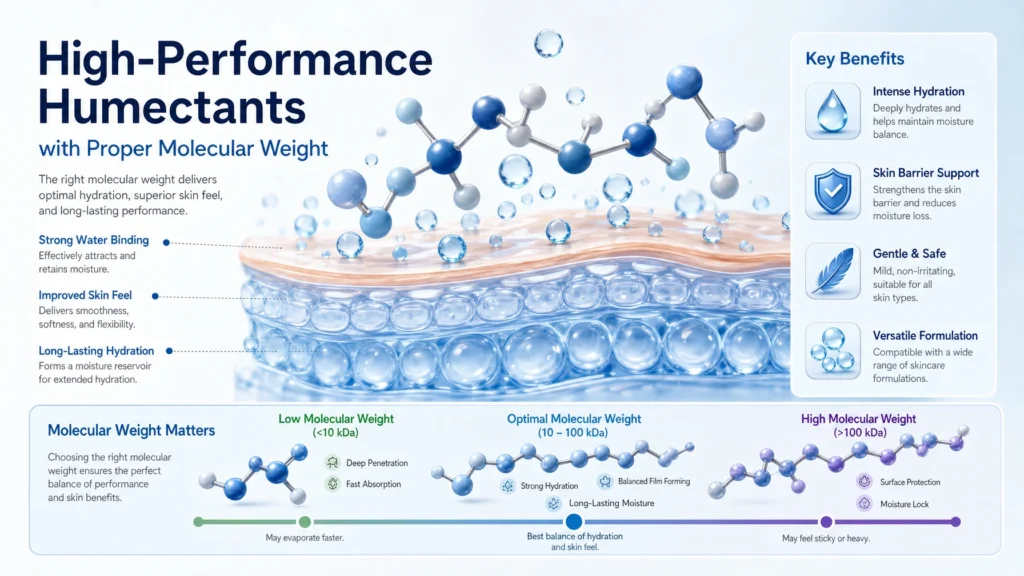
Humectants attract water into the stratum corneum from deeper skin layers and ambient humidity. They play a distinct role from the structural lipids discussed previously. These water-binding molecules help replace lost moisture and improve the water content of skin. This makes them essential in barrier-first creams to address rough, dehydrated skin [10]. The molecular weight of humectants determines their penetration depth and functional performance within compromised barriers.
Hyaluronic Acid Molecular Weight Considerations
Hyaluronic acid can bind up to 1000 times its weight in water [23]. Penetration efficiency depends on molecular weight. Research demonstrates that low molecular weight HA (20-300 kDa) passes through the stratum corneum. High molecular weight HA (1000-1400 kDa) remains impermeable to the skin barrier [24][25].
Lower molecular weight molecules show penetration rates of 14% to 19%. Dermal penetration reaches 63% to 78% for ultra-low weights, including 400 Da to 80 kDa formulations [12]. Larger molecules display penetration of only 2.73% to 10.2% [12]. Penetration through epidermis and dermis is associated with molecular weight. Larger molecules produce lower absorption [12].
Both approaches serve useful purposes. Low MW HA penetrates into the upper epidermis and provides deeper hydration. High MW HA stays on the surface and forms a moisture-binding film [26]. Then, many effective barrier repair products use blended molecular weights to achieve multi-level hydration [26].
Glycerin and Other Proven Humectants
Glycerin stands as the most effective humectant available to increase hydration in the outer layer of skin. It outperforms hyaluronic acid and other hydrating ingredients in water-attracting ability [27]. Research shows glycerin appears in approximately 50% of moisturizing products [10]. The American Academy of Dermatology recommends it as an effective ingredient to relieve dry skin [10].
Optimal concentrations range from 3% to 10% for daily moisturizers. This provides substantial hydration without excessive stickiness [27]. Products listing glycerin among the top three ingredients contain optimal levels to achieve effective hydration [27]. Alpha-hydroxy acids, including lactic acid, also function as humectants while promoting smoother skin texture [10].
Humectant-Occlusive Balance in Compromised Skin Solutions
Humectants alone prove insufficient to repair barriers. Without occlusives that seal moisture, humectants may contribute to dehydration by drawing water away from skin in dry environments [13]. Glycerin can pull water from deeper skin layers to the surface, where it evaporates under low humidity conditions below 40%. This dehydrates skin [26].
Occlusives and humectants make an ideal pair. They work together to maintain proper hydration [10]. The synergy works because humectants draw water while occlusives lock it in [28]. A balanced ratio of approximately 1:1 to 1:2 humectant to emollient works well in effective barrier-first creams [26].
Ingredient Standard 6: Non-Comedogenic Occlusive Systems
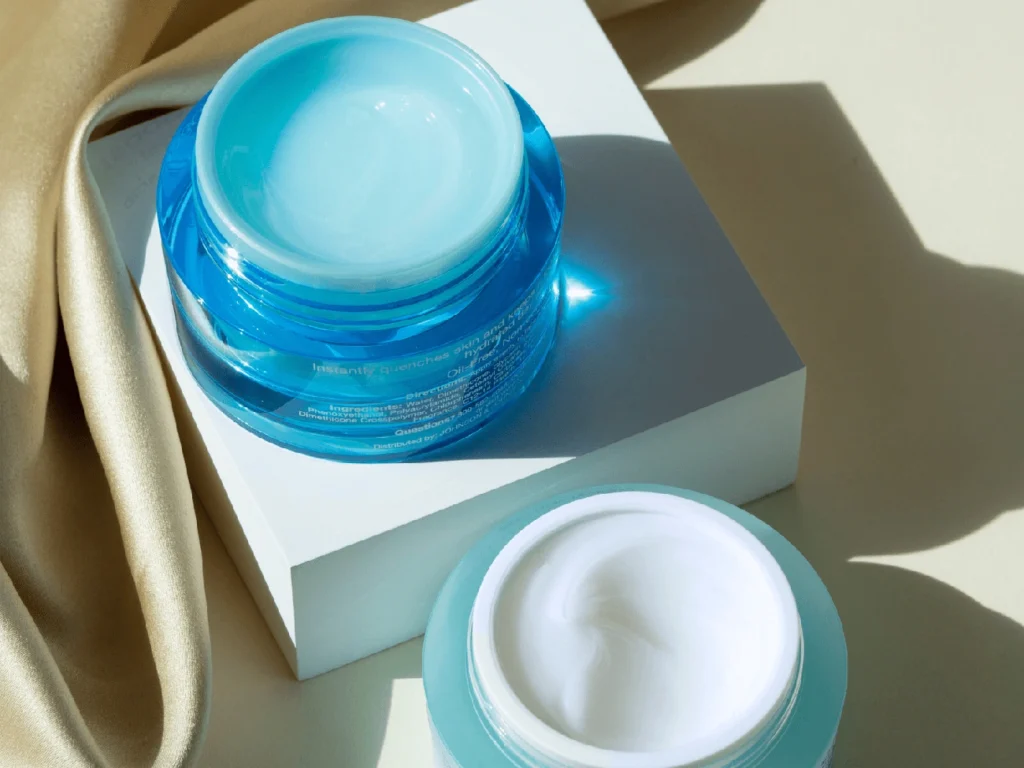
Image Source: Byrdie
Occlusives seal moisture by forming a protective layer on the skin’s surface. They prevent water evaporation that humectants attract. Barrier-first creams need them, but selecting the right occlusive system separates effective formulations from those that trigger breakouts in vulnerable skin.
Petrolatum, Dimethicone, and Squalane Options
Petrolatum reduces transepidermal water loss by more than 98%. This makes it the most effective occlusive moisturizer accessible to more people [29]. The FDA approved it as a skin protectant [10], and research confirms its superior performance in preventing moisture evaporation. The heavy texture of petrolatum may not suit acne-prone facial skin, though [10].
Dimethicone ranks as the second most common moisturizing ingredient after petrolatum [10]. This silicone creates a breathable layer that reduces water loss without leaving a greasy finish [30]. Paired with volatile silicones like cyclopentasiloxane, it offers a non-comedogenic, flexible barrier perfect for daytime wear [30].
Squalane carries a comedogenic rating of just 1 out of 5. This shows very low pore-clogging risk [2]. This bio-compatible ingredient mimics the skin’s natural oils and suits all skin types, including oily and acne-prone skin [31]. Squalane contributes to deep hydration and protects against premature aging [2].
Creating Effective Moisture Barriers Without Clogging Pores
The comedogenic rating scale ranges from zero to five. Zero indicates non-comedogenic and five signals high pore-clogging potential [9]. Non-comedogenic occlusives can form protective layers without suffocating acne-prone skin if used the right way [32].
Lightweight, water-based formulations provide hydration without greasy residue [32]. Even non-comedogenic occlusives can seal in sebum and increase acne risk in oily skin types [33]. Formulation matters substantially.
Advanced Emulsion Systems for Better Penetration
Nanoemulsions represent advanced delivery systems in cosmetics. They provide improved solubility and increased bioavailability [34]. The emollient properties of squalane promote better penetration into the epidermis and make creams and serums work better [2]. Occlusives work in mutually beneficial ways with physiological lipids like squalane and triglycerides to support lipid integration. Petrolatum and dimethicone form protective seals [35].
Ingredient Standard 7: Niacinamide and Barrier-Supporting Bio-actives
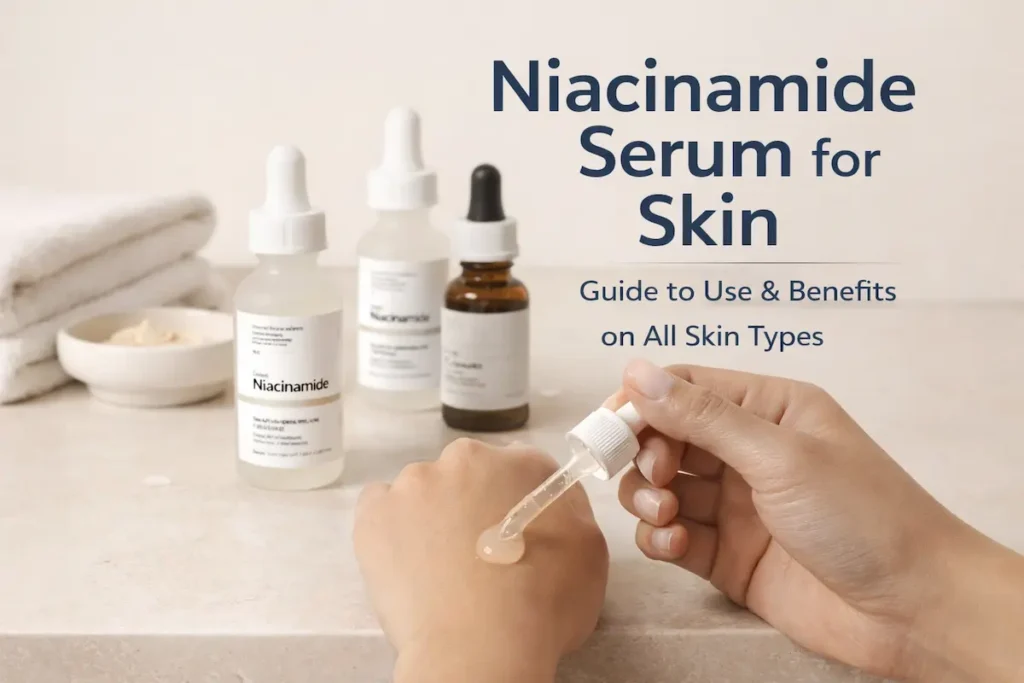
Image Source: PrimeSkin
Certain bioactive ingredients stimulate the skin’s own barrier production mechanisms beyond structural lipids. Niacinamide stands among the most researched sensitive skin bio-actives. It activates endogenous repair pathways rather than simply delivering external components.
Niacinamide’s Multi-Functional Barrier Support
Niacinamide, the water-soluble form of vitamin B3, upregulates the synthesis of ceramides, free fatty acids, and cholesterol in keratinocytes [36]. This vitamin increases production of involucrin and filaggrin, proteins essential for integral keratinized corneocytes [36]. Clinical tests found no stinging with concentrations up to 10% and no irritation up to 5%. A 21-day test at 5% concentration showed no irritancy [17]. A double-blind trial showed subjects using 5% niacinamide moisturizer twice daily for 12 weeks. They experienced improvement in fine lines, hyperpigmented spots, texture, and red blotchiness [37].
Optimal Concentration for Sensitive Skin Bio-actives
Studies show concentrations as low as 2% deliver benefits like improved barrier function and reduced inflammation [3]. Most formulations contain 5% or less [38]. However, 10% concentrations provide more pronounced effects on lipid synthesis and barrier recovery when formulated appropriately [39]. Start with 2-5% concentrations in barrier-first creams for optimal tolerance [40].
Panthenol, Allantoin, and Other Complementary Actives
Panthenol, a provitamin B5 derivative, provides moisturizing and barrier-enhancing properties [41]. Products containing panthenol showed TEWL reductions of 20.42% after 28 days of use [41]. Allantoin offers skin-softening and protective properties that calm inflammation and promote healing [42]. Both ingredients prove non-sensitizing and work well for reactive skin types [42].
Conclusion
Barrier-first creams just need more than marketing claims. They require precise formulations with ceramide-dominant ratios (3:1:1), essential fatty acids, cholesterol, filaggrin-boosting compounds, molecular-weight-optimized humectants, non-comedogenic occlusives, and bioactive support from niacinamide. Products lacking these standards remain conventional moisturizers, whatever their packaging promises. The market is moving past simple moisturizers and wants clinical repair, so brands that fail to meet these evolving standards will get left behind. Partner with CL Cosmetic Industries to develop and manufacture your range of Barrier-First Creams. Choose formulations backed by dermatological research rather than trend-chasing ingredients. You invest in products that deliver measurable improvements in stratum corneum function and genuine dermal repair.
Key Takeaways
Effective barrier-first creams require specific ingredient standards that go far beyond basic moisturization to actually repair compromised skin barriers.
• Ceramide-dominant formulations with a 3:1:1 ratio of ceramides, cholesterol, and fatty acids mirror the skin’s natural composition for optimal barrier restoration
• Essential fatty acids, especially linoleic acid, reduce transepidermal water loss and support lipid matrix integrity better than oleic acid alternatives
• Molecular weight matters for humectants – low MW hyaluronic acid (20-300 kDa) penetrates skin while high MW stays surface-bound for dual hydration
• Non-comedogenic occlusives like squalane and dimethicone seal moisture without clogging pores, unlike heavy petrolatum-based formulations
• Niacinamide at 2-5% concentration stimulates natural ceramide production and filaggrin synthesis for long-term barrier improvement
True barrier repair requires physiological lipid ratios and bioactive ingredients that restore skin’s natural protective mechanisms, not just temporary surface hydration. Products lacking these evidence-based standards remain conventional moisturizers regardless of marketing claims.
FAQs
Q1. Which ingredients are most effective for repairing a compromised skin barrier? The most effective ingredients include ceramides (which make up about 50% of the skin’s outer layer), cholesterol, and essential fatty acids in a 3:1:1 ratio. Additionally, niacinamide, hyaluronic acid, glycerin, and panthenol support barrier restoration by stimulating natural repair mechanisms and attracting moisture to the skin.
Q2. What components should I look for in a quality barrier repair cream? Look for products containing physiological lipids like ceramides (especially types NP, AP, and EOP), cholesterol, and free fatty acids in proper ratios. Effective formulations also include humectants such as glycerin and hyaluronic acid, non-comedogenic occlusives like squalane or dimethicone, and bioactive ingredients like niacinamide at 2-5% concentration.
Q3. How do barrier creams differ from regular moisturizers? Barrier creams contain skin-identical lipids that rebuild the protective layer’s structure, while regular moisturizers primarily provide temporary surface hydration. Barrier repair formulations include specific ratios of ceramides, cholesterol, and fatty acids that mirror your skin’s natural composition, enabling actual restoration rather than just symptom relief.
Q4. Can certain skincare ingredients damage the skin barrier? Yes, products with harsh ingredients that are too acidic or alkaline can compromise barrier function. Overuse of strong retinoids, acids, and aggressive cleansers strips away protective lipids. Additionally, oils high in oleic acid may disrupt ceramide organization, while linoleic acid-rich oils support barrier integrity.
Q5. What is the purpose of dimethicone and similar ingredients in barrier creams? Dimethicone and other occlusives create a breathable protective layer that seals in moisture and prevents water evaporation from the skin. These ingredients work synergistically with humectants and structural lipids to maintain hydration without clogging pores, making them essential for effective barrier repair formulations.
References
[1] – https://www.sciencedirect.com/science/article/pii/S0009308421000086
[2] – https://www.sophim.com/en/non-comedogenic-squalane/
[3] – https://skinhub.co.uk/general/the-right-dosage-of-niacinamide-how-much-is-enough-for-maximum-benefits/
[4] – https://pmc.ncbi.nlm.nih.gov/articles/PMC5608132/
[5] – https://www.sciencedirect.com/science/article/pii/S0021979721010705
[6] – https://2250.care/learn/lipids-essential-skin-barrier-function
[7] – https://www.cosrx.com/blogs/skinsights/ceramide-cholesterol-and-fatty-acids-the-perfect-trio-for-skin-barrier-care?srsltid=AfmBOopr_dJ8Z5v_T-kvBQlxSI-CX1pcWxwy7m9z4ZxVMDKzhLEYu6mz
[8] – https://pmc.ncbi.nlm.nih.gov/articles/PMC9979622/
[9] – https://www.byrdie.com/best-non-comedogenic-moisturizers-4773992
[10] – https://www.cerave.com/skin-smarts/skincare-tips-advice/emollient-vs-humectant-vs-occlusive
[11] – https://practicaldermatology.com/topics/general-topics/understanding-the-role-of-natural-moisturizing-factor-in-skin-hydration/21612/
[12] – https://juniperpublishers.com/jojdc/JOJDC.MS.ID.555665.php
[13] – https://remedyskin.com/blogs/skinpedia-ingredients/humectants-emollients-and-occlusives?srsltid=AfmBOoq3xykEQt9TunHTCZ3PfHPVNfGkPxsN1y952ES8a0azacPGQs-x
[14] – https://2250.care/learn/cholesterol-in-skin-lipids-role-in-barrier-function
[15] – https://www.carbogen-amcis.com/knowledge-base/articles/item/cholesterol-manufacturer-manufacturing-of-cholesterol-ingredient-for-pharma-cosmetic-and-nutritional-applications
[16] – https://pmc.ncbi.nlm.nih.gov/articles/PMC11348431/
[17] – https://pmc.ncbi.nlm.nih.gov/articles/PMC11047333/
[18] – https://beminimalist.co/blogs/skin-care/what-is-nmf-natural-moisturizing-factor-why-is-it-important-for-the-skin?srsltid=AfmBOoo4-wsv_tqjqgYb-aod7hS04nc6Of-N9Z4yPUg_SHW_nP80Sevs
[19] – https://www.nursem.co.uk/pages/filaggrin-and-eczema?srsltid=AfmBOopCKziHwdH4aujXO4ucmuK42vccwo7i13GVtXfXM6TalC9czXV5
[20] – https://pmc.ncbi.nlm.nih.gov/articles/PMC8611129/
[21] – https://karger.com/spp/article/29/3/135/295834/The-Effect-of-an-Emollient-Containing-Urea
[22] – https://dermaviduals.com.au/filaggrin-its-all-in-the-genes/
[23] – https://westernrepublic.com/blogs/men-skincare-products/humectants-vs-occlusives-building-a-balanced-formula?srsltid=AfmBOopmCUBYo1DDtHxJIZ2qrBQceDoAFKCEBO0M6JNgCQM1fLQb1Czs
[24] – https://pubmed.ncbi.nlm.nih.gov/25877232/
[25] – https://www.ovid.com/journals/skrt/fulltext/10.1111/srt.12228~human-skin-penetration-of-hyaluronic-acid-of-different
[26] – https://elchemy.com/blogs/personal-care/humectants-and-emollients-building-better-skincare-and-cosmetic-formulations
[27] – https://westernrepublic.com/blogs/men-skincare-products/glycerin-s-humectant-power-locking-in-hydration?srsltid=AfmBOooFYp5iDaB4N8oI5pbLdPe48ASw4ZLYV_DUEodVPLXDML06jPro
[28] – https://cymbiotics.co/2025/08/08/skin-hydration-isnt-just-about-water-why-occlusives-humectants-and-emollients-matter/
[29] – https://www.skincare.com/expert-advice/all-expert-advice/what-is-occlusive-skin-care-product-ingredient
[30] – https://2250.care/learn/best-occlusive-ingredients-for-long-lasting-hydration
[31] – https://www.cerave.com/skin-smarts/skincare-tips-advice/squalane-benefits-for-skin
[32] – https://www.lancolia.com/blogs/blog/how-to-moisturize-your-face-without-clogging-pores-and-breaking-out?srsltid=AfmBOoo3NOS6jGztpB4DfM_UI-oA-G3OyGnDpFo6kbKA9lIFU3sZKYEz
[33] – https://www.ipsy.com/blog/what-is-occlusive-skincare-ingredient
[34] – https://www.sciencedirect.com/science/article/pii/S2950306X25000408
[35] – https://beaucience.in/skin-barrier-repair-formulation-science/
[36] – https://pmc.ncbi.nlm.nih.gov/articles/PMC8389214/
[37] – https://practicaldermatology.com/topics/esthetics-cosmeceuticals/niacinamide-a-multi-functional-cosmeceutical-ingredient/23720/
[38] – https://www.healthline.com/health/beauty-skin-care/niacinamide
[39] – https://cantabrialabs.co.uk/blogs/skincare-guides/niacinamide-10-how-it-restores-barrier-lipids-reduces-redness?srsltid=AfmBOopcTNepASF5WXyRRmg7_O8RIVvKxlYWJr_YzcHvuA5Ig0VyXhui
[40] – https://www.rodanandfields.com/en-us/blog/skincare-guides/niacinamide-for-barrier-repair/?srsltid=AfmBOoq6xQS9F2HUR4M_2OqyrFZzGHsVq1vYtC-vY5JwX3PrZYgzgrkK
[41] – https://pmc.ncbi.nlm.nih.gov/articles/PMC10772476/
[42] – https://www.letsmakebeauty.com/blog/post/8-universal-skincare-ingredients-that-work-for-every-skin-type?srsltid=AfmBOop4PHRzcCG2gGI5gaZNZbNJk4Z6YTM8m85KZ85MFHjfcILQLF2Y