

Genomics-driven skincare ROI has become a measurable business opportunity that reshapes how we approach customized beauty. Cosmetogenomics changed from niche science to a viable custom skincare business model that commands premium pricing and exceptional customer loyalty as we enter 2026.
Beauty entrepreneurs face a direct question today: not whether to adopt DNA-based skincare manufacturing, but how to implement it with profit. This piece walks you through the complete roadmap. You’ll learn to select genetic skin profiling methods and partner with qualified manufacturers. We cover how to optimize customized beauty ROI through AI-driven skincare formulation and scale operations while you retain precision skincare efficacy.
The Business Case for Genomics-Driven Skincare
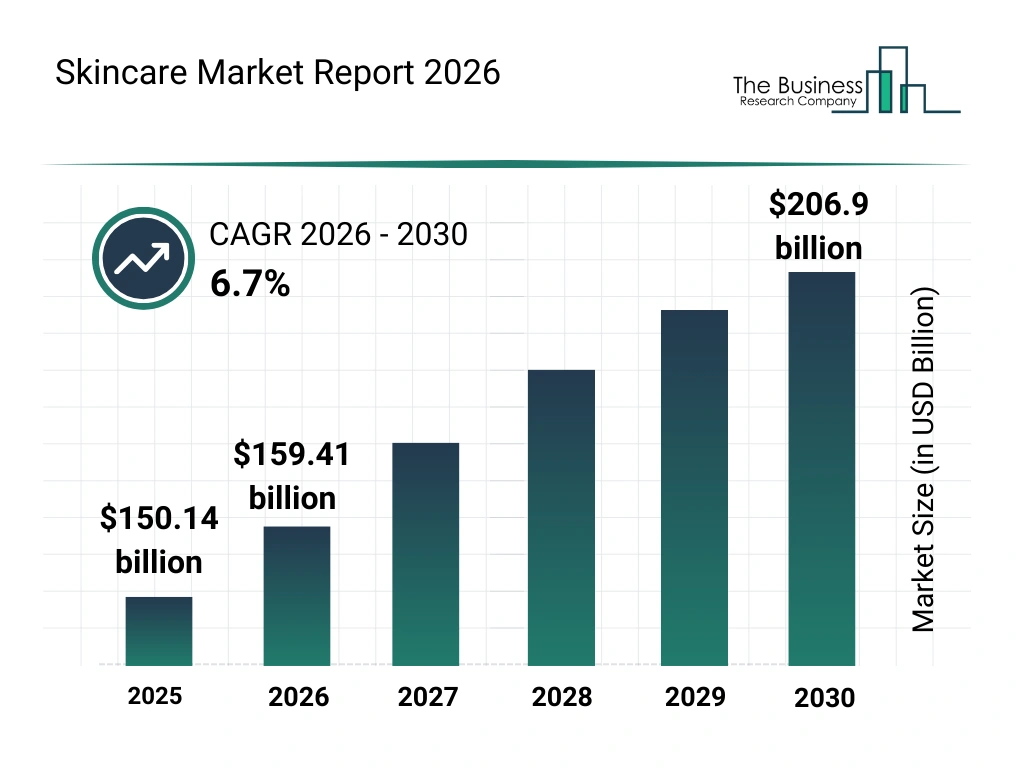
Image Source: The Business Research Company
Why Cosmetogenomics 2026 Matters for Entrepreneurs
The DNA-based skincare manufacturing sector reached $7.99 billion in market value this year. Projected growth points to $10.89 billion by 2035, with a compound annual growth rate of 8.5%. These numbers tell us something specific: Cosmetogenomics 2026 represents one of the few beauty segments still posting consistent expansion while the broader $450 billion beauty industry faces saturation and margin pressure.
Timing makes this window especially relevant for entrepreneurs. The sector grew 7 percent annually from 2022 to 2024, but geopolitical uncertainty and market saturation now force established players to rethink their strategies. New entrants with focused genetic skin profiling capabilities can capture market share while legacy brands struggle to pivot their existing infrastructure.
Market Trends Driving Personalized Beauty ROI
Consumer behavior has moved away from celebrity founders and sustainability messaging toward one dominant criterion: does the product work? Product quality now ranks as the top purchase consideration in beauty categories. This verifies the basic contours of genomics-driven skincare ROI, which builds brands around precision skincare efficacy rather than aspirational marketing.
The distribution landscape supports this move. Online channels will account for nearly one-third of global beauty sales by 2030, up from 26 percent in 2024. Consumers prefer brick-and-mortar stores for discovery but turn to e-commerce for actual purchases and replenishment. This pattern favors custom skincare business models that can deliver personalized formulations directly to consumers after an original consultation or genetic test.
Only 10 percent of beauty executives use AI regularly, with 60 percent still learning applications. Entrepreneurs adopting AI-driven skincare formulation now gain the most important technical advantage. The gap between current adoption and potential application creates space for smaller operations to compete on breakthrough ideas rather than scale.
Consumer Willingness to Pay Premium Prices
The data reveals something we can use. Consumers have become value-conscious and skeptical of hype, yet they prioritize product efficacy above all else. This combination doesn’t contradict itself. Shoppers will pay premium prices when they believe the science supports the results.
Skincare biomarker analysis and targeted active ingredients provide the scientific credibility that justifies higher price points. Consumers expanding their conception of beauty to include wellness and aesthetic treatments are already conditioned to invest more in products that promise measurable outcomes. This creates favorable conditions for personalized beauty ROI strategies that position genomic testing and customized formulations as medical-grade solutions rather than cosmetic luxuries.
Bio-Hacking Beauty Market Growth
The bio-hacking beauty market intersects with metabolic beauty trends and the wellness sector’s influence on skincare. Consumers who track their fitness metrics, optimize their nutrition, and monitor their sleep patterns approach skincare with the same data-driven mindset. They want advanced skin barrier recovery formulations based on their specific genetic markers, not generic products marketed to broad demographics.
This trend supports premium positioning for scientific skincare branding. We can frame DNA-based skincare manufacturing as part of a comprehensive health optimization strategy and tap into existing consumer behavior patterns rather than trying to create new ones. The market is primed. We just need to meet it with the right implementation roadmap.
From Concept to Market: Your Implementation Roadmap
Turning genomic science into a profitable skincare line needs a balanced method that weighs scientific rigor against market realities. Here’s how we break down the launch process into five steps you can act on.
Step 1: Selecting Your Genetic Skin Profiling Method
Your choice of genetic skin profiling dictates everything downstream. At-home DNA test kits offer convenience and scale. They need partnerships with certified laboratories for sample analysis, though. Companies like SkinDNA, Geneu, and MyDNA Skin have protocols that identify genetic markers related to collagen degradation, antioxidant capacity, and inflammation response.
You can develop proprietary biomarker panels that target specific skin concerns as an alternative. This path demands higher upfront investment but creates stronger intellectual property protection. The decision hinges on whether you prioritize speed-to-market or long-term differentiation in the custom skincare business model.
Step 2: Developing Your Product Range
Start narrow. Focus on three to five core formulations that address the most common genetic variations in your target market. Serums perform well in this category because consumers see them as more splurge-worthy than cleansers or moisturizers, according to recent purchase behavior data.
Your formulation strategy should incorporate targeted active ingredients that correspond to specific genetic markers. To cite an instance, customers with variants suggesting poor antioxidant production just need higher concentrations of vitamins C and E. Those with compromised skin barrier genes benefit from ceramide-rich formulations. This precision skincare efficacy becomes your competitive advantage.
Step 3: Choosing Manufacturing Partners
Manufacturing represents your most critical partnership decision. Working with facilities that understand both cosmetic chemistry and personalized production runs becomes non-negotiable here. Bespoke cosmetic OEM Malaysia facilities offer cost advantages combined with quality infrastructure.
Verify their regulatory standing when you evaluate potential partners. GMP certification must come from the NPRA (National Pharmaceutical Regulatory Agency) under the Ministry of Health in Malaysia. This is not an ISO certification. NPRA serves as the sole governing authority that sets cosmetic manufacturing standards for safety and quality. Facilities listed on the official NPRA QUEST 3+ directory meet the gold standard for brands entering Malaysian and global markets.
Our team is here to help whether you’re ready to start your first formulation or need a consultation on the technical feasibility of your DNA-based line. You can fill out our form on the homepage about your project brief or requirements, or use the WhatsApp button on the homepage to chat with the experts.
Step 4: Testing and Validation Protocols
Clinical validation separates credible genomics-driven skincare ROI from marketing hype. Run controlled studies that measure specific outcomes tied to genetic markers. Document improvements in skin hydration, elasticity, or pigmentation with standardized measurement tools.
Consumer testing panels should include participants with varied genetic profiles. This data supports your scientific skincare branding claims and provides content for marketing materials that emphasize evidence-based beauty product development.
Step 5: Launch Strategy and Customer Onboarding
Your onboarding process determines original customer lifetime value. Create a smooth experience from genetic testing to product delivery. Online channels will account for nearly one-third of global beauty sales by 2030. This makes your e-commerce infrastructure a priority investment.
Focus on education throughout the customer experience. Explain what each genetic marker means, how it affects their skin, and why specific ingredients address those concerns. This transparency builds trust and justifies premium pricing in the personalized beauty ROI equation.
Manufacturing Partnerships and Quality Standards

Image Source: Cobblestone Training
Selecting the right manufacturing partner determines whether your genomics-driven skincare ROI translates into sustainable profit margins or becomes an operational nightmare that gets pricey. The gap between cosmetic chemistry expertise and personalized production capabilities eliminates most conventional manufacturers from the running.
Working with Bespoke Cosmetic OEM Malaysia Facilities
Malaysia has emerged as a strategic manufacturing hub for DNA-based skincare manufacturing. Bespoke cosmetic OEM Malaysia facilities offer cost advantages that don’t compromise quality infrastructure. These operations understand small-batch production economics and maintain formulation precision for hundreds of personalized variants.
The operational advantage lies in flexibility. Standard cosmetic manufacturers optimize for mass production runs of 10,000+ units. Personalized beauty ROI models require facilities that can produce batches as small as 50-100 units per formulation while maintaining consistent quality profitably. Malaysian OEM partners have built systems for this production model specifically.
GMP Certification Requirements from NPRA Under the Ministry of Health
Regulatory compliance separates legitimate operations from facilities that cut corners. GMP certification comes from the NPRA (National Pharmaceutical Regulatory Agency) in Malaysia, which operates under the Ministry of Health. This is not an ISO certification. NPRA serves as the sole governing authority that sets cosmetic manufacturing standards for safety and quality.
Facilities listed on the official NPRA QUEST 3+ directory meet the gold standard for brands entering Malaysian and global markets. This certification covers raw material sourcing and finished product testing. Verify their NPRA credentials through the regulatory agency’s official channels when evaluating potential partners.
Advanced Skin Barrier Recovery Formulation Standards
Skincare biomarker analysis reveals specific genetic weaknesses in barrier function. Your manufacturing partner must understand how to formulate products that address these markers with targeted active ingredients. Advanced skin barrier recovery formulations incorporate ceramides and cholesterol in ratios that match genetic deficiencies.
The technical challenge involves stability testing for multiple formulation variants. Each personalized formula requires validation to ensure active ingredients remain stable and effective throughout the product’s shelf life.
Skincare Biomarker Analysis Integration
Manufacturing partners with evidence-based beauty product development capabilities that can integrate with your genetic testing systems. This integration automates formulation selection based on biomarker results and reduces human error and production delays.
Our team is here to help whether you’re ready to start your first formulation or need a consultation on the technical feasibility of your DNA-based line. You can fill out our form on the homepage regarding your project brief or requirements. Use the WhatsApp button to chat with the experts.
The right manufacturing partnership transforms scientific skincare branding from concept to market-ready product line.
Pricing Strategies and Customer Economics
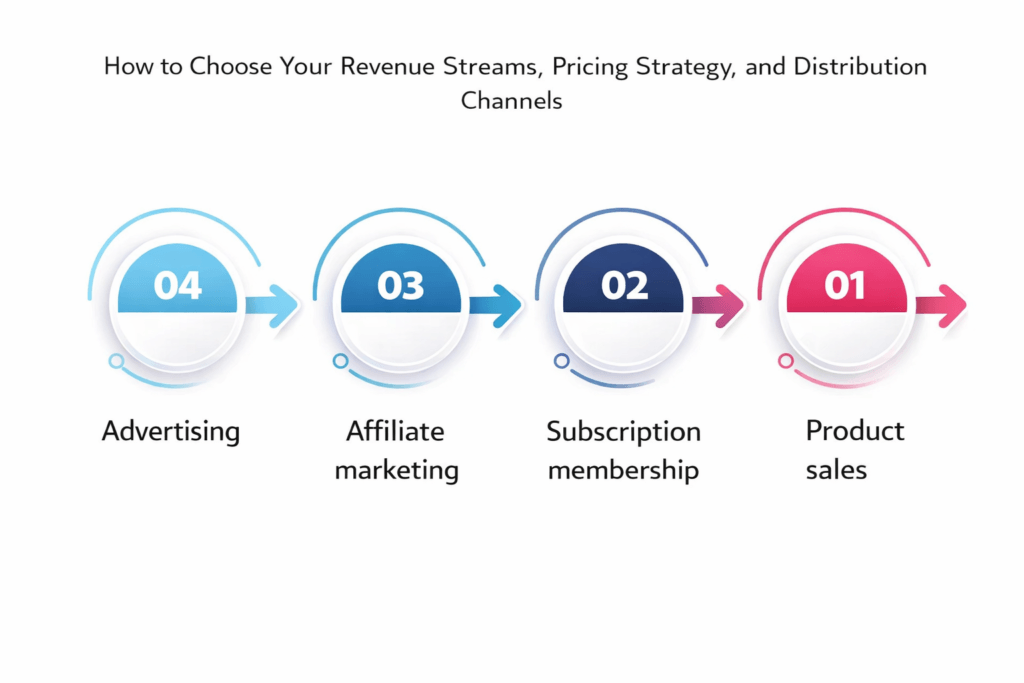
Price determines perceived value in genomics-driven skincare ROI more than any other factor. The $7.99 billion market confirms that consumers accept premium pricing when scientific credibility backs the promise.
Premium Pricing Models for Scientific Skincare Branding
Your genetic skin profiling creates natural price anchoring. Original DNA test kits range from $150 to $300 and establish a premium entry point that frames subsequent product purchases. Customers who invest this amount upfront expect formulations that justify the commitment.
Product pricing should reflect the precision skincare efficacy story. Serums in the DNA-based skincare manufacturing space command $80 to $180 per unit, compared to conventional serums at $30 to $60. This premium holds because customers understand they’re purchasing formulations matched to their genetic markers, not mass-market approximations.
Calculating Customer Lifetime Value in Personalization
Customer lifetime value in personalization multiplies the acquisition costs. A customer who purchases a DNA test and starter kit at $400 will repurchase formulations quarterly. Total spend approaches $1,600 to $2,000 by the time they reach 24 months.
This math changes everything about acquisition strategy. You can afford higher customer acquisition costs when LTV reaches this range. The key metric becomes retention rate. Evidence-based beauty ROI models with 70% annual retention rates outperform conventional brands at 40% retention, even with lower absolute customer counts.
Subscription vs. One-Time Purchase Models
Subscription models win on predictable revenue but lose on pricing flexibility. Monthly shipments at $120 to $150 create steady cash flow, yet some customers prefer to purchase specific products as needed. The hybrid approach works better: offer subscription savings of 15-20% and maintain one-time purchase options at full price.
To cite an instance, evidence-based beauty product development allows you to track which formulations customers reorder most. Convert these to subscription offers and keep specialty treatments as one-time purchases.
Managing Production Costs with Small Batches
Small-batch economics requires different thinking. Your cost per unit will run 30-40% higher than mass production, but premium pricing absorbs this. The calculation shifts from maximizing units per batch to maximizing margin per customer relationship. Focus on increasing LTV rather than reducing unit costs to scale profitability.
Scaling Operations While Maintaining Personalization
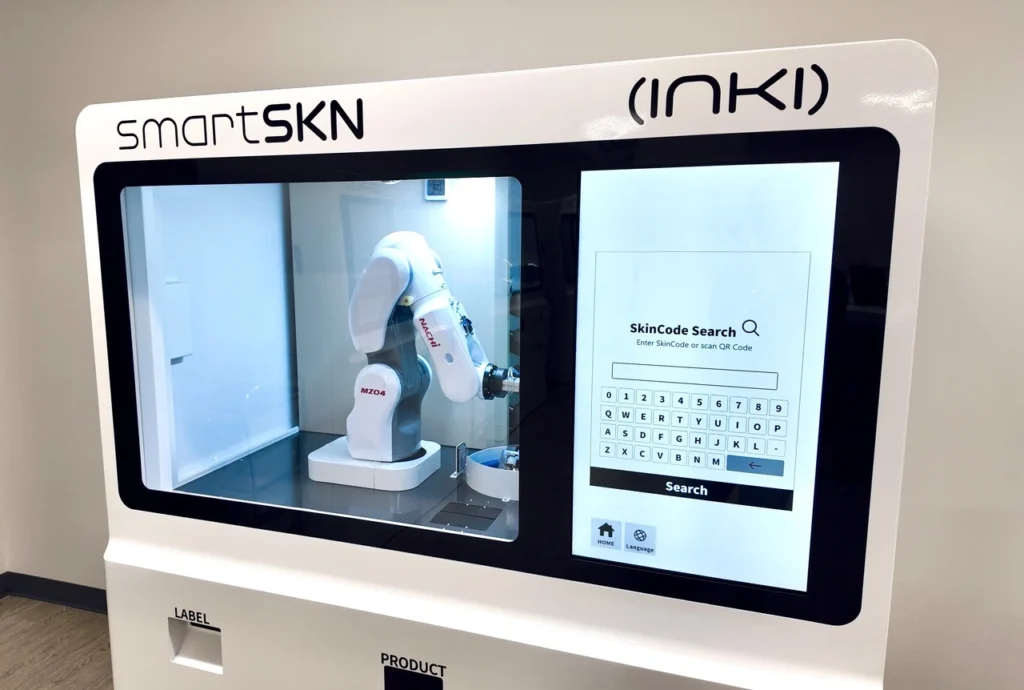
Image Source: MassLive.com
Growth creates tension between scale and precision, yet this paradox defines success in the DNA-based skincare manufacturing space. Your customer base expands beyond hundreds into thousands. The personalized touch that justifies premium pricing becomes your main operational challenge to maintain.
AI-Driven Skincare Formulation Systems
Automation through AI-driven skincare formulation handles the complexity that manual processes can’t scale. Systems analyze genetic test results and match them to ingredient databases. They generate formulation recommendations without human intervention. Only 10 percent of beauty executives use AI regularly. Early adoption creates competitive separation.
Analytical Beauty Product Development
You need to track which genetic markers relate to the highest customer satisfaction scores. This analytical beauty product development approach identifies patterns across thousands of customers. It reveals which biomarker combinations drive repurchase rates and which formulations need refinement.
Balancing Customization with Efficiency
Standardize your core base formulations while varying active ingredient concentrations based on genetic profiles. This method maintains personalization without manufacturing chaos. Three base formulas with variable actives can serve hundreds of genetic variations.
Building High-End Beauty R&D Capabilities
Partnerships with dermatological research institutions are worth the investment. High-end beauty R&D capabilities distinguish scientific skincare branding from competitors, making unsubstantiated claims. Clinical studies measuring targeted active ingredients against specific genetic markers build credibility that supports genomics-driven skincare ROI.
Conclusion
Genomics-driven skincare represents a rare chance where consumer needs, scientific credibility, and premium pricing join. Beauty entrepreneurs who implement the right systems now can capture market share while legacy brands struggle to adapt their infrastructure.
Your success depends on three factors: choosing genetic skin profiling methods that deliver measurable results, partnering with qualified manufacturers who understand tailored production, and building AI-driven formulation systems that scale without losing precision. The brands that win in 2026 will prioritize precision skincare efficacy over marketing hype.
The market is ready. We just need to execute with the right manufacturing partner and strategic focus.
Key Takeaways
The genomics-driven skincare market presents a compelling business opportunity for beauty entrepreneurs, combining scientific credibility with premium pricing potential in a rapidly growing $7.99 billion sector.
• Market timing favors new entrants: Only 10% of beauty executives currently use AI regularly, creating competitive advantages for entrepreneurs adopting genomic formulation systems early.
• Premium pricing is sustainable: DNA-based skincare commands $80-$180 per serum versus $30-$60 for conventional products, with customer lifetime values reaching $1,600-$2,000 over 24 months.
• Manufacturing partnerships are critical: Success requires NPRA-certified facilities in Malaysia or similar regions that specialize in small-batch personalized production while maintaining quality standards.
• Start narrow, then scale smart: Focus on 3-5 core formulations addressing common genetic variations, using AI-driven systems to automate personalization without losing precision.
• Scientific validation drives ROI: Clinical studies measuring targeted ingredients against specific genetic markers build the credibility needed to justify premium pricing and customer loyalty.
The key to success lies in balancing personalization with operational efficiency, brands that master this balance, while legacy competitors struggle with infrastructure adaptation, will capture significant market share in the expanding cosmetogenomics sector.
FAQs
Q1. What makes genomics-driven skincare a profitable business opportunity in 2026? The genomics-driven skincare market has reached $7.99 billion in 2026, with projected growth to $10.89 billion by 2035. This sector commands premium pricing, with DNA-based serums selling for $80-$180 compared to conventional products at $30-$60. Customer lifetime values reach $1,600-$2,000 over 24 months, making it one of the few beauty segments still posting consistent expansion while the broader industry faces saturation.
Q2. How do I choose the right genetic skin profiling method for my skincare brand? You have two main options: partner with established at-home DNA test kit providers like SkinDNA or Geneu for faster market entry, or develop proprietary biomarker panels for stronger intellectual property protection. The choice depends on whether you prioritize speed-to-market or long-term differentiation. Start with 3-5 core formulations targeting the most common genetic variations in your market.
Q3. What manufacturing certifications should I look for when partnering with cosmetic facilities? Look for GMP certification from the NPRA (National Pharmaceutical Regulatory Agency) under Malaysia’s Ministry of Health, not just ISO certifications. NPRA serves as the sole governing authority for cosmetic manufacturing standards. Facilities listed on the official NPRA QUEST 3+ directory meet gold standards for safety and quality, which are essential for DNA-based skincare production.
Q4. How can I scale my personalized skincare business without losing customization? Implement AI-driven formulation systems that analyze genetic test results and automatically generate personalized recommendations. Standardize 3 core base formulations while varying active ingredient concentrations based on genetic profiles. This approach can serve hundreds of genetic variations without manufacturing chaos. Only 10% of beauty executives currently use AI regularly, giving early adopters a significant competitive advantage.
Q5. What pricing strategy works best for genomics-based skincare products? Use a premium pricing model anchored by an initial DNA test kit priced at $150-$300, which establishes value perception. Follow with personalized formulations at $80-$180 per product. Offer hybrid purchasing options: subscription models with 15-20% savings for predictable revenue, plus one-time purchases at full price for flexibility. This approach maximizes customer lifetime value while maintaining pricing power.