
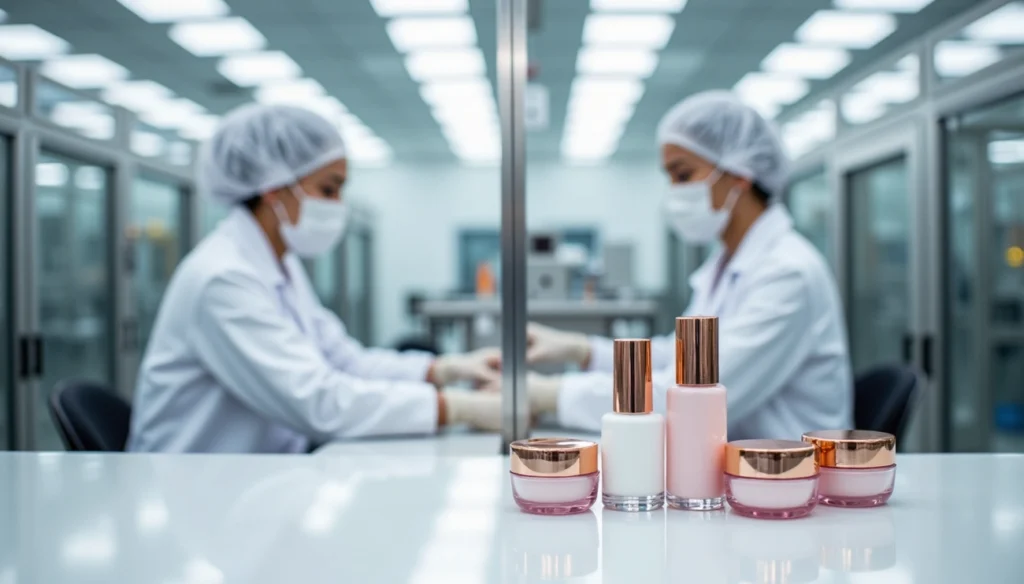
Did you know partnerships in Halal cosmetic OEM will help realize a market worth over $59 billion by 2026?
The Halal beauty world is going through a fundamental change. Voluntary certification is becoming mandatory compliance, as Indonesia’s BPJPH 2026 Compliance regulations take effect on October 17, 2026. This creates an urgent deadline and gives brands worldwide an unprecedented chance. Many manufacturers now rush to meet JAKIM Halal Standards. Smart brands have already started securing their global Halal market strategies.
We have spent years working in this complex regulatory environment. We found that choosing the right Halal Cosmetic OEM partner needs more than just avoiding porcine ingredients. Your manufacturer must understand specialized manufacturing processes, ingredient traceability systems, and testing protocols. Many conventional manufacturers simply don’t have these capabilities.
This piece walks you through everything about selecting a Halal cosmetic manufacturing partner. They should ensure your products meet certification requirements while delivering the quality and performance your customers expect. We’ve covered all essential factors to help you choose wisely – from facility segregation requirements to wudu-friendly formulation testing.
Why the October 2026 Deadline Changes Everything
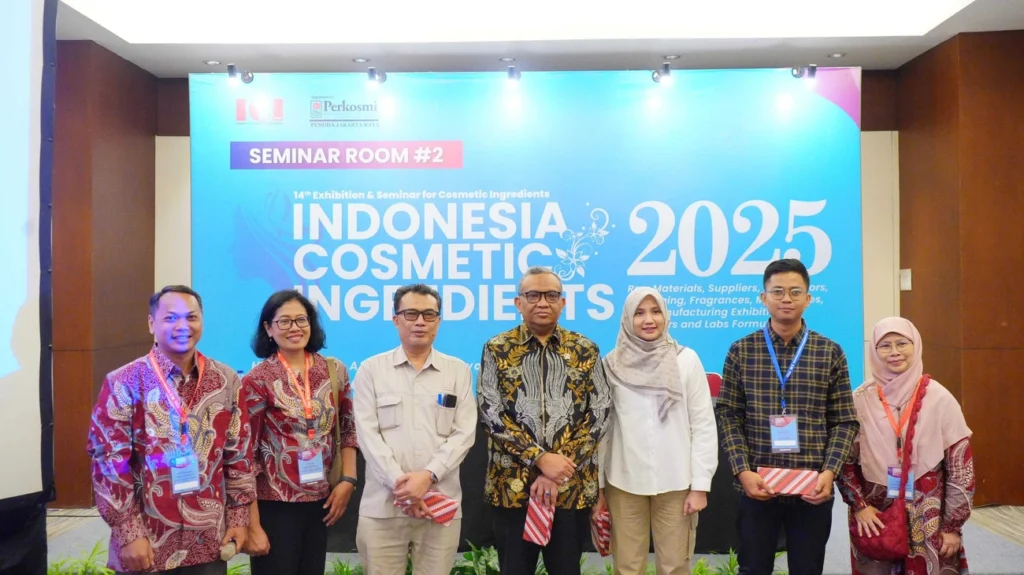
Image Source: bpjph
The beauty industry faces a big change as Indonesia, the world’s largest Muslim-majority nation with 231 million citizens, makes Halal certification mandatory for all beauty products. October 17, 2026, will change how global cosmetics are made and distributed.
Understanding Indonesia’s BPJPH mandate for all cosmetic products
Indonesia’s Halal Product Assurance Agency (BPJPH) has set a clear deadline that changes everything for beauty brands. Beauty companies must get BPJPH Halal certification by October 17, 2026, or their products will be pulled from the market. This rule applies to:
- All color cosmetics, including foundations, lipsticks, and eye products
- Skincare formulations from cleansers to moisturizers
- Hair care products and treatments
- Body care items, including lotions and deodorants
- Fragrances and essential oils
This isn’t just another optional certification. Brands that don’t comply will lose access to Indonesia’s $3.9 billion cosmetics market and risk losing Muslim consumers’ trust worldwide. The certification process needs a full supply chain check through Sistem Jaminan Produk Halal (SJPH). They look at everything from raw materials to how products are made.
International brands need to find a qualified Halal Cosmetic OEM partner now. The certification process usually takes 8-12 months to prepare and another 3-6 months to assess. Brands that wait until 2025 to start might miss out on the market completely.
The “first-mover advantage” for brands that partner with certified OEMs early
Companies that team up with JAKIM or BPJPH-certified manufacturers now will get ahead of their competition. They’ll avoid the rush when thousands of companies try to get certified at once in 2025-2026.
Early adopters will also get:
- Market Positioning Premium – They can charge more and build stronger customer loyalty before everyone else joins in
- Distribution Channel Security – They’ll secure shelf space and online presence in Muslim-majority markets first
- Research & Development Opportunities – They’ll have time to create better water-permeable makeup and alcohol-free skincare that meets both Halal rules and quality standards
- Marketing Momentum – They can build genuine stories around Halal values instead of looking like they’re just following rules
Yes, it is smart to find the right Halal contract manufacturing (Maklon) partner now. This helps brands deal with complex rules about tracking raw materials and preventing cross-contamination. Regular manufacturers will need years to set up proper Halal Assurance Systems (HAS) and Internal Halal Committees (IHC). This will create production bottlenecks as the deadline gets closer.
Working with experienced Halal Cosmetic OEMs gives access to their networks of Halal-certified ingredient suppliers. This solves one of the toughest parts of compliance – finding alternatives to common non-Halal ingredients like regular glycerin and certain preservatives.
This move to mandatory certification isn’t just about following rules. It’s a chance to connect with 1.9 billion Muslim consumers worldwide through genuine Sharia-compliant manufacturing. The clock is ticking faster as we get closer to 2026.
Core Pillars of a Halal-Certified OEM Facility
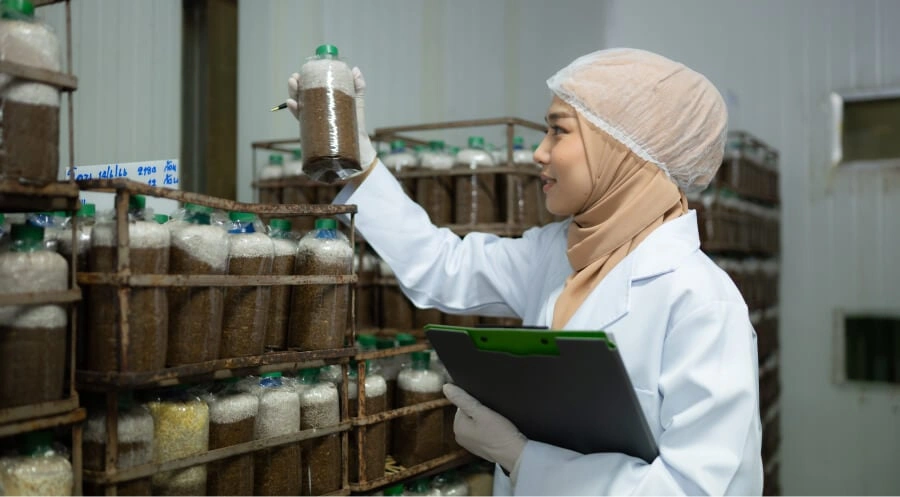
Image Source: American Halal Foundation
Choosing the right Halal cosmetic OEM partner requires a solid grasp of what makes a manufacturing facility truly compliant. These requirements are way beyond the reach and influence of surface-level changes. You just need detailed structural and operational protocols.
Facility Segregation: Keeping Halal and non-Halal production strictly separate
A proper Halal manufacturing setup’s foundation rests on physical segregation. Halal Cosmetic OEM facilities must keep their Halal and non-Halal production areas completely separate. Here’s what this separation involves:
- Production lines, equipment, and utensils used only for Halal products
- Separate areas to store raw materials, packaging items, and finished goods
- Different production schedules to stop cross-contamination through air particles
- Separate quality control labs and testing facilities
This strict separation aims to prevent najis (ritually impure) substances from touching Halal products. The core team in Halal production areas must follow specific rules. These include wearing dedicated uniforms and limiting movement between production zones.
Ingredient Purity: Moving beyond “no pork” to include alcohol limits and animal-free testing
Many brands think Halal certification is just about avoiding pork-derived ingredients. The reality is different. JAKIM Halal Standards and BPJPH 2026 Compliance have detailed purity standards.
Ethanol levels are tightly controlled, usually below 0.5% in most formulas. Ingredients from allowed animals must come from Islamic law-compliant slaughter. All ingredients must stay uncontaminated during processing and shipping.
A genuine Halal certification requires animal-free testing methods. This naturally fits with cruelty-free beauty standards. As a result, Halal products appeal more to ethical consumers beyond Muslim communities.
Hygiene & Safety: How Halal standards overlap with (and exceed) standard GMP
Halal manufacturing principles match Good Manufacturing Practice (GMP) standards but go further. Both focus on cleanliness, quality control, and preventing contamination. In spite of that, Halal standards need stricter cleaning protocols, especially for equipment that might have touched non-Halal materials.
The Halal Assurance System (HAS) requires manufacturers to do ritual cleaning (sertu) in specific cases. This seven-step washing process is crucial after contact with pork materials or other najis substances. It’s more thorough than regular industrial cleaning methods.
Halal-certified facilities must meet higher water quality standards. All water used in production and cleaning should meet specific purity requirements. Better water quality leads to safer and more stable products.
Brand owners get products that often beat regular quality standards. The integrated Halal approach to facility design, ingredient sourcing, and hygiene creates a manufacturing environment where quality and compliance work together.
These three core pillars are great ways to check if a facility can make truly compliant products. A manufacturer who falls short in any area will likely struggle with certification requirements, regardless of their regular production skills or track record.
Essential Checklist for Selecting Your OEM Partner
You need more than simple manufacturing capabilities to find the right Halal Cosmetic OEM partner. This checklist will give you the tools to verify if your chosen partner meets all Halal requirements.
Verify certification from recognized bodies (JAKIM, BPJPH, or MUI)
Your potential OEM partner must hold a valid certification from at least one internationally recognized Halal authority. The three most respected certifications include:
- JAKIM (Malaysia) – The gold standard across the globe
- BPJPH (Indonesia) – Essential for brands targeting the Indonesian market
- MUI (Indonesia) – The predecessor to BPJPH that remains widely recognized
Don’t just trust claims or logos – ask for actual certification documents. Valid certifications come with expiration dates and unique verification numbers. Each organization’s official verification portal lets you confirm authenticity.
Auditing their Internal Halal Committee (IHC) and staff training
A certified Halal Cosmetic OEM needs an Internal Halal Committee to maintain compliance. Your evaluation should include requests for:
- Their IHC’s organizational structure and the Halal Executive’s qualifications
- Staff’s regular Halal awareness training documentation
- Proof of their Halal Assurance System (HAS) implementation
- Internal audit procedures and frequency records
The best partners have an IHC that reports to senior management directly. This ensures Halal compliance stays a priority across operations.
Capabilities in “Wudu-Friendly” testing and water-permeability verification
Muslim consumers perform wudu (ritual ablution) five times daily, making water-permeability testing crucial. Your OEM partner should show:
- Lab protocols that test water penetration through cosmetic films
- Equipment that measures product removal during simulated ablution
- Experience in creating wudu-compatible formulations
- Previous successful water-permeability certification records
This specialized testing sets experienced Halal cosmetic manufacturers apart from those who just meet minimum requirements.
Many first-time brand owners focus just on simple certification and miss these technical points. Need guidance specific to your product? You can submit your project brief through the form on clcosmetic.com or ask an expert via WhatsApp from our homepage 🙂
Check most of these points before committing to a partner. This way, you’ll avoid reformulations that get pricey and certification delays that could make you miss the October 2026 deadline.
Technical Deep-Dive: Sourcing & Traceability
Raw material sourcing is the lifeblood of authentic Halal cosmetic manufacturing, even beyond facility certification. You need traceability systems to track each ingredient from its source to final formulation, which creates an unbroken chain of Halal compliance.
The importance of valid Halal certificates for every raw material
Product compliance depends on raw material certification. Each ingredient that enters a Halal Cosmetic OEM facility needs its own valid Halal certificate from recognized authorities. These certificates must:
- Be current and unexpired
- Match the exact grade and manufacturer of materials used
- Include batch-specific traceability information
- Come from certification bodies recognized by JAKIM or BPJPH
Your product line’s Halal status can be compromised by just one uncertified ingredient. Brand owners should verify their OEM partner’s complete Supplier Qualification Programs for Halal compliance. The best manufacturers make use of information through digital tracking systems that implement Sistem Jaminan Produk Halal (SJPH) principles to document ingredient sources, processing methods, and transport conditions.
Common “critical” ingredients to watch (collagen, glycerin, and ethanol)
You need to pay special attention to several cosmetic ingredients that often have non-Halal sources:
Glycerin: This ingredient usually comes from animal fats, especially pork. Halal formulations need plant-based glycerin (typically from palm or coconut) with certificates that confirm no animal-derived processing aids.
Collagen: Traditional sources include porcine and bovine tissues. Halal alternatives include marine collagen (from fish scales) or plant-based collagen alternatives such as pea protein and algae extracts. Each needs a specific Halal certification.
Ethanol/Alcohol: This must be non-khamr (not intoxicating) and come from permitted sources. Synthetic ethanol or specially certified natural ethanol with alcohol content below 0.5% usually gets approval.
Gelatin (in capsules and masks), keratin (in hair products), and certain enzymes are among many more problematic ingredients. New brand owners often miss these “hidden” ingredients that can disrupt certification.
The best Halal Cosmetic OEMs keep complete databases of pre-approved suppliers for these critical materials. This helps streamline product development while maintaining strict compliance. They test all incoming raw materials for Halal conformity before production to prevent any cross-contamination during transport or storage.
Beyond Faith: The “Halal = Clean” Branding Strategy
Halal certification gives brand owners a powerful market position that reaches way beyond the reach and influence of Muslim consumers. The strict standards needed for authentic Halal manufacturing naturally align with “clean beauty” values that mainstream consumers seek worldwide.
How Halal certification appeals to non-Muslims through “clean beauty” and ethical standards
Non-Muslim consumers actively look for products with ethical qualities that Halal certification naturally guarantees. These shared values include:
- Products free from animal testing and cruelty-free development methods
- Better transparency in ingredient sourcing and manufacturing
- Strict contamination controls throughout production
- Better standards for ingredient purity and safety
- Ethical treatment of workers in the supply chain
The strict ban on harmful ingredients in Halal formulations matches perfectly with clean beauty principles. The Internal Halal Committee’s (IHC) requirements will give a constant alertness that conscious consumers value, whatever their religious beliefs.
Premium brand positioning through strict Halal verification
Complete Halal certification requirements create natural ways to position your brand in premium market segments. The detailed documentation of raw material tracking shows exceptional quality control that supports higher price points. The extra lab testing needed for JAKIM Halal Standards compliance adds scientific proof to product claims.
Smart brand owners highlight these strict verification processes in marketing materials for non-Muslim audiences. They focus beyond religious compliance and showcase how partnerships with specialized Halal Cosmetic OEM manufacturers deliver superior product purity and ethical manufacturing.
Market research shows consumers now see Halal certification as a symbol of premium quality and high standards. Successful brands share these values through images and messages that highlight purity, transparency, and sustainability, among other Halal certification logos.
This “Halal = Clean” positioning strategy connects different markets effectively. Brands can keep their authentic appeal to Muslim consumers while attracting conscious shoppers who want trustworthy, ethical beauty alternatives in mainstream markets.
Conclusion: Future-Proofing Your Brand
The hunt for qualified Halal cosmetic manufacturing partners has, without doubt, kicked off. Smart beauty brands know October 2026 is both a deadline and a great chance to grow. Finding an OEM partner who gets the detailed requirements of Halal certification needs careful checking that goes beyond basic claims.
Your chosen manufacturer needs completely separate production areas, equipment, and protocols for Halal products – there’s no compromise here. Their ingredient sourcing should be nowhere near just avoiding porcine materials. They need to build detailed tracking systems that document every component from start to finish.
Getting certified by prominent bodies like JAKIM or BPJPH forms the foundation of compliance. Your brand should look deeper at internal Halal committees, staff training, and special features like wudu-friendly testing. These elements work together to meet both regulations and what consumers expect.
Halal certification benefits reach way beyond the reach and influence of Muslim markets. Smart brands place their Halal-certified products within the broader “clean beauty” movement. They highlight shared values of transparency, ethical sourcing, and strict quality standards. This strategy targeting two markets helps maximize returns while building real connections in a variety of consumer groups.
Brands waiting until 2025 will face tough challenges. Those who move now get crucial advantages. They can secure manufacturing space, perfect formulations, and build market presence before the 2026 deadline creates bottlenecks. You can submit your project brief through the form on clcosmetic.com or WhatsApp an expert through the homepage 🙂
Success with Halal certification comes down to finding a manufacturing partner who sees these requirements as chances to create better products. Their expertise becomes your edge in the market. This lets your brand confidently enter the faster-growing global Halal beauty market with products that truly earn consumer trust worldwide.
Key Takeaways
The global Halal cosmetics market presents a $59+ billion opportunity by 2026, but success requires partnering with properly certified manufacturers who understand comprehensive compliance requirements beyond basic ingredient restrictions.
• Act before October 2026: Indonesia’s mandatory BPJPH certification deadline creates an urgent need for qualified Halal OEM partnerships to avoid market exclusion.
• Verify comprehensive facility standards: Look for complete production segregation, ingredient traceability systems, and specialized wudu-friendly testing capabilities.
• Check critical certifications: Ensure your OEM partner holds valid JAKIM, BPJPH, or MUI certification with active Internal Halal Committees.
• Leverage “Halal = Clean” positioning: Use rigorous Halal standards to appeal to mainstream consumers seeking ethical, transparent beauty products.
• Secure partnerships now: Early adopters gain competitive advantages in manufacturing capacity, market positioning, and consumer trust before certification bottlenecks occur.
The shift from voluntary to mandatory Halal certification represents both a regulatory challenge and a premium branding opportunity. Brands that secure qualified manufacturing partnerships today will dominate tomorrow’s global Muslim beauty market while attracting conscious consumers worldwide through authentic clean beauty credentials.
FAQs
Q1. How can I verify if a cosmetic product is truly Halal-certified? Look for a valid Halal certification logo from recognized authorities like JAKIM, BPJPH, or MUI on the product packaging. Additionally, check if the manufacturer has proper documentation for ingredient traceability and follows strict facility segregation practices.
Q2. What are the key differences between OEM and ODM in Halal cosmetic manufacturing? OEM (Original Equipment Manufacturing) involves fully customized products developed from scratch according to your specifications, while ODM (Original Design Manufacturing) offers semi-custom products based on existing formulas. For Halal cosmetics, OEM partnerships often provide more control over ingredient sourcing and compliance.
Q3. Why is the October 2026 deadline significant for Halal cosmetic brands? October 17, 2026, marks the implementation of Indonesia’s mandatory BPJPH Halal certification for all cosmetic products. Brands without proper certification will lose access to Indonesia’s $3.9 billion cosmetics market, making it crucial to secure Halal OEM partnerships well in advance.
Q4. What are some “critical” ingredients to watch out for in Halal cosmetic formulations? Key ingredients requiring special attention include glycerin (must be plant-based), collagen (marine or plant-based alternatives), and ethanol (synthetic or specially certified). Other problematic ingredients can include gelatin, keratin, and certain enzymes, which often have non-Halal sources.
Q5. How can Halal certification benefit my brand beyond Muslim markets? Halal certification aligns with “clean beauty” principles, appealing to conscious consumers seeking ethical, transparent products. It demonstrates rigorous quality control, ingredient purity, and ethical manufacturing practices, allowing you to position your brand as premium in both Muslim and mainstream markets.