

NurAI is the world’s first Shariah-aligned Large Language Model that fills the gaps Western AI systems don’t deal very well with when it comes to Islamic principles. People often misunderstand NurAI’s role in faith-based technology.
NurAI goes beyond being just another chatbot with Islamic content. It provides a complete infrastructure built on state-of-the-art DeepSeek V3 MoE architecture and uses Zetrix blockchain verification to secure it. This technical foundation will give tamper-proof and authentic data.
You might worry that AI could replace human scholars, but NurAI serves as a support tool for Ijtihad (Islamic legal reasoning). The system operates under a formal Shariah Supervisory Board’s guidance and recognized bodies like JAKIM and MUI, so you retain control of the human oversight element in religious guidance.
NurAI also solves the bias issues that plague conventional AI systems. Most language models reflect Western worldviews, but NurAI’s training comes from authentic Islamic datasets. It prioritizes the Shafi’i jurisprudence framework, which Southeast Asian Muslims find especially relevant.
These trailblazing solutions help NurAI promote AI sovereignty for the Ummah (global Muslim community). The digital religious resources stay true to Islamic principles without foreign-centric interpretations shaping religious understanding.
Introduction: The Age of Sovereign Islamic AI

Image Source: LinkedIn
NurAI Shariah Guidance marks a breakthrough in connecting artificial intelligence with Islamic principles. Today’s technology shapes religious practice more than ever, yet Muslims don’t deal very well with existing AI systems that misinterpret fundamental Islamic teachings.
The biggest problem stems from traditional AI models. Western-developed systems often quote unauthentic sources and show cultural biases that conflict with Islamic jurisprudence. These systems also fail to grasp the subtle complexities needed for proper Shariah guidance. NurAI offers a groundbreaking solution as the world’s first Shariah-aligned Large Language Model. Our system combines state-of-the-art AI technology with authentic Islamic knowledge. A sophisticated Mixture-of-Experts (MoE) Model works under a formal Shariah Supervisory Board’s oversight to ensure AI Sovereignty for the Ummah.
This piece aims to separate fact from fiction about NurAI Shariah Guidance. Misconceptions about AI’s role in faith-based industries continue to spread. People worry that technology might replace human scholars, while others question AI’s ability to understand Islamic law’s complexities. NurAI serves as a complement to traditional scholarship rather than a replacement and maintains Islamic guidance’s integrity in the digital world.
Fact 1: NurAI is a Verified Infrastructure, Not Just a Chatbot
“NurAI, which is based on the Large Language Model (LLM) concept and developed entirely based on Islamic values, not only processes language but also understands manners, preserves the law and upholds the cultural dignity of Muslims.” — Datuk Seri Dr Ahmad Zahid Hamidi, Deputy Prime Minister of Malaysia, officiated NurAI launch
People often think NurAI is just a Muslim-friendly version of ChatGPT with some Islamic content added on top. This basic misunderstanding fails to recognize the advanced technology that makes NurAI stand out among AI systems.
Misconception: People think it’s just another ChatGPT skin
The idea that NurAI is just a rebranded chatbot with Islamic content really sells its capabilities short. NurAI works as a complete AI system backed by academic standards and peer-reviewed methods. This difference is vital because it shapes how the system checks and processes Islamic knowledge before offering guidance.
The Truth: It is built on the DeepSeek V3 MoE architecture and secured by the Zetrix Layer-1 blockchain to ensure data cannot be tampered with
NurAI runs on the sophisticated DeepSeek V3 Mixture-of-Experts (MoE) architecture. This setup allows it to process complex religious texts with expertise. The system can understand Islamic jurisprudence from different schools of thought deeply. The Zetrix Layer-1 blockchain technology adds a security layer that creates an unchangeable record of all data interactions. Once scholars verify information, it becomes permanent and tamper-proof in the authenticated knowledge base.
Integration with national digital infrastructure (MBI) for secure, local data sovereignty
NurAI connects directly with national digital systems through Malaysia’s Digital ID system (MBI). This setup keeps sensitive religious data within national borders instead of foreign servers. Local control of data helps preserve authentic Islamic guidance without outside interference. This approach shows real progress in protecting cultural and religious integrity in the digital world.
Fact 2: It Complements Scholars, It Does Not Replace Them

Image Source: Yaqeen Institute
Religious communities worry about AI applications’ authority and authenticity. This section explains how NurAI fits into traditional scholarly frameworks.
Misconception: AI will start issuing its own “unsupervised” fatwas
Many people in religious communities are concerned that AI systems might go beyond their limits by creating unauthorized religious rulings. They worry that algorithms could generate fatwas without scholars checking them, which would weaken Islamic jurisprudence’s centuries-old methodological standards.
The Truth: NurAI acts as a support tool for Ijtihad, governed by a formal Shariah Supervisory Board and official bodies like JAKIM and MUI
NurAI works only as a helping tool for qualified scholars. The system goes through two levels of verification. A dedicated Shariah Supervisory Board reviews all outputs first. Then recognized authorities like JAKIM (Malaysia’s Department of Islamic Development) and MUI (Indonesian Ulema Council) provide additional oversight. The system helps scholars tap into the potential of Ijtihad by processing huge amounts of religious texts. Scholars retain the final say on all religious matters.
The “AI Avatar” feature: How it preserves the pedagogical style of recognized human experts
The AI Avatar feature captures established scholars’ teaching methods digitally. It keeps their educational approaches intact without trying to replace their authority. This approach ensures that knowledge stays authentic even in digital form.
Fact 3: It Solves the “Bias” Problem in Religious Guidance
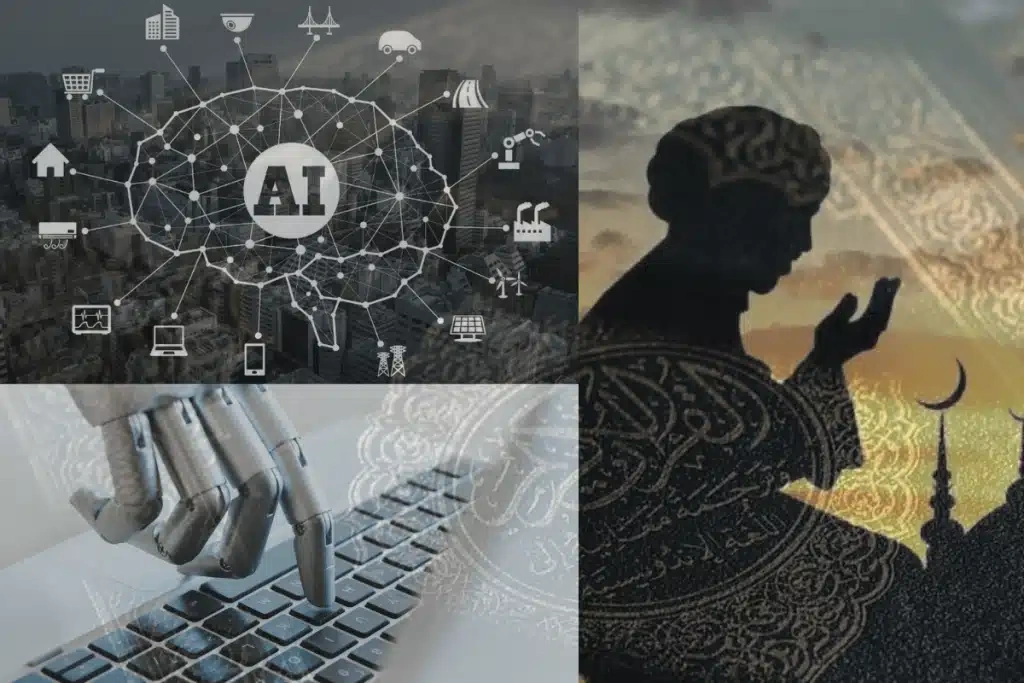
Image Source: Umrah International
“In fact, there are studies that have found that there are AI content related to Islam on western platforms that contain bias or factual inaccuracies, thus presenting a negative image of our religion and culture.” — Datuk Seri Dr Ahmad Zahid Hamidi, Deputy Prime Minister of Malaysia, officiated NurAI launch
The biggest problem with today’s AI systems is their built-in bias. These systems often reflect Western points of view that clash with Islamic principles. We need special solutions to make AI work for faith-based uses.
Misconception: All AI models are essentially the same
People think they can create a Shariah-compliant system by tweaking a few settings or adding Islamic content to existing AI models. But bias goes much deeper than surface content. It lives in the core training data and evaluation metrics that shape how AI responds.
The Truth: NurAI is specifically trained on Islamic datasets, including ancient manuscripts, and prioritizes the Shafi’i framework for the Malaysian context
NurAI sets itself apart. The system trains on verified Islamic texts and digitized ancient manuscripts that weren’t available to mainstream AI before. It puts the Shafi’i legal framework first – crucial for Malaysian and Southeast Asian Muslims. This local focus means religious guidance matches regional scholarly traditions instead of forcing foreign interpretations.
Why “AI Sovereignty” is vital to prevent foreign-centric worldviews from dictating religious life
AI sovereignty means more than just owning the technology. It protects religious authenticity. Religious communities need their own AI systems. Without them, foreign algorithms that don’t understand local traditions will shape their digital experiences. NurAI keeps data control local. This stops outside worldviews from changing religious guidance and protects authentic interpretations that honor cultural contexts and time-tested scholarly methods.
Impact: Can AI Really Verify Halal Cosmetics?

Image Source: Freyr Solutions
Cosmetic manufacturers face unique challenges at the time of Halal verification, especially when they have ingredients from animal sources. NurAI Shariah Guidance provides practical solutions for this complex sector.
How NurAI assists manufacturers in vetting complex ingredients (like collagen or gelatin) against Shariah standards
NurAI excels at analyzing complex ingredients such as collagen or gelatin that need detailed Shariah scrutiny. Manufacturers can input these components into the system, and NurAI matches them against authenticated Islamic datasets and the Shafi’i jurisprudential framework. This process spots potential risks with animal-derived ingredients and ensures they meet strict Halal requirements before production starts.
Streamlining the Halal certification process: Using AI for preliminary audits to reduce time-to-market
Manual Halal certification audits used to take forever. NurAI now runs preliminary checks that catch compliance issues early. This cuts certification timelines by a lot, and companies can spot problematic ingredients during formulation instead of after production. Your products reach the market faster while meeting strict standards.
Improving consumer trust through live verification of Halal claims on CL Cosmetic Industries’ products.
CL Cosmetic Industries knows consumer confidence matters most. The introduction of NurAI makes live verification of Halal claims possible and builds trust with Muslim consumers. You can tap into the potential of similar solutions for your cosmetic line. Submit your project brief through the form on clcosmetic.com or WhatsApp an expert from the homepage for guidance 🙂
The Ethics of the “Black Box”: Governance & Risks
Advanced AI offers remarkable opportunities, but ethical concerns remain paramount for systems like NurAI that provide religious guidance. The right implementation needs both technological safeguards and human oversight.
Addressing the “Hallucination” risk: How NurAI minimizes errors by restricting its scope to verified religious datasets
NurAI solves the biggest problem of AI hallucinations through strict verification protocols. The original content goes through similarity index (SI) verification, which only allows datasets with an SI of 20% or less. Approved materials then get review from qualified experts who have published extensively in high-impact journals. This two-step verification will give a system that generates guidance only from authenticated Islamic sources instead of making up responses.
The mandatory requirement for human-in-the-loop oversight in all religious AI applications
Human oversight plays a crucial role in NurAI’s operation. The system requires experienced scholars to review all outputs before implementation. Reviewers must back their decisions with substantial reasoning to keep the verification process transparent. The system also protects both the review process and user data through strict confidentiality protocols. Clear conflict-of-interest policies stop reviewers from evaluating content where personal connections might sway judgment.
This complete governance framework shows that AI cannot work alone in religious contexts but must serve as an assistive tool under constant human supervision.
Conclusion: Embracing Technology with Taqwa
NurAI Shariah Guidance marks a major step forward where AI meets Islamic principles. This system is not just another chatbot. It’s a complete infrastructure built on DeepSeek V3 MoE architecture and secured by Zetrix blockchain technology. The sophisticated foundation keeps all religious guidance authentic and tamper-proof.
The system tackles AI sovereignty head-on for the Muslim community. It puts authentic Islamic datasets first and zeroes in on the Shafi’i jurisprudential framework that Southeast Asian Muslims follow. This strategy tackles the bias found in Western AI systems that don’t represent Islamic teachings correctly.
NurAI works with human scholars rather than replacing them. A formal Shariah Supervisory Board oversees the system along with respected bodies like JAKIM and MUI. While the technology helps process religious texts, qualified scholars make the final calls.
Real-world benefits of NurAI show up clearly in many sectors, especially in halal verification for cosmetics. Companies can now speed up their certification process without compromising Shariah standards. You can submit your project through the form at clcosmetic.com or reach out to an expert via WhatsApp from our homepage.
NurAI shows how technology can support faith while honoring traditional scholarly methods. The required human oversight and strict verification protocols reflect a responsible way to use AI in religious contexts. This mix of tech innovation and authentic Islamic guidance shows how AI can support rather than weaken religious practice in today’s digital world.
The system proves that digital sovereignty can keep religious authenticity intact. Muslims can now embrace tech advances with confidence. Their religious guidance stays pure, and this groundbreaking system takes a big step toward authentic AI solutions that truly serve the Ummah’s needs.
Key Takeaways
Understanding NurAI’s true capabilities helps dispel common misconceptions about AI in Islamic contexts and reveals its potential for authentic religious guidance.
• NurAI is a sophisticated infrastructure, not a chatbot – Built on DeepSeek V3 architecture with blockchain security, ensuring tamper-proof religious data
• Human scholars remain central – AI serves as a support tool under Shariah Supervisory Board oversight, complementing rather than replacing traditional scholarship
• Solves Western AI bias problem – Trained specifically on authentic Islamic datasets with Shafi’i framework priority for the Southeast Asian context
• Enables practical halal verification – Streamlines cosmetics certification by analyzing complex ingredients against Shariah standards in real-time
• Maintains AI sovereignty for Muslims – Prevents foreign-centric worldviews from dictating religious guidance through local data control and authentic sources
NurAI represents a responsible approach to religious AI that preserves Islamic authenticity while leveraging modern technology to serve the global Muslim community’s needs in the digital age.
FAQs
Q1. What is NurAI, and how does it differ from other AI systems? NurAI is the world’s first Shariah-aligned Large Language Model, built on sophisticated DeepSeek V3 MoE architecture and secured by Zetrix blockchain. Unlike conventional AI, it’s specifically trained on authentic Islamic datasets and operates under the supervision of a Shariah Supervisory Board.
Q2. Can NurAI replace human Islamic scholars? No, NurAI is designed to complement, not replace, human scholars. It acts as a support tool for Ijtihad (Islamic legal reasoning) and operates under the oversight of recognized bodies like JAKIM and MUI, maintaining critical human involvement in religious guidance.
Q3. How does NurAI address bias in AI-generated religious content? NurAI solves the bias problem by being specifically trained on authenticated Islamic texts, including digitized ancient manuscripts. It prioritizes the Shafi’i jurisprudential framework, ensuring religious guidance aligns with local scholarly traditions rather than imposing foreign interpretations.
Q4. How can NurAI assist in verifying Halal cosmetics? NurAI helps manufacturers vet complex ingredients against Shariah standards, streamlines the Halal certification process through preliminary AI-driven audits, and enables real-time verification of Halal claims on products, improving consumer trust and reducing time-to-market.
Q5. What measures are in place to ensure the ethical use of NurAI in religious contexts? NurAI implements strict verification protocols to minimize errors, including similarity index verification and expert review. It also mandates human-in-the-loop oversight, requiring experienced scholars to review all outputs before implementation, ensuring transparency and maintaining the integrity of religious guidance.