
Metabolic Beauty has emerged as the defining breakthrough pipeline for 2026, according to Mintel’s forecast. This marks a fundamental change from surface-level esthetics to health-integrated skincare. Beauty is becoming less about correction and more about prevention. The strategy is proactive and rooted in cellular biology rather than purely an aesthetic boost.
Seven breakthrough developments drive this transformation: mitochondrial skin health and ATP synthesis, NAD+ boosters for cellular bio-energetics, sirtuin activation for metabolic pathway optimization, autophagy-inducing ingredients, glycation prevention with redox balance solutions, epigenetic skincare with mitochondrial DNA repair, and circadian rhythm resynchronization through adaptive skincare technology. These represent a new frontier in skin longevity science.
Innovation 1: Mitochondrial Skin Health and ATP Synthesis Enhancement
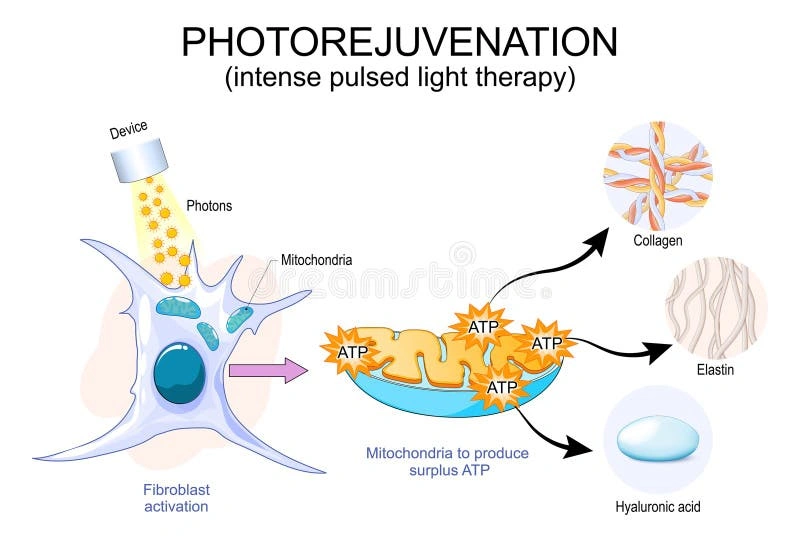
Image Source: Dreamstime.com
Innovation 1: Mitochondrial Skin Health and ATP Synthesis Boost
How Mitochondria Power Skin Cell Function
Mitochondria function as the energy centers of our cells and produce adenosine triphosphate through a process called oxidative phosphorylation. A mitochondrion generates up to 38 molecules of ATP from one molecule of glucose using the equation: 1 Glucose + 6 O2 → 6 CO2 + 6 H2O + 38 ATP [1]. This aerobic respiratory process fuels all vital cellular functions, from metabolism and molecule synthesis to cellular growth, division, differentiation, defense, and repair [1].
Mitochondrial integrity sustains fibroblast-driven collagen synthesis, keratinocyte proliferation, melanocyte homeostasis, and wound repair in skin tissue [2]. The skin maintains constant regeneration through epidermal progenitor cells that possess high proliferation and metabolic activity. These cells rely on ATP to satisfy their energy requirements [2]. Skin maintains its structure, hydration, and resilience more effectively when mitochondrial function operates at its best [3].
Mitochondria also serve as the cell’s danger response sensors. They detect stress conditions like reactive oxygen species and modulate cell defense [1]. They release molecules like acetyl-CoA, ATP, and NAD+ to maintain cellular redox balance and avoid oxidative damage [1]. Mitochondrial DNA accumulates both point mutations and large-scale deletions during aging, most notably the 4,977 bp ‘common deletion’ which removes key genes encoding subunits of complexes I, IV, and V [2]. This loss impairs oxidative phosphorylation, reduces ATP production, and increases ROS generation [2].
Overproduction of mitochondrial reactive oxygen species leads to redox imbalance, reduced ATP synthesis, and mtDNA damage. This results in impaired cellular metabolism and mitochondrial integrity [4]. These changes contribute to barrier disruption, inflammation, reduced regenerative capacity, and hair loss at the tissue level [4]. Photoexposed areas exhibit higher mtDNA deletion loads and reduced copy numbers compared to protected sites. This correlates with decreased collagen synthesis and dermal elasticity [2].
ATP-Boosting Ingredients in 2026 Formulations
Niacinamide supports NAD+-dependent energy metabolism and redox balance in cells. These functions remain essential to maintain cellular resilience under oxidative and inflammatory stress [4]. Evidence indicates that niacinamide contributes to DNA repair processes and alleviates oxidative damage. These mechanisms underpin its widespread application in dermo-cosmetic formulations designed to support skin regeneration and recovery in aging and photodamaged skin [4].
Topical ATP itself has emerged as a direct intervention strategy. Skin cells can absorb ATP when applied to skin, and it undergoes hydrolysis that breaks it down into adenosine diphosphate and inorganic phosphate [5]. This breakdown releases energy that cells use to fuel essential metabolic processes like protein synthesis, cell repair, and collagen production [5]. ATP has proven beneficial by stimulating keratinocyte differentiation and activation of protein and cell-signaling pathways. This links it to increased cellular energy even with topical application [5].
Advanced liposomal delivery systems have encapsulated stabilized ATP and can penetrate the skin barrier to deliver cellular energy directly [5]. This patented ATPv technology addresses declining ATP levels with age, when skin loses its capacity to repair, regenerate, and maintain elasticity [5]. Products now incorporate ATP concentrations ranging from 1% to 4%. These percentages remain active when combined with other ingredients like peptides and niacinamide [6].
Antioxidants like vitamin C, vitamin E, and polyphenols help protect mitochondrial structures from damage by reducing oxidative stress and supporting cellular energy pathways [3]. Mitochondria-directed antioxidants such as melatonin and coenzyme Q10, along with NAD+ boosters, boost mitochondrial homeostasis while improving collagen synthesis, pigmentation balance, and re-epithelialization [2].
Clinical Evidence for Mitochondrial Rejuvenation
Multiple studies demonstrate that skin maintains its capacity to behave like ‘young’ skin when mitochondrial function is optimal. It remains resilient and capable of proper self-repair [3]. Many bioactive compounds have been identified that improve mitochondrial functions and prove effective against aged and diseased skin [2].
Early translational and clinical studies indicate that mitochondria-targeted interventions protect against UV-induced mitochondrial DNA damage, reduce oxidative stress, and improve cutaneous structure and function [2]. Red and near-infrared photobiomodulation increases electron-transport-chain activity, boosts ATP synthesis, and modulates ROS and nitric oxide signaling [5]. Cytochrome c oxidase and other mitochondrial chromophores absorb these wavelengths. This leads to increased ATP production [5].
Clinical formulations have demonstrated measurable outcomes. Venuceane, a ferment rich in enzymes from Thermus thermophillus, provides protection against infrared and increases ATP synthesis. It boosts mitochondrial water content by 123% to promote skin hydration [1]. Other marine biotechnology extracts protect mitochondria against pollution-induced damage by reducing oxidative stress, maintaining mitochondrial membrane potential, and boosting cellular respiration and energy production [1].
Mitochondrial dynamics, the balance of fusion and fission processes, proves critical for proper functioning [1]. An imbalance increases oxidative stress and reduces fusion. This promotes isolated inactive forms of mitochondria and decreases energy production by 5 to 8% per decade [1]. So ingredients that restore mitochondrial dynamism and stimulate biogenesis via upregulation of PGC-1α and TFAM represent the advanced edge of Metabolic Beauty. They increase mtDNA copy number and respiratory chain protein expression while boosting respiratory capacity [5].
Innovation 2: NAD+ Boosters for Cellular Bio-energetics
State-of-the-Art 2: NAD+ Boosters for Cellular Bio-energetics
Understanding NAD+ Decline and Skin Aging
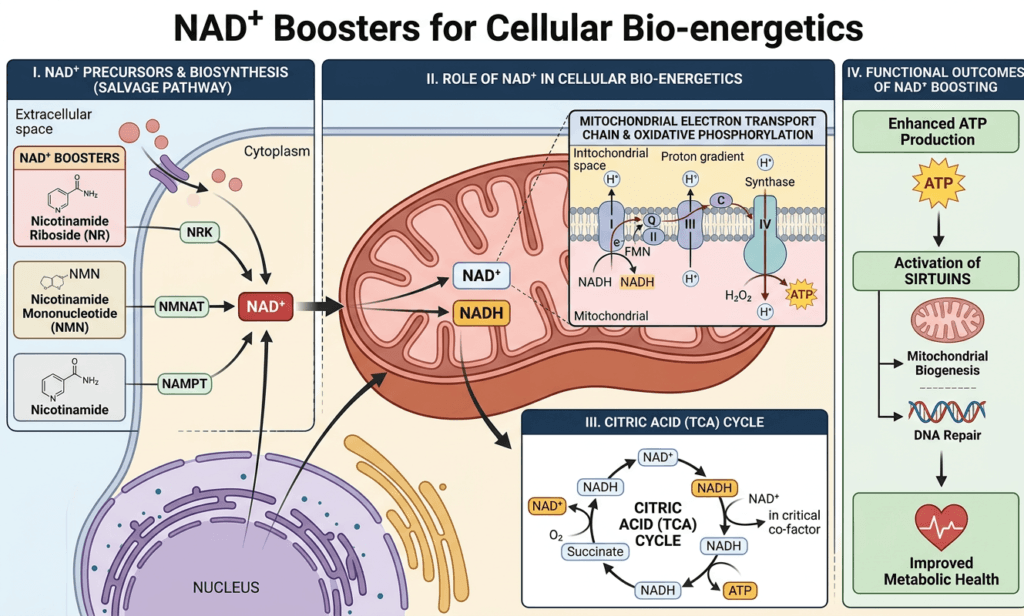
Nicotinamide adenine dinucleotide, or NAD+, functions as a coenzyme integral to mitochondrial activity and cellular energy production [2]. NAD+ makes the conversion of food into cellular energy. It regulates DNA repair processes, manages oxidative stress, and maintains mitochondrial respiration [2]. The molecule also sustains epidermal structure and supports DNA restoration following UV exposure. It regulates inflammatory pathways within skin tissue [2].
NAD+ peaks naturally during early adulthood and then declines over time [2]. Levels can drop by nearly 50% compared to youth by midlife [2] [7]. Cells have less energy to repair damage, renew themselves, and maintain a strong barrier because of this reduction [2]. The result shows as duller skin and more noticeable fine lines. Resilience against daily stressors decreases [2].
Several mechanisms contribute to this age-related decline. Increased oxidative stress and chronic inflammation dysregulate NAD+ metabolism. They activate CD38 and PARPs, enzymes that break down NAD+ [8]. A vicious cycle emerges. Senescent cells have stopped growing and dividing. They induce inflammation that activates CD38 on immune cells [9]. This activation breaks down NAD+ and, in turn, activates more senescent cells. The process spirals out of control [9]. CD38 appears to have the biggest contribution to NAD+ depletion during aging because of this cycle [9].
Environmental stressors deplete NAD+ further. Excess sun exposure, smoke, and pollution activate PARPs to repair DNA. This reduces NAD+ availability for sirtuins and limits their protective functions [2]. Low NAD+ levels accelerate cellular senescence by reducing SIRT1 activity. The epidermis thins and barrier function decreases [2]. Cells cannot produce cellular energy efficiently without adequate NAD+. This causes mitochondrial dysfunction and metabolic failure [9].
Topical and Ingestible NAD+ Precursors
NAD+ itself presents absorption challenges. The molecule is large and unstable. Skin penetration becomes difficult when applied topically [2] [2]. Formulations incorporate NAD+ precursors instead. These boost the skin’s capacity to synthesize NAD+ intracellularly [2]. These precursor-driven products can promote cellular renewal and resilience at the skin surface when well designed [2].
The most effective forms for aging skin include NAD+ itself and precursors like NMN (nicotinamide mononucleotide) and NR (nicotinamide riboside) [2]. These molecules support cellular energy, repair, and skin longevity [2]. Niacinamide happens to be one of the most effective NAD+ precursors. The skin converts it into NAD+ [2]. A 2022 study found that sunflower-sprout extract increased cellular ATP production and protected DNA from damage by UV rays. The extract increased an enzyme that helps cells recycle NAD+ [2].
The salvage pathway acts as the body’s NAD+ recycling system. It handles around 85% of all NAD+ production [7]. The pathway converts niacinamide into NMN, which then becomes NAD+ [7]. NR enters this pathway and becomes NMN before converting to NAD+ [7]. Recent studies revealed a specific amino acid and polyamine transporter very selective for NMN. This allows NMN to enter cells without first becoming NR [7]. Concentrations of this transporter in gut tissue appear to increase with age. The body attempts to get extra NMN from food to compensate for deteriorating NAD+ levels [7].
Research in fibroblasts showed that quercetin and enoxolone worked together to boost the bioavailability of exogenous NAD+. They lifted cellular NAD+ levels by inhibiting CD38 expression [7]. Exogenous NAD+ at 20 ppm increased the cellular NAD+/NADH ratio from 3.79 to 4.84, a 1.28-fold increase [7]. Co-treatment with quercetin and enoxolone increased this ratio to 9.91. This represented a 2.04-fold increase compared to control [7].
Nicotinamide riboside offers unique advantages for oral supplementation. High doses of niacinamide can inhibit sirtuins, but NR activates these enzymes [2]. Oral supplementation with 500 mg of nicotinamide boosted blood NAD+ levels between 12 and 48 hours after administration [10]. NR appears safe and well-tolerated at doses up to 2,000mg per day. NMN shows similar safety at doses up to 1,200mg per day [7].
Measuring NAD+ Impact on Skin Longevity
Clinical evidence supports both topical and oral NAD+ boosting strategies. NR supplementation increased NAD+ levels in skin and reduced fibrosis in a mouse model of systemic sclerosis. Skin thickness and collagen accumulation improved [2]. Other studies in aged mice showed that NR boosts skin repair and reduces DNA damage. It reduces UVB-induced injury and accelerates wound healing [2].
A topical application of small extracellular vesicles loaded with NR, NAD+, and resveratrol improved skin moisture by 19%. Elasticity increased by 104% and mean pore volume reduced by 51% [2]. These loaded vesicles reduced oxidative stress more than individual ingredients alone in cultured human skin cells exposed to UVB [2].
An oral supplement containing NR, grape seed extract, vitamin C, vitamin E, and rosehip extract improved facial skin in female participants over 28 days. Moisture, firmness, spot-fading, and smoothing improved with reduced wrinkle appearance [2]. More than 88% of participants reported improvements in skin recovery and daily energy and mood [2].
Oral NMN administration over 10 weeks in a UV-B exposure model showed dose-dependent improvement in skin barrier function. All NMN-treated groups expressed a reduction in transepidermal water loss [10]. Dorsal skin tissues showed reduced expression of TNF-α, IL-6, and matrix metalloproteinase-1 after 10 weeks. Hyaluronan synthase activity increased [10].
NAD+ supplementation appears safe for most people according to current research. Nausea, headaches, and digestive upset may occur at higher doses [11]. NAD+ is gentle enough for those with sensitive skin [2]. These findings position NAD+ boosters as a promising strategy within the broader Metabolic Beauty framework. They support skin health at the cellular level.
Innovation 3: Sirtuin Activation for Metabolic Pathway Optimization
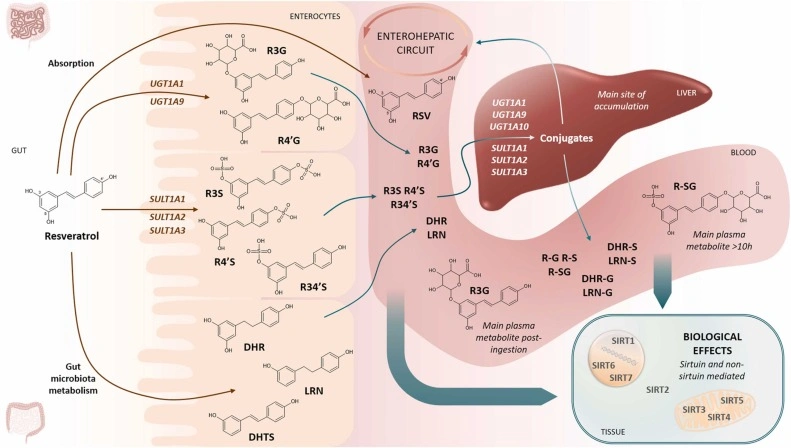
Image Source: ScienceDirect.com
Breakthrough 3: Sirtuin Activation for Metabolic Pathway Optimization
What Sirtuins Do for Skin Resilience
Sirtuins are NAD+-dependent protein deacylases that function as key metabolic regulators, consuming one molecule of NAD+ during each deacylation cycle [12]. Mammals possess seven sirtuins named SIRT1 through SIRT7. Each operates in distinct cellular locations to regulate metabolism in non-redundant ways across many tissues [12]. SIRT1, SIRT6, and SIRT7 localize in the nucleus where they deacetylate histones and influence gene expression through epigenetic mechanisms. SIRT1 also deacetylates specific transcription factors and enzymes to modulate their activities [12].
SIRT1 is expressed in the lower epidermis, upper dermis, and dermal-epidermal junction [7]. Research demonstrates that SIRT1 levels in skin decline after age 40, contributing to reduced resilience, elasticity, and cellular repair capacity [10]. This age-dependent downregulation associates with total fibroblast amount and proliferative activity, potentially driving the development of visible skin aging symptoms [7]. Aged fibroblasts lose metabolic and replicative activity. This leads to imbalanced extracellular matrix turnover with decreased collagen, elastin, and hyaluronic acid content [7].
Photoaging reveals SIRT1’s significant role through the inhibition of matrix metalloproteinases and subsequent prevention of collagen degradation [13]. All but one of these 19 MMPs produced in skin—MMP-1, MMP-3, and MMP-9—are responsible for the majority of UV radiation responses [10]. SIRT1 reduces this damage through three distinct mechanisms: deacetylation of FOXO3a leading to suppression of oxidative stress, interaction with p53 to suppress UVB-induced p53 acetylation, and blunting the MMP response [10]. Excessive UV exposure lowers SIRT1 levels in dermal fibroblasts and results in increased acetylated proteins [10].
SIRT1 also regulates filaggrin expression, which proves vital for maintaining epidermal barrier function [7]. The enzyme increases nucleotide excision repair pathways through XPA deacetylation and promotes interaction between XPA and ATR [7]. SIRT1 overexpression improves oxidative stress resistance via FOXO3α-promoted upregulation of superoxide dismutase 2 and catalase [7]. SIRT1 may serve as a marker of active fibroblast function and verify antiaging cosmetic ingredient effectiveness down the road [7].
Resveratrol and Next-Generation Sirtuin Activators
Resveratrol activates sirtuin 1, an enzyme that regulates cellular functions, including aging, inflammation, and detoxification, but decreases in expression as a result of aging [14]. Resveratrol stands out for knowing how to activate both sirtuin and splicing factor expression in skin cells, which remains rather rare among antioxidants [14]. Resveratrol exhibits antiaging activity by decreasing MMP1 and MMP9 levels, inhibiting their catalytic activity, and increasing Nrf2 and heme oxygenase 1 levels to reduce oxidative stress and inflammation [14].
High-throughput screening and medicinal chemistry efforts have identified more than 14,000 sirtuin-activating compounds from a dozen chemical classes, including stilbenes like resveratrol, chalcones like butein, and flavones like quercetin from plants [7]. Synthetic STACs include imidazothiazoles such as SRT1720, thiazolopyridines, benzimidazoles, and bridged ureas [7]. The next generation of STACs proved structurally unrelated to resveratrol and emerged from high-throughput screening, yielding molecules 10-fold more potent than resveratrol in cellular assays [10]. Methods using fluorescence polarization and mass spectrometry identified compounds up to 1000-fold more potent than resveratrol after that [10].
SRT1720 extended lifespan, improved metabolic and inflammatory markers, and delayed the onset of age-related pathologies in adult mice fed high-fat or standard diets [10]. STACs can extend mouse lifespan by up to 15%, even when given at 1 year of age [7]. Lifelong SRT2104 supplementation beginning at 6 months extended the mean lifespan of male mice fed a standard diet by 9.7% and increased maximal lifespan by 4.9% [7].
Selective activators for other sirtuin isoforms are emerging beyond SIRT1 [10]. ADTL-SA1215, an allosteric SIRT3 activator, increased SIRT3 deacetylase activity two-fold and decreased acetylation of manganese superoxide dismutase in breast cancer cell lines [10]. SIRT3 protects against UV-induced senescence through an A2AR/SIRT3/AMPK-mediated autophagy pathway and improved SOD2 activity [10]. Caffeine exhibits direct SIRT3-activating effects and prevents collagen degradation in UV-irradiated mouse skin [10].
Combining Sirtuins with Other Metabolic Actives
Sirtuin activators work together within Metabolic Beauty protocols when combined with NAD+ precursors. AMPK activates expression of the NAD biosynthetic enzyme NAMPT, linking these two significant energy-sensing pathways [13]. Resveratrol treatment stimulates mitochondrial function, activates AMPK, and increases NAD+ levels through SIRT1-dependent mechanisms in mice [7]. This creates a model of sustained sirtuin activation via resveratrol treatment that results in net accumulation of NAD+ [7].
Research demonstrates that combined SIRT1, SIRT3, and SIRT6 activation allows examination of multiple aging mechanisms at once [14]. SIRT1 supports nuclear processes while SIRT3 operates within mitochondria, where age-related decline is well documented, and SIRT6 associates with DNA stability [14]. Using all three together creates what researchers describe as an integrated approach to cellular aging that strengthens the skin barrier and maintains resilience [14].
Cosmetic and pharmaceutical companies are already marketing both sirtuin-activating and antiglycation products [15]. These antiaging approaches receive backing from scientific research, with ingredients supported by proof-of-concept studies, although clinical trials often remain lacking [15]. This bench-to-beauty-counter approach represents an industry standard for Metabolic Beauty breakthroughs [15].
Innovation 4: Autophagy-Inducing Ingredients in Dermatology
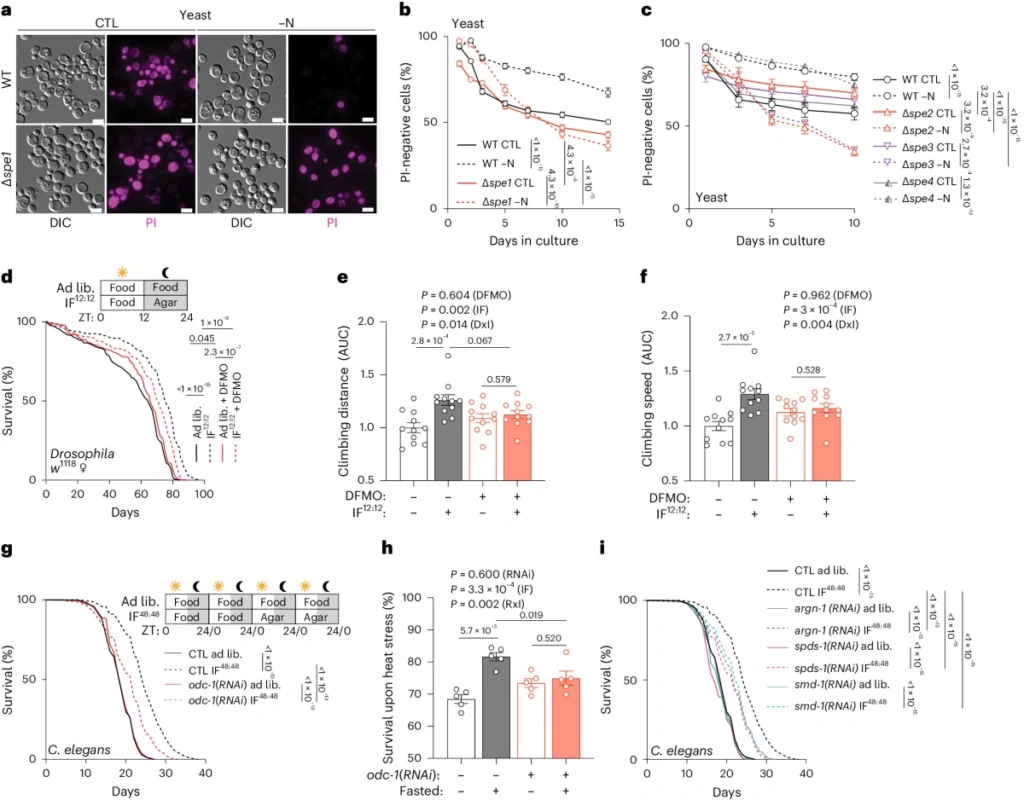
Image Source: Nature
State-of-the-art 4: Autophagy-Inducing Ingredients in Dermatology
Cellular Cleanup and Skin Renewal
Autophagy represents your body’s internal recycling system. Cells break down damaged components and cellular debris through a process where they consume themselves to regenerate. This cellular autophagy is responsible for signaling pathways regarding skin homeostasis in keratinocytes, melanocytes, and fibroblast cells [16]. Autophagosomes engulf and degrade cellular components. Damaged organelles that fail to be removed by these structures have been linked to various pathologies [10].
Autophagy maintains skin homeostasis through coordinated mechanisms. Researchers have documented the desynchrony of autophagy with age in skin fibroblasts by monitoring gene expression of the marker LC3B and PER2 [7]. A 77.9% reduction in autophagy occurs in synchronized aged normal human skin fibroblasts compared to young fibroblasts. This was determined by reverse transcription-polymerase chain reaction for LC3B expression, a microtubule-associated protein associated with late-stage autophagosome formation [10].
Exposure to ultraviolet radiation induces autophagosome formation and upregulates autophagy markers. This suggests that dysregulation of autophagy contributes to the initiation of dermatological disorders [17]. Under skin photoaging conditions, autophagy activates in response to excessive production of reactive oxygen species. The process breaks down and eliminates oxidized lipids and proteins to prevent ROS accumulation [17]. Excessive ROS accumulation inhibits autophagy and decreases its clearance efficiency in photoaging skin cells. This exacerbates oxidative damage and contributes to roughness, wrinkles, and hyperpigmentation [17].
Spermidine and Fasting-Mimetic Compounds
Spermidine functions as a natural polyamine that stimulates cytoprotective autophagy [18]. This compound induces autophagy and decreases in neurodegenerative diseases [19]. Fasting uniformly increases polyamine content across multiple species. Human volunteers undergoing long-term therapeutic fasting with a daily caloric intake of about 250 kcal under clinical supervision for 7 to 13 days showed substantial increases in serum spermidine levels independent of age and body mass index [20].
Fasting-mimicking diets activate autophagy and promote stem cell-based regenerations in multiple tissues. They reduce risk factors associated with age-related diseases [12]. These diets initiate cellular and systemic reprogramming through downregulation of pro-growth signaling and activation of cellular protection mechanisms [12]. Studies show measurable improvements in skin hydration and appearance after following fasting-mimicking protocols. Participants experienced better skin elasticity and reduced signs of aging [12].
Autophagy Timing and Circadian Considerations
Researchers harvested synchronized and unsynchronized cells over time. They measured a nighttime peak in autophagy present in young fibroblasts but absent in aged fibroblasts [10]. Circadian rhythm controls sleep, and autophagy response begins when sleep extends beyond one and a half sleep cycles [16]. Autophagy maintains close links to circadian rhythms. The desynchrony of autophagy increases with age [7].
Ultraviolet A exposure at 10 J/cm2 partially reactivated autophagy in aged cells. But this increase was phase-shifted earlier from its endogenous temporal pattern due to loss of synchronization with the circadian rhythm [10]. This finding suggests that autophagy-inducing ingredients may need time-specific application protocols to maximize their effectiveness within Metabolic Beauty frameworks.
Innovation 5: Glycation Prevention and Redox Balance Solutions
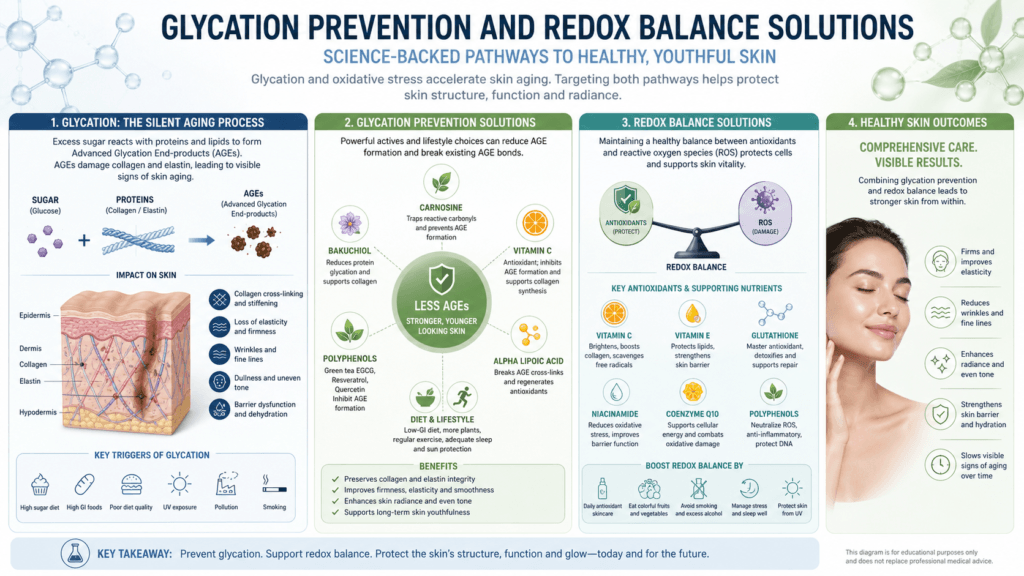
Advanced Glycation End Products (AGEs) and Skin Damage
Glycation does not occur largely in the dermis before age 35, but once it begins, along with intrinsic aging, it progresses faster [13]. This non-enzymatic process starts when the D-glucopyranose ring opens in watery fluids. The aldehyde can then react with amino groups on proteins and hook sugar molecules onto structural proteins [13]. AGEs bind tightly to collagen and elastin. They bind more to elastin and create tangled masses of elastotic material in the upper dermis that consists of abnormal elastin fibers and protein associated with sun damage [13].
These cross-linked collagens cause skin stiffness and loss of elasticity [13]. AGEs also perturb cellular function by binding to RAGE receptors on macrophages and endothelial cells [13]. RAGE receptors act as toll-like receptors that initiate cellular signaling programs. This includes activation of NF-κB, a major inflammatory agent suspected in aging [13]. Two problematic carbonyls, methylglyoxal and glyoxal, interfere with DNA directly [13]. Glyoxal produces DNA strand breaks. Methylglyoxal causes DNA protein cross-linking that results in nuclear condensation and inactivation of some DNA sections [13].
Carnosine and Anti-Glycation Peptides
Carnosine, a dipeptide consisting of alanine and histidine, reacts with small carbonyl compounds such as aldehydes and ketones. This protects macromolecules against their cross-linking actions [13]. Topically applied carnosine in aqueous solution reduced carboxymethyl-lysine by 64% and 41% in epidermis and reticular dermis, respectively. Pentosidine reductions were 48% and 42% [21]. A novel facial cream containing carnosine showed even more antiglycation effects. CML was reduced by 150% and 122%, with pentosidine reductions of 108% and 136% in epidermis and reticular dermis [21].
Maintaining Cellular Redox Balance
Skin possesses a sophisticated antioxidant defense system. This comprises catalase and SOD enzymes [22]. The NADPH/NADP+ ratio serves as an important index that reflects cellular redox status. NADPH is generated by glucose-6-phosphate dehydrogenase and isocitrate dehydrogenases [22]. A newly synthesized antioxidant with autophagy-stimulating activity exhibited significant anti-glycation efficacy in both in vitro and clinical studies [23].
Bioactive Metabolites for AGE Reversal
Carotenoid-rich Haematococcus pluvialis extract, the richest natural source of astaxanthin, reduces oxidative stress and inflammatory signaling that promote AGE formation [24]. Natura-Tec Marine BlueInfinity showed up to 63.3% AGE reduction at 2% concentration in dermal fibroblasts exposed to repeated UV [24]. This positions bioactive metabolites as significant elements within Metabolic Beauty protocols for addressing glycation at multiple intervention points.
Innovation 6: Epigenetic Skincare and Mitochondrial DNA Repair
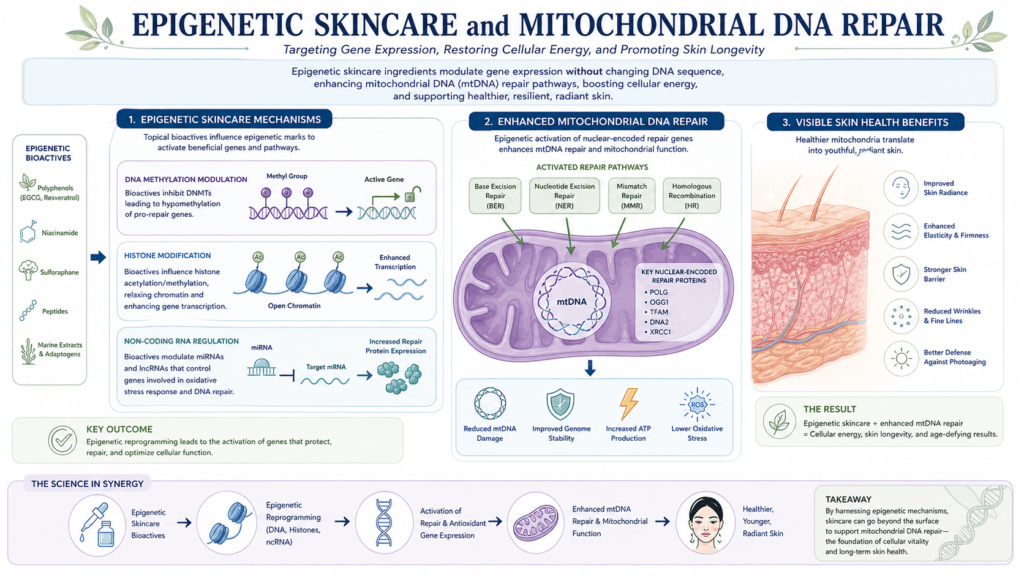
How Epigenetic Signals Control Skin Aging
Epigenetic mechanisms regulate skin homeostasis and regeneration, but they also mark cell senescence and natural aging processes [16]. These chemical modifications influence gene activity without changing the DNA sequence itself. They affect skin barrier function, inflammation, and repair [25]. Epigenetic regulatory networks consist of three major events: DNA modifications, histone modifications, and recruitment of higher-order chromatin remodelers [16].
Chromatin remodeling and histone post-translational modifications prove critical for the recruitment and activation of DNA repair pathways. They maintain genomic integrity [16]. SIRT1 deacetylates histones H1, H3 and H4. It regulates the acetylation status of transcription factors, DNA repair proteins like PARP1, and NER factors [16]. SIRT1 works in concert with p63 to regulate keratinocyte proliferation. It maintains epidermal progenitor cells by inhibiting cell senescence [16].
UV radiation triggers epigenetic alterations that influence gene expression. Chronic exposure modifies methylation patterns in genes responsible for tumor suppression and cell cycle control [25]. Epigenetic control during aging proves fundamental to ensuring skin homeostasis and preventing cellular senescence, especially in stem cells [26].
DNA Repair Enzymes and Photolyase Technology
Photolyase uses energy from blue light to repair damaged DNA faster by catalyzing electron transfer. This splits the cyclobutane ring in damaged DNA without creating strand break intermediates [18]. T4 endonuclease V recognizes UV-induced cyclobutane pyrimidine dimers and catalyzes two reactions: glycosylase releases thymine and causes an apurinic site, followed by AP lyase that incises the phosphodiester backbone [18].
Clinical studies demonstrate photolyase applied to UVB-irradiated volunteers and subsequently exposed to photoreactivating light. CPDs decreased by 40 to 45% [18]. Photolyase in a sunscreen formula, followed by UV over one week, reduced CPDs by 93% compared to 62% reduction by sunscreen alone [18]. Products like Eryfotona AK-NMSC contain DNA Repairsomes with photolyase encapsulated in liposomes. Field cancerization showed improvement after four weeks of twice-daily application [19].
Protecting Mitochondrial DNA Integrity
Mitochondrial DNA has particular characteristics: it’s smaller than cellular DNA and less protected due to lacking a nuclear membrane. It possesses fewer repair systems [20]. Overproduction of mitochondrial reactive oxygen species leads to mtDNA damage. This results in impaired cellular metabolism and mitochondrial integrity [4]. Topical SPF formulations reduce UV-induced mitochondrial DNA damage [27]. Active ingredients like Roxisomes repair both nuclear and mitochondrial DNA. They reduce mitochondrial damage by 30% [28].
Innovation 7: Circadian Rhythm Resynchronization and Adaptive Skincare Technology
Image Source: Content Beauty & Wellbeing
Breakthrough 7: Circadian Rhythm Resynchronization and Adaptive Skincare Technology
Chrono-biology and Time-Specific Skin Needs
Your skin operates on a 24-hour internal clock. Environmental cues regulate this clock and include light, temperature, hormones, and metabolic rhythms driven by food-intake patterns [29]. This system keeps skin resilient by day and regenerative at night when synchronized, but disruption from stress, jet lag, or irregular sleep slows repair, raises inflammation, and accelerates aging [12].
Clock genes control this rhythm. High CLOCK/BMAL1 expression during morning hours upregulates antioxidant defense and increases sebum production to strengthen the barrier [12]. PER and CRY gene transcription increases by the time evening arrives and prepares the transition toward repair mode [12]. Cellular division in the basal epidermis peaks between midnight and 4:00 AM, when new skin cells are generated [30]. Keratinocyte proliferation accelerates up to 30 times more at night compared to noon [31].
Circadian-Aligned Product Delivery Systems
Chronocosmetics synchronize active ingredient delivery with biological timing [12]. Chrono-encapsulation uses polymers or lipid vesicles that respond to light, temperature, or pH cues and trigger active release when skin physiology proves most receptive [32]. Morning bursts deliver UV defense molecules, while evening diffusion dispenses peptides and ceramides [32]. Tripeptide-32 boosts PER-1 expression to help skin cells reset their clocks and optimize nighttime repair [31].
Bio-hacking Beauty Trends for Customized Protocols
The pipeline is moving inside the cell. Is your brand keeping up? The 2026 market is no longer satisfied with surface-level fixes; they want the bio-energetic power of Metabolic Beauty. Partner with CL Cosmetic Industries to lead this cellular revolution!
Bio-adaptive formulas respond to the environment or circadian rhythm through AI-powered diagnostics and pH-adjusting serums [33]. Biohacking skincare applies analytical protocols that combine professional modalities with lifestyle triggers [34] and integrates wearables like Oura Ring to interpret how sleep or stress presents on skin [35].
Conclusion
Metabolic Beauty represents a fundamental move in how we approach skin health. It goes beyond topical corrections to cellular bio-energetics. Seven innovations work together to address aging at its metabolic source, especially when you have mitochondrial enhancement, NAD+ restoration, and circadian resynchronization. The results speak for themselves. Improved ATP synthesis and reduced glycation translate into visibly healthier skin that is more resilient. Improved autophagy and restored DNA integrity add to these benefits. The innovation pipeline is moving inside the cell. Is your brand keeping up? The 2026 market is no longer satisfied with surface-level fixes. They want the bio-energetic power of Metabolic Beauty. CL Cosmetic Industries can help you lead this cellular revolution!
Key Takeaways
Metabolic Beauty represents the future of skincare by targeting cellular energy production and repair mechanisms rather than just surface-level esthetics.
• Mitochondrial enhancement with ATP-boosting ingredients like niacinamide and stabilized ATP directly fuels cellular repair and collagen synthesis
• NAD+ precursors, including NMN and nicotinamide riboside, restore cellular energy production that naturally declines 50% by midlife
• Sirtuin activators like resveratrol optimize metabolic pathways and reduce UV-induced collagen degradation through enhanced DNA repair
• Autophagy-inducing compounds such as spermidine activate cellular cleanup systems that remove damaged proteins and organelles
• Anti-glycation peptides like carnosine prevent sugar-protein cross-linking that causes skin stiffness and accelerated aging
• Circadian-aligned delivery systems synchronize active ingredients with the skin’s natural 24-hour repair cycles for maximum effectiveness
These innovations work synergistically to address aging at its metabolic source, delivering measurably improved skin resilience, barrier function, and longevity. The 2026 beauty market demands cellular-level solutions that go beyond traditional cosmetic approaches to deliver genuine bio-energetic transformation.
FAQs
Q1. What is Metabolic Beauty, and how does it differ from traditional skincare? Metabolic Beauty represents a fundamental shift from surface-level cosmetic treatments to cellular-level interventions that target the root causes of skin aging. Rather than simply correcting visible signs of aging, this approach focuses on enhancing cellular energy production, DNA repair, and metabolic pathways within skin cells. It works by supporting mitochondrial function, boosting NAD+ levels, activating sirtuins, and optimizing cellular cleanup processes to promote genuine skin health from within.
Q2. How do NAD+ boosters improve skin aging, and what forms are most effective? NAD+ is a crucial coenzyme that powers cellular energy production and DNA repair, but levels decline by nearly 50% by midlife. This reduction leads to decreased cellular repair capacity, resulting in duller skin, fine lines, and weakened barrier function. The most effective forms include NAD+ precursors like NMN (nicotinamide mononucleotide), NR (nicotinamide riboside), and niacinamide, which the skin can convert into NAD+. These precursors are more effective than NAD+ itself because they penetrate cells more easily and support the body’s natural NAD+ synthesis pathways.
Q3. What role do mitochondria play in skin health, and how can ATP-boosting ingredients help? Mitochondria function as cellular powerhouses, producing ATP energy that fuels all vital skin functions, including collagen synthesis, cell regeneration, and wound repair. When mitochondrial function declines with age, skin loses its ability to repair damage and maintain structure. ATP-boosting ingredients like niacinamide, stabilized ATP in liposomal delivery systems, and antioxidants such as coenzyme Q10 directly support mitochondrial energy production, helping skin maintain its resilience, elasticity, and repair capacity.
Q4. How does glycation damage skin, and what ingredients can prevent it? Glycation occurs when sugar molecules bind to collagen and elastin proteins, creating stiff cross-links called Advanced Glycation End Products (AGEs) that cause skin to lose elasticity and develop wrinkles. This process accelerates after age 35 and is worsened by UV exposure and high sugar intake. Carnosine, a dipeptide that reacts with damaging carbonyl compounds, has been shown to reduce AGE markers by up to 150% in clinical studies. Other effective anti-glycation ingredients include astaxanthin-rich extracts and specialized antioxidants that maintain cellular redox balance.
Q5. Why is circadian rhythm important for skincare, and how can products be aligned with it? Skin operates on a 24-hour biological clock where different processes dominate at different times. Antioxidant defense and barrier protection peak during the day, while cellular repair and regeneration accelerate at night (up to 30 times faster than during the day). Disruption of this rhythm from stress, irregular sleep, or jet lag slows repair and accelerates aging. Chronocosmetics use time-release delivery systems that synchronize active ingredient release with the skin’s natural rhythms, delivering UV protection in the morning and repair peptides at night when cells are most receptive to regeneration.
References
[1] – https://www.crodabeauty.com/en-gb/resources/blog/skin-energy-from-anti-aging-to-longevity-claims
[2] – https://www.aboutnad.com/blogs/blog/can-increasing-nad-support-skin-health-aging
[3] – https://www.voguearabia.com/article/mitochondria-trending-skincare
[4] – https://www.mdpi.com/2079-9284/13/1/7
[5] – https://www.mdpi.com/1422-0067/27/5/2201
[6] – https://www.professionalbeauty.com.au/beauty/skincare/what-is-adenosine-triphosphate-atp/
[7] – https://www.mdpi.com/1422-0067/24/6/5635
[8] – https://pmc.ncbi.nlm.nih.gov/articles/PMC9917998/
[9] – https://www.nad.com/news/agings-vicious-cycle-senescence-inflammation-and-nad-depletion
[10] – https://pubmed.ncbi.nlm.nih.gov/27319057/
[11] – https://health.clevelandclinic.org/nad-supplement
[12] – https://www.crodabeauty.com/en-gb/trends/neurocosmetics/skin-chronobiology
[13] – https://www.cosmeticsandtoiletries.com/research/literature-data/article/21837006/glycation-and-skin-aging-a-review
[14] – https://www.nutraingredients.com/Article/2025/12/04/are-sirt1-sirt3-and-sirt6-the-skins-anti-aging-trinity/
[15] – https://pubmed.ncbi.nlm.nih.gov/21925370/
[16] – https://pmc.ncbi.nlm.nih.gov/articles/PMC6315602/
[17] – https://journals.lww.com/md-journal/fulltext/2024/02230/role_of_autophagy_in_skin_photoaging__a_narrative.71.aspx
[18] – https://pmc.ncbi.nlm.nih.gov/articles/PMC6718248/
[19] – https://www.longdom.org/open-access/field-cancerisation-improvement-with-topical-application-of-a-filmforming-medical-device-containing-photolyase-and-uv-fi-9596.html
[20] – https://www.premiumbeautynews.com/en/anti-aging-protection-strategies,5347
[21] – https://pubmed.ncbi.nlm.nih.gov/30199874/
[22] – https://pmc.ncbi.nlm.nih.gov/articles/PMC3676777/
[23] – https://pmc.ncbi.nlm.nih.gov/articles/PMC12087425/
[24] – https://www.deverauxspecialties.com/blog/anti-glycation-skincare-the-missing-link-in-photo-aging-protection/
[25] – https://www.london-dermatology-center.co.uk/blog/epigenetics-skin-disease/
[26] – https://www.sciencedirect.com/science/article/pii/S0753332224004761
[27] – https://www.deverauxspecialties.com/blog/mitochondria-under-fire-how-uv-radiation-accelerates-skin-aging-at-the-cellular-core/
[28] – https://cantabrialabs.co.uk/blogs/expert-advice/dna-repair-enzymes-what-are-they-and-how-do-they-help-the-skin?srsltid=AfmBOoqcvw60sVX8D2ovwB5MBmqSD7HMROcNoJaVLvzrYzuRrCv-IKuV
[29] – https://pmc.ncbi.nlm.nih.gov/articles/PMC8515909/
[30] – https://www.divinewellnessaesthetics.org/post/beauty-and-the-bio-clock-how-circadian-rhythms-affect-skin-repair-and-treatment-timing-for-salem-pa
[31] – https://www.nature.com/articles/d42473-025-00151-5
[32] – https://grandingredients.com/chronocosmetics-circadian-skincare-2026/
[33] – https://www.skincare.com/expert-advice/ask-the-expert/2026-skincare-trends
[34] – https://vexxskincare.com/blogs/skincare-tips-and-tricks/biohacking-your-skin-how-personalized-laser-and-electrolysis-protocols-are-reshaping-skincare?srsltid=AfmBOoo3jn4WqjwcYl8lWvdfqZ4C_UcrMSnlDR0k5_Rrr3ZYBTGYJKBR
[35] – https://circadia.com.au/blogs/articles/beauty-meets-biohacking-the-next-evolution-for-skin-professionals