
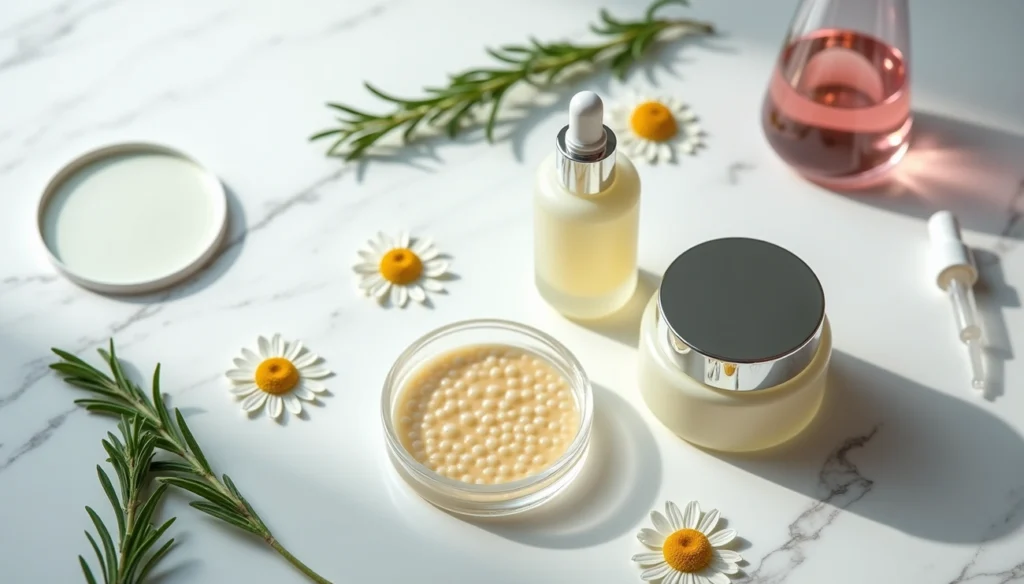
Probiotic Cosmetics are projected to reach USD 880 million by 2034, growing at a CAGR of 7.08%. Even more striking, 68% of consumers seek products described as “clean”.
So brands capitalizing on skin microbiome science are seeing strong returns. The challenge? Most companies lack a systematic approach to capture this chance.
We’ve identified seven proven strategies that successful brands use to dominate this space. From clinical validation to advanced probiotic manufacturing 2026 breakthroughs, these tactics will help you build credibility and reach new markets. You’ll deliver microbiome-friendly skincare that converts browsers into loyal customers.
Strategy 1: Leverage Clinical Validation for Market Credibility
Scientific backing separates successful probiotic cosmetics from products that fade into obscurity. Consumers just need proof. Clinical confirmation provides the evidence needed to establish market credibility and justify premium pricing.
Commission Independent Studies on Anti-Inflammatory Skincare Benefits
Independent clinical trials form the foundation of credible anti-inflammatory skincare claims. Research shows that both oral and topical probiotics reduce acne lesions and improve skin barrier function while decreasing inflammatory markers [1]. These studies confirm the mechanism behind microbiome-friendly skincare products.
Topical application of specific probiotic strains shows measurable results within weeks. Topical probiotic cream improved skin hydration by 37.3% after 14 days during clinical trials. After 28 days, hydration increased 45.6% [1]. This hydration benefit stands out as valuable for acne treatments, which typically dry out skin.
The range of tested probiotic strains spans multiple genera. Clinical studies used topical formulations that included Lactobacillus paracasei, Lactobacillus acidophilus, Lactobacillus plantarum, and Bifidobacterium animalis [1]. Each strain offers distinct benefits for skin health applications.
Study durations matter when you want to establish efficacy claims. Most research on topical probiotics efficacy runs between 4 to 12 weeks. Outcome measurements happen at 4, 8, or 12-week intervals [1]. This timeframe allows sufficient exposure to observe meaningful changes in skin barrier resilience and inflammatory responses.
Probiotic lysates show broader anti-inflammatory capabilities beyond acne management. A lysate from Bifidobacterium longum decreased vasodilation and edema while reducing mast cell degranulation and TNF-alpha release [2]. Barrier function improved as measured through trans-epidermal water loss. These mechanisms support multiple skin health claims.
Postmenopausal women in one study experienced significant esthetic improvements. Facial skin gloss improved. Wrinkle depth decreased. Elasticity increased 13.2% by week 4 and 21.7% at treatment completion [2]. Trans-epidermal water loss decreased while facial and forearm skin moisture content increased by week 12 [2]. Such detailed benefits strengthen product positioning.
Secure Dermatologist Endorsements and Medical Community Support
Dermatologist endorsements carry exceptional weight with consumers. A 2020 study found that consumers rate dermatologists as the most trusted source for cosmetic products [3]. This trust translates directly into purchase decisions, especially for sensitive skin solutions where safety concerns dominate.
The difference between approval types helps brands choose the right path. Dermatologist-approved products undergo formal evaluation by dermatologists or panels. They meet specific safety and efficacy criteria through rigorous testing and clinical trials [1]. The approval process has clinical trials with representative participants and ingredient analysis for safety and allergens [1]. Efficacy testing happens through scientific methods while safety assessment checks for potential side effects.
Dermatologist-recommended products receive endorsement based on professional experience and clinical judgment rather than formal testing protocols [1]. Recommendations stem from hands-on patient experience and observed patient outcomes [1]. Peer reviews in dermatological literature also play a role.
The sensitive skin market represents a massive chance. Research from 2019 found that 71% of the global adult population self-reports sensitive skin to some degree [3]. About 34% claim moderately or very sensitive facial skin. This large market segment actively seeks derm-approved probiotics and confirmed products.
Dermatologist partnerships deliver three core advantages for probiotic cosmetics brands. Endorsements increase trust and credibility by reassuring consumers about product safety and effectiveness [1]. Dermatologists expand reach to new audiences by introducing products to patients unfamiliar with your brand [1]. Professional endorsements boost brand authority, especially for customers seeking expert recommendations [1].
RIPT (Repeat Insult Patch Testing) serves dual purposes. RIPT acts as potential proof of product safety under US MoCRA legislation and EU Regulation 1223/2009 [3]. It also supports dermatologist approval claims. Some retailers, such as Credo, require RIPT testing as a strict prerequisite for brand partnerships [3].
Publish Results in Peer-Reviewed Journals for Authority
Publishing in peer-reviewed journals establishes scientific authority. It distinguishes brands in crowded markets. The United States and France lead research output in topical probiotic publications. South Korea, Sweden, and Iran follow, all showing high average citations per article [1]. Alignment with these research networks improves credibility.
Published research confirms the safety profile of topical probiotics. Studies show that topical probiotic formulations containing Micrococcus luteus Q24 are safe and tolerable in healthy adults [1]. This indicates potential for broader dermatological applications. Such published safety data addresses regulatory concerns in advance.
Regulatory harmonization and robust clinical confirmation prove critical for ensuring consumer trust and industry growth [4]. Brands don’t deal very well with distinguishing high-performance bio-actives from unsubstantiated claims without published evidence. The cosmetic industry needs consistency and transparency in labeling practices [2]. Efforts should direct toward generating more scientific evidence before making claims.
Peer-reviewed publications create barriers to entry for competitors lacking research infrastructure. Brands that invest in clinical confirmation and publication gain first-mover advantages in specific skin microbiome science applications. This scientific foundation supports premium positioning. It justifies higher price points compared to products without published backing.
Strategy 2: Master Digital-First Marketing and E-Commerce Growth
Online channels now drive most beauty product discovery and sales. Global beauty market retail sales reached IDR 7071381.39 billion in 2023, a 10% increase from the previous year [5]. The change toward direct-to-consumer models accelerated this growth, with 64% of consumers buying from manufacturers rather than third-party retailers regularly [5].
Build Direct-to-Consumer Brand Websites with Educational Content
Direct-to-consumer brand websites are the foundations for probiotic cosmetics companies entering the market. Only 17% of US online adults have purchased cosmetics or makeup products from a brand or manufacturer directly [1]. This reveals massive untapped potential for DTC operations.
Educational content transforms casual browsers into informed buyers. Consumers need clear explanations about why enhancing their skin flora matters to their specific skincare concerns [3]. Above all, they want to understand which products work and how [3]. Beauty influencers show receptivity to the idea of skin as a living ecosystem and support broader trends for natural, integrated beauty [3]. Regular consumers remain somewhat reticent, but the idea of bacteria as ‘bad’ still dominates perception [3].
Successful brands bring products to life with tailored content that addresses different skin types, before-and-after comparison photos, and how-to videos [1]. Charlotte Tilbury uses tiered loyalty programs with exclusive discounts and incentives to deepen consumer relationships and develop repeat customers [1]. Tarte has user-generated content of trending products through shoppable videos on its homepage [1].
Content strategies should focus on topics relevant to target audiences while learning about angles most brands neglect [1]. Your content can range from skincare tips and advice to behind-the-scenes looks at bacterial fermentation extracts production and trends in microbiome-friendly skincare [1]. Cetaphil invests an entire directory of their site to various guides, articles, and resources about skincare [1].
Use Influencer Marketing for Skin Microbiome Science Awareness
Social media drives product discovery and purchase decisions. Searches for ‘skin microbiome’ are growing on platforms of all types, with 54.5% year-over-year growth [3]. The topic receives an average of 2.9 million weekly views on TikTok [3] and demonstrates substantial consumer interest in skin microbiome science education.
Influencer partnerships provide unparalleled opportunities for brand visibility and customer engagement [5]. One in five US online adults find new brands through social media influencers, with 15% following beauty influencer content [1]. Brands should choose influencers who would use their products and whose audiences line up with target demographics [5].
Nano-influencers deliver superior engagement compared to mega-influencers. Data shows nano-influencers achieve around 18% engagement per post, while mega-influencers generate approximately 4% [1]. Most successful skincare brands run portfolio influencer programs that feature 50 to 200 micro and mid-tier creators per quarter and mix free product seeding with paid partnerships [1].
The creators who produce winning content get whitelisted into paid social advertising, which represents the single highest-ROI use of skincare influencer budget [1]. User-generated content that showcases brands garners 6.9 times greater engagement than content produced by brands alone [1]. On top of that, 79% of individuals acknowledge that UGC influences their purchasing choices [1].
Implement AI-Driven Personalized Product Recommendations
Artificial intelligence transforms how consumers discover products suited to their unique skin profiles. AI-powered tools offer personalized skin health assessments and customized product recommendations through mobile apps and online platforms [4]. These systems can address specific concerns related to dysbiosis and skin health if brands collect quality data.
AI personalization relies on multiple data inputs to generate accurate recommendations:
- Imaging data identifies pigmentation, wrinkles, and acne lesions from standardized selfies [6]
- Sensor measurements track hydration, sebum production, pH, and transepidermal water loss [6]
- Demographics and history have age, sex, ethnicity, medical conditions, and allergies [6]
- Lifestyle and environment factors capture UV index, humidity, pollution exposure, sleep, and diet [6]
- Biomarker profiles assess microbiome composition, though expensive currently [6]
AI systems cross-check ingredient concentrations against toxicology data and known contraindications [6]. Formulations prioritize proven ingredients like niacinamide for barrier repair while balancing thousands of variables to deliver safe and effective high-performance bio-actives [6]. User feedback loops ensure regimens evolve as skin changes, which is where AI excels [6].
Create Subscription Boxes with Curated Probiotic Cosmetics
Subscription services turn occasional buyers into loyal customers who never run out of essentials [5]. They simplify purchase decisions and stabilize revenue for e-commerce businesses [5]. Research shows 56% of consumers are more likely to buy from a brand with a loyalty program [5].
BeautyFix By Dermstore delivers five or more products from top brands for IDR 396377.88 per month, with free shipping after the first box [7]. Subscribers receive travel and full sizes with the flexibility to cancel anytime [7]. Dermy Doc Box provides IDR 2853920.74 worth of dermatologist-approved, full-sized skincare products [2]. Board-certified dermatologist Dr. Fahs has her professional ‘prescription’ guide in each box and details each product, benefits, ingredients, and useful tips [2].
Subscription boxes work well for topical probiotics efficacy education since they allow customers to experience shelf-stable probiotics formulations over extended periods. This repeated exposure builds trust in live culture stabilization technology while demonstrating measurable improvements in skin barrier resilience.
Strategy 3: Develop Comprehensive Multi-Benefit Product Lines
Consumers reject the idea of ten-step routines more and more. The market now witnesses a surge in need for multifunctional formulations that blend probiotic benefits with anti-aging, hydration, and sun protection properties [4]. Products combining serums and creams that soothe inflammation, curb wrinkles, brighten complexion, and offer SPF are gaining traction faster [4]. This move reflects growing awareness of skin microbiome wellness and the appeal of natural, clean-label beauty solutions [4].
Launch All-in-One Products Combining Hydration and Barrier Repair
Barrier repair moisturizers represent one of the fastest-growing segments in probiotic cosmetics. These formulations strengthen and repair the skin barrier by combining ceramides with probiotics to support natural protective function [8]. The synergy proves valuable for skin with impaired barriers, where visible regeneration occurs within weeks of consistent use [8].
Ceramide production stands out as a significant mechanism. The lactic acid bacterium Streptococcus thermophilus boosts ceramide production both in vitro and in vivo when applied as a cream for one week [9]. Ceramides confine water in the skin, while certain ceramide sphingolipids such as phytosphingosine demonstrate antimicrobial activity against Cutibacterium acnes [9]. Probiotics strengthen skin barrier resilience by producing ceramides, which benefits acne-affected skin as the ceramides soothe irritated tissue [9].
Formulations that address multiple concerns deliver superior value. A barrier repair moisturizer soothes irritated skin and reduces redness through anti-inflammatory action. It provides intensive moisture and protects against external influences [8]. Shea butter and moisturizing actives increase the skin’s hydration, smooth texture, and shield against environmental aggressors [8]. Probiotics support the skin microbiome’s balance, counteract inflammatory processes, and reduce impurities [8].
Pre- and probiotics function as modulators to restore microbial balance and manage dysbiosis [1]. Probiotics introduce beneficial bacteria to the skin and boost natural defenses while enhancing its integrity [1]. Prebiotics feed these beneficial microorganisms and support a balanced microbiome that promotes overall skin health [1]. These biotic components form a collaborative skincare strategy designed to keep skin resilient, youthful, and moisturized with high-performance bio-actives [1].
Integrate Topical Probiotics with Established Active Ingredients
The best probiotic moisturizer should contain prebiotics, probiotics, and postbiotics for optimal results [1]. Probiotics break down on the skin’s surface and create other skin-beneficial substances known as postbiotics [1]. These include hyaluronic acid, peptides, and vitamins that help diminish signs of aging, boost hydration, and improve the skin’s healthy, vibrant tone [1].
Brands that integrate probiotics alongside actives including peptides, retinol, hyaluronic acid, and sunscreen are best positioned to meet evolving consumer needs [4]. Formulations should feature ingredients such as xylitol, rhamnose, glucomannan, and oligosaccharides for sources of prebiotics [1]. Hyaluronic acid, peptides, and ceramides make excellent complements for postbiotic compatible ingredients [1].
Proven probiotic skin care ingredients span multiple species. Lactobacillus, Bifidobacterium, Vitreoscilla, and various ferments deliver documented benefits [1]. Lysate ingredients prove beneficial to probiotic skin care and work in tandem to help reinforce the skin microbiome while diminishing skin issues [1].
Specific strains offer targeted advantages. The activity of probiotic strains assessed using time-kill and well diffusion tests showed that the presence of L. casei and its metabolites in culture medium limited the growth of S. aureus but did not affect S. epidermidis [1]. This selective antimicrobial action preserves beneficial skin flora while suppressing pathogenic bacteria.
Encapsulation technology solves the challenge of delivering live bacteria to skin. A carrier must enclose microorganisms to create a formulation containing live probiotic bacteria, and selecting the right coating material proves vital for particle stability [1]. Alginate-tapioca microspheres provide biocompatible, biodegradable, and non-toxic systems to deliver active substances [1]. The formulation containing encapsulated probiotic microspheres possesses potential as a preparation with pro-regenerative properties [1].
Focus on Probiotic Manufacturing 2026 Innovation Standards
Probiotic manufacturing requires a delicate balance of biology and engineering to ensure living bacteria survive from the factory floor to the consumer [3]. High-quality manufacturing focuses on maintaining shelf-life stability, selecting and cultivating strains, and verifying quality through rigorous documentation [3]. The three biggest threats in probiotic manufacturing are moisture, heat, and oxygen [3].
Moisture control determines product viability. Water activity measurement proves significant, as excessive moisture causes bacteria to wake up prematurely [3]. They quickly starve and die without food in the capsule [3]. High-quality production facilities keep relative humidity below 20% [3]. Probiotics prefer cool environments, so specialized manufacturers use climate-controlled rooms and low-heat blending techniques to protect live counts [3].
Oxygen elimination extends shelf life. Nitrogen flushing during packaging removes oxygen from bottles or blisters and creates a safe environment for probiotics [3]. This packaging innovation addresses stability concerns inherent to shelf-stable probiotics formulations.
Packaging choices matter for ingredient stability. Probiotic lysates and ferments demand careful formulation due to inherent instability [1]. This means avoiding jar packaging, as light and air cause breakdown faster [1]. Brands need science-backed understanding of how these ingredients work to maintain efficacy [1].
Your brand’s future is living. The 2026 skincare market is moving away from “stripping” the skin and toward “strengthening” the microbiome. Partner with CL Cosmetic Industries to lead the Probiotic Cosmetics revolution by accessing advanced live culture stabilization technology and detailed formulation expertise.
Growing investment in probiotic research drives product innovation [4]. Major companies develop advanced solutions such as probiotic-enhanced formulations to improve functionality, support digestive and skin health, and meet growing consumer need for clean-label, environmentally responsible, and science-backed products [4]. These innovations include next-generation probiotic delivery formats and high-potency strains. They also feature environmentally responsible packaging technologies that boost efficacy, stability, and user experience [4].
Strategy 4: Target Emerging Markets with Localized Strategies
Asia-Pacific demonstrates the strongest growth momentum at 9.41% CAGR through 2031. Rising disposable incomes and cultural acceptance of beneficial microorganisms drive this expansion [6]. Notwithstanding that, premium pricing strategies needed to recover research costs limit market penetration in price-sensitive segments and emerging economies [6]. Successful expansion requires four strategic pillars tailored to local market conditions.
Adapt Pricing for Price-Sensitive Regions
Manufacturing complexities associated with maintaining probiotic viability through production, packaging, and shelf-life create cost structures that prevent mass-market pricing strategies [6]. This pricing constraint especially affects market expansion in developing regions where disposable income growth lags behind beauty product demand [6].
Import dependency makes affordability issues worse. Over 80% of probiotic raw materials used in Indonesia’s cosmetic industry were imported in 2023 [7]. This increased production costs and limited local manufacturers’ competitiveness. Over 70% of probiotic strains used in Vietnam’s cosmetic formulations are imported, primarily from South Korea, Japan and European countries [2]. Vietnam’s Ministry of Industry and Trade reported a 12% price increase for probiotic-based products in 2023 due to rising import costs [2].
Currency fluctuations further increase the cost burden on local manufacturers. The Indonesian Rupiah’s depreciation against the U.S. dollar in 2023 led to a noticeable rise in ingredient procurement costs [7]. This impacted product pricing and affordability. These economic realities create opportunities for brands to develop budget-friendly alternatives using indigenous probiotic strains [6].
Develop Region-Specific Formulations for Different Skin Types
Much of probiotic cosmetics is imported or adapted from global formulas that may not address unique dermatological needs influenced by local climates. Only 28% of skincare products on Vietnam’s market are developed locally [2]. The majority are international imports that lack customization for local conditions. This gap creates an urgent need for products tailored to the country’s humid tropical climate and consumers’ skin health concerns [2].
Indonesian skincare brands are now integrating pharmaceutical formulation principles to support microbiome health and skin barrier recovery tailored to local needs and climate [10]. The humid climate, urban pollution, overuse of actives, and frequent mask usage have led to a surge in skin concerns like irritation and barrier damage [10]. This has driven demand for barrier-repairing and microbiome-supporting skincare [10].
Partner with Local Distributors and Retailers
DKSH signed a distribution agreement with Lactobio to provide business development, marketing, sales, logistics, and distribution services for postbiotic products in Australia, China, France, Korea, Malaysia, New Zealand, Singapore, Taiwan, Thailand, and Vietnam [11]. This partnership uses DKSH’s extensive distribution network and knowledgeable commercial teams. It also provides strong capabilities in logistics with value-added services including technical and regulatory support [11].
Singapore benefits from a particularly favorable ecosystem. It combines a clear regulatory environment, strong scientific credibility, and a highly developed omnichannel distribution infrastructure [12]. Pharmacies, dermatology clinics, beauty institutes, and e-commerce platforms play an important role in diffusing science-driven products [12].
Invest in Consumer Education About Microbiome-Friendly Skincare
Consumer awareness remains low across emerging markets. Surveys showed that only 35% of Indonesian consumers understood the benefits of probiotics in skincare in 2023 [7]. Over 65% of Vietnamese consumers were unsure about the specific benefits of probiotics in cosmetics [2].
Educating consumers through marketing campaigns and transparent product labeling is needed to bridge this gap and build trust [7]. Use everyday language rather than scientific jargon to explain microbiome-friendly skincare benefits. Instead of “supports microbial diversity,” communicate “helps keep your skin’s natural team of good bacteria happy and balanced” [13]. Focus on benefits consumers can appreciate, such as gentle cleansing that keeps skin soft and calm, rather than abstract science [13].
Strategy 5: Build Strong Omnichannel Distribution Networks
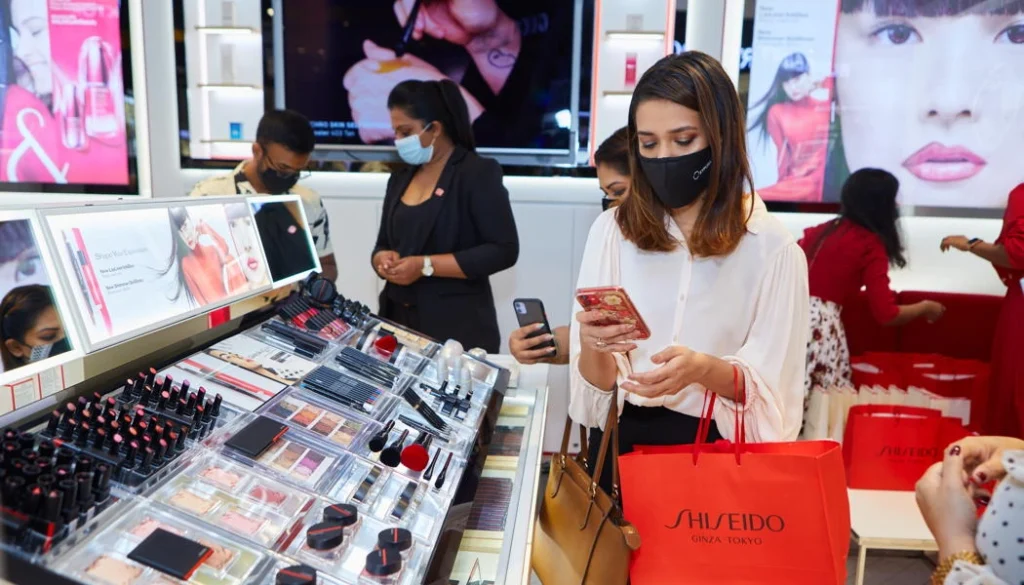
Image Source: Premium Beauty News
Distribution networks determine whether probiotic cosmetics reach target consumers or remain invisible in crowded markets. The market experiences growth through expanding networks, both offline and online [14]. Offline channels include retail stores, medical institutions, drugstores, department stores, specialty stores, hypermarkets, convenience stores, warehouse clubs, salons, spas, and medical clinics [15]. Prominent vendors like Procter & Gamble, L’Oreal, Aurelia Skincare, and Unilever sell probiotic cosmetics online, making the market a multi-channel one [14].
Balance Online Retail with Physical Store Presence
Hypermarkets and supermarkets dominate distribution. They’re projected to capture 39.22% market share in 2026 [5]. The increasing number of these retail formats in developing countries such as India, China, Thailand, and Vietnam propels global market growth [5]. DMart, an India-based supermarket chain, announced the addition of 28 stores in Q4FY25 [5].
E-commerce segments are projected to record the highest CAGR during the forecast period [5]. Internet penetration and smartphone adoption are rising globally and fuel this growth [5]. On top of that, online shopping offers varied discounts, additional coupons, wider product selection, convenience, and competitive pricing [5].
Physical stores remain significant despite e-commerce expansion. Research shows that 59% of consumers browse online and buy in-store, while 54% look at products in-store and buy online [16]. The in-store experience motivates 35% of consumers to shop physically, and another 24% want to interact with products before buying [16].
Create Exclusive Product Lines for Different Channels
Brands adopt hybrid models for long-term scalability and make use of a mix of DTC, retail, and online marketplaces [9]. This approach diversifies revenue streams and reduces dependency on any single platform. It maximizes customer reach by engaging various shopping priorities from online convenience to in-store experiences [9].
Fenty Beauty launched with a hybrid strategy. The brand sold in Sephora stores and online while making use of social media-driven direct sales [9]. This multi-channel approach maximized brand visibility and reach [9]. Similarly, Sephora sets the beauty industry’s gold standard for omnichannel. The company has unified online and offline behavior into one profile since 2010, boosting loyalty and propelling cross-channel sales with tailored rewards [8].
Optimize Inventory Management Across All Touchpoints
Modern inventory management software synchronizes inventory across physical stores and e-commerce platforms [17]. This integration proves significant for providing customers with a seamless omnichannel experience through multi-channel inventory tracking and maintaining accurate stock levels [17].
AI-powered systems forecast future inventory requirements by evaluating historical sales, seasonality, promotions, demand by channel, and immediate data signals [18]. Beauty brands use AI to foresee demand increases and decreases, optimize inventory replenishment cycles, minimize excess stock, and boost service levels across various sales channels [18].
Strategy 6: Differentiate with Clean Label and Sustainable Positioning
Clean beauty represents more than a trend. Consumers now prefer products free from parabens, sulfates and synthetic fragrances [5]. Probiotic cosmetics match this preference perfectly by offering natural, non-toxic formulations that promote skin health without harsh chemicals [5]. Brands that embrace transparency and sustainability through bacterial fermentation extracts and eco-friendly practices capture market share from traditional players [5].
Highlight Natural Bacterial Fermentation Extracts
Fermented plant extracts transform ordinary ingredients into potent skincare actives. The fermentation process boosts biological activities by converting high-molecular compounds into low-molecular structures. This makes fermented raw materials more compatible compared to unfermented ones [1]. Structural breakdown of plant cell walls and hydrolysis activity during fermentation increase polyphenols, flavonoids, organic acids and proteins in the medium [1].
Fermented extracts demonstrate superior effectiveness. The product obtained after plant fermentation shows increased biological effectiveness and bioavailability with decreased cytotoxicity [1]. Fermented plant products deliver antimicrobial, antioxidant and anti-inflammatory activity [1]. To cite an instance, fermented Panax ginseng shows higher anti-wrinkle and whitening effects than its non-fermented counterpart [19].
Emphasize Live Culture Stabilization Without Harsh Preservatives
Self-preserving formulations eliminate conventional preservatives that may cause skin allergies, irritation or contact sensitivity [20]. The appropriate use of multifunctional ingredients combined with meticulous formulation techniques guides successful development of self-preserving personal care cosmetics [20]. These formulations use hurdle technology and combine several preservation properties to limit microorganism growth [20].
Lush demonstrates that safe delivery of live microorganisms remains achievable without traditional preservatives [21]. The company makes small batches and dispatches them quickly. It sells products with shorter shelf lives, which enables fresh products like Biomic to sustain live lactic acid bacteria while remaining free from harmful microorganisms [21].
Pursue Eco-Friendly Packaging and Sustainability Certifications
Key certifications verify environmental responsibility claims. FSC certifies responsible forest management for paperboard boxes and labels [4]. COSMOS sets strict standards for ingredients and manufacturing, which require minimal, recyclable or recycled content [4]. Cradle to Cradle assesses products across material health, renewable energy and carbon management [4]. These certifications provide third-party verification and reduce greenwashing risks while building consumer trust [4].
Strategy 7: Invest in Advanced Product Innovation and R&D
Research and development expenditure separates market leaders from followers in probiotic cosmetics. Investment in proprietary technologies creates sustainable competitive advantages that justify premium pricing and build long-term brand equity.
Develop Next-Generation Shelf-Stable Probiotics Formulations
Probiotical S.p.A. introduced heat-treated technology that preserves probiotic strains’ cell walls without causing lysis [22]. This development enables accurate bacteria cell counts via flow cytometry rather than grams, which are used more often [22]. The technology substantially improves shelf life compared to non-heat-treated probiotics while maintaining cell receptors and proteins that support skin health [22]. Skinbac Care and Skinbac Beauty represent the first commercial applications and target eye creams, face creams, and serums [22].
Create Products Targeting Specific Dysbiosis and Skin Health Issues
L. casei ATCC 393 was encapsulated in alginate-tapioca microspheres and reduced pathogenic S. aureus by 0.81 log after 5 hours and 2.82 log after 24 hours [23]. Bioengineered strains producing antimicrobial peptides achieved 68-83% reduction in bacterial activity and offer promising alternatives to traditional antibiotics [24].
Explore Postbiotic and Prebiotic Alternatives for Broader Applications
Postbiotics provide stability advantages over live bacteria with no risk of bacterial translocation, easier standardization, and longer shelf life [25]. LactoSporin from B. coagulans MTCC 5856 showed substantial improvements in comedones and reduced sebum secretion [26].
Patent Proprietary Delivery Systems for High-Performance Bio-actives
Patents protect delivery developments across therapeutic compounds and formulations [27]. L’Oréal’s microbiome research demonstrates how personalized care routines based on individual microbial signatures can reinvent cosmetics [28]. Your brand’s future is living. The 2026 skincare market is moving away from “stripping” the skin and toward “strengthening” the microbiome. Partner with CL Cosmetic Industries to lead the Probiotic Cosmetics revolution by accessing advanced live culture stabilization technology and detailed formulation expertise!
Conclusion
You now have seven proven strategies to capture your share of the USD 880 million probiotic cosmetics market. Success in this market demands commitment to clinical validation, strategic digital presence, and multi-benefit formulations with targeted distribution networks. The brands winning today combine scientific credibility with consumer education and make skin microbiome science available rather than intimidating.
Implement these strategies systematically, and you will build the foundation for long-term growth. Consistency matters, along with quality formulations and authentic communication about microbiome-friendly skincare benefits. The 2026 & beyond skincare market is moving away from “stripping” the skin and toward “strengthening” the microbiome, which means your brand’s future is alive. Lead the Probiotic Cosmetics revolution and partner with CL Cosmetic Industries!
Key Takeaways
The probiotic cosmetics market presents a massive USD 880 million opportunity by 2034, but success requires strategic execution across seven critical areas to capture market share and build sustainable competitive advantages.
• Clinical validation drives credibility: Commission independent studies, secure dermatologist endorsements, and publish peer-reviewed research to justify premium pricing and build consumer trust in your probiotic formulations.
• Master digital-first marketing: Build educational DTC websites, leverage influencer partnerships for microbiome awareness, implement AI-driven personalization, and create subscription models to convert browsers into loyal customers.
• Develop multi-benefit product lines: Launch all-in-one formulations combining hydration and barrier repair, integrate probiotics with proven actives like ceramides and peptides, and focus on advanced manufacturing standards.
• Target emerging markets strategically: Adapt pricing for price-sensitive regions, develop climate-specific formulations, partner with local distributors, and invest heavily in consumer education about microbiome benefits.
• Build omnichannel distribution networks: Balance online retail with physical store presence, create exclusive product lines for different channels, and optimize inventory management across all touchpoints.
• Differentiate through clean positioning: Highlight natural bacterial fermentation extracts, emphasize live culture stabilization without harsh preservatives, and pursue eco-friendly packaging with sustainability certifications.
The brands that systematically implement these strategies while maintaining scientific credibility and authentic consumer communication will dominate the shift from “stripping” to “strengthening” the skin microbiome in 2026 and beyond.
FAQs
Q1. What makes probiotic cosmetics more effective than traditional skincare products? Probiotic cosmetics work by supporting the skin’s natural microbiome rather than stripping it. Clinical studies show that topical probiotic formulations can improve skin hydration by up to 45.6% after 28 days while reducing inflammatory markers and acne lesions. They strengthen the skin barrier through enhanced ceramide production and provide anti-inflammatory benefits without the harsh side effects of conventional treatments that can disrupt beneficial skin bacteria.
Q2. How long does it take to see results from probiotic skincare products? Most clinical research on topical probiotics shows measurable results within 4 to 12 weeks of consistent use. Hydration improvements can appear as early as 14 days, with a 37.3% increase observed in studies. For anti-aging benefits like improved elasticity and reduced wrinkle depth, significant changes typically become visible around week 4, with continued improvement through week 12 of regular application.
Q3. Are probiotic cosmetics safe for sensitive skin? Yes, probiotic cosmetics are particularly well-suited for sensitive skin. Studies confirm that topical probiotic formulations demonstrate safety and tolerability in healthy adults, with clinical trials showing they reduce redness, soothe irritation, and strengthen the skin barrier. In fact, 71% of the global adult population reports having sensitive skin to some degree, making dermatologist-approved probiotic products an increasingly popular choice for this large market segment.
Q4. What’s the difference between probiotics, prebiotics, and postbiotics in skincare? Probiotics are beneficial live bacteria that enhance skin integrity and boost natural defenses. Prebiotics are ingredients like xylitol and oligosaccharides that feed these beneficial microorganisms, supporting a balanced microbiome. Postbiotics are the beneficial substances created when probiotics break down on the skin’s surface, including hyaluronic acid, peptides, and vitamins that help diminish signs of aging and boost hydration. The most effective formulations contain all three components working together.
Q5. Why are probiotic cosmetics more expensive than regular skincare products? The higher cost reflects the complex manufacturing processes required to maintain probiotic viability through production, packaging, and shelf-life. Brands must invest in climate-controlled facilities, specialized encapsulation technology, nitrogen flushing for packaging, and rigorous quality control to ensure live bacteria survive until application. Additionally, clinical validation through independent studies, dermatologist endorsements, and peer-reviewed research adds to development costs but provides the scientific backing that justifies premium pricing.
References
[1] – https://pmc.ncbi.nlm.nih.gov/articles/PMC10748213/
[2] – https://www.datamintelligence.com/research-report/vietnam-probiotic-cosmetics-market
[3] – https://prosafenutra.com/probiotic-manufacturing-a-2026-guide-to-process-stability-and-quality/
[4] – https://jccosmopack.com/what-certifications-matter-in-sustainable-cosmetic-packaging/
[5] – https://www.fortunebusinessinsights.com/probiotic-cosmetics-market-113620
[6] – https://www.mordorintelligence.com/industry-reports/probiotic-cosmetic-products-market
[7] – https://www.datamintelligence.com/research-report/indonesia-probiotic-cosmetics-market
[8] – https://community.commercenext.com/5-omnichannel-retailing-examples-that-drive-results/
[9] – https://growthkey.com.au/post/go-to-market-beauty-brand-sales-channels
[10] – https://i3l.ac.id/the-rise-of-microbiome-skincare-a-scientific-trend-driven-by-gen-z-and-millennials/
[11] – https://www.dksh.com/global-en/home/media/news/dksh-enters-distribution-agreement-with-lactobio-across-asia-pacific-and-europe
[12] – https://www.fccsingapore.com/news/n/news/probiotic-cosmetics-emerge-as-a-strategic-segment-of-singapores-beauty-market.html
[13] – https://tastefluent.com/educational-resources/microbiome-friendly-body-care-educating-consumers-without-overwhelming-them
[14] – https://www.prnewswire.com/news-releases/probiotic-cosmetic-products-market-size-is-set-to-grow-by-usd-560-72-million-from-2023-2027–premiumization-through-product-innovation-and-portfolio-extension-to-boost-the-market-growth-technavio-302187175.html
[15] – https://www.technavio.com/report/probiotic-cosmetic-products-market-industry-analysis
[16] – https://www.mckinsey.com/industries/retail/our-insights/reimagining-the-role-of-physical-stores-in-an-omnichannel-distribution-network
[17] – https://apekssolutions.com/mastering-inventory-management-in-the-health-beauty-industry/
[18] – https://www.onepint.ai/insights/ai-inventory-management-for-beauty-personal-care-brands
[19] – https://www.accscience.com/journal/IMO/articles/online_first/4359
[20] – https://www.nature.com/articles/s41598-024-57782-9
[21] – https://www.lush.com/uk/en/a/selling-skincare-with-fresh-ingredients-and-live-cultures
[22] – https://www.dermatologytimes.com/view/topical-skin-care-probiotics-made-with-new-technology-yield-numerous-benefits
[23] – https://www.nature.com/articles/s41598-025-16273-1
[24] – https://www.mdpi.com/2079-9284/12/5/205
[25] – https://www.frontiersin.org/journals/sustainable-food-systems/articles/10.3389/fsufs.2022.887642/full
[26] – https://www.mdpi.com/2311-5637/9/3/264
[27] – https://patents.google.com/patent/US20160175408A1/en
[28] – https://www.loreal.com/en/articles/research-innovation/the-future-of-cosmetics-is-playing-out-in-the-microbiome/