
Instead of products with 80% water that dilute actives and require harsh preservatives, Waterless Formulas deliver pure, eco-friendly efficacy. Waterless Formulas offer a powerful solution to this problem, especially as two-thirds of the world’s population may face water shortages by 2025. The global waterless cosmetics market reflects this urgency. It is projected to grow from USD 8.92 billion in 2022 to USD 16.99 billion by 2030. In this piece, we’ll explore seven proven strategies that utilize Anhydrous Skincare and Preservative-Free Formulations to revolutionize your manufacturing processes. These approaches reduce environmental effects and enhance product efficacy.
Strategy 1: Implement Waterless Formulas to Reduce Resource Consumption
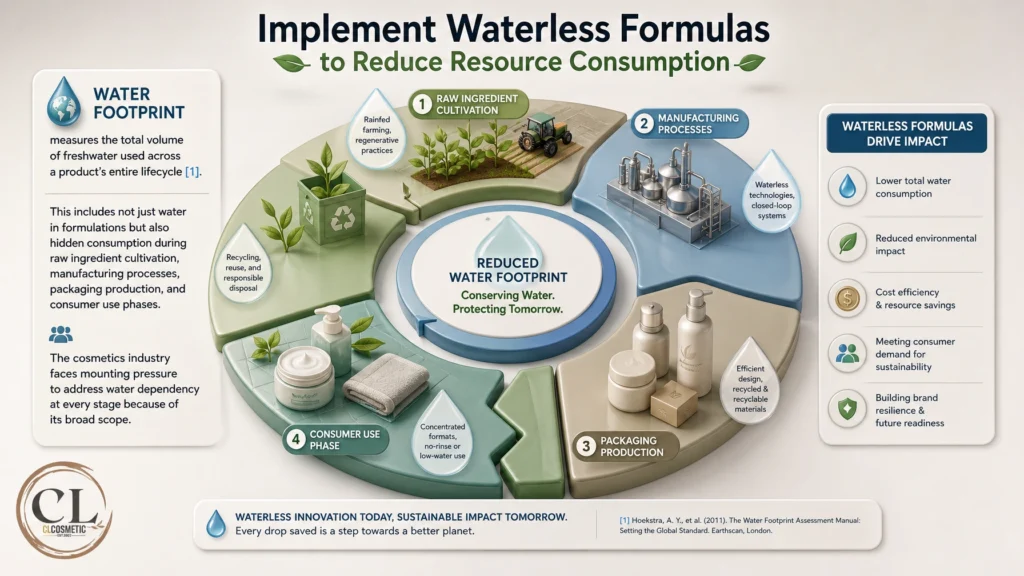
Water footprint measures the total volume of freshwater used across a product’s entire lifecycle [1]. This has not just water in formulations but also hidden consumption during raw ingredient cultivation, manufacturing processes, packaging production, and consumer use phases. The cosmetics industry faces mounting pressure to address water dependency at every stage because of its broad scope.
Why water dependency threatens biotech sustainability
Traditional beauty formulations contain between 60-85% water [2]. Some conventional products reach up to 95% water content [3]. This leaves minimal space for active ingredients and requires substantial preservatives to prevent microbial contamination. Water serves multiple roles in cosmetics: as a solvent for water-soluble ingredients, a vehicle for active delivery, and an element for creating emulsions [4]. But water has also functioned as an inexpensive product filler that inflates volume while diluting efficacy [4].
The manufacturing footprint extends well beyond formulation. Water use in factories covers ingredient mixing, equipment cleaning, sanitization processes, and steam generation [5]. Raw material production consumes substantial water resources, too. Plant-based ingredients require irrigation. Traditional spray and flood methods prove less efficient than drip irrigation systems [5]. Chemical processing of both plant-derived and synthetic ingredients adds another layer of water intensity to the supply chain [5].
UNICEF predicts that by 2025, half of the world’s population could live in areas facing water scarcity [6]. This prediction reinforces the urgency for cosmetics manufacturers to drastically boost water use efficiency. They need to reduce both consumption and pollution per unit of output [5]. Water scarcity already affects raw material sourcing. Droughts affect ingredient availability and force brands to reassess their formulation strategies [4].
Anhydrous skincare as a viable alternative
Anhydrous formulations eliminate water entirely. They rely instead on oils, butters, waxes, and oil-soluble actives to deliver performance [7]. This approach creates concentrated products where active ingredients occupy center stage rather than being diluted by aqueous fillers. The absence of water eliminates environments where bacteria, mold, and yeast thrive. This removes the need for synthetic preservatives [7]. We add antioxidants like Vitamin E to protect oils from oxidation and extend shelf life naturally [7].
Ingredient selection drives success in waterless formulation. Key considerations are:
- Solubility and miscibility: Liquid ingredients must blend naturally with chosen solvents and vehicles [1]
- Oxidative stability: Certain oils degrade faster and require careful selection based on compatibility with other formula components [1]
- Functional properties: Each ingredient should contribute specific cosmetic effects beyond simple texture [1]
- Sensory characteristics: Spreadability, slip, and richness determine user experience and product acceptance [1]
- Safety profile: Plant essential oils and extracts require scrutiny as potential allergen sources [1]
Anhydrous products excel at creating protective barriers on skin. They seal in moisture and shield against environmental stressors like wind, cold, and pollution [7]. This barrier function proves valuable for compromised, reactive, or post-treatment skin conditions. The concentrated nature means a little product delivers substantial results, particularly when applied to slightly damp skin for better spread and absorption [7].
Concentrated emulsions represent another category within Waterless Formulas. These products contain water but in substantially smaller proportions than traditional formulations [1]. The waterless movement began with concentrated emulsions and gained popularity through their delivery of concentrated active ingredients [1].
Measuring water savings across production cycles
Measuring the water effect requires detailed lifecycle assessment approaches. Water footprinting tools, often integrated into broader LCA platforms, help measure the water effect of raw materials, manufacturing processes, and packaging choices [8]. These tools provide visibility into consumption patterns that might otherwise remain hidden within complex supply chains.
Manufacturing breakthroughs offer measurable reduction opportunities. L’Oréal pioneered the Waterloop Factory concept, where all water used in industrial processes gets treated, recycled, and reused in closed loops [9]. Only water destined for formulations or human consumption comes from external sources. As of 2023, about 14% of L’Oréal’s factories achieved Waterloop certification. The company targets 100% coverage by 2030 [9].
Cold process manufacturing skips heat-intensive emulsification steps and reduces both water and energy consumption during production substantially [8]. This method accelerates batch times while preserving heat-sensitive actives that degrade under traditional processing conditions. For brands seeking measurable environmental effect reduction across their value chain, cold processing delivers tangible benefits.
Optimizing manufacturing processes through closed-loop systems for water recycling creates substantial savings [5]. Treating and repurposing wastewater from cleaning cycles for non-potable facility uses demonstrates practical water stewardship. Investing in water-efficient machinery and implementing dry cleaning methods where feasible further minimizes dependency [5]. Supply chain involvement proves vital. Thorough water footprint assessments identify consumption hotspots and enable ambitious reduction targets [5].
Strategy 2: Optimize Concentrated Beauty Actives for Enhanced Efficacy
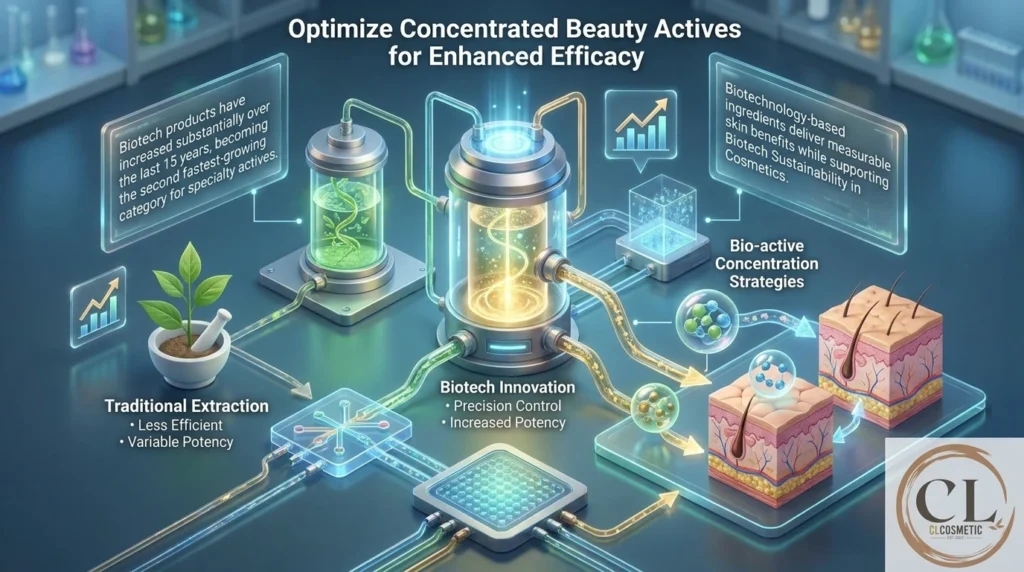
Biotech innovation has changed how we develop and produce concentrated actives. Precision control over ingredient potency is now possible in ways that traditional extraction methods cannot match. Biotech products have increased substantially over the last 15 years, and biotechnology-based ingredients have become the second category expected to grow faster than average market growth for specialty actives, following peptides [2]. This surge reflects a fundamental change toward Bio-active Concentration Strategies that deliver measurable skin benefits while supporting Biotech Sustainability in Cosmetics.
Bio-active concentration strategies for maximum potency
White biotechnology, also known as industrial biotechnology, focuses on producing high-value ingredients through fermentation and biotechnological processes [2]. This method allows sustainable production of active ingredients such as enzymes and organic acids, which boost product efficacy while minimizing reliance on petrochemicals [2]. Controlled production methods can optimize active compounds for maximum potency, resulting in more effective ingredients for skin care applications [2].
Bio-identical cosmetic actives represent ingredients developed to replicate naturally occurring molecules found in skin, plants, or biological systems [2]. Synthetic biology, precision fermentation, cell-free biomanufacturing, and AI-powered molecule discovery enable these technologies to produce targeted ingredients such as recombinant collagen, designer peptides, microbial postbiotics, and fermentation-derived lipids [2]. AI-driven molecule discovery identifies next-generation actives while precision fermentation enables scalable ingredient production [2].
Biotech processes allow precise control of active compound production. Ingredients with optimized concentration, stability, and bioavailability result in visible, verified skin benefits [2]. The production process follows key stages: strain selection and optimization, laboratory cultivation, scaling up in bioreactors, and harvesting with purification [2]. Fermentation processes use microorganisms such as bacteria, yeast, or fungi to bio-convert raw materials into valuable skincare ingredients and produce substances like enzymes, probiotics, and organic acids [2].
Concentration levels affect efficacy. Vitamin C proves most effective at 10-20% concentrations for fading dark spots, reducing fine lines, and promoting collagen production [1]. Retinol demonstrates effectiveness at 0.5-1% concentrations for reducing wrinkles, improving skin texture, and treating acne [1]. Niacinamide works well even at 2-5%, with products containing up to 10% delivering more targeted results [1]. Hyaluronic acid at 1-2% provides deep hydration, while peptides remain effective even at lower concentrations of 1-5% and stimulate natural repair processes and boost collagen production [1].
Advanced extraction techniques boost bioactive component yields. Microwave-assisted extraction uses microwave energy to boost the extraction process and reduce extraction times compared to traditional methods [3]. The application of microwaves allows faster heating of solvents and samples, leading to faster extraction kinetics that can result in higher yields of bioactive compounds [3]. The use of microwaves often allows extraction at lower temperatures, reducing the need for large amounts of solvents and contributing to environmental friendliness [3].
Reducing filler ingredients in formulations
Multifunctional cosmetic ingredients can replace several single ingredients and simplify future cosmetic formulations [10]. This approach reduces the need for traditional fillers while maintaining or improving product performance. Fillers in skincare refer to substances that serve significant functions in overall product experience, while not being active in terms of treatment [10]. These ingredients provide texture, improve consistency, and deliver active ingredients to the skin [10].
Note that fillers play significant roles in maintaining overall product stability [10]. Many skincare formulations are emulsions that have both water and oil-based components, with fillers like emulsifiers, stabilizers, and thickeners helping keep these ingredients from separating [10]. Products could break down without effective fillers, leading to loss of texture, effectiveness, or even contamination [10].
Concentrated formats in Waterless Formulas eliminate the need for water as a vehicle and allow active ingredients to occupy a more prominent role in formulations. Water acts as a vehicle to dissolve and carry water-soluble actives, while oils help carry oil-soluble actives [10]. Carefully selected functional ingredients replace both water and traditional fillers in anhydrous systems, with each component contributing specific cosmetic effects beyond simple texture.
Stability considerations for concentrated formats
Cosmetics stability testing will give products physical, chemical, and microbiological integrity throughout their lifecycle [2]. A well-laid-out stability protocol has testing for physical stability (color, viscosity, texture, phase separation, odor), chemical stability (pH levels, oxidation, degradation of active ingredients), and microbiological stability [2]. Active substances like vitamin C, retinol, or plant extracts can break down faster when exposed to light or oxygen [2].
Some biotech-derived actives, particularly enzymes and peptides, are sensitive to formulation conditions that have pH and temperature [2]. Careful formulation and encapsulation techniques are required to verify efficacy over product shelf life [2]. Common testing temperatures have 30°C, 37°C, 40°C, 45°C, and 50°C, with durations for standard 12-month shelf life ranging from 12 weeks at 40°C to 2-4 weeks at 50°C for certain formulations [2].
Oxygen exposure can lead to oxidation of ingredients and result in rancidity, discoloration, and reduced effectiveness [2]. Adding antioxidants like tocopherol helps alleviate this issue [2]. UV and visible light can cause photochemical degradation of certain ingredients and lead to changes in color, odor, and efficacy [2]. Fluctuation in pH can affect stability, as some ingredients are pH sensitive [2].
Encapsulation technology boosts the stability and effectiveness of active ingredients by protecting them from degradation and providing a gradual release upon application [1]. It improves ingredient stability, reduces oxidation, and allows precise delivery to targeted skin layers [1]. Microencapsulation protects sensitive actives from oxidation, heat, or unwanted interactions, while enabling targeted release [1]. This technology proves valuable for maintaining the potency of Concentrated Beauty Actives in Preservative-Free Formulations, where traditional preservation systems cannot be used.
Strategy 3: Adopt Solid Skincare Manufacturing Processes
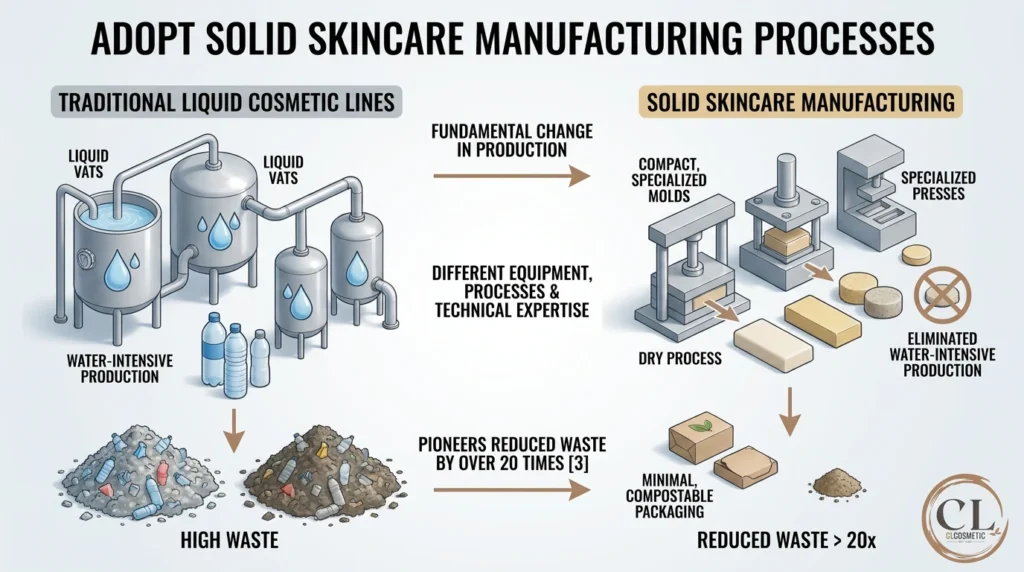
Solid Skincare Manufacturing represents a fundamental change in how beauty products are produced. It requires different equipment, processes, and technical expertise than liquid cosmetic lines. Pioneers in this space have reduced waste by over 20 times compared to traditional products [3]. They have eliminated the need for water-intensive production processes.
Transitioning from liquid to solid production lines
Five main types of solid formulations exist. Each serves different purposes and requires distinct manufacturing approaches. Emollient-based bars use carrier oils and butters as the base. Lipid thickeners like waxes and fatty alcohols provide a solid structure [10]. The production process heats ingredients together until solid components melt, then pours them into molds [10]. These formulations work especially when you have oil cleansers, makeup removers, moisturizers, and facial serum bars [10].
Surfactant-based bars rely on surfactants in solid form (powder, prill, or pellets). Small quantities of liquid surfactants maintain structural integrity [10]. Shampoo bars and body wash bars fall into this category and provide effective cleansing without soap chemistry [10]. Clay-based bars offer a soft, pliable dough texture that can be molded into bar shapes [10]. Powder-based formulations appear in bath bombs and have citric acid and sodium bicarbonate as main ingredients [10].
Various production techniques support solid cosmetic manufacturing. Extrusion and compaction processes create dense, uniform bars. Heating methods work well for emollient-based formulations [3]. Emulsification techniques enable the creation of solid water-in-oil systems for products requiring some water content [3]. To cite an instance, freeze-drying and powder mixing processes have emerged as new techniques for the beauty industry [3].
The production lead time spans 10 weeks from final design approval when using in-stock packaging [3]. This timeline has labels for procurement, cosmetic manufacturing, packaging, quality controls, and microbiology testing [3]. We developed approximately 90% of projects using in-stock packaging [3]. Similar percentages were developed on a turnkey or full-service basis, where manufacturers handle everything from raw material purchasing through commercialization support [3].
Solid serum sticks and bar formulations
Serum sticks combine multiple active ingredients in a convenient solid format. Innovative formulations feature ingredients like hyaluronic acid and skin-identical collagen. These provide hydration and plumping benefits [11]. The smooth, solid balm texture allows easy application with a fast-spreading sensation [11]. Gellan-based stick formulations create partially transparent textures suitable for hydration boosts throughout the day [11].
Solid water-in-oil emulsion systems present considerable formulation challenges. This is especially true for lip care products where water contributes to hydration and texture [1]. Natural emulsifying agents like IDRAWAX REVO stabilize emulsions in a variety of oil and water contents [1]. This agent is composed of sunflower wax (40-75%) and polyglyceryl-3 ricinoleate (25-60%). This wax performs dual functions: it emulsifies water to form inverse emulsions and gels and structures the external lipophilic phase [1].
The crystalline structure of waxes amalgamated with oils creates a rigid matrix in the continuous phase. High viscosity is achieved readily [1]. Testing over three-month periods shows no recognizable issues such as blooming, sweating, or surface recrystallization when formulated right [1]. Standard processing proves adequate for water concentrations below 10%. Concentrations above this threshold require advanced processing techniques [1].
Solid cosmetics contain reduced or zero water content. This makes them more concentrated in active ingredients [3]. End users tend to use less product than water-based equivalents for the same action [3]. Bar formulations need careful climate adaptation. Hotter environments require harder bars with higher percentages of lipid thickeners to remain solid at room temperature [10].
Equipment and facility modifications required
Cosmetic manufacturing equipment must meet stringent standards for cleanliness and product compliance. High-quality machinery allows easy maintenance of production lines. Designs eliminate hard-to-clean crevices and enable floor cleaning underneath machines [12]. ISO 22716 certification indicates manufacturers commit to good practice in cosmetics production. This will give a final product that complies with specifications and keeps batches similar [12].
Specialized mixing systems handle the transition from liquid to solid processing. Bench mixers perform broad mixing operations and serve as ideal tools to test formulations and prove processes right before industrial scale-up [1]. Pilot homogenizers enable accurate formulation development under production-like conditions. They feature three independent, complementary agitation movements suitable for processing complex mixtures [1]. High-shear mixers provide controlled, reproducible processing of small batches and handle both dry and wet granules with precision [1].
Manufacturers maintain control and traceability of everything requested, received, and produced. This approach provides consistency, safety, and quality in every project [3]. Quality systems have regular cleanliness inspections of factory premises, equipment, employees, and starting materials [12]. Laboratories test each batch to verify that specifications are met. Exact composition maintenance prevents financial losses from recalls and potential customer safety issues [12].
Strategy 4: Leverage Powder-to-Liquid Technology for On-Demand Activation
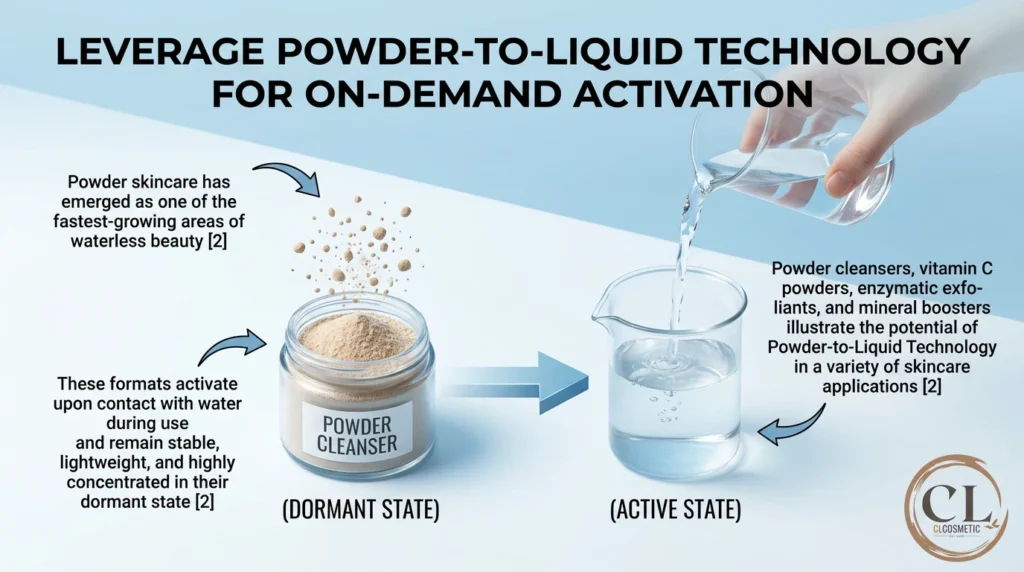
Powder skincare has emerged as one of the fastest-growing areas of waterless beauty [2]. These formats activate upon contact with water during use and remain stable, lightweight, and highly concentrated in their dormant state [2]. Powder cleansers, vitamin C powders, enzymatic exfoliants, and mineral boosters illustrate the potential of Powder-to-Liquid Technology in a variety of skincare applications [2].
How waterless cleansing powders preserve active ingredients
Powder systems exclude water and preserve unstable molecules for extended periods compared to aqueous solutions [2]. Ascorbic acid stays potent much longer in powder form than in liquid formulations [13]. Vitamin C begins to oxidize and lose effectiveness once mixed with water, often turning brown as it degrades [13]. Powder formulation eliminates this degradation pathway and ensures superior freshness and potency upon activation [2].
Enzymatic exfoliants such as papain from papaya and bromelain from pineapple remain active for extended periods when stored as powders [2]. These natural enzymes gently break down dead skin cells without the abrasive action of physical scrubs. They prove ideal for sensitive or acne-prone skin types [13]. They demonstrate much greater stability in powder form, often included in powder masks or Waterless Cleansing Powders that offer spa-like treatments with minimal irritation [13].
Waterless systems offer unique advantages for highly active ingredients beyond simple shelf life extension [2]. Encapsulated vitamin C, retinoids, and ceramides maintain higher stability without exposure to water [2]. Oil-soluble actives such as bakuchiol and squalane-compatible peptides integrate naturally into anhydrous formulas [2]. Powder formats allow formulators to freeze-dry sensitive actives, which preserves potency and enables controlled activation during use [2]. The global freeze-dried skincare market reflects this growing interest and is projected to reach $8,566.52 million by 2029, increasing from $4,439.43 million in 2022, with a compound annual growth rate of 10.0% [3].
Oxygen, heat, and light begin degrading active ingredients the moment you twist open a serum or cream [14]. Water in liquid formulas makes this breakdown worse when mixed with oxygen [14]. Powder products stand strong against air degradation because they contain no water [14]. So these formulations can contain higher concentrations of active ingredients than their liquid counterparts [14]. Little or no preservatives are needed without water as a breeding ground for bacteria [14].
Consumer mixing protocols and user experience
Powder-to-liquid skincare is gaining traction as a premium, science-led approach [1]. Mono Skincare offers serums and toners in powder sachets that consumers mix with water at home to create full-size products [1]. This model reduces transport emissions and packaging while positioning Biotech Sustainability in Cosmetics as aspirational and high-end [1].
Powders must dissolve completely and quickly from a formulation viewpoint, remain stable after reconstitution, and integrate multifunctional preservatives suitable for the final aqueous phase at viable concentrations [1]. Single-use powder formats, such as enzyme cleansers or masks, are designed to mix with water right before application [1]. This approach eliminates preservative requirements and protects the freshness of sensitive actives like vitamin C or plant-derived enzymes [1]. Clinique Fresh Pressed Renewing Powder Cleanser with Pure Vitamin C showcases both efficacy and strong preservative-free positioning [1].
Key challenges lie in achieving proper flow properties for formulators, ensuring rapid dispersibility, and creating a sensorial transformation during mixing that boosts user experience [1]. You can control the dosage depending on your needs at the time [14]. Taking water out of the equation shrinks both the water and carbon footprints of any skincare product by a lot [14].
Packaging innovations for powder formats
Suppliers are innovating packaging solutions for Waterless Formulas and loose powder formulations, with multiple developments emerging to address controlled dosing, formula protection, and intuitive use [11]:
- Cosmogen’s Powder Pack: An airtight, refillable packaging solution made of polypropylene in a 30g format [11]. It features a push-button dispensing mechanism with an on/off function that releases a measured single dose with each press [11]. Refills are made of paper, with exploration underway for plastic spring components to offer monomaterial packaging [11].
- Asquan Group’s Powder Drop Jar: A patent-pending loose-powder jar engineered with a spring valve and conical funnel [11]. A single press dispenses a precise dose of powder into the lower well and offers accurate, repeatable dosing while protecting bulk powder from air and contamination [11]. The styrene-free jar comes in a 10g fill capacity [11].
- Clement Packaging’s Powder Shaker: Made from bamboo powder and plant-based resins [11]. It features a two-stage twisting cap that clicks into place, with the outer cap twisting to reveal a shaker aperture while the threaded inner cap safeguards against spills and moisture [11].
- Groupe Pochet’s Powderful: Engineered to dispense anhydrous formulas via a push button with an on/off function [11]. Pressing the button activates an internal system that delivers product into a dedicated compartment featuring a cap for easy transport [11]. The monomaterial pack made of polypropylene is recyclable within existing recycling streams [11].
Advanced dual-chamber designs keep powder and liquid components separate until the moment of use and ensure a moisture-free environment for the powder and optimal product stability [3]. Users press the glass vial against the liquid chamber to activate, which causes a rod to puncture an aluminum sealing film and release liquid solution into the vial [3]. A quick shake mixes components and creates a freshly activated formula [3]. These systems work with freeze-dried powders, vitamin C, enzymes, and double-liquid setups for applications like two-step serums and self-heating masks [3].
Strategy 5: Achieve Preservative-Free Formulations Through Anhydrous Design
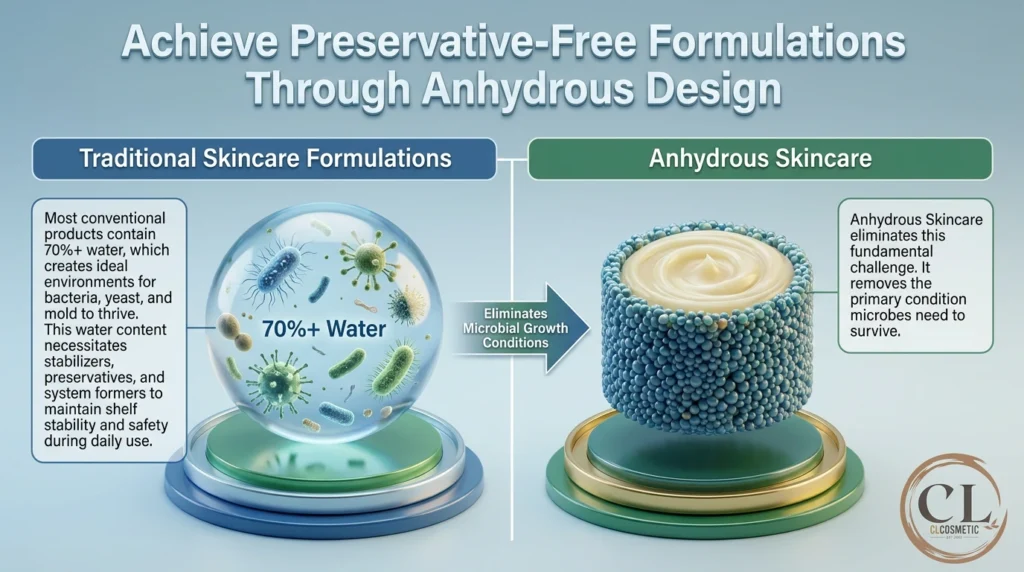
Traditional skincare formulations face a constant battle against contamination. Most conventional products contain 70%+ water, which creates ideal environments for bacteria, yeast, and mold to thrive [10]. This water content necessitates stabilizers, preservatives, and system formers to maintain shelf stability and safety during daily use [10]. Anhydrous Skincare eliminates this fundamental challenge. It removes the primary condition microbes need to survive.
Eliminating microbial growth risks without water
Microbial growth requires free water to metabolize and reproduce [10]. Water activity (aW) measures how much free water is available for microbial growth in a product. It assesses the amount that can support microbial life [15]. Microorganisms require water in its free form (unbounded) for microbial metabolism and proliferation [12]. Properly formulated Waterless Formulas show undetectable water activity [10]. Microorganisms cannot grow, spread, or compromise product safety without available water [10].
The ideal aW for microbial growth falls between 0.6 and 0.9 [15]. Microbial activity slows substantially when aW drops below this threshold, and products become more stable [15]. Anhydrous products like powders and lipsticks have less microbial growth risk. They may only require anti-fungal paraben preservatives [16]. Properly formulated anhydrous skincare products resist contamination without required preservatives [10].
Third-party water activity and compatibility testing conducted in controlled temperature and humidity chambers over three months confirms these claims. The tests show no detectable microbial growth or water activity in well-formulated waterless products [10]. These formulations support 24-month PAO (period after opening) while maintaining product integrity [10]. Challenge testing as described in DIN EN ISO 11930 is not necessary for formulations with aW below 0.75 [12].
Natural preservation alternatives in biotech cosmetics
Anhydrous products still require protection from oxidation and rancidity despite reduced microbial risks. Preservative-free products benefit from antioxidants such as Vitamin E (Tocopherol), Rosemary Extract, and Ascorbyl Palmitate [17]. These prevent rancidity and maintain product quality over time [17]. Oxidation-stable oils such as shea butter or jojoba oil prevent oxidation of other ingredients while strengthening the skin’s barrier function [18].
Natural preservatives derived from plants offer additional protection options. Organic acids such as anisic acid and levulinc acid from star anise and Indian basil improve the skin’s natural acid protection while proving effective against bacteria, fungi, and yeasts [18]. These acids are not considered preservatives according to the EU Cosmetics Regulation, so products can be declared preservative-free [18]. Pentylene Glycol, extracted from sugar cane and corn, provides moisturizing and antimicrobial effects while promoting active ingredient absorption into deeper skin layers [18].
Essential oils, including tea tree, lavender, rosemary, eucalyptus, and citrus oil, function as natural preservatives in cosmetics [16]. Some surfactants like sodium lauroyl sarcosinate demonstrate similar antimicrobial properties [16]. Chelating agents such as EDTA, citric acid, and gluconic acid bind metal ions essential for microorganism growth [16]. Combining multiple alternative preservatives creates cosmetic products that are both safe and effective [16].
Extending shelf life through anhydrous formulation stability
Extended shelf life represents one standout advantage of formulating without water [19]. Many anhydrous products can be made preservative-free without water because there’s less risk of microbial growth [19]. This benefit proves valuable for clean and minimalist beauty brands seeking Biotech Sustainability in Cosmetics credentials.
Formulators must address texture stability challenges in spite of that. Ingredients like butters and waxes may crystallize over time, especially if formulas aren’t cooled properly during production [19]. This can lead to gritty or unstable textures in lip balms, body butters, or Solid Serum Sticks [19]. Anhydrous products prove more sensitive to temperature fluctuations. High ambient heat causes melting or leaking while cold environments cause hardening [19]. Thoughtful combinations of waxes, esters, and emollients ensure stable melting points and product integrity [19].
Anhydrous systems with no aqueous phase and no risk of water introduction during use do not require traditional preservation [13]. A well-formulated jojoba and squalane cleansing oil is inherently low-risk, to cite an instance [13]. Even some anhydrous products can become contaminated if designed to come in contact with water during use. Wet fingers can introduce water to formulations [20]. Modern packaging innovations, including airless dispensers, protect products from oxidation and contamination while enhancing natural preservative efficacy [21].
Strategy 6: Reduce Carbon Footprint Through Shipping Cost Optimization
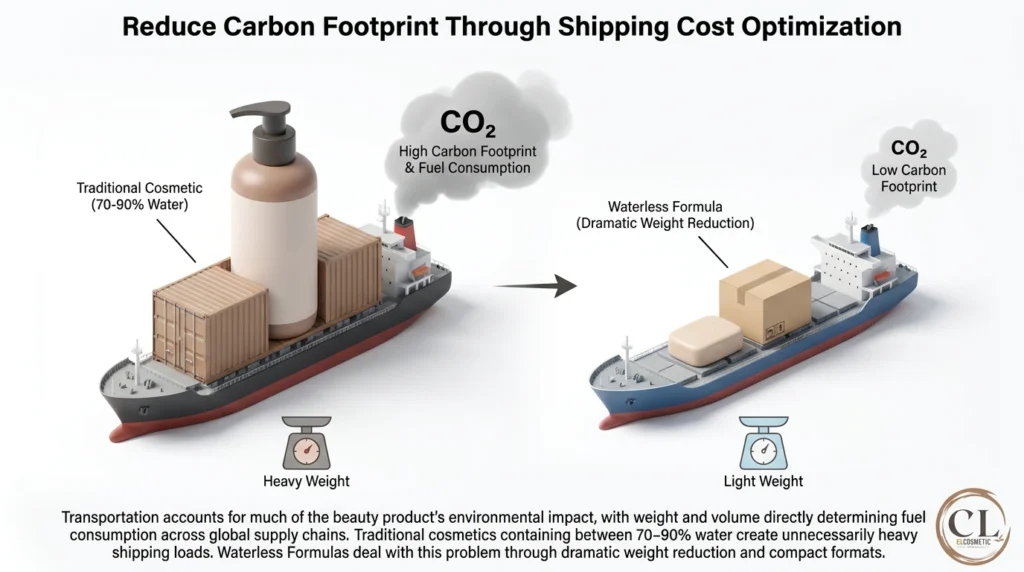
Transportation accounts for much of the beauty product’s environmental impact, with weight and volume directly determining fuel consumption across global supply chains. Traditional cosmetics containing between 70-90% water create unnecessarily heavy shipping loads [22]. Waterless Formulas deal with this problem through dramatic weight reduction and compact formats.
Weight reduction benefits of waterless products
Water removal from formulations creates lighter, more compact products that require less energy to store and transport. This lowers greenhouse gas emissions [23]. Smaller, lighter concentrated formulations take less energy across the entire distribution chain [24]. Waterless products reduce shipping emissions and carbon footprint through decreased volume and weight. This improves freight emissions and costs in global distribution [25].
Transportation emissions data for solid vs liquid formats
Solid shampoos generate 92% less CO₂ compared to liquid equivalents [22]. Converting half of liquid shampoo shipments to solid bars could slash transport emissions by up to 38% [22]. LUMENE’s Product Carbon Footprint study revealed that packaging contributed 35% and cosmetic ingredients 12% to the total carbon impact. The company optimized material weight and improved transportation efficiency [2].
Sustainability is no longer a choice but a competitive requirement. Global regulations tighten, and shipping costs rise. Waterless Formulas are a great way to achieve brand growth! Partner with CL Cosmetic Industries to develop high-performance, budget-friendly and planet-positive products now!
Distribution efficiency in eco-friendly beauty manufacturing
Waterless products require less packaging due to concentrated formats [1]. This concentration decreases shopping frequency for consumers and provides cosmetic companies with lower transportation and distribution costs [1]. SBTRCT’s solid Moisturizing Facial Balm emits less carbon than liquid equivalents thanks to lower emissions at the production stage and minimal packaging requirements [26].
Strategy 7: Build Circular Beauty Economy Models with Biotech Innovation
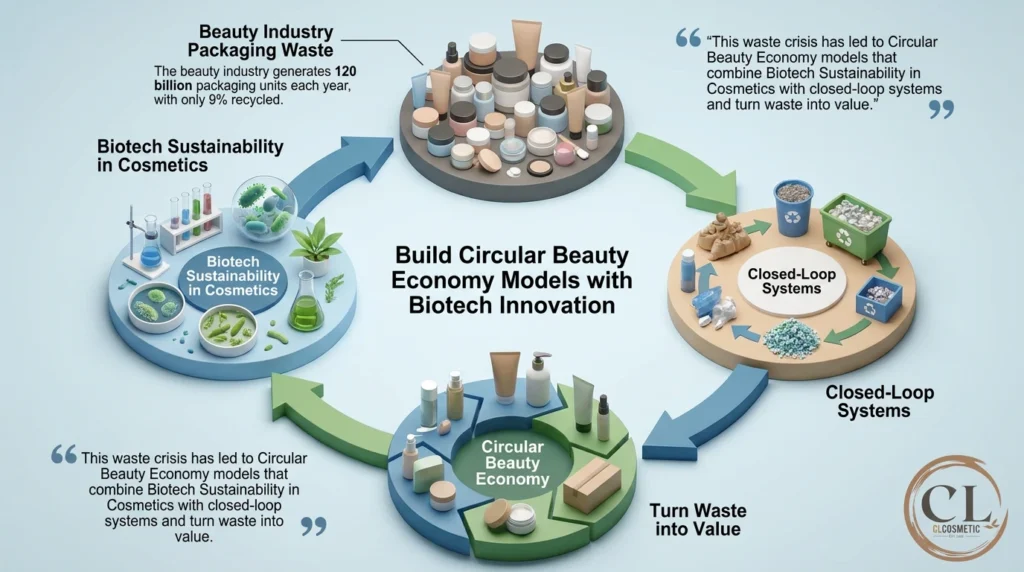
The beauty industry generates 120 billion packaging units each year, with only 9% recycled [27]. This waste crisis has led to Circular Beauty Economy models that combine Biotech Sustainability in Cosmetics with closed-loop systems and turn waste into value.
Upcycled ingredients from biotech waste streams
Food waste represents a goldmine for cosmetic ingredients. Coffee grounds yield hydrating oils [28], and citrus peels provide stabilizers for emulsifier-free formulations [28]. Bilberry seeds discarded from juicing contain optimal omega-3 and omega-6 ratios for skin barrier function [28]. Biotech processes convert these materials through fermentation and extraction into high-value actives with anti-aging, antioxidant, and anti-inflammatory properties [29]. Microalgae biorefining produces over 100 tons of ingredients each year through zero-waste processes [30].
Refillable and biodegradable packaging systems
Refillable makeup sales surged 364% from January through July 2022 [31]. One reusable container saves hundreds of single-use packages from landfills and cuts solid waste by 86% [32]. Biodegradable alternatives include polylactic acid from corn starch and polyhydroxyalkanoates from bacterial fermentation [33]. Shellworks’ Vivomer material, made from bacteria fermenting food waste, biodegrades without toxic residue [27].
Green chemistry manufacturing principles
The twelve principles of Green Chemistry guide eco-friendly ingredient synthesis. They emphasize waste prevention, safer chemicals, renewable feedstocks, and energy efficiency [34]. L’Oréal’s Pro-Xylane, made from beech wood sugar, achieved an Environmental Factor of 13 on a 5-50 scale [34].
ESG compliance for beauty brands
What consumers just need drives ESG adoption: 69% will pay more for eco-friendly cosmetics [35], and 67% of job applicants prefer eco-friendly employers [35]. Leading brands now request supplier ESG data covering packaging recyclability, greenhouse gas emissions, water stress, and green chemistry revenue [35].
Conclusion
Waterless formulations represent more than an environmental choice: they deliver measurable business advantages through boosted efficacy, extended shelf life, and reduced shipping costs. These 7 strategies enable you to create concentrated products that perform better while consuming fewer resources when you eliminate water dependency. Anhydrous design prevents microbial growth and allows preservative-free cosmetics that appeal to clean beauty consumers. Sustainability has become a competitive requirement, not a choice. Global regulations tighten, and shipping costs rise. Waterless Formulas offer the smartest path to brand growth! Partner with CL Cosmetic Industries to develop high-performance, affordable, and planet-positive products now! The biotech revolution in beauty manufacturing has arrived. Early adopters will capture market leadership as consumer demand for green innovation accelerates.
Key Takeaways
The biotech beauty industry is transforming through waterless innovation that delivers superior performance while dramatically reducing environmental impact. Here are the essential strategies for sustainable success:
• Eliminate water dependency: Waterless formulas reduce resource consumption by up to 80% while concentrating active ingredients for enhanced efficacy and naturally preventing microbial growth.
• Leverage biotech concentration: Bio-identical actives and precision fermentation create highly potent ingredients that deliver measurable skin benefits in smaller doses than traditional formulations.
• Adopt solid manufacturing: Solid skincare formats reduce waste by 20x compared to liquid products while eliminating preservative needs and extending shelf life naturally.
• Implement powder-to-liquid technology: On-demand activation preserves unstable ingredients like vitamin C and enzymes while maintaining potency until the moment of use.
• Optimize shipping efficiency: Waterless products generate 92% less CO₂ in transportation, with solid shampoos alone capable of reducing transport emissions by 38% industry-wide.
• Build circular economy models: Upcycled biotech ingredients from food waste streams combined with refillable packaging systems can reduce solid waste by 86% while meeting growing consumer demand for sustainability.
The convergence of biotechnology and waterless formulation represents the future of beauty manufacturing, where environmental responsibility drives innovation rather than limiting it. Early adopters of these strategies will capture market leadership as regulations tighten and consumer expectations evolve toward truly sustainable beauty solutions.
FAQs
Q1. What makes waterless formulations more sustainable than traditional cosmetics? Waterless formulations eliminate up to 80% of water content found in traditional cosmetics, dramatically reducing resource consumption and transportation weight. These concentrated products require no synthetic preservatives since bacteria cannot grow without water, resulting in longer shelf life and lower carbon emissions during shipping. Solid waterless products generate 92% less CO₂ in transportation compared to liquid equivalents.
Q2. How do biotech-derived actives improve product efficacy in sustainable skincare? Biotech processes like precision fermentation and synthetic biology create bio-identical actives that closely replicate naturally occurring molecules in skin. These concentrated ingredients deliver measurable benefits at lower doses than traditional extracts—for example, vitamin C works effectively at 10-20% concentration while niacinamide shows results at just 2-5%. Biotechnology enables precise control over active compound production, resulting in optimized concentration, stability, and bioavailability.
Q3. Why don’t waterless cosmetics need preservatives? Waterless formulations contain no free water, eliminating the environment microorganisms need to grow and reproduce. Without available water, bacteria, yeast, and mold cannot metabolize or proliferate, making traditional preservatives unnecessary. Instead, these products use antioxidants like Vitamin E to prevent oxidation and rancidity, allowing them to maintain quality for 24 months or longer while remaining truly preservative-free.
Q4. How do powder-to-liquid skincare products maintain ingredient freshness? Powder formats keep unstable ingredients like vitamin C and enzymes in a dormant, stable state until activated with water during use. This approach prevents oxidation and degradation that occur in liquid formulations exposed to air and moisture. By excluding water entirely during storage, powder systems preserve ingredient potency far longer than aqueous solutions, with activation occurring only at the moment of application.
Q5. What role does the circular economy play in biotech beauty sustainability? Circular beauty models transform waste into value by upcycling food industry byproducts—like coffee grounds, citrus peels, and bilberry seeds—into high-performance cosmetic ingredients through biotech fermentation and extraction. Combined with refillable packaging systems that reduce solid waste by 86%, these approaches address the beauty industry’s challenge of generating 120 billion packaging units annually with only 9% recycled.
References
[1] – https://www.researchgate.net/publication/387726313_Challenges_and_advances_in_waterless_cosmetic_product_development_Raising_awareness_of_water_sustainability
[2] – https://devera.ai/resources/cosmetic-brands-sustainability-best-practices/
[3] – https://www.unica-packaging.com/blog/simplifying-freeze-dried-skincare-powder-mix-vial-dropper
[4] – https://www.sciencedirect.com/science/article/pii/S235255092200094X
[5] – https://www.leadventgrp.com/blog/tackling-water-usage-in-cosmetic-manufacturing
[6] – https://adv-bio.com/waterless-beauty-101/
[7] – https://www.puremessskincare.com/blogs/the-world-of-puremess/what-is-anhydrous-skincare-and-why-your-skin-might-love-it?srsltid=AfmBOoq4G4DgBUWHiEroRxhVWejPXAe0kmhRsl2YGZ0PjNJHj-JrTj8A
[8] – https://www.thglabs.com/resources/blog/reducing-water-in-beauty
[9] – https://www.ulprospector.com/knowledge/19951/pcc-waterless-cosmetics-a-sustainable-trend-shaping-the-future-of-formulation/
[10] – https://www.dewmighty.com/fr/blogs/news/why-our-waterless-skincare-won-t-support-microbial-growth?srsltid=AfmBOorAJcK2z0Sn5ialQQOcMTJu0Z4NAL6bMuVy1N_na00LfrxBn_Ob
[11] – https://www.formesdeluxe.com/article/4-novel-powder-packaging-solutions-for-cosmetics.65318
[12] – https://dgk-ev.de/wp-content/uploads/2025/04/DGK-FG_Mikrob-Water-activity-in-cosmetic-products_Vers-final-1_24.04.25-final.pdf
[13] – https://greenchemfinder.com/2026/05/28/preservative-free-cosmetics-a-fresh-beauty-trend/
[14] – https://www.allure.com/gallery/what-is-powder-skin-care
[15] – https://grandingredients.com/water-activity-skin-care/
[16] – https://www.specialchem.com/cosmetics/guide/preservatives-for-cosmetic-formulations
[17] – https://cleanbeautyindia.in/expert-guide-to-natural-preservatives-for-your-skincare-line/
[18] – https://www.myrto-naturalcosmetics.de/en/blogs/blog/how-gentle-herbal-preservation-protects-your-skin?srsltid=AfmBOopPi38KMScQrTpfufaBOCB5Ea2PfadgpK9BvuK1WajmYzd39eNe
[19] – https://www.letsmakebeauty.com/blog/post/anhydrous-formulations-101-a-formulators-guide-to-waterless-skincare?srsltid=AfmBOopxmwEc_1pMgxee2hMHjgO3Bn2hZujpYTVMh5Zo4B0i63Hk4lEt
[20] – https://www.esmi.com.au/blogs/esmi-skin-central/preservatives-in-skincare-what-you-need-to-know?srsltid=AfmBOopTPs3YniT_CzfZnClpIE7c5qQnD7BxDBQnF7eimPVe8svesZJn
[21] – https://www.quimivita.com/blog/new-solutions-for-the-stability-and-preservation-of-natural-cosmetics/
[22] – https://www.ukpackpackaging.com/company-news/solid-vs-liquid-cosmetics-based-on-sustainability/
[23] – https://www.clinikally.com/blogs/news/how-water-free-skincare-is-shaping-the-future?srsltid=AfmBOoodDYRdFciwh6g1YrAiUCpicp-FfBPJ3PdLOISDySiceAQoJJ0S
[24] – https://www.clinikally.com/blogs/news/how-water-free-skincare-is-shaping-the-future?srsltid=AfmBOoqpK6fwJmwol0RcTvy_ReUoWGrh8ev8Tt0EHS0KZpkcDgD4vdGo
[25] – https://cosmewax.com/benefits-of-incorporating-waterless-beauty-into-your-brand/
[26] – https://www.provenance.org/news-insights/climate-friendly-beauty-5-ways-beauty-brands-can-cut-carbon-emissions
[27] – https://bbia.org.uk/wp-content/uploads/2025/07/Beauty-and-Bioeconomy-Policy-Position-Paper.pdf
[28] – https://www.mdpi.com/2071-1050/17/13/5738
[29] – https://www.sciencedirect.com/science/article/pii/S0195925524000301
[30] – https://blog.covalo.com/personal-care/beyond-upcycled-biotech-actives-for-circularity
[31] – https://othilapak.com/blogs/trends-insights/refillable-beauty-packaging-growth-trends-benefits/
[32] – https://iprd.evalueserve.com/blog/beauty-reimagined-how-the-circular-economy-is-transforming-cosmetics/
[33] – https://www.sciencedirect.com/science/article/pii/S2589791825000167
[34] – https://www.loreal.com/en/articles/research-innovation/green-chemistry-the-future-of-beauty/
[35] – https://www.sgs.com/-/media/sgscorp/documents/corporate/brochures/sgs-ba-whitepaper-cosmetics-en.cdn.en.pdf