
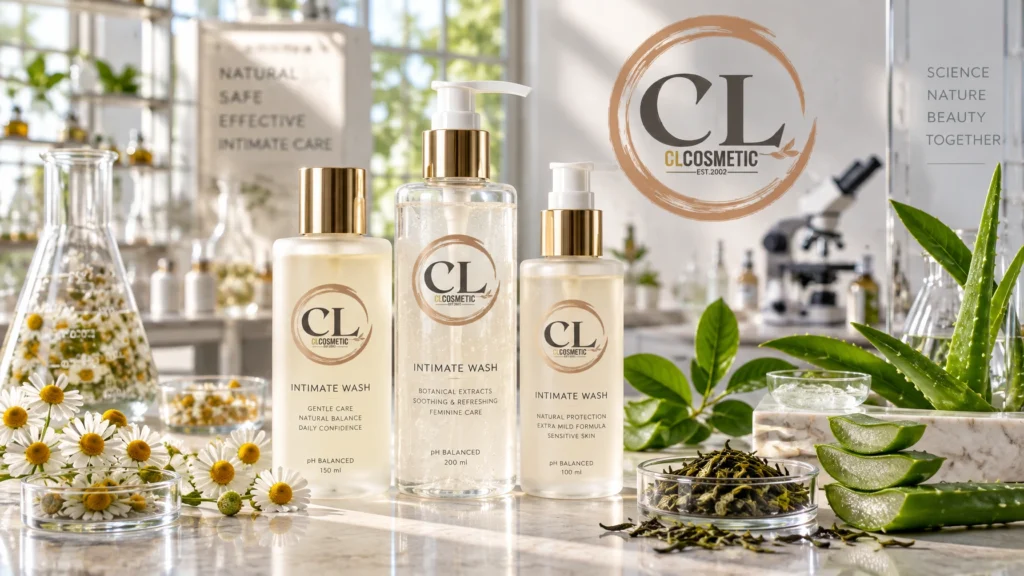
The global personal care industry is undergoing a profound cultural and scientific evolution in 2026. Categories that were once considered taboo or niche have emerged as major engines of commercial growth. Among these, the market for feminine hygiene, intimate wellness, and specialized body care is expanding at a remarkable rate across Malaysia, Singapore, Indonesia, and the broader Gulf Cooperation Council (GCC) regions.
Modern consumers no longer treat intimate hygiene as an afterthought. They recognize that the delicate skin of the intimate zone requires specialized, physiological care. Harsh body soaps, heavily fragranced shower gels, and synthetic washes that strip the skin barrier are being replaced by dermatologist-tested, pH-balanced intimate washes, postbiotic soothing gels, and intimate brightening serums.
Furthermore, for the massive Muslim demographic across Southeast Asia, verifying that these daily personal hygiene items are certified Halal is an absolute requirement. Launching a Halal Intimate Care product line represents one of the most profitable, high-repeat opportunities available for beauty brand founders, wellness lines, and aesthetic clinics today.
However, formulating effective Halal Intimate Care products requires an exceptional understanding of gynecological microbiology, delicate lipid barrier preservation, and strict Shariah compliance.
Located in Kajang, Selangor, the contract manufacturing specialists at CL Cosmetic have engineered this definitive B2B guide. Below is your strategic blueprint for formulating, certifying, and launching a market-leading Halal Intimate Care brand in 2026.
The Biological Imperative: Why Body Soap Fails Intimate Skin
To build a successful Halal Intimate Care brand, you must educate your target audience on why conventional body washes and soaps are fundamentally unsuitable for intimate hygiene.
[Conventional Body Soap] ➔ Alkaline pH (pH 8.0 – 10.0) ➔ Destroys Acid Mantle ➔ Causes Dysbiosis & Irritation
VS
[Formulated Halal Intimate Care] ➔ Acidic pH (pH 3.8 – 4.5) ➔ Preserves Lactobacillus ➔ Strengthens Natural Barrier
1. The Acid Mantle and Natural pH Balance
Facial skin and body skin typically maintain a slightly acidic pH of 5.5. However, the external intimate area (the vulvar region) requires a much more acidic micro-environment, strictly ranging between pH 3.8 and 4.5. This natural acidity is maintained by beneficial resident bacteria, predominantly species of the Lactobacillus genus.
2. The Danger of Alkaline Disruption
Standard commercial soaps and body washes are formulated with high-pH alkaline surfactants, often registering a pH between 8.0 and 10.0. Washing delicate intimate skin with alkaline soap immediately neutralizes the natural acid mantle. Clinical research indexed in the National Center for Biotechnology Information (NCBI) confirms that elevating intimate pH above 4.5 suppresses beneficial Lactobacillus populations while allowing opportunistic pathogens (such as Candida albicans and Gardnerella vaginalis) to flourish, leading to itching, odor, and recurrent discomfort.
3. Gentle Cleansing Without Barrier Stripping
An experienced personal care OEM partner formulates Halal Intimate Care using ultra-gentle, plant-derived surfactants like Coco-Glucoside and Sodium Cocoyl Isethionate. These non-ionic and anionic surfactant networks cleanse the skin without stripping intercellular lipids, maintaining the delicate moisture balance required for daily comfort.
To learn more about how barrier-first formulation principles drive modern cosmetic success, read our industry analysis on Barrier-First Creams: Ingredient Standards.
Defining Halal Intimate Care: Shariah and Safety Compliance
In the personal care sector, obtaining official Halal certification is the ultimate mark of purity, hygiene, and ethical sourcing. When developing a Halal Intimate Care line for ASEAN and GCC export markets, your manufacturing process must fulfill the strict criteria of the HAS 20800 Halal Assurance System administered by the Department of Islamic Development Malaysia (JAKIM).
1. Zero Intoxicating Alcohol and Harsh Solvents
While certain fatty alcohols (such as Cetearyl Alcohol) are permitted as emulsifiers, volatile ethyl alcohol (ethanol) is strictly audited. Our R&D team formulates 100% ethanol-free liquid washes, foaming cleansers, and intimate serums. We utilize Halal-certified, bio-based solvents like corn-derived Propanediol to dissolve active ingredients safely without causing burning or barrier dehydration.
2. Absolute Exclusion of Non-Halal Animal Lipids
Traditional intimate creams and cleansers often incorporate animal-derived stearic acid, tallow, or non-certified glycerin. A certified Halal Intimate Care manufacturer replaces all animal derivatives with 100% plant-based and bio-fermented ingredients, such as botanical squalane, olive-derived emulsifiers, and vegetable-derived glycerin.
3. Sertu-Sanitized GMP Cleanrooms
Intimate hygiene products carry a high risk of microbial contamination if manufactured in uncertified environments. At CL Cosmetic Industries, all blending and filling take place in NPRA-certified Good Manufacturing Practice (GMP) cleanrooms. Our automated stainless steel vessels undergo certified Sertu (ritual cleansing) procedures, guaranteeing complete freedom from cross-contamination.
To understand how high-trust JAKIM verification establishes a powerful competitive advantage across international markets, review our published guide on The JAKIM Halal Manufacturing Advantage for 2026.
Key Active Ingredients for Advanced Intimate Formulations
Modern consumers expect their Halal Intimate Care products to do more than just cleanse. They seek multi-functional formulations that soothe irritation, maintain microflora balance, and address intimate hyperpigmentation caused by friction and tight clothing.
An advanced contract manufacturer integrates four essential active categories into custom intimate formulations:
1. Lactic Acid (Biological pH Buffering)
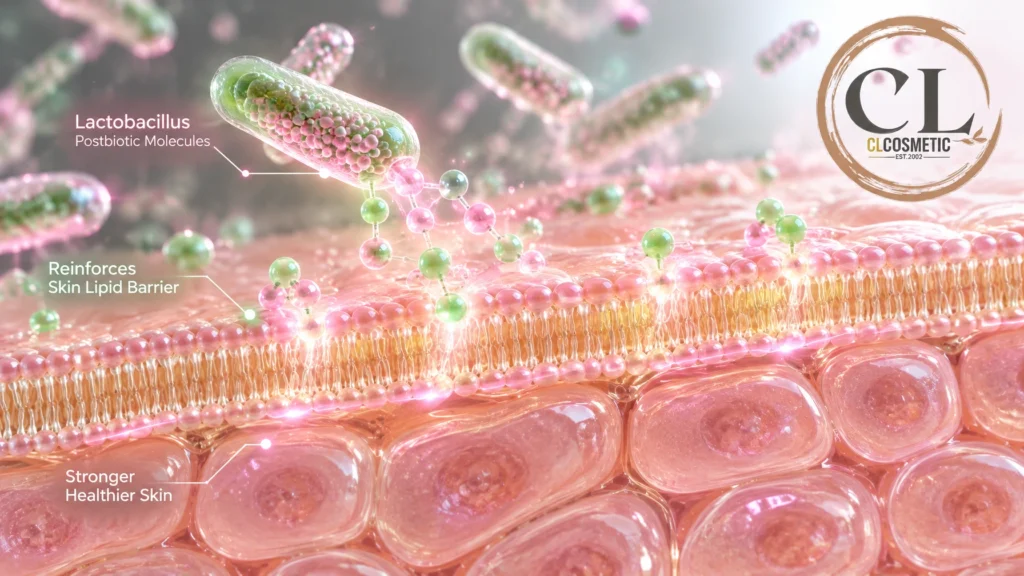
Lactic Acid is the naturally occurring organic acid produced by Lactobacillus bacteria in healthy intimate tissue. Adding bio-fermented Lactic Acid to an intimate wash or gel buffers the formula precisely to a pH of 3.8 to 4.2. This reinforces the natural acid mantle and prevents the proliferation of odor-causing bacteria without using harsh synthetic chemicals.
2. Prebiotics and Postbiotics (Lactobacillus Ferment & Inulin)
Rather than using synthetic antibacterial agents like Triclosan (which kill both good and bad bacteria), modern Halal Intimate Care utilizes microbiome-supportive bio-actives:
- Prebiotics (Inulin & Alpha-Glucan Oligosaccharides): Serve as selective nutrients that nourish beneficial resident microflora.
- Postbiotics (Lactobacillus Ferment): Deliver bioavailable bacteriocins and peptides that calm localized redness and actively suppress pathogenic yeast growth.
3. Soothing Botanical Extracts (Cica, Chamomile, Green Tea)
Delicate intimate skin is prone to micro-irritation from friction, waxing, shaving, and synthetic sanitary wear. Incorporating high-purity botanical extracts like Centella Asiatica (Cica), Chamomile (Matricaria recutita), and Green Tea Polyphenols calms razor burn, neutralizes oxidative stress, and provides immediate cooling comfort.
4. Safe Intimate Brightening Actives (Niacinamide & Alpha Arbutin)
Underarm and inner thigh hyperpigmentation is a widespread concern. By infusing intimate serums or leave-on gels with gentle brightening actives like 2% Niacinamide and Alpha Arbutin, brands offer safe discoloration control that inhibits excess melanin synthesis without risking chemical burns.
For a deeper technical dive into active stabilization and micro-encapsulation, read our published report on Biotech Actives: Strategic Integration for Brand Differentiation in Manufacturing.
Product Formats: Washes, Foams, Gels, and Serums
Because CL Cosmetic Industries strictly avoids manufacturing pressurized aerosol cans or decorative makeup, our R&D specialists focus entirely on high-performance liquid, gel, and emulsion delivery systems.
1. Daily Liquid Intimate Wash
The foundational hero product for any intimate care range. Formulated as a gentle, low-foaming gel cleanser, it washes away cleanly without leaving residue. Packaged in elegant pump bottles or flip-top tubes, it provides daily freshness for shower routines.
2. Self-Foaming Intimate Cleanser (Non-Aerosol)
Utilizing specialized non-pressurized foam pumps, this format transforms the liquid formula into a rich, cloud-like foam upon dispensing. It offers an exceptionally soft tactile experience, reducing physical friction on delicate skin, making it ideal for postpartum care and sensitive skin lines.
3. Soothing Post-Waxing & Shaving Gel
A leave-on, oil-free gel formulated with high concentrations of Aloe Vera, Centella Asiatica, and Lactic Acid. Applied immediately after hair removal, it cools the skin, prevents ingrown hairs, and stops razor bumps before they develop.
4. Brightening Intimate Serum
A concentrated, water-light serum applied via a dropper pipette. Designed to target localized hyperpigmentation on the inner thighs and bikini line, it combines Niacinamide, Hyaluronic Acid, and postbiotics to restore even skin tone while delivering deep hydration.
Active Ingredient Comparison Matrix for Halal Intimate Care
To assist brand owners in designing their customized product line, the comparative matrix below outlines key active ingredient selections, usage levels, and functional benefits engineered during the OEM formulation process:
| Active Ingredient | Primary Functional Mechanism | Target Benefit | Recommended Format | Halal & Regulatory Status |
| Lactic Acid | Biological pH buffering (pH 3.8-4.2) | Restores acid mantle; inhibits odor | Washes, Foams & Serums | Bio-fermentation; 100% Halal |
| Lactobacillus Ferment | Postbiotic microbiome balancing | Suppresses pathogenic yeast & calms skin | All Formats | Fermentation origin; Halal certified |
| Niacinamide (B3) | Inhibits melanosome transfer | Fades friction hyperpigmentation | Intimate Serums & Gels | Synthetic B3; Halal certified |
| Centella Asiatica | Downregulates inflammatory cytokines | Soothes razor burn & friction irritation | Post-Wash Gels & Serums | Botanical extraction; Halal certified |
| Coco-Glucoside | Ultra-gentle non-ionic surfactant | Cleanses without stripping lipid barrier | Washes & Foaming Cleansers | Plant-derived; Halal certified |
| Inulin | Selective prebiotic nutrient | Fuels beneficial Lactobacillus microflora | Washes & Daily Foams | Plant extraction; Halal certified |
In-House Laboratory vs OEM Manufacturing: Commercial ROI Analysis
Attempting to formulate intimate care products in uncertified facilities carries severe risks. Intimate products are used on highly permeable mucosal tissue; an unstable pH or microbial contamination can lead to immediate consumer lawsuits and regulatory bans.
Partnering with an established contract manufacturer like CL Cosmetic Industries eliminates operational risk and provides a clear commercial advantage:
| Commercial Metric | In-House / Uncertified Facility | CL Cosmetic OEM Partnership |
| Microbiological Safety | High Risk (Prone to bacterial growth) | Highly reliable (typically USP 51 Challenge Tested) |
| pH Stability Control | Unstable (Prone to pH drift over time) | Precision buffered (Maintains pH 3.8 – 4.5) |
| JAKIM Halal Verification | Complex & costly multi-year audit | Immediate access to certified cleanrooms |
| Initial Capital Investment | High (RM 1.0M+ setup costs) | Low (Flexible starting order tiers) |
| NPRA Quest3+ Filing | High risk of regulatory rejection | Turnkey regulatory registration |
By leveraging our established infrastructure, brand owners save capital, avoid product recalls, and accelerate their commercial timeline.
Step-by-Step OEM Workflow: Launching Your Intimate Care Line
Executing a successful product launch requires a structured, multi-phase manufacturing process. Below is the standard commercialization roadmap executed by our contract manufacturing division:
[Phase 1: Brand Consultation] ➔ [Phase 2: Custom Lab Formulation]
│
[Phase 4: Commercial Production] ◄─ [Phase 3: Testing & Quest3+ Filing]
Phase 1: Strategic Brand & Regulatory Briefing
Define your target demographic, desired product formats (wash, foam, or serum), and primary claims (e.g., “pH 4.0 Balanced”, “Dermatologically Tested”, or “Intimate Brightening”). Our regulatory team audits your target formula against current National Pharmaceutical Regulatory Agency (NPRA) guidelines.
Phase 2: Custom Laboratory R&D & Prototyping
Our chemists develop trial samples in our Kajang laboratory. We calibrate the exact pH, foam density, fragrance profile (using hypoallergenic, IFRA-compliant scents), and sensory feel until it matches your brand vision. This process connects with modern consumer trends, as detailed in our analysis on Genomics-Driven Skincare ROI: What Beauty Entrepreneurs Need to Know in 2026.
Phase 3: Stability Testing & NPRA Quest3+ Filing
Because intimate washes contain high water content, prototypes undergo rigorous 12-week accelerated thermal stability testing at 45°C, freeze-thaw temperature shifts, and USP 51 microbial challenge testing. Upon validation, we compile the Product Information File (PIF) and register the formula on the NPRA Quest3+ portal.
Phase 4: Automated GMP Commercial Production & Filling
Mass manufacturing takes place in NPRA-verified GMP cleanrooms. Your finished formula is filled into primary packaging using automated machinery, batch-coded, shrink-wrapped, and delivered directly to your warehouse ready for distribution.
Brand owners ready to start custom prototyping can submit their project brief directly via our turnkey private label skincare portal.
Why Partner with CL Cosmetic Industries?
Selecting the right contract manufacturer is the foundation of your brand’s success. Located strategically in Kajang, Selangor, CL Cosmetic is a trusted OEM & ODM partner for emerging beauty startups, established personal care lines, and medical wellness brands across Malaysia, Singapore, and international markets.
Here is why leading personal care brands choose CL Cosmetic:
- 100% Halal & GMP Certified: Our facilities operate under strict NPRA-verified Good Manufacturing Practice standards and JAKIM Halal guidelines, ensuring absolute safety and compliance for global Muslim markets.
- Specialized Physiological R&D: Our cosmetic chemist team possesses the specialized knowledge required to engineer precise, pH-buffered, postbiotic intimate care formulas that support skin barrier health.
- Comprehensive Regulatory Services: We manage the administrative burden, handling NPRA Quest3+ product notifications and Product Information File (PIF) compilation, etc
- Flexible Starting Tiers: We offer flexible Minimum Order Quantities (MOQs) to help growing beauty entrepreneurs launch and scale their brands efficiently.
To learn more about our corporate background and to schedule a consultation, visit the main CL Cosmetic home platform.
Scientific References & Industry Citations
To ensure complete transparency and credibility for our brand partners, the biochemical mechanisms and regulatory standards detailed in this guide are supported by these peer-reviewed research papers and official databases:
- National Center for Biotechnology Information (NCBI): The Vulvovaginal Microbiome and the Role of Intimate Hygiene Products (PubMed). Clinical studies confirming the necessity of maintaining an acidic pH (3.8-4.5) to support resident Lactobacillus species.
- World Health Organization (WHO): Comprehensive Cervical Cancer Control & Reproductive Health Guidance. Public health guidelines emphasizing the avoidance of harsh alkaline soaps and unverified chemical douches in intimate personal care.
- Department of Islamic Development Malaysia (JAKIM): Malaysian Standard MS 2200: Part 1: 2008 (Islamic Consumer Goods – Cosmetic and Personal Care). The official framework outlining the prohibition of non-dhabihah animal lipids and intoxicating ethanol in personal care manufacturing.
- European Scientific Committee on Consumer Safety (SCCS): Opinion on the Safety of Niacinamide and Alpha Arbutin in Cosmetic Products. Safety assessments validating non-toxic usage thresholds for skin brightening actives.
Frequently Asked Questions (FAQs)
1. What is the ideal pH for a Halal intimate wash, and why is it lower than regular body wash?
The ideal pH for an intimate wash ranges strictly between 3.8 and 4.5. This acidic environment matches the natural vulvovaginal micro-environment, fueling beneficial Lactobacillus bacteria. Standard body washes have a pH of 5.5 to 8.0, which destroys this natural acid mantle and triggers bacterial dysbiosis.
2. Are intimate care products certified Halal by JAKIM safe for daily use?
Yes. JAKIM Halal certification mandates that every raw material is non-toxic, free from intoxicating ethyl alcohol, and ethically sourced. Combined with NPRA-certified GMP cleanroom standards, our intimate care formulations are dermatologically safe for daily shower routines.
3. Can CL Cosmetic Industries formulate intimate brightening serums for hyperpigmentation?
Yes! CL Cosmetic is capable of formulating gentle, non-irritating intimate brightening serums. By combining 2% Niacinamide, Alpha Arbutin, Hyaluronic Acid, and postbiotics, the serums safely fade friction hyperpigmentation on the bikini line and inner thighs.
4. How long does the complete Halal Intimate Care OEM manufacturing process take?
The standard turnkey development timeline ranges between 12 and 16 weeks. This includes 3 to 4 weeks for lab R&D and sensory adjustments, 6 to 8 weeks for mandatory thermal stability and USP 51 microbial challenge testing, and 3 to 4 weeks for NPRA Quest3+ product notification and final mass production.