
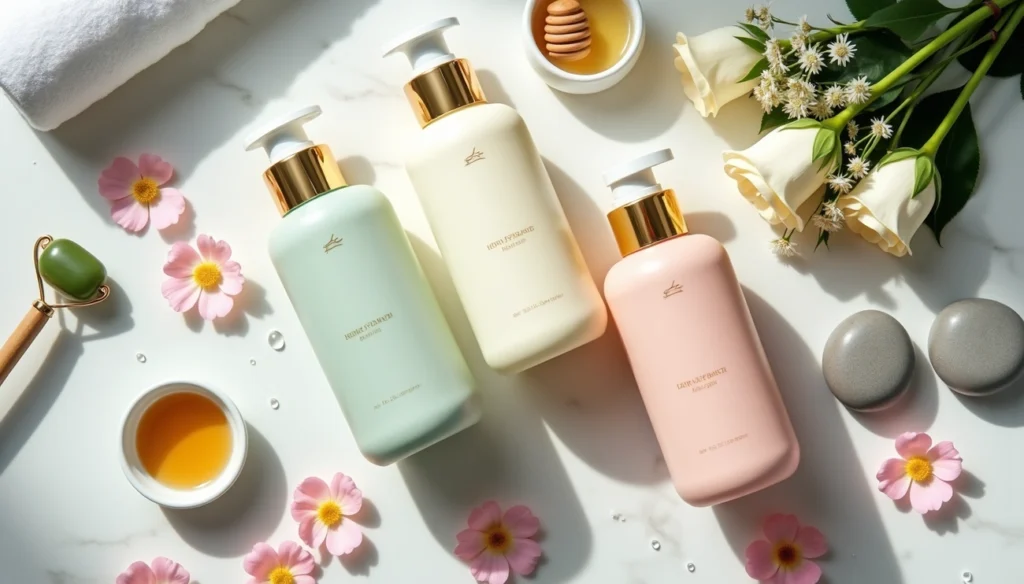
Post-festive rejuvenation rituals for Halal brands are essential for helping customers recover from the overwhelm and fatigue that often follow celebrations. Without focusing on this need for recovery, your audience may face rising stress and burnout. Implementing these rituals ensures your brand supports their wellbeing long after the festival ends.
We’re seeing predictive demand for post-festive care grow by a lot, especially as consumers seek Shariah-compliant recovery rituals that address skin fatigue. Brands manufacturing in Malaysia, a high-trust manufacturing hub, have a powerful market chance. This piece will explore what your customers need and how to position your brand as their trusted recovery solution.
The Post-Festive Recovery Market Opportunity
Growing Consumer Awareness
The skincare market has experienced a fundamental change in how consumers approach their routines. 80% of adults are now adopting a preventative approach to their beauty routines and prioritize consistent, long-term care and maintenance over reactive solutions. This change reflects a deeper understanding of skin health that extends beyond surface-level concerns.
Skin stability has moved front of mind for consumers. 47% of them are adapting their routines due to environmental factors and flare-ups. They seek products that build resilience mentally and physically. The days of chasing quick fixes have given way to what consumers now view as a “skinvestment” with focus on outcomes and long-term results through gentle but effective formulas.
This awareness creates fertile ground for post-festive rejuvenation rituals for Halal brands. Consumers prefer halal-certified products owing to the ingredients used and safety standards, even in non-Muslim countries. The safety and quality of halal-certified cosmetic standards rank higher compared with standard cosmetic products that are commercially available. Brands positioned around repair and Shariah-compliant recovery rituals meet an established consumer need rather than creating one.
Predictive Demand for Post-Festive Care in 2026
The numbers tell a compelling story. The global halal cosmetics market was valued at USD 53.12 billion in 2025 and is projected to be worth USD 59.14 billion in 2026, reaching USD 143.02 billion by 2034 with a CAGR of 11.67%. The skin care segment holds a dominant share of 33.68% in 2026 within this market.
The skin care treatments market presents parallel growth. Valued at USD 6.9 billion in 2026, it’s projected to reach USD 12.6 billion by 2036 and expand at a 6.30% CAGR. This expansion stems from rising awareness of skin barrier health and increasing exposure to environmental stressors such as pollution and UV radiation. Growing demand for corrective care following procedures also drives this growth.
The emphasis on barrier repair grounds itself in established dermatology science. Ceramide-enriched formulations have become central to modern repair protocols. Brands embedding repair treatments into core skincare architectures supported by clear barrier science are better placed to drive repeat adoption. The market has changed from symptom-led soothing toward long-term barrier maintenance and preventive skin resilience.
Mass market dynamics reveal another chance. While prestige beauty has plateaued, mass brands delivering science-backed formulas with hero ingredients like peptides and ceramides at available price points have surged. The UK saw mass skin care grow by 21% while premium skin care increased 7%. This signals consumers trade down to value-driven brands that deliver clear efficacy or invest in luxury only when brands state why behind the premium.
Regional Market Differences
Geographic variations in growth rates reveal where to focus product development and marketing efforts. China leads with an impressive CAGR of 8.5%, driven by severe urban pollution causing barrier damage and government health initiatives promoting skin protection. The country’s environmental challenges create acute demand for resilience-based product development and skin longevity biomarkers in 2026.
India follows at 7.8% CAGR and benefits from rising disposable incomes and increasing dermatology consultation rates in urban centers. Consumers from developing countries such as Saudi Arabia and India are spending more on skin care and makeup products. This spending pattern favors brands manufacturing in Malaysia, high-trust manufacturing hub with export capabilities.
Germany demonstrates reliable 7.2% growth and reflects strong pharmacy channel presence and consumer preference for dermatologist-recommended brands. The demand for products in European countries is driven by rising consumer awareness regarding animal cruelty, while the ongoing vegan trend supports halal cosmetics.
Brazil shows 6.6% CAGR driven by harsh sun exposure and growing medical esthetics adoption. The United States projects 5.9% growth with mature market dynamics and established dermatologist-dispensed product channels. The U.S. halal cosmetics market is projected to reach USD 2.67 billion by 2026 and represents a significant opportunity for brands offering high-performance Halal necessities.
What Your Customers Are Really Looking For
Immediate Relief from Skin Fatigue
Late nights, makeup layers, and indulgent food create oxidative stress that lingers long after festivities end. Your customers face visible consequences: dullness, puffy eyes, dark circles, and dehydrated skin that looks darker. Celebrations increase cortisol levels and cause breakouts, while makeup clogs pores and compromises the skin barrier.
Post-festive skin fatigue isn’t merely cosmetic. Sleep deprivation combined with environmental stressors creates a recovery challenge that just needs immediate intervention. Customers seek products delivering rapid visible results. They want deep cleansing formulations that remove impurities without harsh scrubbing and hydration treatments with hyaluronic acid and glycerin to replenish water levels instantly. Anti-inflammatory ingredients calm redness and soothe irritation.
Skin feels congested and tired after the festive period. Gentle cleansers remove makeup and grime as the first reset step. Hydrating masks tackle dryness, dehydration, and enlarged pores at once. Targeted treatments with peptides and moisture magnets provide instant brightening for puffy eyes and dark circles.
Long-Term Resilience-Based Product Development
Resilience-based product development represents a fundamental move from symptom treatment to building skin strength at the cellular level. Traditional anti-aging products target wrinkles, but resilience-focused formulations boost the skin’s adaptability to environmental stress.
Studies confirm that a strong skin barrier reduces sensitivity and prevents dryness and dullness. Ingredients stimulating collagen and reinforcing the extracellular matrix maintain structural health and boost skin longevity. Sensitive skin experiences 16% higher oxidative stress compared to non-sensitive skin under modern environmental conditions.
Your customers want products supporting what their skin does: stay balanced, hydrated, and protected. Bioactive repair ingredients involve the skin’s signaling systems and help rebuild structure, restore balance, and reduce visible irritation. The most advanced formulas now help skin resist damage and rebuild from within. Long-term recovery and visible transformation are priorities.
High-Performance Halal Necessities
Performance drives purchasing decisions. Muslim millennials demonstrate a strong commitment to ethical products, with 73% willing to pay more for products meeting their values. This willingness stems from understanding that halal skincare provides verified compliance, confirmed product safety, regulatory adherence, consumer trust, and market competitiveness.
Halal certification ensures the entire production chain has been vetted according to requirements. This includes ingredient safety, manufacturing processes, and potential cross-contamination. Critical ingredients include animal-derived components like collagen, elastin, and placenta extract, which must come from permissible sources slaughtered according to Islamic law.
Products That Line Up with Shariah-Compliant Recovery Rituals
Shariah-compliant recovery rituals extend beyond ingredient lists. Halal skincare represents a guarantee of safety, cleanliness, and adherence to Islamic law. Faith is an integral part of the lifestyle for Muslim consumers and influences everything consumed, injected, inhaled, and applied topically.
Consumers choosing halal skincare avoid certain alcohols, forbidden animal gelatines, and chemicals causing short or long-term harm. Halal spas integrate Islamic wellness concepts and offer traditional treatments like hijama cupping therapy and hamiz massage with tadleek oil. These facilities strictly adhere to Shariah principles, including decorations, gender separation, and same-gender professionally qualified technicians.
Products incorporating traditional Islamic ingredients strike a chord. Formulations featuring fig, pomegranate, and honey line up with natural remedies central to Islamic traditions, where honey represents healing.
Building a Complete Post-Festive Product Range
A detailed post-festive product range addresses multiple recovery stages at once. Customers need targeted solutions that work together, not isolated products promising overnight miracles.
Deep Cleansing and Detox Formulations
Cleansers remove dirt, oil, and impurities that accumulate and contribute to acne, inflammation, and skin issues. Double cleansing is significant for post-festive recovery. Start with oil-based formulations to break down makeup residue, then follow with water-based cleansers for deeper purification. Detoxifying face masks with encapsulated charcoal offer controlled release without the drying effects of traditional charcoal powders. Bentonite and Kaolin clays absorb excess oil and draw out impurities. They work with natural exfoliants to slough away pollution, makeup, bacteria, and dead skin cells accumulated during celebrations.
Intensive Hydration Treatments
Skin boosters deliver hyaluronic acid through micro-injections. They restore moisture at the cellular level and boost texture, elasticity, and radiance. Hyaluronic acid holds up to 1,000 times its weight in water. This makes it one of the foundations for intensive hydration treatments. Formulations that combine hyaluronic acid with glycerin create humectant-rich treatments that lock moisture into skin. Products enriched with ceramides, squalane, and natural oils strengthen the protective barrier for stable-shelf-life recovery kits. They retain moisture and shield against environmental stressors.
Anti-Inflammatory and Soothing Care
Halal-certified anti-inflammatory OEM formulations target root mechanisms rather than surface symptoms. Aloe vera provides soothing and anti-inflammatory benefits. It calms irritated skin and reduces redness. Chamomile delivers anti-inflammatory action to reduce inflammation. Green tea offers antioxidant protection against free radical damage. Colloidal oatmeal contains avenanthramides with anti-inflammatory and anti-itch properties. This makes it effective for soothing irritated skin. Niacinamide strengthens the skin barrier and reduces redness and irritation.
Skin Rejuvenation and Repair Solutions
PDRN for cellular rejuvenation stimulates collagen production and encourages cellular renewal. It repairs damage from environmental and aging factors. Profhilo contains one of the highest concentrations of hyaluronic acid. It integrates into tissue to restore levels found there. Vitamin C serums reduce pigmentation and brighten skin. Retinol boosts collagen production and accelerates cell turnover. Bio-fermented active ingredients like probiotics boost formula efficacy and provide targeted skin benefits.
At-Home Spa Experience Products
DIY halal beauty recipes provide natural, Shariah-compliant alternatives that promote eco-friendly beauty practices. Massage oils infused with lavender or lemongrass calm the senses and relax the body after stressful periods. Facial kits suitable for all skin conditions relax facial muscles, refine pores, and balance skin tone for revitalized complexions. Bespoke rejuvenation OEM solutions with traditional Islamic ingredients like fig, pomegranate, and honey arrange treatments with faith-based wellness values.
Is your brand ready for the next post-festive calibration? Visit the homepage to submit your project brief/ideas/brand(s) vision via the available form or connect with CL Cosmetic Industries’ R&D lab via WhatsApp / live chat button on the homepage to create your rejuvenation series.
Manufacturing Standards That Build Customer Loyalty
Manufacturing excellence separates brands that customers trust from those they question. Certification and quality standards are the foundations of customer loyalty for post-festive rejuvenation rituals in Halal brands.
JAKIM Certification Requirements
JAKIM certification remains voluntary for cosmetics but carries substantial market advantages. The Malaysia high-trust manufacturing hub benefits from JAKIM’s global recognition by leading halal authorities, including BPJPH (Indonesia) and MUIS (Singapore).
All ingredients must be halal-certified or verified permissible, with no cross-contamination from non-halal materials. Halal certificates from Malaysia’s authority or recognized foreign certification bodies are mandatory for animal-derived ingredients. Ingredients lacking halal certification require supporting documents that detail material composition, sources, and production processes.
Facility requirements prevent cross-contamination through proper layout and halal-compliant cleaning procedures. Segregated storage systems and approved pest control measures complete the setup. Personnel must receive training in halal compliance. Management must demonstrate commitment to maintaining halal integrity throughout operations.
Applications proceed through Malaysia’s MYeHALAL system and require official SSM registration and necessary local authority licenses. Common pitfalls include incomplete documentation that delays applications, insufficient Halal Assurance System records, and inadequate product labeling.
Quality Control for Skin Longevity Biomarkers 2026
Quality control for skin longevity biomarkers 2026 demands rigorous testing protocols. Bespoke rejuvenation OEM solutions undergo a detailed evaluation that scrutinizes ingredients, manufacturing methods, and hygiene standards. This ensures products meet high-quality standards.
Stable-Shelf-Life Recovery Kits
Stability testing determines shelf life through accelerated and real-time methods. Products targeting a minimum three-year shelf life undergo accelerated stability testing at high temperatures. Weekly observations monitor color, pH, viscosity, and odor changes.
Challenge testing verifies preservative system efficacy across different shelf-life stages. Fresh products receive injections of high-level bacteria, molds, or yeasts. Observation over 28 days confirms preservative effectiveness. Aged samples undergo similar testing to ensure time-zero performance is maintained throughout product life.
Transparent Ingredient Sourcing
Consumers just need transparency in all product development aspects, especially when you have ingredient sourcing. Halal brands prioritize traceability throughout supply chains and ensure responsible sourcing and ethical practices. Blockchain technology is a great way to get secure tracking of ingredient journeys from source to finished product. This provides greater consumer confidence.
Malaysia’s resilient halal cosmetics market merges with organic trends as consumers prioritize plant-based and cruelty-free products. Shariah-compliant recovery rituals require clear sourcing standards that are accessible to more people through website disclosures, product packaging, or sustainability reports.
Positioning Your Brand as the Trusted Recovery Solution
Trust is the bridge between manufacturing excellence and customer loyalty. Educational content establishes your brand as an authority on post-festive rejuvenation rituals for Halal brands and transforms browsers into believers.
Educational Content Marketing
Content marketing builds trust by providing valuable information throughout the customer experience. Educational blog posts explain skincare ingredients, routines, and solutions for specific concerns. They position brands as trusted authorities. Video tutorials demonstrate product application techniques and share expert skincare advice. Before-and-after showcases highlight real results. Educational content appeals to audiences when it addresses specific needs. Your brand becomes the go-to resource for Shariah-compliant recovery rituals.
Leveraging Malaysia’s Reputation as a Manufacturing Hub
Malaysia is pioneering the establishment of a national Halal certification system. JAKIM, Malaysia’s Halal certification system, has strengthened its stature through a network of over 80 foreign certification bodies from more than 45 countries. This credibility improves the reputation of halal-certified suppliers, especially when you have brands offering high-performance Halal necessities.
Customer Testimonials and Clinical Validation
Testimonials serve as social proof and provide potential customers with a chance to learn about product effectiveness firsthand. Around 73% of purchasing decisions are made at the point of sale. Authentic customer narratives are powerful trust-builders. Genuine testimonials improve brand credibility and establish your brand as a trusted source of beauty solutions.
Packaging That Communicates Care and Trust
Packaging quality signals attention to detail, consistency, and reliability. Transparent ingredient listing and green materials demonstrate environmental responsibility. About 60-70% of customers are willing to spend more on green packaging. Well-designed packaging sets expectations and communicates whether a brand delivers premium results or falls short.
Conclusion
The post-festive recovery market presents the most important chance for halal brands positioned around science-backed resilience. Your customers need more than quick fixes. They seek high-performance formulations that match their faith and deliver measurable results. Manufacturing excellence through JAKIM certification and quality controls separates trusted brands from alternatives. Brands combining barrier science and traditional Islamic ingredients with transparent sourcing create lasting customer loyalty. Is your brand ready for the next post-festive calibration? Visit the homepage to submit your project brief/ideas/brand(s) vision via the available form or connect with CL Cosmetic Industries’ R&D lab via WhatsApp / live chat button on the homepage to develop your rejuvenation series.
Key Takeaways
The post-festive recovery market offers substantial growth opportunities for halal brands, with consumers increasingly seeking science-backed, faith-compliant skincare solutions that address celebration-induced skin fatigue and build long-term resilience.
• The halal cosmetics market is booming: Projected to reach $143.02 billion by 2034 with 11.67% CAGR, driven by consumer preference for safer, ethically-sourced products.
• Post-festive skin needs immediate and long-term solutions: Customers require deep cleansing, intensive hydration, anti-inflammatory care, and resilience-building formulations that address celebration-induced fatigue.
• JAKIM certification builds unshakeable customer trust: Malaysia’s globally-recognized halal standards create competitive advantages through verified ingredient safety and manufacturing excellence.
• Educational content marketing establishes brand authority: Positioning your brand as the trusted recovery solution requires transparent ingredient sourcing, clinical validation, and expert guidance on Shariah-compliant skincare rituals.
• Science-backed formulations drive purchasing decisions: 73% of Muslim millennials pay a premium for products aligning with their values, especially those featuring traditional Islamic ingredients like honey, fig, and pomegranate.
The convergence of faith-based wellness, barrier science, and premium manufacturing standards creates a powerful foundation for brands ready to capture this expanding market opportunity.
FAQs
Q1. Why is post-festive skincare important for halal beauty brands? Post-festive periods create specific skin challenges, including fatigue, dehydration, and barrier damage from late nights, heavy makeup, and dietary indulgences. Halal brands have a unique opportunity to address these concerns with Shariah-compliant formulations that combine immediate relief with long-term resilience-building, meeting the growing consumer demand for ethical, science-backed recovery solutions.
Q2. What ingredients should halal post-festive skincare products contain? Effective post-festive formulations should include hyaluronic acid for intensive hydration, ceramides for barrier repair, niacinamide for anti-inflammatory benefits, and traditional Islamic ingredients like honey, fig, and pomegranate. These components address immediate concerns like dullness and puffiness while building long-term skin resilience, all while maintaining halal certification standards.
Q3. How does JAKIM certification benefit halal cosmetic brands? JAKIM certification provides global recognition and builds customer trust through verified ingredient safety and manufacturing excellence. It ensures complete supply chain compliance, prevents cross-contamination, and demonstrates commitment to both Islamic principles and quality standards, giving brands a competitive advantage in the rapidly growing halal cosmetics market.
Q4. What makes Malaysia a preferred manufacturing hub for halal cosmetics? Malaysia pioneered the national halal certification system through JAKIM, which is recognized by over 80 foreign certification bodies across 45+ countries. This established infrastructure, combined with robust quality control standards and expertise in halal-compliant manufacturing, positions Malaysia as a trusted source for high-performance halal beauty products.
Q5. How can halal brands build customer loyalty in the post-festive skincare market? Brands build loyalty by combining manufacturing excellence with educational content marketing, transparent ingredient sourcing, and clinical validation. Offering complete product ranges that address multiple recovery stages, from deep cleansing to intensive repair, while maintaining JAKIM certification and incorporating traditional Islamic wellness concepts, creates lasting customer trust and repeat purchases.