
![Waterless Beauty: Essential Guide to Formats, Logistics, and Implementation [Year 2026]](https://clcosmetic.com/wp-content/uploads/2026/03/Waterless-Beauty-Essential-Guide-to-Formats-Logistics-and-Implementation-Year-2026-1024x584.webp "Waterless Beauty: Essential Guide to Formats, Logistics, and Implementation [Year 2026] 1")
Waterless beauty represents a fundamental change in how we approach cosmetic manufacturing and brings the most important advantages in sustainability and logistics. Anhydrous skin care manufacturing eliminates water as a primary ingredient. This results in concentrated beauty formulas that just need fewer preservatives and reduce shipping weight while extending the product’s shelf-life. Water-free beauty formulations include powder-to-liquid cosmetics and waterless shampoo bars. These formulations give brands improved supply chain efficiency in cosmetics and address the growing consumer interest in clean beauty manufacturing trends in 2026. Above all, sustainable cosmetic packaging combined with lightweight shipping creates measurable ROI through reduced carbon footprint shipping.
What is Waterless Beauty and Why It Matters Now
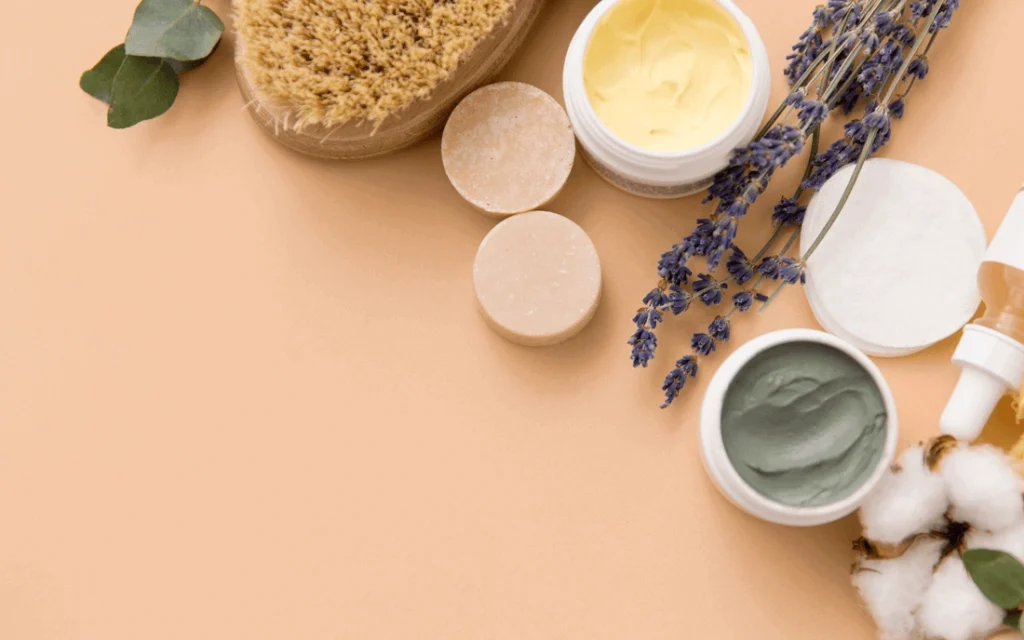
Image Source: Essentially Natural
Defining Anhydrous Skin Care Manufacturing
Anhydrous skin care manufacturing removes water from formulations entirely. This production method relies on oil-based carriers, butters, waxes, and powders to deliver active ingredients. Traditional cosmetic products have 60-80% water, which serves as an inexpensive filler that dilutes potent ingredients. Formulations become concentrated beauty formulas when we eliminate water. They pack more active ingredients into smaller volumes.
The chemistry behind anhydrous formulations is different from water-based products. Microbial growth becomes nearly impossible without water. This eliminates the need for synthetic preservatives like parabens and phenoxyethanol. The move produces preservative-free cosmetic stability that appeals to consumers who seek minimalist beauty ingredients. More than that, concentrated formulas just need different packaging approaches and storage methods compared to their water-laden counterparts.
Global Water Lack in the Beauty Industry
Manufacturing facilities consume massive quantities of water for production, cleaning, and quality control processes. A single cosmetic manufacturing plant can use thousands of gallons daily. This places strain on local water supplies in regions that already face a lack of water. So brands face mounting pressure to reduce their water footprint throughout the supply chain.
Water shortage affects raw ingredient sourcing as well. Agricultural production of botanical extracts just needs irrigation, while water-intensive farming practices deplete aquifers in drought-prone areas. The beauty industry’s reliance on water extends beyond the final product and covers every stage from ingredient cultivation to facility operations.
Waterless beauty formulations address these concerns by cutting water usage during manufacturing. Powder-to-liquid cosmetics and solid beauty products require minimal water in production. They reduce facility consumption by up to 95% compared to traditional liquid manufacturing. This reduction translates into lower operational costs and decreased environmental effects.
Consumer Priorities for Clean Beauty Manufacturing Trends 2026
Shoppers inspect ingredient lists and seek transparency in cosmetic formulations. Clean beauty manufacturing trends 2026 show consumers who prioritize products with recognizable ingredients and minimal chemical preservatives. Water-free beauty formulations line up with these priorities by offering shorter ingredient lists. They eliminate preservative systems required in water-based products.
Sustainability concerns drive purchasing decisions across demographics. Consumers connect waterless formulations with reduced carbon footprint shipping and recognize that lighter products require less fuel for transportation. This awareness extends to packaging, where buyers favor brands that use plastic-free cosmetic shipping materials and sustainable cosmetic packaging options.
The move toward waterless beauty reflects broader changes in consumer values. Buyers want products that perform well while minimizing environmental harm. Balm and stick formulation formats, waterless shampoo bars, and concentrated serums meet these dual priorities. Brands that adopt anhydrous skin care manufacturing gain competitive advantages by addressing both efficacy and sustainability in a single product line.
Market data indicates this trend will accelerate through 2026 and beyond. Consumers are willing to pay premium prices for products that deliver concentrated performance without water waste.
Types of Water-Free Beauty Formulations
The rise of water-free beauty formulations has created distinct product categories. Each offers unique benefits for brands and consumers. Brands can select the right approach for their product lines when they understand these formats.
Powder-to-Liquid Cosmetics
Powder-to-liquid cosmetics activate upon contact with water during application. These formulations contain powdered active ingredients, clays, exfoliants, and botanical extracts in their dry state. The powder transforms into a paste, cream, or liquid texture when consumers add water. This format extends the product shelf-life of anhydrous formulas by a lot since the dry state prevents microbial growth without preservatives.
Brands gain flexibility with powder-to-liquid cosmetics through customizable textures. A single powder base can create different consistencies depending on the water ratio users add. Storage and transportation costs drop compared to liquid products. A 30ml powder concentrate equals 150ml of traditional liquid product, which reduces shipping volume by 80%.
Waterless Shampoo Bars
Waterless shampoo bars compress concentrated surfactants, conditioning agents, and botanicals into solid form. These bars eliminate plastic bottles while delivering 50-80 washes per unit. The concentrated nature means active ingredients remain at full potency until use.
Waterless shampoo bars require different equipment from liquid production. Cold-process methods preserve heat-sensitive ingredients, while hot-pour techniques allow for intricate designs and layering. The solid format withstands temperature fluctuations during shipping and makes it ideal for international distribution. Brands entering markets with limited cold-chain logistics benefit from this stability.
Balm and Stick Formulation
Balm and stick formulation relies on waxes, butters, and oils to create portable, mess-free applications. These anhydrous products include lip balms, deodorants, perfume sticks, and targeted treatment balms. The absence of water creates a protective barrier on the skin and locks in moisture rather than introducing it.
Stick formats offer precise application without contamination from fingers or applicators. This preservative-free cosmetic stability makes them suitable for sensitive skin formulations. Production scales easily since balms solidify at room temperature without complex cooling systems.
Concentrated Beauty Formulas
Concentrated beauty formulas pack maximum active ingredients into minimal volume. Facial oils, serums, and treatment concentrates fall into this category. Users dilute these products themselves or apply them in microdoses. A 15ml concentrated serum matches the efficacy of a 50ml water-based equivalent.
These formulations require precise dosing instructions since overuse can overwhelm skin. But the concentrated nature reduces packaging waste and shipping weight. Brands position these as premium offerings and justify higher price points through ingredient density and sustainable cosmetic packaging.
Solid Beauty Products
Solid beauty products cover cleansing bars, conditioner bars, exfoliating cubes, and mask tablets. These maintain their solid form throughout use, unlike powder-to-liquid cosmetics. Compression or molding techniques bind ingredients without liquid carriers.
Solid beauty products make transportation simpler since spill risks disappear. TSA-friendly formats appeal to travelers, while the compact size reduces the carbon footprint of shipping. Manufacturing facilities report 70% less water consumption when producing solid formats compared to liquid alternatives. This supply chain efficiency in cosmetics translates to cost savings and environmental benefits.
Manufacturing and Product Stability Benefits
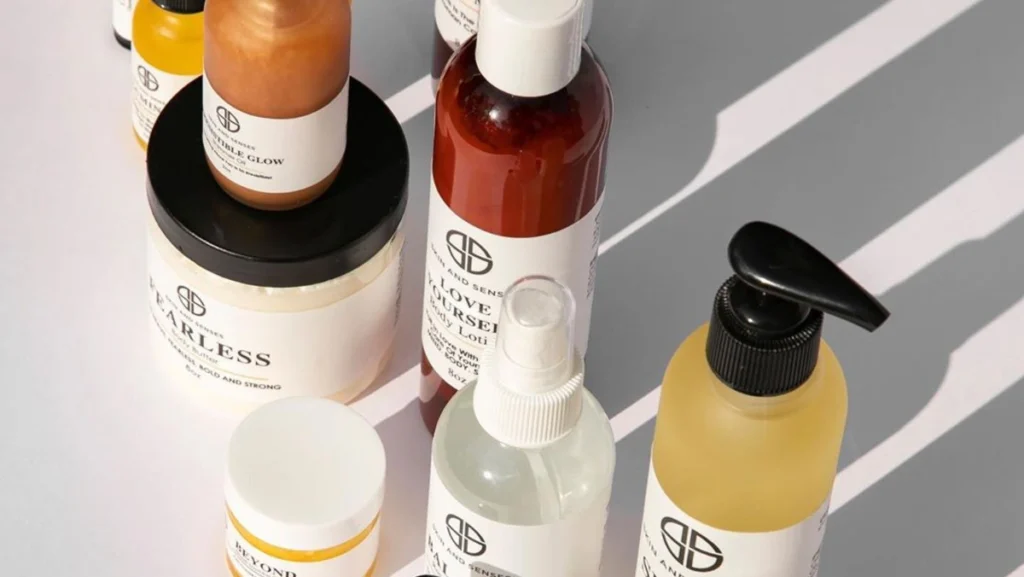
Image Source: Fashionista
Manufacturing waterless beauty products streamlines production while delivering stability advantages that water-based formulations cannot match. The absence of water changes how products behave during manufacturing, storage, and consumer use.
Preservative-Free Cosmetic Stability
Bacteria, mold, and yeast require water to survive and multiply. Removing water from formulations eliminates the environment these microorganisms need. This creates preservative-free cosmetic stability without synthetic antimicrobial systems. Traditional water-based products rely on preservatives like parabens, phenoxyethanol, or benzyl alcohol to prevent contamination, but anhydrous skin care manufacturing bypasses this requirement.
The stability extends beyond microbial control. Water triggers oxidation in many active ingredients and degrades their potency over time. Vitamin C serums, retinol treatments, and peptide formulas suffer oxidation when water is present. Concentrated beauty formulas in anhydrous bases maintain ingredient integrity and deliver consistent results throughout the product’s lifespan. Manufacturing facilities benefit too, as production lines require less rigorous sterilization protocols when water is absent from formulations.
Minimalist Beauty Ingredients
Water-free beauty formulations contain fewer ingredients. Brands don’t need emulsifiers to blend oil and water phases, thickeners to achieve desired textures, or pH adjusters to balance formulations when water is absent. A typical water-based moisturizer contains 15-25 ingredients, while its anhydrous equivalent functions with 6-10 components. This reduction appeals to consumers seeking minimalist beauty ingredients with transparent formulation strategies.
Concentrated actives replace diluted solutions in waterless products. A single drop of anhydrous facial oil can deliver the same botanical extract concentration as a full pump of water-based serum. This concentration reduces packaging waste and shipping volume, improving supply chain efficiency in cosmetics significantly.
Product Shelf-Life of Anhydrous Formulas
Waterless shampoo bars and balm and stick formulation products remain stable for 24-36 months without refrigeration. Water-based products expire within 12-18 months, even with preservatives. An extended product shelf-life of anhydrous formulas reduces waste from expired inventory and allows for longer distribution chains to remote markets.
Temperature fluctuations affect water-based products during shipping and storage. Freezing can separate emulsions, while heat accelerates preservative breakdown. Solid beauty products withstand temperature variations without compromising stability. This makes them ideal for reduced carbon footprint shipping in varied climates.
Custom Waterless Formulation Services
Brands entering waterless beauty need manufacturing partners with specialized expertise in anhydrous systems. Custom waterless formulation services require different equipment, ingredient knowledge, and quality control processes compared to traditional liquid manufacturing. Our facility holds GMP certification issued by Malaysia’s NPRA (National Pharmaceutical Regulatory Agency), which operates under the Ministry of Health. Being listed on the official NPRA QUEST 3+ directory represents the gold standard for brands looking to enter Malaysian and global markets with confidence in safety and quality standards.
Ready to work with sustainable, high-performance waterless formulas? Visit our homepage to send an inquiry or chat with our experts via WhatsApp to start your formulation trip with a certified manufacturing partner.
Logistics and Supply Chain Advantages
Image Source: ECI Software Solutions
Distribution networks for waterless beauty operate with different economics compared to traditional liquid cosmetics. The concentrated nature of water-free beauty formulations creates cascading benefits throughout the supply chain, from warehouse storage to final delivery.
Reduced Carbon Footprint Shipping
Transportation emissions drop a lot when product weight decreases. A standard shipping container holds 20,000 units of traditional liquid shampoo bottles or 35,000 waterless shampoo bars occupying the same volume. This density advantage means fewer shipments move more product and cut fuel consumption by 40-60% per unit delivered. Freight costs scale with weight, making lighter shipments more economical and sound for the environment.
Air freight, the most carbon-intensive shipping method, becomes viable for waterless products where it wasn’t before. Solid beauty products bypass liquid restrictions on aircraft and open faster distribution routes without the environmental penalty of heavier water-based alternatives. Brands reach international markets in days rather than weeks while maintaining smaller carbon footprints.
Lightweight Shipping for Cosmetics
Weight reduction extends beyond the product itself. Powder-to-liquid cosmetics and concentrated beauty formulas just need less protective packaging during transit since they won’t leak or spill. A 50g powder concentrate replacing a 250ml liquid product reduces shipping weight by 80%, translating to lower freight charges and fuel consumption.
Warehousing efficiency improves as well. Storage facilities accommodate five times more waterless inventory in the same footprint and reduce real estate costs and climate control requirements. These savings compound over time as brands scale distribution networks.
Sustainable Cosmetic Packaging
Anhydrous skin care manufacturing enables packaging breakthroughs impossible with liquid formulations. Glass, aluminum, and paperboard containers replace plastic bottles and offer recyclable or compostable end-of-life options. Balm and stick formulation products use push-up tubes made from post-consumer recycled materials, while shampoo bars ship in minimal cardboard sleeves.
Plastic-Free Cosmetic Shipping
Eliminating liquid content removes the need for plastic safety seals, pump mechanisms, and multi-layer bottles designed to prevent leakage. Brands adopting waterless formats report 70-90% reduction in plastic usage across packaging and shipping materials. This move addresses what consumers need for clean beauty manufacturing trends 2026, while improving supply chain efficiency in cosmetics.
Eco-Friendly Supply Chain Beauty
The complete supply chain benefits materialize when brands optimize every touchpoint. Reduced storage space, lower shipping frequencies, minimal packaging waste, and extended product shelf-life of anhydrous formulas create measurable, sustainable beauty ROI. Coupled with manufacturing water savings covered earlier, waterless beauty delivers environmental advantages that compound across the entire value chain.
Implementation Guide for Beauty Brands
Brands thinking about waterless beauty face practical decisions about product transformation, format selection, and operational changes. You need informed choices at each stage to determine both implementation success and long-term viability.
Assessing Your Current Product Line
Identify products where water serves as a filler rather than a functional ingredient. Moisturizers, cleansers, and hair care products contain 70-85% water. This makes them prime candidates for anhydrous reformulation. Get into your best-sellers for concentrated alternatives that maintain brand identity while reducing water content.
Choosing the Right Format for Your Brand
Match product formats to your distribution channels and target audience. Powder-to-liquid cosmetics suit subscription models where customer education happens consistently. Waterless shampoo bars work for travel-focused or zero-waste consumers. Balm and stick formulation appeals to minimalist beauty seekers wanting portable solutions.
Supply Chain Efficiency in Cosmetics
Waterless formats require fewer temperature-controlled shipments and allow bulk ordering without expiration concerns. Anhydrous formulas have extended product shelf-life. This means retailers accept larger inventory commitments and improve cash flow. Brands reduce warehousing costs while expanding distribution reach.
Sustainable Beauty ROI
Track metrics beyond sales revenue. Calculate water savings, packaging reduction percentages, and shipping weight decreases. Brands report 30-50% cost reductions in logistics alone. This creates sustainable beauty ROI that compounds quarterly. These savings offset higher ingredient costs in concentrated formulations.
Scaling Production
Partner with manufacturers holding regulatory credentials for waterless formulations. CL Cosmetic Industries maintains GMP certification issued by Malaysia’s NPRA (National Pharmaceutical Regulatory Agency) under the Ministry of Health. The official NPRA QUEST 3+ directory lists CL Cosmetic Industries. This represents the gold standard for brands entering Malaysian and global markets with confidence in safety and quality standards.
Ready to work with sustainable, high-performance waterless formulas? Visit our homepage to send a question or chat with our experts via WhatsApp. Start your formulation experience with a certified manufacturing partner.
Conclusion
Waterless beauty delivers advantages that extend way beyond sustainability claims. Concentrated formulations reduce shipping costs by 40-60% and eliminate preservative dependencies. They extend shelf life to 36 months. The financial case matches the environmental benefits. Brands adopting anhydrous skin care manufacturing position themselves at the vanguard of clean beauty manufacturing trends 2026. They improve profit margins through supply chain efficiencies at the same time.
Consumer appetite for minimalist beauty ingredients continues to accelerate. This makes waterless formats a necessity rather than a niche option. Partner with certified manufacturers holding NPRA GMP credentials, and you get both regulatory confidence and formulation expertise. Start your waterless transformation today. Capture the dual advantages of sustainability and profitability.
Key Takeaways
Waterless beauty represents a transformative approach to cosmetics that delivers both environmental and business benefits through concentrated formulations and sustainable practices.
• Waterless formulations eliminate 60-80% of traditional product weight, reducing shipping costs by 40-60% while extending shelf life to 36 months without preservatives.
• Five main waterless formats offer distinct advantages: powder-to-liquid cosmetics, shampoo bars, balms/sticks, concentrated serums, and solid products for different market needs.
• Manufacturing benefits include preservative-free stability and 95% reduction in facility water consumption, creating measurable ROI through operational savings.
• Supply chain advantages compound across distribution: lighter shipping, plastic-free packaging, and extended shelf life reduce carbon footprint while improving profit margins.
• Implementation requires strategic format selection and partnerships with certified manufacturers holding regulatory credentials like NPRA GMP certification for market confidence.
The convergence of consumer demand for clean beauty and supply chain efficiency makes waterless formulations essential for brands seeking competitive advantage in 2026 and beyond.
FAQs
Q1. What exactly are waterless beauty products, and how do they differ from traditional cosmetics? Waterless beauty products are formulations that eliminate water as a primary ingredient, instead using oil-based carriers, butters, waxes, and powders to deliver active ingredients. Unlike traditional cosmetics that contain 60-80% water as an inexpensive filler, waterless products are concentrated formulas that pack more active ingredients into smaller volumes. This concentration means they don’t require synthetic preservatives like parabens since bacteria and mold cannot grow without water, resulting in more stable products with longer shelf lives.
Q2. How do waterless beauty products help reduce environmental impact? Waterless beauty products significantly reduce environmental impact through multiple channels. Manufacturing facilities can cut water usage by up to 95% compared to traditional liquid production. The concentrated nature reduces shipping weight by 40-60%, lowering fuel consumption and carbon emissions during transportation. Additionally, these products eliminate the need for plastic bottles and safety seals, with brands reporting 70-90% reduction in plastic usage across packaging and shipping materials.
Q3. What are the main types of waterless beauty formats available? The five main waterless beauty formats include powder-to-liquid cosmetics that activate with water during application, waterless shampoo bars that deliver 50-80 washes per unit, balm and stick formulations for portable applications, concentrated beauty formulas like facial oils and serums, and solid beauty products such as cleansing bars and mask tablets. Each format offers unique benefits for different product categories and consumer preferences.
Q4. Do waterless beauty products last longer than traditional cosmetics? Yes, waterless beauty products have significantly longer shelf lives. Anhydrous formulas remain stable for 24-36 months without refrigeration, compared to water-based products that typically expire within 12-18 months, even with preservatives. The absence of water prevents microbial growth naturally and eliminates oxidation that degrades active ingredients over time, maintaining product potency and effectiveness throughout their lifespan.
Q5. What should beauty brands consider when transitioning to waterless formulations? Brands should start by identifying products where water serves primarily as filler, such as moisturizers and cleansers containing 70-85% water. Choose formats that match your distribution channels and target audience, powder-to-liquid for subscription models, shampoo bars for eco-conscious consumers, or balms for minimalist seekers. Partner with manufacturers holding proper regulatory credentials like NPRA GMP certification, and track metrics beyond sales, including water savings, packaging reduction, and shipping weight decreases to measure ROI.