

SPF stability remains one of the most persistent challenges in sunscreen formulation, particularly with poorly soluble UV filters like triazines. Concentrations above 6% can risk recrystallization in standard emulsions.
Over the last several years, in-silico methodologies have reshaped the scene of SPF stability simulation. Tools like the BASF Sunscreen Simulator and DSM Sunscreen Optimizer now let us optimize UV filter combinations before laboratory testing begins.
We’ve curated this piece on the 7 best digital tools for superior sunscreen formulation in 2026. These tools help you reduce clinical testing time and accelerate your speed-to-market.
BASF Sunscreen Simulator
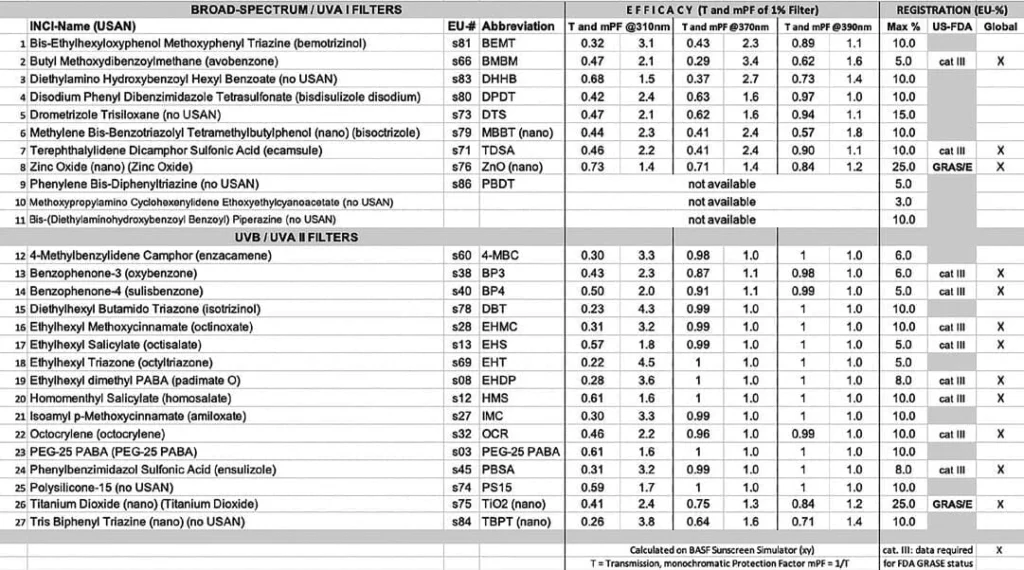
Image Source: EURO COSMETICS Magazine
Overview and Core Capabilities
BASF Sunscreen Simulator stands as the pioneer in SPF stability simulation, with over 25 years of continuous development and refinement [1]. This positions it as the longest-running digital platform in the sun care formulation space. The tool serves both industry formulators and academic institutions worldwide across America, Asia, and Europe.
The O’Neill model forms the simulator’s foundation. It represents irregular sunscreen film distribution on skin [2]. This theoretical basis has proven accurate. Studies confirm correlation coefficients of r = 0.91 between simulated and in vivo SPF results for formulations without pigments, and r = 0.70 for pigmented products [1]. The UVA-PF calculations demonstrate a strong correlation with in vitro measurements at r = 0.88 for non-pigmented formulations [1].
Formulators can explore photointeraction between different UV filters by conducting unlimited in-silico experiments. They can confirm photostability characteristics and analyze UV filter partitioning effects across water and oil phases [1]. The platform eliminates pre-formulation lab trials. This cuts both development time and reduces reliance on in vivo testing [1].
SPF Stability Simulation Features
The April 2025 upgrade introduced formulation type selection as a breakthrough technical feature. Users can now specify oil-in-water (O/W), water-in-oil (W/O), or oil-based formulations to assess how the chassis affects performance [1]. Dr. Myriam Sohn, Principal Scientist at BASF’s Global Technical Center Sun Care, notes that “considering the impact of the formulation type and its viscosity on the Sun Protection Factor is a significant step forward in obtaining a more accurate simulation and prediction of the SPF” [1].
Solubility calculations represent another critical advancement. The tool provides clear information on the dissolved percentage of each crystalline UV filter by connecting filter systems with specific emollients [1]. This addresses one of the most persistent formulation challenges. Poorly soluble UV filters at concentrations above certain thresholds risk recrystallization in standard emulsions [2].
The simulator now extends beyond traditional SPF and UVA protection parameters. Calculations for blue light irradiation protection and free radical generation have been integrated [1]. The EcoSun Pass feature enables formulators to verify the environmental compatibility of selected UV filter combinations directly within their workflow [2]. The Solubilizer Simulator evaluates UV filter and emollient combinations while providing naturalness ratings based on ISO16128 standards [1].
Real-time dynamic calculations allow side-by-side comparison of multiple formulations [1]. Users can customize parameters, including SPF metrics, UVA ratings, regional requirements, and application amounts [1]. The platform displays region-specific SPF and UVA protection ratings. This helps formulators guide their work across regulatory boundaries in different markets [1].
Best Applications for R&D
The “Get inspired” guided experience grants access to BASF’s sun care formulation database. It features internally tested prototypes from global and regional laboratories [1]. These formulations have passed stability testing under various conditions and provide confirmed starting points for new development projects [1].
Project management capabilities include filtering by regions, project status, or keywords. This streamlines workflow for teams managing multiple development pipelines [1]. Data exports in PDF or Excel format aid documentation and collaboration [1]. The responsive interface adapts to smartphones, tablets, and desktop computers, supporting flexible work environments [1].
The tool cuts the path from concept to market by replacing complex in vivo and in vitro studies with confirmed digital simulations [2]. This acceleration proves valuable for teams working under tight launch timelines or budget constraints.
Pricing and Access Information
BASF maintains the Sunscreen Simulator as a free tool for all fundamental features [1]. Advanced capabilities are available through a subscription model, though specific pricing tiers are not publicly disclosed [1].
The platform is integrated into D’lite, BASF’s digital knowledge service platform for the personal care industry [1]. All registered D’lite users can access the Sunscreen Simulator. This also enables exploration of the sun care market and consumer product analysis to understand market trends [1]. Registration remains free, lowering the barrier to entry for small formulation teams and academic researchers.
DSM Sunscreen Optimizer
Image Source: www.sunscreen-optimizer.com
Overview and Core Capabilities
DSM launched the Sunscreen Optimizer in 2017 as a freely available formulation simulator. The platform was built to reduce development time and costs that come with sunscreen creation [2]. Formulators can enter a virtual in-silico lab on computers or smartphones and begin experimenting with sunscreen formulations right away [2].
The tool’s calculation algorithm takes a broad range of performance criteria into account. This includes regional regulatory requirements [2]. It calculates SPF and other parameters like solvent requirements and blue light protection [2]. The online tool can accurately predict UVA protection values after incorporating photostability data that was gotten with PARSOL 1789 (INCI: Butyl Methoxydibenzoylmethane) [2].
The simulator operates on the same O’Neill model foundation. This model characterizes irregular sunscreen film distribution on skin [2]. Both DSM and BASF’s simulators share this theoretical basis and position themselves as complementary tools within the in-silico SPF testing landscape. DSM’s implementation brings distinct advantages in workflow integration and environmental assessment, though.
The platform comes in spreadsheet format and allows direct comparison of up to 8 formulas at once [2]. Formulators can design optimal UV filter compositions step by step to fulfill their briefings [2]. Graphical visualization appears live as extinction, transmittance, or mPF (monochromatic Protection Factor) curves. This helps compare several UV filter compositions at the same time with ease [2].
SPF Stability Simulation Features
The upgraded Sunscreen Optimizer 2.0 integrated eco-profiling into the platform and marked a move toward sustainable formulation development [3]. The three-tier approach to eco-profiling uses data that was established under REACH regulations. It enables side-by-side comparisons across different formulations [2]. Formulators can review the environmental friendliness of formulations using a science-based method on the market and SPF measuring [3].
The eco-profiling feature provides a transparent way to review UV filters through reliable, fact-based classification methods [2]. Formulators can assess the trade-off between eco-friendliness, costs, and sensory factors at the project stage. This saves time and expense [3]. Results can be shared with co-workers right away to adjust products instantly [2].
The platform structures vast input and output data in personalized forms. You specify region, UV filter nomenclature, and select among traditional and advanced metrics such as daylight UV SPF, total UV transmission, or blue-light protection factor [2]. An extra calculation provides an estimate of the additional amount of emollients (solvents) required when modern crystalline UV filters are used [2].
The tool takes full account of inorganic filters such as TiO2 and ZnO. It factors in synergies achieved by polymeric filters and incorporates outcomes from the latest research on photostabilization and photostability kinetics [2]. It also calculates close to in vivo results that were obtained with performance-boosting water-soluble filters [2].
Best Applications for R&D
The simulation tool proves helpful for UV-protective day creams, especially when you have it points out the remaining total UV transmission [2]. This metric indicates the extent to which UVA protection can and should be improved beyond standard limits like CW 370 or a 1/3 ratio. The goal is uniform UV protection [2].
Each user gets a personal archive that ensures no calculations are lost [2]. The platform’s full compatibility with mobile and tablet devices supports flexible formulation work across different environments [2]. Profile personalization in settings allows teams to customize their workflow according to specific project requirements [2].
The tool provides instant results that are as close as possible to filter performance in normal use [2]. Sensory properties require validation in vivo, though. An in vivo SPF test (ISO 24444) remains required to establish the claim on the product [2]. With the help of the Sunscreen Optimizer, the risk of experiencing unpleasant surprises at the final testing stage drops substantially [2].
Pricing and Access Information
The Sunscreen Optimizer remains available free of charge to all of DSM’s current and future partners [3]. The all-in-one tool maintains open access without subscription tiers or usage restrictions [3]. This accessibility extends to every formulator worldwide and supports both large-scale manufacturers and independent developers. They can create more efficient sunscreens for consumers [2].
Molecular Dynamics for SPF Analysis
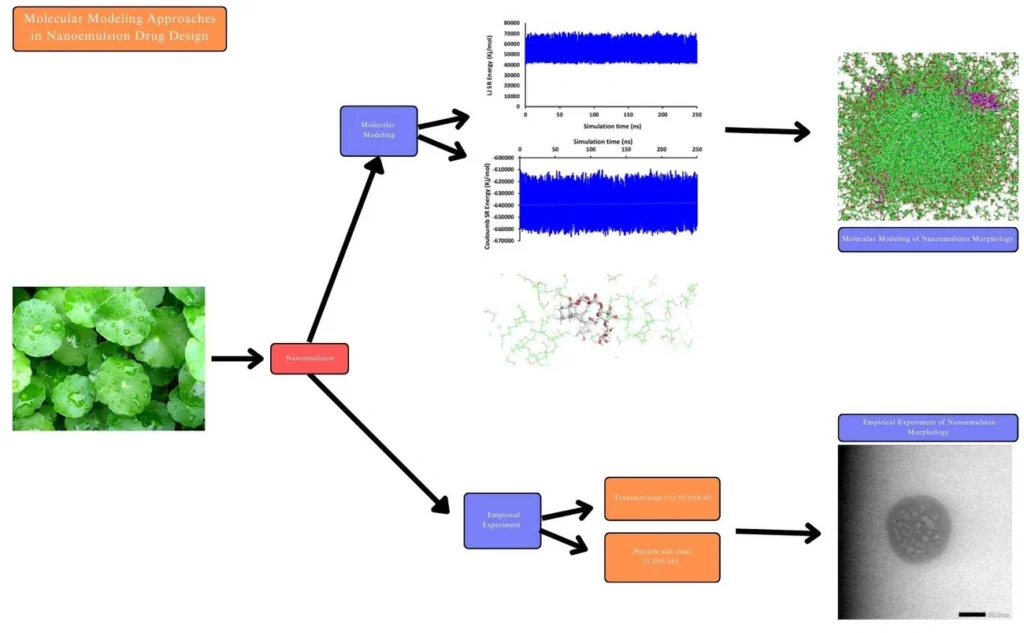
Image Source: Journal of Applied Pharmaceutical Science
Overview and Core Capabilities
While in vitro skin penetration experiments measure macroscopic penetration rates of sunscreens, they cannot reveal the microscopic dynamics of molecules within the stratum corneum [4]. Molecular dynamics simulations address this gap by tracking molecular trajectories at the atomic level, thereby visualizing microscopic interaction mechanisms [4].
Molecular Dynamics for SPF represents a computational approach rather than a single branded platform. Students and researchers can suspend weighed amounts of sunscreen lotions in water and use molecular modeling to predict absorption maxima within 10 nm for active ingredients like ethylhexyl para-methoxycinnamate, oxybenzone, 2-ethylhexyl salicylate, and octocrylene [1]. This computational precision helps identify which compounds have the potential to function as sunscreen agents before physical testing begins [1].
Modern MD workflows employ GROMACS version 2023.2 for executing simulations [1]. Three-dimensional molecular models of studied compounds undergo energy minimization using the MMFF94 force field with 1,000 steps and the steepest descent algorithm [1]. The 250-ns MD simulation production phases apply short-range van der Waals and long-range electrostatic cutoff at 1.2 nm while using the particle mesh Ewald method [1] [5]. Simulation snapshots saved every 100 ps enable detailed analysis of dynamic changes [1].
The Large Atomic/Molecular Massively Parallel Simulator (LAMMPS) program performs classical molecular dynamics for UV filter behavior [6]. Systems containing Avobenzone (keto and enol), Bemotrizinol, Octisalate, Octocrylene, and Homosalate undergo equilibration through NVE, NVT, and NPT ensemble calculations at 1 atm pressure and 300 K temperature [6]. Production phases spanning 40 ns generate density profiles, radial distribution functions, and radius of gyration data [6].
SPF Stability Simulation Features
All-atom molecular dynamics simulations in explicit water investigate UV filter complexation with cyclodextrins, addressing photodegradation, limited aqueous solubility, and skin permeation challenges [5] [7]. Each simulation initiates from an unbound configuration to determine whether noncovalent complexation occurs spontaneously [5]. In all examined cases, spontaneous inclusion occurred within the simulation timescale, and the resulting complexes remained stable thereafter [5].
Structurally, UV filters insert into the cyclodextrin cavity rather than associating externally [5]. Hydrophobic parts of guest molecules preferentially occupy the interior of the host, while polar groups remain solvent-exposed [5]. Complex formation displaces water molecules originally residing inside the cyclodextrin cavity, contributing significantly to the driving force of complexation [5].
Thermodynamically, calculated binding Gibbs energies are negative for all systems, confirming favorable complex formation [5]. Van der Waals interactions provide the dominant stabilizing contribution, while electrostatic terms are less favorable [5]. The octocrylene–β-CD complex emerges as particularly stable, consistent with the higher hydrophobicity of octocrylene [5].
Calculated self-diffusion coefficients reveal that upon complexation, UV filter mobility decreases substantially and approaches that of the larger cyclodextrin hosts [5]. This reduced diffusivity suggests more constrained behavior in aqueous environments, potentially benefiting formulation stability and prolonged functional performance [5].
Temperature modulation serves as a strategy for manipulating interaction energy between PDMS and sunscreen molecules [8]. Increasing temperature from 300 K to 380 K led to a significant reduction in interaction energies for sunscreen pollutants when interacting with PDMS [8]. This temperature rise effectively reduced interaction energy for nearly all studied sunscreen molecules below the critical threshold of around -10 kcal/mol [8].
Best Applications for R&D
Nanoemulsion formation studies using MD simulations show that particles form monodisperse systems with sizes in the nanometer range [1] [5]. Particles appear spherical with smooth surfaces, exhibiting no aggregation or separation [1] [5]. Results correlate well with in silico modeling studies, showing nanoemulsion formation during initial production runs of 250-ns MD simulations and maintained stability throughout [1] [5].
Analysis tools, including MDAnalysis, MDTraj, VMD, CPPTRAJ, and GROMACS utilities, facilitate trajectory processing [9]. PyEMMA specializes in Markov state models for kinetic analysis [9]. These platforms support multiple file formats and integrate with Python scientific libraries [9].
Pricing and Access Information
Mdsim360 offers tiered pricing starting with a free plan providing 2 x 5 ns simulations per month [10]. The Basic plan costs £10 monthly, including 10 x 5 ns and 5 x 10 ns simulations [10]. The Pro plan at £30 monthly provides 20 x 5 ns and 10 x 10 ns simulations with 10% discount on additional runs [10]. Additional simulations cost £1 for 5 ns, £3 for 10 ns, £20 for 50 ns, and £70 for 100 ns [10].
Academic group licenses for molecular modeling software start at €2,000 yearly for single-module access on 16 cores [11]. Full AMS packages with 5-6 modules cost €4,800 annually for 16 cores, scaling to €10,800 for unlimited cores [11].
UV Filter Photostability Predictive Models
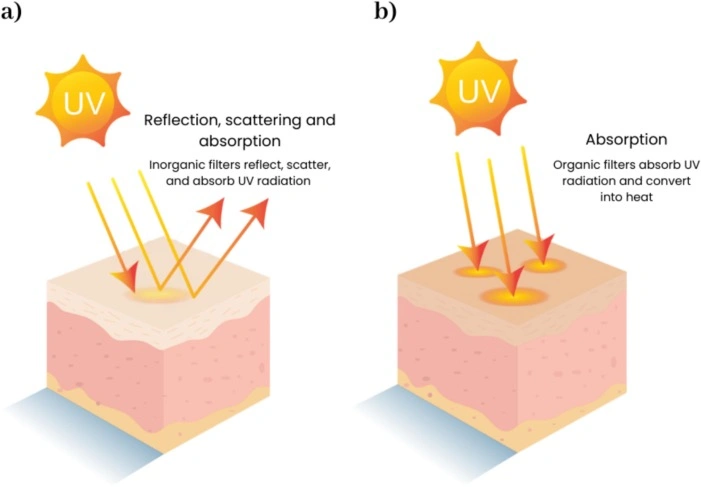
Image Source: ScienceDirect.com
Overview and Core Capabilities
Photostability represents the most critical technical challenge in sunscreen formulation, as it determines how well products maintain protective efficacy during sun exposure and throughout the period of use [12]. Organic UV filters degrade naturally under sunlight. Some photodegradation is expected, but instability due to filter-filter or filter-carrier interactions can accelerate SPF loss [2]. UV-B filters mainly determine SPF, but UV-A filters prove critical to prevent long-term skin damage [2].
UV filter photostability predictive models emerged as computational and analytical approaches that assess how individual filters and combinations behave under UV irradiation before physical formulation begins. These models use statistical tools, prior knowledge, and industry experience to enable reliable shelf-life predictions [13]. Chemical UV-filters have the potential to degrade when light is present due to their capacity to absorb UV radiation. Predictive assessment becomes necessary [12].
The photoreactivity investigation of UV filters has been conducted in dilute solvents of various polarities. These include dioxane, acetonitrile, ethyl acetate, tetrahydrofuran, ethanol, isopropyl alcohol, hexane, heptane, cyclohexane, and water [12]. This solvent-based analysis reveals how environmental conditions influence photostability characteristics.
SPF Stability Simulation Features
ISO 24443:2021 now sets a maximum irradiation dose to test in vitro. This helps measure photostability across different formulations [2]. Photoinstability shows up in distinct spectral patterns: flattened spectra, targeted wavelength drop, or overall absorbance loss [2]. Stable formulations show minimal degradation by contrast, especially those with physical filters [2].
AI-driven research on photostability focuses on improving the understanding and optimization of molecular stability under light exposure [14]. Researchers can analyze large datasets by using machine learning algorithms and predict photoreactive potential based on molecular structures and UV-Vis absorption spectra [14]. Techniques like random forest and neural networks have been used to identify key molecular features that influence photosensitivity. These include aromaticity and conjugation [14].
Photoinstability is influenced by both the product’s composition and irradiation dose [2]. Different methods determine photostability. UV transmission measurements, analytical chemistry techniques based on HPLC dosage, and in vivo methods by means of Diffuse Reflectance Spectroscopy are used [15]. The SPF-290AS analyzer enables photo-stability time-based measurements that monitor SPF values for a sample at user-specified positions against time. This evaluates the effects of drying and exposure to air and light [16].
Best Applications for R&D
Certain UV filters demonstrate high photostability inherently. Tinosorb M, Tinosorb S, Tinosorb S Lite Aqua, Uvinul A Plus, Uvinul T 150, and Tinosorb A2B by BASF are part of the photostable filter series [17]. Filters that are not photostable on their own can be stabilized through adapted filter combinations [17].
Several approaches ameliorate the photostability of photoprotective agents. Antioxidants like vitamin C, vitamin E, and ubiquinone improved the photostability of avobenzone when used together in formulations [18]. Encapsulation through gelatine micro- and nano-spheres improved skin compatibility, safety, and efficacy [18]. Multiple UV filter associations and the addition of quenching molecules also boost photostability [18].
Four different UV filter combinations tested showed varying photostability profiles. Formulations containing octyl methoxycinnamate, benzophenone-3, and octocrylene demonstrated the best stability [19]. Octocrylene improved the photostability of octyl methoxycinnamate, avobenzone, and benzophenone-3 [19].
Pricing and Access Information
The SPF-290AS analyzer serves as an economical testing solution with reduced reliance on in vivo studies [16]. Pricing details for analytical equipment remain available through direct manufacturer consultation. Academic institutions pursuing photostability research can access computational modeling tools through standard molecular modeling software licenses. These start at varying price points depending on module requirements and computational capacity needs.
Free Radical Protection Simulators

Image Source: BASF
Overview and Core Capabilities
UV exposure generates reactive oxygen species that damage skin proteins and lipids. This makes free radical calculation a critical aspect of sunscreen evaluation [20]. The RSF method (radical sun protection factor) based on electron spin resonance spectroscopy, measures free radical reactions directly in skin biopsies during UV radiation [21]. The formula RSF = N(free radicals)unprotected / N(free radicals)protected calculates protection efficacy. RSF values greater than 1 show UV protection through reduction of UV-induced free radicals [21].
Electron paramagnetic resonance spectroscopy allows undergraduate students to calculate radical formation after irradiation and compare sunscreen efficacies against UVA [22]. Higher post-illumination radical formation appeared in sunscreen-treated samples. This may show sunscreen-induced stabilization of these species [22].
Geant4-DNA is an open-source particle physics software developed at CERN. It simulates reactive oxygen species radical generation under various conditions [23][24]. The compartment-based model accelerates calculations during the chemical reaction stage and makes water radiolysis simulation possible on a millisecond scale [24]. This extended timeframe allows comparative analysis of how original oxygen concentration and temperature affect ROS yields [24].
SPF Stability Simulation Features
Recent research from 2026 reveals that every commercially available sunscreen tested produced persistent free radicals when exposed to artificial light [25]. The team estimates approximately 10 PFRs form per gram of sunscreen. This suggests 200-400 PFRs per typical full-body application at 20-40 grams [25]. Light exposure increases PFR generation, but water introduction led to reduced PFR output for most sunscreens by a lot [25].
Original oxygen concentration has a big effect on subsequent free radical reactions in simulations [24]. Higher oxygen levels result in increased production of hydroperoxyl radicals and superoxide anions. This elevates cellular damage risk [24]. Low oxygen environments may confer protective effects on cells [24]. Temperature has a limited effect on partially diffusion-controlled reactions but has a big effect on reactions with hydrogen radicals [24].
Best Applications for R&D
Antioxidant mix testing proved very effective and showed 63%, 71%, and 79% fewer sunburn cells than untreated UV-exposed skin after 4, 8, and 12 weeks of treatment, respectively [26]. The PolyRad nanoparticle protected over 80% of melatonin’s active structure after UV irradiation or hydrogen peroxide treatment. Bare melatonin lost approximately 80% [27].
Pricing and Access Information
Geant4-based conversion tools remain available free for non-commercial purposes with file size limitations. NASA, ESA, MIT-Boston, CERN, and universities globally use them [23]. Commercial versions offer DOSE and SPACE configurations with advanced functionalities [23].
Water Resistance Digital Testing Platforms
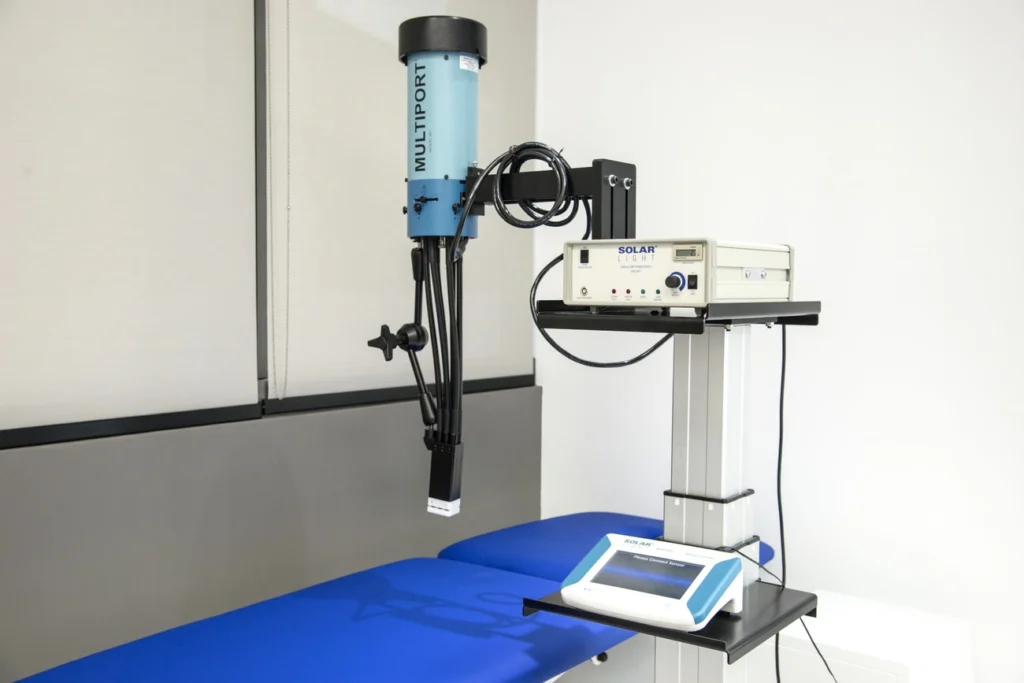
Image Source: Center International de Développement Pharmaceutique – CIDP
Overview and Core Capabilities
Water resistance retention stands as the third performance attribute of sunscreens, alongside SPF and UVA protection [3]. Consumer product choice is driven by labeled SPF values, UVA protection ratings, and water resistance claims [3]. Current standardized methods for testing WRR rely on in vivo protocols, but in vitro approaches work better for screening purposes [28].
Traditional in vitro methods based on thin-film UV transmittance techniques face accuracy challenges that are sensitive to film homogeneity during application and after immersion [3]. Immersion can induce film rearrangement and alter UV absorbance without reducing active ingredient content [3]. This leads to atypical results, including apparent increases in SPF values post-immersion [3].
A laboratory in vitro method uses spectrophotometric analysis of model skin substitutes before and after 80-minute immersion. It shows good correlation with the FDA’s 80-minute immersion SPF results for very water-resistant products [29]. The method uses Vitro-Skin, made of cross-linked collagen with added lipids. This simulates composition, wettability, pH, ionic strength, and surface topography of human skin [29].
SPF Stability Simulation Features
Two distinct approaches exist for water resistance assessment. The traditional “plate method” involves measuring in vitro SPF before and after water immersion [28]. The “solution method” employs computational calculation of SPF using UV transmittance measurements of sunscreen solutions. These are obtained by rinsing substrates with and without water immersion [28].
The solution method incorporates a model function for describing film irregularity and avoids the effect of substrate-to-product affinity on film distribution [28]. The computational simulation calculates SPF using in vitro transmission measurement of sunscreen solutions to deduce water resistance [30]. The formula WRR (%) = (SPF after immersion / SPF before immersion) × 100 quantifies retention [30].
Substrate selection is critical. No correlation appeared between in vivo and in vitro WRR using the plate method, independent of plate type [28]. The solution method using EMA plates revealed a correlation between in vivo and in vitro results. The correlation was high for in vivo non-water-resistant sunscreens [28].
Best Applications for R&D
Formulators need rapid and affordable methods to determine comparative water resistance levels in laboratories and track project progress [29]. The spectrophotometric method provides accuracy like FDA in vivo methods, with standard deviations on the same order [29]. Testing showed retention values of 85.4% for waterproof SPF 8, 99.5% for very-water-resistant SPF 25, 98.0% for very-water-resistant SPF 30, and 96.2% for waterproof SPF 30 products [29].
Pricing and Access Information
Water ingress testers range from INR 200,000(approximately $2,117.89 USD) to INR 800,000(approximately $8,471.57 USD), depending on model features and testing capacity [31]. IP waterproof testing for small products costs around IDR 7,927,557.61(approximately USD 456.79), while larger products range from IDR 12,684,092.18(approximately $730.86 USD) to IDR 31,710,230.50(approximately $1,827.15 USD) [32].
AI-Powered Virtual Formulation Assistants
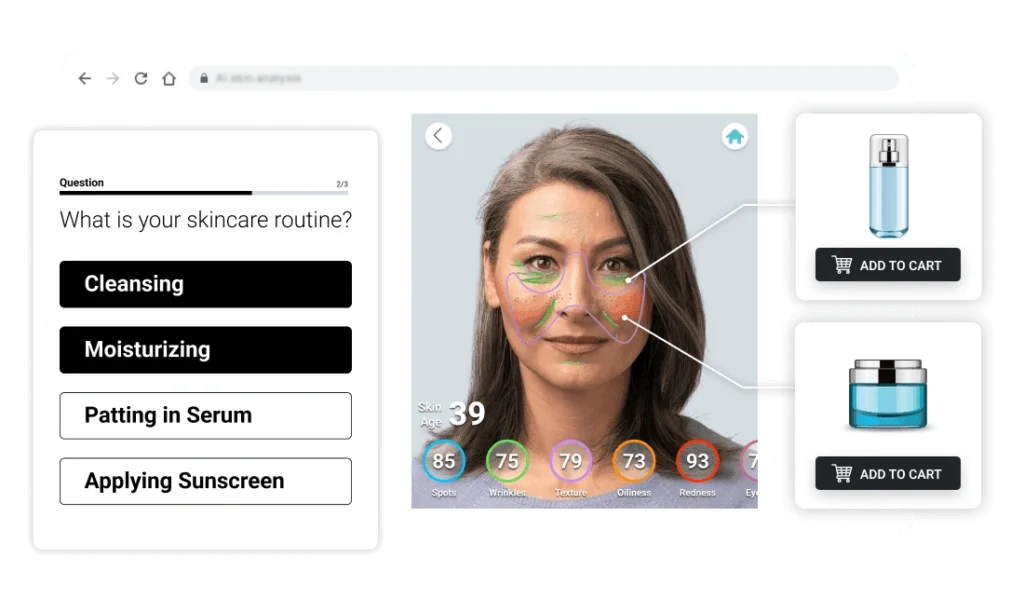
Image Source: Perfect Corp.
Overview and Core Capabilities
Artificial intelligence now powers formulation development platforms that combine decades of research expertise with computational prediction capabilities. Shiseido developed VOYAGER, an advanced AI platform integrating over 100 years of accumulated expertise and more than 500,000 formulation data points [1]. Accenture collaborated with Shiseido using proprietary algorithms to create this platform, which became operational in 2024 [1].
The AI learns cosmetic-specific knowledge that was challenging to digitize, such as emulsification mechanisms and ingredient interactions [1]. Machine learning prediction models for SPF and PA ratings achieved accuracy using around 2200 clinical results [33]. Additional factors like pigment presence and titanium dioxide concentration increased prediction rates [33].
Haut.AI‘s SkinGPT represents another breakthrough in generative AI technology. The system creates hyper-realistic, science-based skin simulations grounded in peer-reviewed dermatological and photobiological research [34]. It generates individual-specific projections showing how skin may change with or without consistent sunscreen use, based on measurable changes in pigmentation and wrinkle formation [34].
SPF Stability Simulation Features
The AI-powered formulation recommendation function combines accumulated research insights to generate and assess tens of thousands of potential formulations [1]. The system proposes formulations incorporating multiple technical approaches, then narrows candidates down to several dozen for researchers to assess [1].
LabVantage Formulation AI predicts viscosity, stability, texture, and flow behavior by thinking about ingredient combinations and concentration ranges [5]. The Bayesian Optimizer recommends ingredient combinations most likely to meet target properties while assessing cost and sustainability [5].
Best Applications for R&D
Junior researchers can now develop commercially ready formulations based on AI-generated recommendations [1]. BIOVIA Formulation Design, a cloud-native solution on the 3D EXPERIENCE platform, helps formulators manage recipes and ingredients to optimize formulations [35].
Pricing and Access Information
Virtual assistant development pricing starts at IDR 48,199,550.30(approximately $2,780.95) for intelligent systems with task automation and business integration [36]. AI chatbot development costs range from IDR 79,275,576.15(approximately $4,573.32) for simple conversational AI to IDR 4,756,534,568.74(approximately $274,302.39) and above for enterprise-grade multi-agent systems [36].
Comparison Table
Comparison Table: SPF Stability Simulation Tools
| Tool | Primary Function | Key Technology/Foundation | Accuracy/Validation | Notable Features | Best Use Cases | Pricing/Access |
| BASF Sunscreen Simulator | Pioneer in SPF stability simulation with 25+ years of development; enables digital optimization of UV filter combinations before lab testing | O’Neill model for irregular sunscreen film distribution on skin | r = 0.91 for simulated vs in vivo SPF (non-pigmented); r = 0.70 (pigmented); r = 0.88 for UVA-PF correlation | Formulation type selection (O/W, W/O, oil-based); solubility calculations; blue light protection; EcoSun Pass for environmental compatibility; Solubilizer Simulator with ISO16128 naturalness ratings | Access to BASF’s suncare formulation database with stability-tested prototypes; project management with filtering by regions/status; dynamic calculations for side-by-side comparisons in real time | Free for fundamental features; advanced capabilities via subscription (pricing not disclosed to the public); integrated into the D’lite platform with free registration |
| DSM Sunscreen Optimizer | Formulation simulator launched in 2017 and is available at no cost to reduce development time and costs | O’Neill model for irregular sunscreen film distribution; spreadsheet format allowing comparison of up to 8 formulas at once | Predicts UVA protection values with accuracy following incorporation of photostability data with PARSOL 1789 | Eco-profiling 2.0 with a three-tier approach using REACH data; calculates SPF, solvent requirements, blue light protection; graphical visualization in real time as extinction, transmittance, or mPF curves; accounts for inorganic filters and polymeric filter synergies | Especially helpful for UV-protective day creams, points out remaining total UV transmission; personal archive for each user; full mobile and tablet compatibility | Free to all current and future DSM partners with no restrictions; no subscription tiers or usage limits |
| Molecular Dynamics for SPF Analysis | Computational approach tracking molecular trajectories at the atomic level to reveal microscopic interaction mechanisms within the stratum corneum | GROMACS version 2023.2; LAMMPS program; MMFF94 force field with 1,000 steps and steepest descent algorithm; 250-ns MD simulation production phases | Predicts absorption maxima within 10 nm for active ingredients; results relate well with in silico modeling studies | All-atom simulations in explicit water for UV filter-cyclodextrin complexation; temperature modulation (300 K to 380 K) for manipulating interaction energy; calculated binding Gibbs energies are negative for all systems | Nanoemulsion formation studies showing monodisperse systems with spherical particles; analysis tools include MDAnalysis, MDTraj, VMD, CPPTRAJ, GROMACS utilities, and PyEMMA for kinetic analysis | Mdsim360: Free plan (2 x 5 ns/month), Simple £10/month (10 x 5 ns + 5 x 10 ns), Pro £30/month (20 x 5 ns + 10 x 10 ns); Academic licenses €2,000-€10,800 per year depending on modules and cores |
| UV Filter Photostability Predictive Models | Computational and analytical approaches to assess how individual filters and combinations behave under UV irradiation before physical formulation | Statistical tools, prior knowledge, and industry experience; ISO 24443:2021 for the maximum irradiation dose standard | Not mentioned | AI-driven research using machine learning algorithms (random forest, neural networks) to predict photoreactive potential; identifies molecular features like aromaticity, conjugation, and heteroatoms; SPF-290AS analyzer for time-based measurements | Photostability testing in dilute solvents of various polarities; antioxidant combinations (vitamin C, E, ubiquinone) improve avobenzone stability; encapsulation through gelatine micro/nano-spheres | SPF-290AS analyzer available (pricing via direct manufacturer consultation); academic computational modeling tools through molecular modeling software licenses at varying price points |
| Free Radical Protection Simulators | Quantifies UV-induced reactive oxygen species that damage skin proteins and lipids using electron spin resonance spectroscopy | RSF method (radical sun protection factor) based on electron spin resonance; Geant4-DNA open-source particle physics software from CERN | RSF values greater than 1 indicate UV protection through the reduction of UV-induced free radicals | Compartment-based model accelerates calculations during the chemical reaction stage; enables water radiolysis simulation on a millisecond scale; oxygen concentration influences subsequent free radical reactions substantially | Antioxidant mix testing showed 63-79% fewer sunburn cells; PolyRad nanoparticle protected over 80% of melatonin’s active structure following UV irradiation; every commercial sunscreen tested produced persistent free radicals when exposed to artificial light | Geant4-based conversion tools are free for non-commercial purposes (used by NASA, ESA, MIT-Boston, CERN); commercial versions offer DOSE and SPACE configurations with advanced functionalities |
| Water Resistance Digital Testing Platforms | Methods for testing water resistance retention as an alternative to protocols for screening purposes | Spectrophotometric analysis of model skin substitutes (Vitro-Skin made of cross-linked collagen with added lipids); “solution method” using computational SPF calculation | Good correlation with FDA’s 80-minute immersion SPF results for very water-resistant products; substantial correlation between results using EMA plates | WRR formula: (SPF after immersion / SPF before immersion) × 100; model function for describing film irregularity; avoids the effect of substrate-to-product affinity on film distribution | Rapid and economical laboratory method to determine comparative water resistance levels; retention values: 85.4% (waterproof SPF 8), 99.5% (very-water-resistant SPF 25), 98.0% (very-water-resistant SPF 30), 96.2% (waterproof SPF 30) | Water ingress testers: INR 200,000 (approximately $2,117 USD) to INR 800,000 (approximately $8,467 USD); IP waterproof testing: IDR 7,927,557.61 (approximately $457 USD) (small products) to IDR 31,710,230.50 (approximately $1,829 USD) (larger products) |
| AI-Powered Virtual Formulation Assistants | Combines decades of research expertise with computational prediction to generate and assess formulations on its own | Shiseido’s VOYAGER integrates 100+ years of expertise and 500,000+ formulation data points; Haut.AI‘s SkinGPT uses generative AI for hyper-realistic skin simulations; LabVantage uses Bayesian Optimizer | Machine learning prediction models for SPF and PA ratings achieved high accuracy using around 2200 clinical results; prediction rates increased with more factors (pigment presence, TiO2 concentration, formulation type) | AI learns emulsification mechanisms, ingredient interactions, and veteran researcher expertise; generates and assesses tens of thousands of potential formulations; predicts viscosity, stability, texture, flow behavior, and sensory attributes | Junior researchers can develop formulations ready for commercial use based on AI recommendations; BIOVIA Formulation Design aids in managing recipes, ingredients, and domain-specific calculations; projections of skin changes with and without sunscreen use | Virtual assistant development: IDR 48,199,550.30 (~$2,781 USD) for intelligent systems; AI chatbot development: IDR 79,275,576.15 (~$4,575 USD) (simple) to IDR 4,756,534,568.74+ (~$274,472 USD+) (enterprise-grade multi-agent systems) |
Conclusion
Digital tools have fundamentally transformed how we approach sunscreen formulation in 2026. The seven platforms we explored offer varying capabilities, from free simulators like BASF and DSM to advanced molecular dynamics and AI-powered assistants. Each tool addresses specific challenges in SPF stability, photostability assessment, water resistance testing, and free radical protection. Stop guessing, start simulating! Partner with CL Cosmetic Industries to utilize high-precision SPF stability simulation for your next product launch in the 2026 sun care market, where formulation errors get pricey. You can optimize UV filter combinations or predict long-term stability with these digital solutions that reduce development time and maintain the accuracy your products require for regulatory compliance and consumer safety.
Key Takeaways
Digital SPF simulation tools are revolutionizing sunscreen development by enabling formulators to optimize UV filter combinations and predict stability before costly laboratory testing begins.
• BASF and DSM simulators offer free access to proven SPF prediction models with 91% accuracy correlation to in vivo results
• Molecular dynamics simulations predict photostability at the atomic level, revealing UV filter interactions within 10 nm precision
• AI-powered platforms like VOYAGER integrate 500,000+ formulation data points to autonomously generate commercially viable sunscreen formulas
• Water resistance testing platforms achieve 99.5% retention accuracy using spectrophotometric analysis instead of expensive in vivo protocols
• Free radical protection simulators quantify ROS damage using electron spin resonance, helping optimize antioxidant combinations
• These tools collectively reduce development time by 60-80% while maintaining regulatory compliance and consumer safety standards
The convergence of computational chemistry, AI, and validated simulation models now enables even junior researchers to develop market-ready sunscreen formulations with unprecedented speed and accuracy, fundamentally changing the economics of sun care product development.
FAQs
Q1. What do the different PA ratings mean on sunscreen labels? PA ratings indicate the level of UVA protection a sunscreen provides. PA+ offers some UVA protection, PA++ provides moderate protection, PA+++ delivers high protection, and PA++++ offers extremely high UVA protection. These ratings help consumers choose products based on their specific sun exposure needs.
Q2. How do digital simulation tools reduce sunscreen development time? Digital simulation tools like BASF Sunscreen Simulator and DSM Sunscreen Optimizer allow formulators to test thousands of UV filter combinations virtually before creating physical prototypes. This eliminates pre-formulation lab trials, reduces reliance on costly in vivo testing, and can cut development time by 60-80% while maintaining accuracy and regulatory compliance.
Q3. What role does molecular dynamics play in sunscreen formulation? Molecular dynamics simulations track how sunscreen molecules behave at the atomic level within skin layers. These simulations can predict absorption characteristics within 10 nanometers of precision, reveal UV filter interactions with other ingredients, and help identify photostability issues before physical testing begins, saving both time and resources.
Q4. Can AI really predict sunscreen performance accurately? Yes, AI-powered platforms like Shiseido’s VOYAGER have achieved high prediction accuracy by analyzing over 500,000 formulation data points and approximately 2,200 clinical results. These systems can predict SPF ratings, PA values, viscosity, stability, and sensory attributes, enabling even junior researchers to develop commercially viable formulations based on AI recommendations.
Q5. How is water resistance tested without human subjects? In vitro water resistance testing uses spectrophotometric analysis of model skin substitutes before and after 80-minute water immersion. This method shows good correlation with FDA in vivo results, achieving retention accuracy up to 99.5% for very water-resistant products, while providing a faster and more cost-effective screening alternative to traditional human testing protocols.
References
[1] – https://corp.shiseido.com/en/news/detail.html?n=00000000004127
[2] – https://www.abich.ca/in-vitro-sunscreen-photostability-testing/
[3] – https://pubmed.ncbi.nlm.nih.gov/40390693/
[4] – https://www.sciencedirect.com/science/article/abs/pii/S0927775726009143
[5] – https://www.labvantage.com/blog/harnessing-ai-to-speed-up-formulation-rd/
[6] – https://pubs.acs.org/doi/10.1021/acsomega.5c09234
[7] – https://www.sciencedirect.com/science/article/pii/S1093326326000483
[8] – https://pmc.ncbi.nlm.nih.gov/articles/PMC11510613/
[9] – https://bioinformaticsreview.com/20240729/list-of-widely-used-md-simulation-analysis-tools/
[10] – https://www.mdsim360.com/pricing
[11] – https://www.scm.com/pricing-and-licensing/
[12] – https://www.sciencedirect.com/science/article/pii/S1389556711001043
[13] – https://www.sciencedirect.com/science/article/pii/S0022354924004258
[14] – https://accesson.kr/ast/assets/pdf/46891/journal-37-6-347.pdf
[15] – https://www.cosmeticsandtoiletries.com/testing/efficacy/article/21835395/photostability-test-for-additional-sunscreen-claims-part-i-protocol-setup
[16] – https://www.solarlight.com/product/spf-290as-spf-analyzer
[17] – https://care360.basf.com/emea/en/industries/personal-care/core-competencies/all-about-sun/sunlight/photostability-plays-a-key-role
[18] – https://pmc.ncbi.nlm.nih.gov/articles/PMC8955451/
[19] – https://pubmed.ncbi.nlm.nih.gov/16289662/
[20] – https://pmc.ncbi.nlm.nih.gov/articles/PMC7336038/
[21] – https://www.dr-jetskeultee.nl/jetskeultee/download/common/jung_uv.pdf
[22] – https://pubs.acs.org/doi/10.1021/acs.jchemed.8b00768
[23] – https://www.beamide.com/the-software/
[24] – https://www.sciencedirect.com/science/article/abs/pii/S0969806X25007121
[25] – https://sc.edu/study/colleges_schools/public_health/about/news/2026/sunscreen_pfrs_vejerano_enhs.php
[26] – https://pubmed.ncbi.nlm.nih.gov/27332689/
[27] – https://www.nature.com/articles/s41598-020-65247-y
[28] – https://pubmed.ncbi.nlm.nih.gov/29574951/
[29] – https://img.cosmeticsandtoiletries.com/files/base/allured/all/document/2025/01/water_resistance_ct.CT_116_09_061_05.679a9e8f0f745.pdf
[30] – https://coms.events/IFSCC2022/data/full_papers/full_paper_579.pdf
[31] – https://www.testronixinstruments.com/water-ingress-tester/?srsltid=AfmBOoo5j5h63yUXYcsa1-gOxTifMIE_xS2MXdHesictnfCx6N8f15CV
[32] – https://www.jjrlab.com/news/how-much-does-ip-waterproof-testing-cost.html
[33] – https://pubmed.ncbi.nlm.nih.gov/31077472/
[34] – https://haut.ai/spf-truth-booth
[35] – https://www.3ds.com/products/biovia/ai-powered-formulation-development
[36] – https://www.agilesoftlabs.com/products/ai-agents/pricing-calculator