
Probiotic cosmetics are emerging as a powerful solution at a time when up to 90% of adolescents and young adults struggle with acne, and 15% to 20% of children worldwide face atopic dermatitis. The disruption of our skin’s microbial ecosystem, known as dysbiosis, is increasingly linked to dermatological disorders ranging from acne to photoaging. The cosmetics industry has turned to biotechnology to use probiotic, prebiotic, and postbiotic ingredients that support skin microbiome repair and barrier resilience. This piece explores seven proven benefits of probiotic cosmetics and how these microbiome-friendly formulations can reshape your skin health.
Rebuilding the Skin’s Protective Barrier
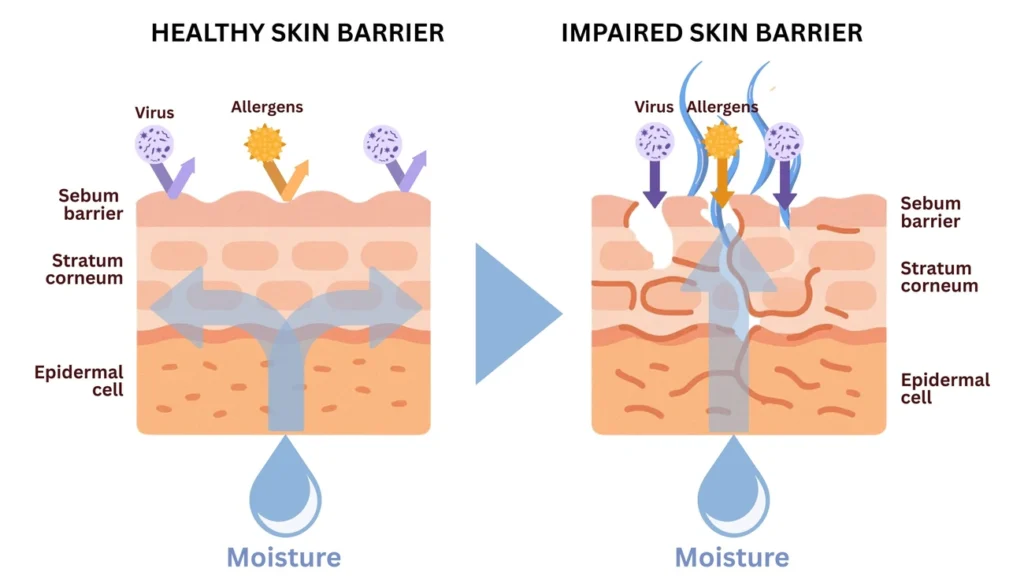
Image Source: la source spa
Your skin’s protective barrier faces constant assault from environmental stressors, harsh cleansers, and microbial imbalances. Topical probiotics offer a direct approach to barrier restoration. They work at the application site to strengthen your skin’s natural defenses. Probiotic bacteria applied directly to the skin produce antimicrobial amino peptides that benefit immune responses and help eliminate pathogens [1].
Probiotic Mechanisms for Barrier Resilience
The interaction between probiotic cosmetics and your skin begins at the molecular level. Probiotics bind to pattern recognition receptors, TLR2 specifically, which keratinocytes and Langerhans cells in the epidermis express densely [1]. This binding to microbial-associated molecular patterns of strains like Lactobacillus and Bifidobacterium species activates TLR2. The receptor then triggers downstream signaling cascades, including the MyD88 adaptor protein. This guides phosphorylation of NF-κB and mitogen-activated protein kinases such as p38 MAPK [1].
This activation cascade triggers the transcriptional production of host-derived antimicrobial peptides. These include cathelicidins like LL-37, human β-defensins 2 and 3, and psoriasin [1]. These peptides serve dual functions. They directly combat pathogenic bacteria while modulating immune responses by recruiting neutrophils, macrophages, and T cells [1].
Ceramide production stands as one of the most vital barrier-strengthening mechanisms. The lactic acid bacterium Streptococcus thermophilus boosts ceramide production both in laboratory and living tissue conditions when applied as a topical cream [1]. These lipid molecules confine water within the skin. Certain ceramide sphingolipids like phytosphingosine demonstrate antimicrobial activity against Cutibacterium acnes [1]. So the commensal bacteria S. epidermidis promotes ceramide synthesis by secreting the enzyme sphingomyelinase [2][3].
Research shows that microbiome-supportive skincare boosts barrier function by promoting vital lipid production. This approach reduces transepidermal water loss while improving moisture retention and skin elasticity [2].
Tight Junction Integrity
Tight junctions between skin cells create a selective barrier. They prevent harmful substances from penetrating deeper layers. Probiotics strengthen these cellular connections by increasing the production of tight junction proteins [1]. Lactobacillus rhamnosus boosts barrier function by increasing concentrations of occludin and claudin-1, molecules vital to maintaining tight skin binding [4].
The mechanism involves probiotics affecting the expression of genes and proteins involved in tight junction signaling. Strains like L. rhamnosus GG promote cell proliferation by secreting the protein p40. This protein upregulates specific enzymatic activity to phosphorylate epidermal growth factor receptor and activate the PI3K/protein kinase B signaling pathway [5]. This process reduces cellular death and preserves barrier function.
These effects translate to measurable improvements in clinical applications. A randomized double-blind trial on individuals with atopic dermatitis compared a Lactobacillus-containing emollient to a standard formulation. The emollient with L. sakei inhibited the growth of S. aureus and provided physical barrier enhancement. Affected individuals showed improved symptoms [1]. Multiple clinical trials have used transepidermal water loss as an objective measure to assess treatment efficacy [1].
Preventing Moisture Loss
Transepidermal water loss represents a key indicator of barrier dysfunction. Probiotic cosmetics address this issue through multiple pathways. Lactobacillus plantarum HY7714 supplementation increases ceramide concentrations, which are vital to skin structure and hydration. This boost reduces transepidermal water loss and improves moisture levels by a lot [4].
Research demonstrates that Lactobacillus helveticus-fermented milk whey reduces TEWL by a lot while increasing hydration [4]. The effectiveness varies across different probiotic strains. The common mechanism involves strengthening the stratum corneum, which serves as the skin’s first line of defense.
Probiotics help maintain hydration and protect against environmental stressors by improving the integrity of the skin barrier [1]. Studies show that probiotic formulations can improve skin hydration and reduce TEWL while easing signs of inflammation [2][1]. Short-chain fatty acids produced by microbes like Cutibacterium and Staphylococcus play a role in maintaining the acid mantle of the skin. This prevents pathogen colonization. These metabolites also regulate keratinocyte differentiation and lipid synthesis, which are vital to maintaining skin hydration and integrity [3].
The topical approach offers advantages because the immune system in the skin responds dynamically and quickly to changes. Altering the bacteria present may change immune signaling faster [1]. This makes probiotic cosmetics effective for skin barrier resilience and microbiome-friendly formulations that support long-term skin health.
Calming Inflammatory Skin Responses
Image Source: esmi
Chronic inflammation underlies many dermatological conditions, from persistent redness to severe breakouts. Probiotic cosmetics address this inflammatory cascade at multiple levels and offer a microbiome-friendly alternative to conventional treatments that often disrupt the skin’s ecosystem.
How Probiotics Suppress Pro-Inflammatory Signals
Postbiotics deliver immune-modulating signals that counteract dysbiosis and reduce pro-inflammatory cytokine expression [6]. The mechanism begins when postbiotics activate TLR and NLR signaling pathways, which leads to NF-κB and MAPK activation. This results in increased antimicrobial peptide expression, which reduces C. acnes and S. aureus colonization and promotes wound healing [6]. Most notable is how postbiotics suppress pro-inflammatory cytokines like IL-6, IL-7, and TNF-α while boosting anti-inflammatory IL-10, which reduces skin inflammation, redness, and irritation [6].
Live probiotic strains show similar anti-inflammatory effects through distinct pathways. Lactobacillus plantarum and L. acidophilus inhibit several inflammatory mediators, cytokines, and related signaling pathways [4]. These beneficial bacteria block the release of inflammatory cytokines, which helps reduce visible skin inflammation [4]. The process involves promoting regulatory T cells and producing anti-inflammatory cytokines such as IL-10. They compete with pathogens for nutrients and aggregate to replace pathogenic bacteria [7].
Certain probiotic strains stimulate the production of interleukin-10, a cytokine with well-known anti-inflammatory properties [8]. Strains such as Lactobacillus rhamnosus and Bifidobacterium longum have shown they can reduce the production of pro-inflammatory cytokines responsible for excessive inflammatory reactions [8]. Probiotics upregulate the production of Tregs and anti-inflammatory cytokines, which are dispensed to sites of inflammation [1].
Oral probiotics also contribute to skin health by interacting with the gastrointestinal mucosa and gut-associated lymphoid tissue, where more than 70% of immune cells are located [1]. They can either induce immune activation or trigger tolerance by stimulating anti-inflammatory cytokines such as IL-10 and TGF-β, depending on the strain [1]. Lactobacillus acidophilus IDCC3302 suppressed MAPK signaling pathway-mediated production of pro-inflammatory factors and decreased UV-radiation-induced skin inflammation [1].
Topical Probiotics Efficacy in Clinical Studies
Clinical trials show measurable improvements in a variety of inflammatory skin conditions. A randomized, double-blind, placebo-controlled trial evaluated oral probiotics in patients with acne vulgaris aged 12 to 30 years. The probiotic group received Lacticaseibacillus rhamnosus and Arthrospira platensis daily for 12 weeks and showed a reduction in both inflammatory and non-inflammatory acne lesions compared to placebo [1]. Overall, acne severity scores improved as well [1].
Another controlled trial with 80 patients with moderate acne showed that the probiotic group had greater improvements in acne severity, especially when you have lesion count on the chin, nose, and forehead [1]. The study concluded that combining probiotics with systemic antibiotics may boost treatment outcomes and reduce inflammation more effectively [1].
A meta-analysis of 12 studies with 817 participants showed that microbial interventions produced clinical improvement versus placebo for atopic dermatitis [1]. Multi-strain formulations and synbiotic combinations appeared to show greater efficacy compared to single-strain preparations [1]. Another meta-analysis found that probiotics reduced SCORAD scores in atopic dermatitis patients compared to placebo by a lot [1]. Mixed probiotics showed better improvement compared to single probiotics, probably because these preparations better mimic normal gut microbiome diversity [1].
A study using 5% Vitreoscilla filiformis extract-containing ointment reduced eczema associated with atopic dermatitis and decreased symptom severity in a randomized, double-blind, vehicle-controlled trial [4]. A trial compared a Lactobacillus-containing emollient to a normal emollient. The probiotic version inhibited S. aureus growth, provided a physical barrier, and showed improved symptoms in individuals with atopic dermatitis [4].
Patients with rosacea who received oral probiotics such as Escherichia coli Nissle 1917 alongside standard treatment showed better clinical improvement, reduced erythema, and faster recovery compared to conventional therapy alone [1]. Lactobacillus reuteri DSM 17938 and its lysates reduced skin irritation brought on by UVB exposure [7]. Live L. reuteri DSM 17938 also inhibits bacteria that are detrimental to the skin, like Staphylococcus aureus, Streptococcus pyogenes, Bacillus acnes, and Pseudomonas aeruginosa [7].
Managing Chronic Skin Inflammation
Long-term inflammatory conditions require sustained microbiome balance. Research shows a link between a disturbed gut microbiome and inflammatory skin diseases, which raises the potential of oral probiotics as a treatment option for skin disorders [4]. Probiotics play a major role in maintaining human health and disease prevention. Topical formulations show beneficial effects for treating inflammatory skin diseases such as acne, rosacea, and psoriasis [4].
A meta-analysis that included 7 randomized controlled trials with 400 participants showed improvements in PASI scores for psoriasis management [1]. The analysis revealed reductions in systemic inflammatory markers, especially C-reactive protein levels [1]. While evidence for psoriasis remains more variable than for atopic dermatitis, the consistent safety profile and anti-inflammatory effects make probiotics a promising adjunctive approach [1].
Probiotic supplementation lowers circulating levels of inflammatory cytokines like IL-8 and TNF-alpha, which drive the inflammatory cascade in acne lesions [9]. Participants with raised baseline inflammation show more improvement than those with non-inflammatory acne, which suggests that probiotics work best when gut-driven systemic inflammation contributes to skin pathology [9]. This targeted approach represents a radical alteration toward ecosystem-based skincare that addresses root causes rather than merely suppressing symptoms.
Rebalancing Microbiome Diversity
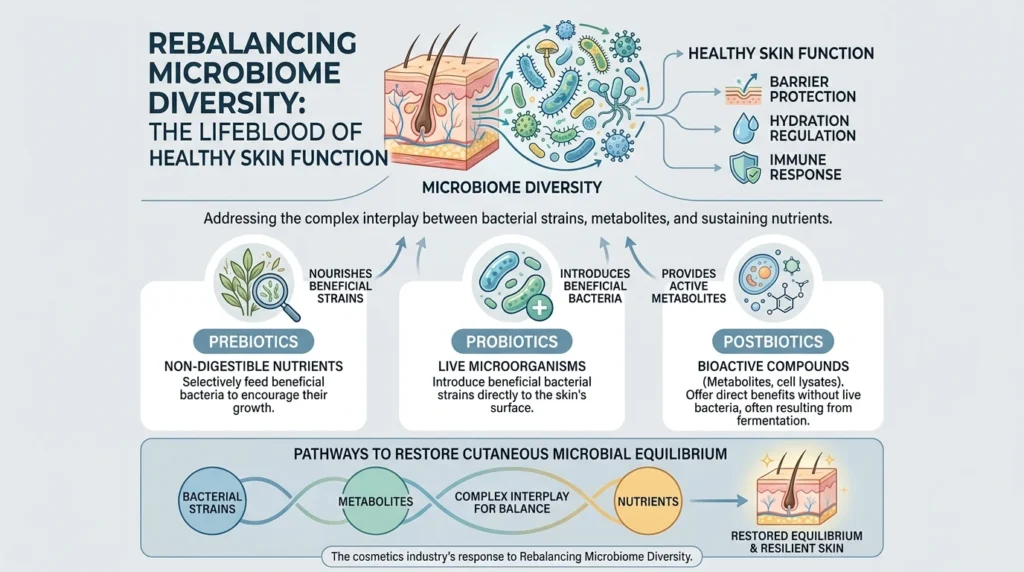
Microbiome diversity is the lifeblood of healthy skin function. Rebalancing this diversity means addressing the complex interplay between different bacterial strains, their metabolites, and the nutrients that sustain them. The cosmetics industry has responded with three distinct ingredient categories: prebiotics, probiotics, and postbiotics. Each offers unique pathways to restore cutaneous microbial equilibrium.
Prebiotics vs. Postbiotics in Skincare
Prebiotics function as selective nutrients that feed beneficial bacteria already living on your skin. Common prebiotic ingredients include inulin derived from chicory and Jerusalem artichoke, alpha-glucan oligosaccharide, and various plant-derived fibers [7][10]. Harmful microorganisms responsible for infections and breakouts cannot metabolize these compounds, which gives them a selective advantage [7]. Prebiotics maintain microbial diversity, protect against harmful organisms, and support barrier function by keeping commensal bacteria fed [10].
Postbiotics represent bioactive compounds produced by probiotics during fermentation. These include short-chain fatty acids, peptides, enzymes, and bacteriocins [10][11]. The International Scientific Association of Probiotics and Prebiotics defines postbiotics as preparations of inanimate microorganisms or their components that confer health benefits [6]. Cell-free supernatants, cell wall components, and intracellular compounds all fall under this classification [6].
Postbiotics offer several advantages over live probiotics. They have a defined chemical composition and no ability to transfer antibiotic resistance. They remain stable over a wide temperature and pH range and have a longer shelf life [6]. Formulations with postbiotics don’t need to maintain viable cells, which makes them an innovative cosmetic ingredient [6]. These compounds deliver anti-inflammatory and antioxidant effects. They strengthen the skin barrier, boost hydration, and selectively support beneficial microbes while blocking pathogenic colonization [7].
Clinical evidence supports their efficacy. A blend from co-fermentation of three proprietary probiotic strains showed beneficial effects on pore size and wrinkle depth reduction. Skin moisture and elasticity increased [6]. Similarly, Bacillus Ferment demonstrated increases in moisturization of 26% in one hour. Firmness and elasticity increased after 28 days, while skin redness reduced after eight hours [7].
Live Culture Stabilization Tech
The formulation of live probiotics presents unique technical challenges. Most strains are less likely to survive in formulations that contain preservatives. Your microbiome can see them as foreign microorganisms and destroy them before they provide benefits [7]. Stabilization technology has become a focal point for probiotic skincare manufacturing in 2026.
L’Oréal filed a patent for crystallized live probiotics that remain viable on skin for at least four hours after application, ideally 12 hours [8]. The company uses live microorganisms in crystallized form, preferably dried into a crystal of cryoprotectant selected from salts, proteins, or polysaccharides [8]. This formulation incorporates live bacteria at 0.01% to 5.00% w/w and contains around 1×10⁵ to 1×10⁹ CFU of viable bacteria per gram of composition [8]. Wrinkles and pigmentation reduced by 5% after 28 days of use, while dermal density increased by at least 5% and skin hydration improved by more than 10% [8].
Another approach uses a two-pump system where live probiotics remain dormant but viable until the user mixes it with a second product. This activates the probiotics on application [12]. The resulting serum delivers 350 million active probiotics per application and stays stable at room temperature for two years. This makes it one of the only truly live probiotic skincare products available globally [12]. This product positions New Zealand as a pioneer in the probiotic skincare category, where claims typically refer to inactive probiotics [12].
Ecosystem-Based Skincare Approach
Microbiome-friendly formulations want to preserve the diversity and stability of the skin ecosystem [1]. These products maintain, restore, or beneficially influence the cutaneous microbiota without compromising its diversity or composition [1]. The focus has moved from mere preservation toward interventions that explicitly correct dysbiosis, enrich beneficial taxa, or attenuate pathogenic overgrowth [1].
Micrococcus luteus Q24, a commensal strain, promoted hydration and improved skin texture. It reduced potentially pathogenic staphylococci without interfering with the native microbiome [1]. Another strain, C. acnes subsp. defendens XYCM42, established controlled colonization on the skin while decreasing the relative proportion of Staphylococcus spp. Microbiome diversity remained unaffected [1]. An 8-week clinical trial with 121 participants using this strain resulted in visible improvements in hydration, elasticity, and sebum control. Erythema, wrinkles, spots, and skin texture also improved [1].
Shelf-Stable Probiotic Serums
The strategy for optimal skin functionality focuses on rebalancing cutaneous microbiota. This normalizes the abundance and diversity of commensal microorganisms [13]. Postbiotics do not comprise living cells, unlike probiotics. They have an extended shelf life and are higher pH and temperature-tolerant. They display similar modulating effects [13].
Commercial products have translated this science into accessible solutions. TULA Skincare incorporates probiotic and prebiotic extracts throughout its product line [10]. Gallinée offers a youth serum that combines probiotics, prebiotics, and postbiotics to support skin microbiota and improve radiance [10]. Bliss’s Mighty Biome collection features moisturizers and serums fortified with prebiotics and postbiotics, marketed to boost the natural barrier [10]. These high-performance symbiotic skincare formulations represent where biotechnology and dermal dysbiosis solutions meet.
Controlling Acne and Breakout Activity
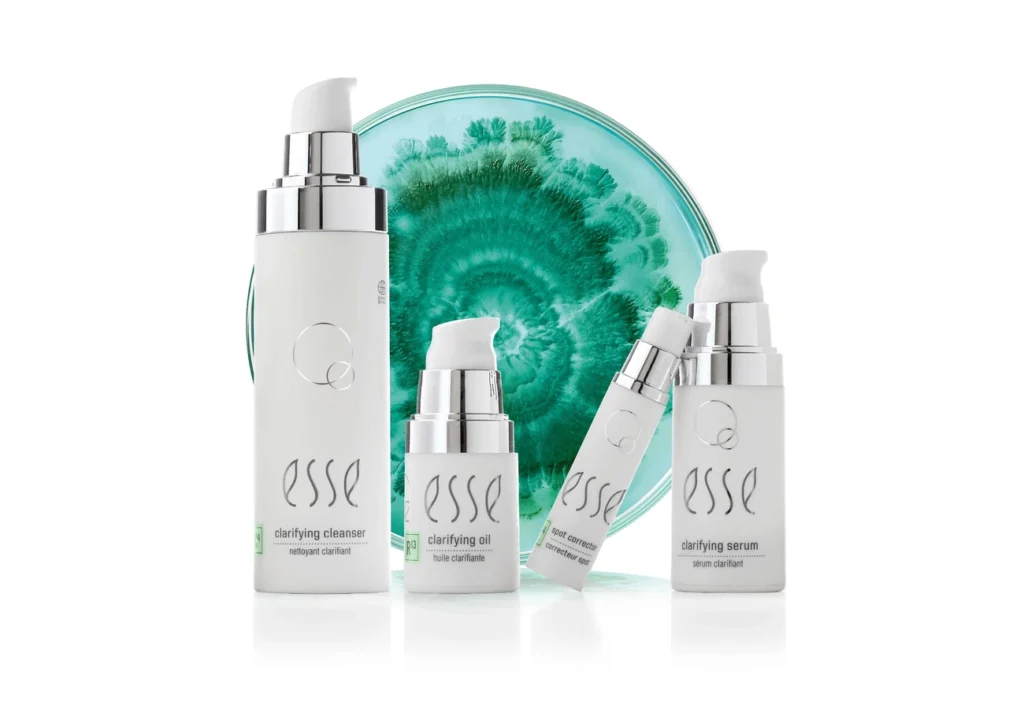
Image Source: Professional Beauty
Acne vulgaris affects up to 90% of adolescents and young adults, making it the second most burdensome skin disease after dermatitis. The condition stems from multiple factors: follicular hyperkeratinization, excess sebum production, Cutibacterium acnes colonization, and inflammatory cascades. Probiotic cosmetics address these interconnected mechanisms through targeted bacterial modulation and sebaceous gland regulation.
Targeting Pathogenic Bacterial Strains
C. acnes dominates the microbiota of pilosebaceous units in oily skin areas and represents 90% of microbial populations on the face, back, and scalp [14]. This lipophilic bacterium metabolizes sebaceous triglycerides into free fatty acids through its lipases. The process creates conditions that promote hyperkeratinization and perpetuate acne formation [4].
Probiotic strains counter this pathogenic activity by producing antimicrobial substances that create an unfavorable environment for acne-causing bacteria. Lactobacillus and Bifidobacterium species generate organic acids, bacteriocins, and other compounds that compete with and suppress pathogenic growth [15]. Streptococcus salivarius produces bacteriocin-like inhibitory substances that inhibit C. acnes proliferation [16]. Lactococcus species exhibit antimicrobial activity against Staphylococcus epidermidis, S. aureus, and C. acnes through bacteriocin secretion [16].
Clinical studies show substantial efficacy. Probiotics achieved mean lesion reductions of 45% and inflammatory lesion reductions exceeding 60% [14]. Topical probiotics produced even stronger results. Live formulations of Lactiplantibacillus plantarum, Lactococcus ferment, and Enterococcus faecalis generated mean inflammatory lesion reductions greater than 50% across 4 to 8 weeks [14]. An Enterococcus faecalis lotion applied for 8 weeks resulted in a 50% reduction of inflammatory lesions compared to placebo [16].
Research on fermented lysates shows antibacterial effects. LG-EPs showed MIC and MBC values of 600 µg/mL against C. acnes and 700 µg/mL and 1 mg/mL against S. aureus [6]. LG-EPs achieved inhibition rates of 36.68% for C. acnes biofilm adhesion and 40.36% for S. aureus at half the minimum inhibitory concentration [6]. Topical lotion containing fermented lysate from Lactobacillus plantarum substantially improved acne lesions and reduced sebum production [7].
Topical probiotics function by modulating the local skin microbiome at application sites and compete with pathogenic bacteria to reduce overgrowth and inflammation [7]. Both oral and topical formulations showed outcomes comparable to conventional treatments such as antibiotics and benzoyl peroxide in some studies [7].
Regulating Sebaceous Gland Function
Excessive sebum production creates an environment conducive to C. acnes proliferation and pore blockage. Certain probiotic strains influence sebum production by regulating sebocyte activity, the cells responsible for sebum synthesis [15]. This modulation maintains balanced skin conditions and reduces the risk of acne development [15].
The mechanism involves hormonal pathway regulation. Lactobacillus rhamnosus SP1 decreased Insulin-like Growth Factor 1 levels and improved Forkhead Box O1 expression, modulating insulin signaling pathways relevant to acne pathogenesis [7]. Elevated insulin levels raise androgen production, which stimulates sebaceous glands to produce excess sebum [7]. This creates favorable conditions for C. acnes growth and subsequent inflammation [7].
Topical LG-EP treatment in a golden hamster model decreased sebum production and downregulated transcription of lipogenesis-related genes, including SREBP-1, FAS, and ACC1 [6]. These effects are associated with reduced transcript levels of PI3K, AKT, and mTOR, while anti-sebum effects are accompanied by increased AMPK transcription [6].
Oral supplementation with Bacillus strains decreased sebum excretion rates and improved gut permeability markers, suggesting systemic effects on skin health [17]. Bifidobacterium strains maintain a balanced gut microbiome while producing short-chain fatty acids with anti-inflammatory properties that improve intestinal barrier integrity and reduce systemic inflammation connected to acne [17]. Therefore, these ecosystem-based skincare approaches target root causes of acne rather than merely addressing surface symptoms.
Slowing Skin Aging and Oxidative Stress
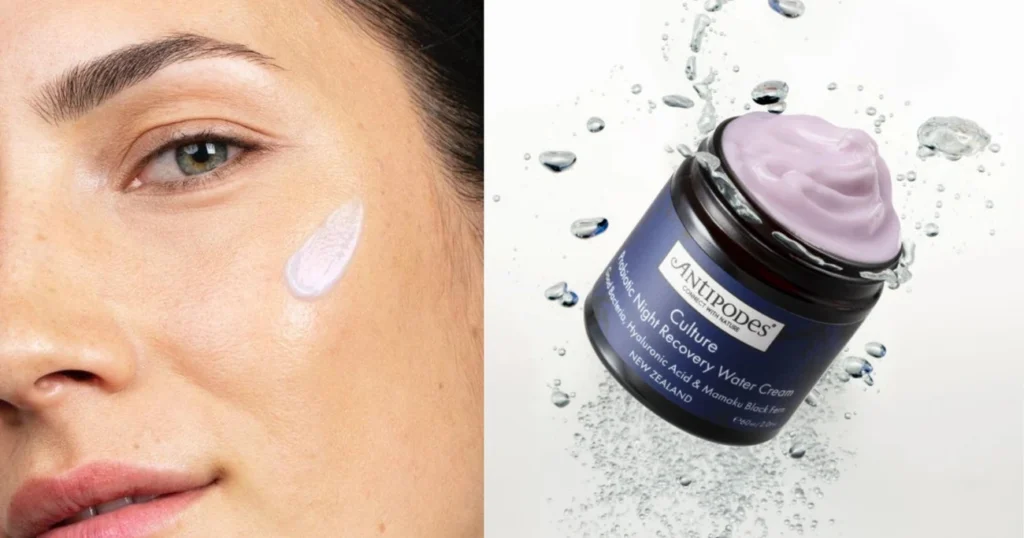
Image Source: NaturelleShop.com
Skin aging demonstrates itself through two distinct pathways: chronological aging driven by internal factors and photoaging triggered by environmental assaults, especially UV radiation [18]. Both processes share similar regulatory mechanisms with reactive oxygen species, collagen degradation, and cellular senescence. Probiotic cosmetics intervene at multiple points along these aging cascades.
Fermented Beauty Trends in Anti-Aging
Fermentation breaks down complex molecules into simpler, more bioavailable forms through enzymatic action. This microbial process boosts the concentration of beneficial compounds such as antioxidants, peptides, lactic acid, and hyaluronic acid. They become more potent without requiring harsh synthetic formulations [8]. Research shows that fermented rice bran extract yields higher levels of ferulic acid and allantoin compared to unfermented versions. Fermented soybeans produce isoflavone aglycones with superior anti-aging benefits [8].
Clinical evidence supports these formulations. A fermented black ginseng product using Saccharomyces cerevisiae substantially increased type I procollagen expression in human fibroblasts at concentrations between 0.3 and 10 μg/mL [19]. A clinical study assessed 23 subjects at baseline, 4 weeks, and 8 weeks. The fermented black ginseng formulation showed anti-wrinkle and skin whitening effects without adverse reactions [19]. Fermented red ginseng using Lactobacillus brevis showed concentrations of polyphenols, flavonoids, and antioxidant activity substantially higher than non-fermented red ginseng. Ginsenoside metabolite content was three times higher at 14,914.3 μg/mL [19].
Fermented blackberry using Lactobacillus plantarum reduced wrinkle formation and induced epidermal thickening in UVB-irradiated hairless mice. It inhibited type I procollagen degradation and suppressed MMP-1 and MMP-2 protein expression [19].
Boosting Skin Elasticity
Collagen and elastin degradation cause loss of skin firmness and resilience. Probiotic interventions address this through multiple mechanisms. A trial with 110 participants aged 41 to 59 years found that daily intake of Lactiplantibacillus plantarum for 12 weeks substantially improved skin hydration, skin gloss, and skin elasticity. It eased facial wrinkles compared to a placebo [20].
The mechanism suppresses matrix metalloproteinases that break down structural proteins. Topical Lactobacillus acidophilus IDCC 3302 protected against UVB-induced photodamage. It boosted skin antioxidant enzyme activity and suppressed MMP levels through inhibition of the MAPK signaling pathway [10]. A plant extract fermented with Lactobacillus buchneri increased type I procollagen synthesis and inhibited elastase activity. It reduced UVB-induced MMP expression on keratinocytes and dermal fibroblasts [10].
Protection from Free Radical Damage
Free radical theory of aging posits that excessive ROS attacks biological structures, including chromosomes, mitochondria, and cell membranes. This accelerates the aging process [21]. Topical fermentation of Agastache rugosa extract with Lactobacillus boosted UVB-induced total glutathione and superoxide dismutase activity. It decreased ROS, MMP-2, and MMP-9 levels in irradiated keratinocytes [10].
Heat-killed Lactobacillus acidophilus KCCM12625 showed antioxidant effects. It substantially reduced elevated ROS levels in cells following UVB irradiation and eased photoaging caused by oxidative damage [10]. Limosilactobacillus fermentum XJC60 stabilized mitochondrial function and reduced ROS production in UVB-injured skin cells. This maintained overall skin health [10]. Oral administration of Bifidobacterium breve Yakult prevented ROS production and attenuated UV-induced barrier damage and oxidative stress in animal studies [10]. These fermented beauty trends represent high-performance symbiotic skincare that addresses cellular defense mechanisms at their source.
Boosting Skin Hydration Naturally
Image Source: Dermacart
Dry skin stems from seasonal alterations, barrier damage, and disorderly flaking. Probiotics offer a solution by decreasing transepidermal water loss and modulating barrier function to work as effective skin moisturizers [18].
Microbiome-Friendly Formulations for Moisture
Oral supplementation of Lactobacillus plantarum HY7714 increased ceramide levels by lifting serine palmitoyltransferase mRNA expression and decreasing ceramidase mRNA expression [18]. Ceramides maintain the epidermal barrier’s structural support and hydration. Higher ceramide contents lead to lower TEWL values and improved hydration [18].
Studies using ELISA detected that Lactobacillus acidophilus IDCC 3302 increased hyaluronic acid content and resulted in beneficial effects on skin hydration [18]. Treatment with this strain improved skin dryness and decreased TEWL, thereby boosting overall moisture levels [18]. Administration of Lactobacillus helveticus-fermented milk whey led to a clear reduction in TEWL of intact skin and an increase in skin water content, proving its moisturizing effect for cosmetic applications [18].
Hyaluronic Acid Synergy
Hyaluronic acid serves as a carrier to deliver active compounds, including probiotics, directly to targeted areas [22]. This combination boosts formulation quality and efficacy [22]. Products combining two molecular weights of HA with probiotic ferments deliver dual benefits: low-molecular-weight HA penetrates deeper skin layers for internal hydration, while high-molecular-weight HA moisturizes the surface layer and supports barrier function.
Sensitive Skin Bio-actives
A clinical study showed that lotion containing 3% VHProbi® Mix R increased skin moisturization by 26.6% from baseline to day 30 [12]. This difference was substantial and suggested improved water retention capacity [12]. The study also showed substantial decreases in TEWL and redness at day 30 [12].
Probiotic ferment combined with studied algae bio-actives reduced transepidermal water loss while substantially increasing skin hydration [23]. Acerola cherry bioferment provides vitamin C from natural sources to brighten and energize the complexion [23]. This approach supports microbiome balance while delivering lightweight hydration for sensitive skin types.
Supporting Faster Skin Repair
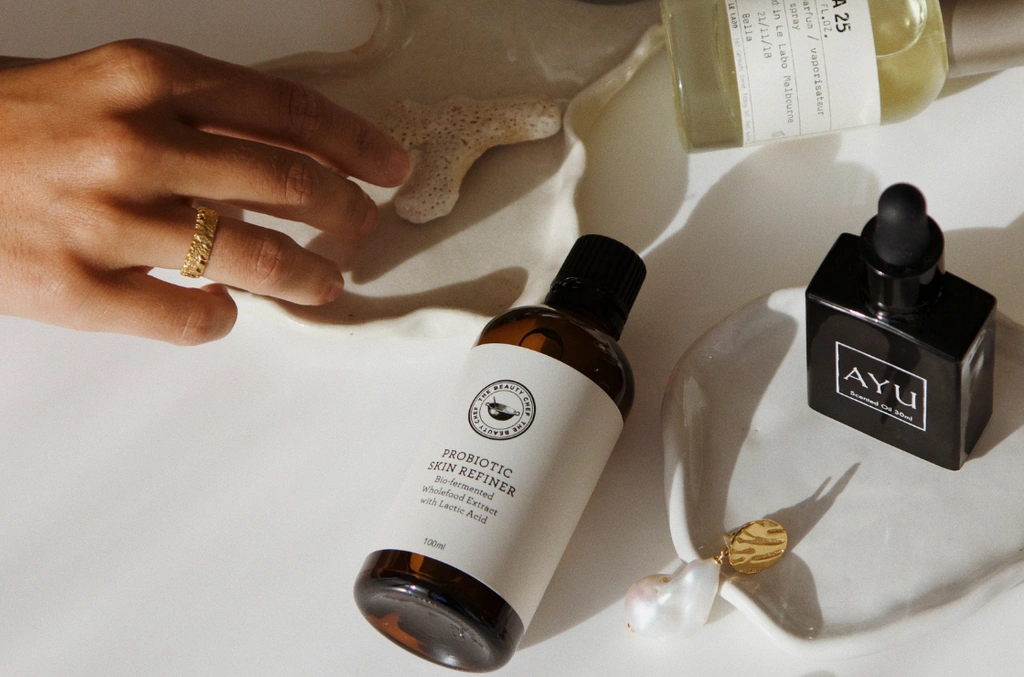
Image Source: The Beauty Chef USA
Wound healing represents a complex biological cascade with inflammation and tissue remodeling. Probiotics intervene at multiple stages through anti-pathogenic, antibiofilm and immunomodulatory effects that accelerate recovery [24].
Wound Healing with Probiotic Actives
Oral treatment with Lactobacillus rhamnosus accelerated skin wound closure and reduced macrophage and mast cell infiltration [1]. Moreover, wounds from treated mice presented improved angiogenesis and blood flow [1]. Topical applications demonstrate similar efficacy. L. delbrueckii spray suppressed scar overgrowth and collagen deposition by a lot. It accelerated re-epithelialization and improved overall wound closure [13].
Multi-strain probiotic formulations appear more effective than single-strain preparations in controlling infection and improving clinical outcomes [11]. The mechanisms involve modulation of the microbiome and inhibition of pathogenic microorganisms. They also activate tissue repair signaling pathways [11].
Reducing Scar Formation
L. plantarum treatment inhibited type I collagen mRNA concentrations by approximately 50% in burn wounds, consistent with reduced scarring [25]. Therefore, collagen deposition decreased in LR-treated mice compared to controls [1]. The probiotic modulated collagen type synthesis and showed greater relative abundance of immature type III collagen rather than scar-forming type I collagen [25].
Post-Treatment Recovery Benefits
Post-treatment care for IPL, peels, or microneedling benefits from topical probiotics. They reduce inflammation, support barrier repair, and boost visible recovery [26].
Conclusion
Probiotic cosmetics deliver clinically validated pathways to superior skin health: barrier restoration, microbiome rebalancing, inflammation control, anti-aging protection, and accelerated repair. Traditional skincare often disrupts the delicate microbial ecosystem. These formulations work in harmony with your skin’s natural defenses instead.
The science is clear. Probiotics, prebiotics, and postbiotics provide real improvements for multiple dermatological conditions through mechanisms that deal with why it happens rather than surface symptoms. Modern consumers are moving away from harsh stripping agents. They want formulas that work in harmony with the skin’s ecosystem.
Partner with CL Cosmetic Industries to bring your high-performance Probiotic Cosmetics range to life. The future of skin defense is alive. This represents more than a trend. It’s a radical alteration toward ecosystem-based skincare that prioritizes long-term skin resilience over temporary fixes.
Key Takeaways
Probiotic cosmetics represent a revolutionary approach to skincare that works with your skin’s natural ecosystem rather than against it, offering scientifically-proven benefits for long-term skin health.
• Probiotics strengthen skin barriers by boosting ceramide production and tight junction proteins, reducing water loss by up to 26% while improving moisture retention and elasticity.
• Clinical studies show probiotic treatments reduce inflammatory acne lesions by over 60% and calm chronic skin conditions like eczema through targeted anti-inflammatory pathways.
• Fermented beauty ingredients deliver 3x higher concentrations of anti-aging compounds, significantly improving collagen synthesis while protecting against free radical damage.
• Topical probiotics accelerate wound healing by 50% and reduce scar formation through enhanced tissue repair mechanisms and improved blood flow.
• Microbiome-friendly formulations restore bacterial diversity using prebiotics, live probiotics, and postbiotics – each targeting different aspects of skin ecosystem balance.
Unlike conventional skincare that often strips away beneficial bacteria, probiotic cosmetics work as ecosystem-based solutions that address the root causes of skin issues. This represents a fundamental shift from harsh treatments toward sustainable skin health that prioritizes barrier resilience and microbial harmony for lasting results.
FAQs
Q1. How do probiotics benefit the skin’s microbiome? Probiotics help restore balance to the skin’s microbiome by supporting beneficial bacteria and suppressing harmful microorganisms. They strengthen the skin’s protective barrier, reduce inflammation, and improve conditions like acne, eczema, and rosacea. By maintaining microbial diversity, probiotics create an optimal environment for healthy skin function and resilience against environmental stressors.
Q2. What exactly are probiotic cosmetics? Probiotic cosmetics are skincare products containing live beneficial microorganisms, their metabolites (postbiotics), or nutrients that feed good bacteria (prebiotics). These formulations work by interacting with the skin’s natural bacterial ecosystem to improve barrier function, reduce inflammation, and enhance overall skin health. They represent a shift toward ecosystem-based skincare that works with your skin rather than against it.
Q3. Can probiotic skincare help reduce acne breakouts? Yes, probiotic skincare can significantly reduce acne. Clinical studies show that probiotic treatments decrease inflammatory acne lesions by over 60% through multiple mechanisms: they produce antimicrobial compounds that inhibit acne-causing bacteria, regulate sebum production, and reduce inflammation. Both topical and oral probiotic formulations have demonstrated effectiveness comparable to conventional acne treatments.
Q4. Do probiotics actually slow down skin aging? Probiotics offer proven anti-aging benefits by protecting against oxidative stress and supporting collagen production. Fermented probiotic ingredients contain higher concentrations of antioxidants that neutralize free radicals, while certain strains suppress enzymes that break down collagen and elastin. Clinical trials show improvements in skin elasticity, hydration, and wrinkle reduction after consistent probiotic use.
Q5. How do probiotics improve skin hydration? Probiotics boost skin hydration by increasing ceramide production and hyaluronic acid content, which are essential for moisture retention. They also reduce transepidermal water loss by strengthening the skin barrier. Studies demonstrate that probiotic formulations can increase skin moisturization by up to 26% while significantly decreasing water loss through the skin’s surface.
References
[1] – https://link.springer.com/article/10.1007/s12602-020-09713-z
[2] – https://pmc.ncbi.nlm.nih.gov/articles/PMC12505367/
[3] – https://www.anndermatol.org/DOIx.php?id=10.5021/ad.25.009
[4] – https://pmc.ncbi.nlm.nih.gov/articles/PMC5821166/
[5] – https://www.frontiersin.org/journals/microbiology/articles/10.3389/fmicb.2022.929346/full
[6] – https://link.springer.com/article/10.1186/s40643-026-01074-9
[7] – https://pmc.ncbi.nlm.nih.gov/articles/PMC11727500/
[8] – https://shikobeauty.com/blogs/all/what-is-the-fermentation-skincare-trend-and-how-does-it-work?srsltid=AfmBOoq4T_sijf_8ZPzs4Rxmu4fzCwqWuXrJnAqoVO2anmO9dDAbkOja
[9] – https://superpower.com/guides/probiotics-skin?srsltid=AfmBOoqCaR-8T50et9PeybyATn5OD5MDD5PQiJ4gGXAJUqFz2EHCyBK3
[10] – https://pmc.ncbi.nlm.nih.gov/articles/PMC9677255/
[11] – https://pbp.medilam.ac.ir/article-1-408-en.html
[12] – https://www.nature.com/articles/s41598-023-43336-y
[13] – https://www.sciencedirect.com/science/article/abs/pii/S1385894725106293
[14] – https://link.springer.com/article/10.1007/s13555-026-01659-4
[15] – https://codexlabs.co/en/blogs/blog/odhalte-silu-probiotik-jak-podporit-zdravi-a-rovnovahu-strev?srsltid=AfmBOoqJsjsXwRPU6n8_eTBd3hg_Kbfb3AZtxXzOudUdq6E-LVgzMAnU
[16] – https://pmc.ncbi.nlm.nih.gov/articles/PMC5418745/
[17] – https://www.dovepress.com/efficacy-of-probiotic-supplements-and-topical-applications-in-the-trea-peer-reviewed-fulltext-article-JEP
[18] – https://pmc.ncbi.nlm.nih.gov/articles/PMC10385652/
[19] – https://pmc.ncbi.nlm.nih.gov/articles/PMC9369470/
[20] – https://ipa-biotics.org/aging-skin-can-probiotics-help/
[21] – https://pmc.ncbi.nlm.nih.gov/articles/PMC10574390/
[22] – https://www.mdpi.com/2079-9284/11/5/157
[23] – https://www.vemel.co.uk/probiotic-skincare-sensitive-skin/
[24] – https://pmc.ncbi.nlm.nih.gov/articles/PMC11171735/
[25] – https://pmc.ncbi.nlm.nih.gov/articles/PMC5374869/
[26] – https://issada.com/blogs/skincare-makeup/probiotics-for-skin-health?srsltid=AfmBOoomyVCciOJEp053lJs40-iLjAcx1zL_oJVPf0a9–zeC6AOobd5