
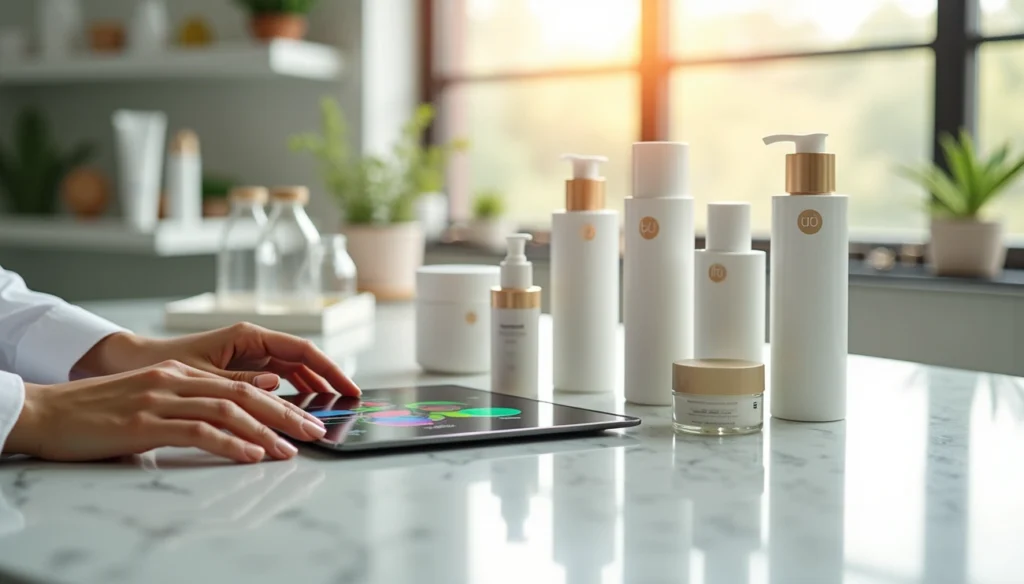
AI personalization for Halal necessity brands is reshaping how we build customer trust. AI could contribute up to $320 billion to the Middle East’s economy by 2030. The halal industry has evolved beyond mass production. Therefore, consumers now expect products tailored to their unique needs while maintaining strict halal compliance. Brands use Shariah-compliant digital diagnostics and precision Halal hygiene OEM partnerships to deliver consumer-specific solutions that strengthen loyalty. In this piece, we’ll explore how personalized barrier repair formulas, AI-led ingredient optimization, and crisis-ready digital personalization systems reshape necessity products into trust-building assets for your brand.
Why personalization is no longer optional for halal brands
Consumer expectations in 2026
The halal market will grow 5.6% each year and reach AED 10.65 trillion(USD 2.90 trillion) in the coming years. This growth stems from a fundamental move in what consumers want from halal necessity brands. Buyers no longer accept one-size-fits-all products. They want solutions tailored to their specific needs.
Younger consumers drive this expectation move. They’re used to individual-specific experiences in every other aspect of their lives. They expect the same level of customization when they purchase halal skincare or hygiene products. We’re talking about personalized skincare routines, meal plans, and even financial advice that lines up with Sharia law.
Consumers have become more educated and savvy with digital tools. They’re not just looking for products anymore. They seek experiences and solutions that help them better understand their needs. Their priorities and decisions are shaped by sharing experiences and recommendations.
The move from mass production to bespoke solutions
Businesses must use data analytics, artificial intelligence, and machine learning to create customized product offerings that suit consumer priorities, needs, and lifestyles. The days of generic formulations are ending. Bespoke Halal personal care 2026 trends center on products that are purpose-driven, science-based, and relevant to real-life needs.
AI personalization for Halal necessity brands enables businesses to offer personalized recommendations that adhere to halal standards while catering to individual priorities. Advancements in AI and data analytics make this possible at scale. Your recommendation engines need to be halal-aware and filter out non-compliant products while highlighting trust badges, certification bodies, and ingredient transparency.
Brands that ignore personalization will lose customer loyalty and brand differentiation. This isn’t a suggestion. Consumers expect halal products that meet their specific needs, and you must adapt to offer those tailored experiences. Multifunctional products combining care and protection will become popular, in line with dynamic lifestyles.
Trust as the foundation of halal commerce
Personalization serves as the key to brand loyalty and long-term success. You meet the unique needs of consumers while building stronger relationships with them by offering customized halal products. Trust transfer theory explains how halal certification, subjective norms, and health consciousness affect purchase intention.
You need a halal certification from a reputable certifying body to build trust and credibility. Authenticity remains significant in building trust among halal consumers. Consumers seek products that not only work but also provide sensory comfort and a sense of safety for long-term use.
Consumer-specific Halal diagnostics and Shariah-compliant digital diagnostics help you deliver on these expectations. You build trust by educating and engaging with halal consumers. Customer feedback and reviews offer an effective way to strengthen that foundation when you encourage and address them. Your halal product personalization becomes a significant component of establishing expertise, authoritativeness, and trustworthiness with your customer base in view of heightened consumer awareness.
How AI transforms necessity products into personalized solutions
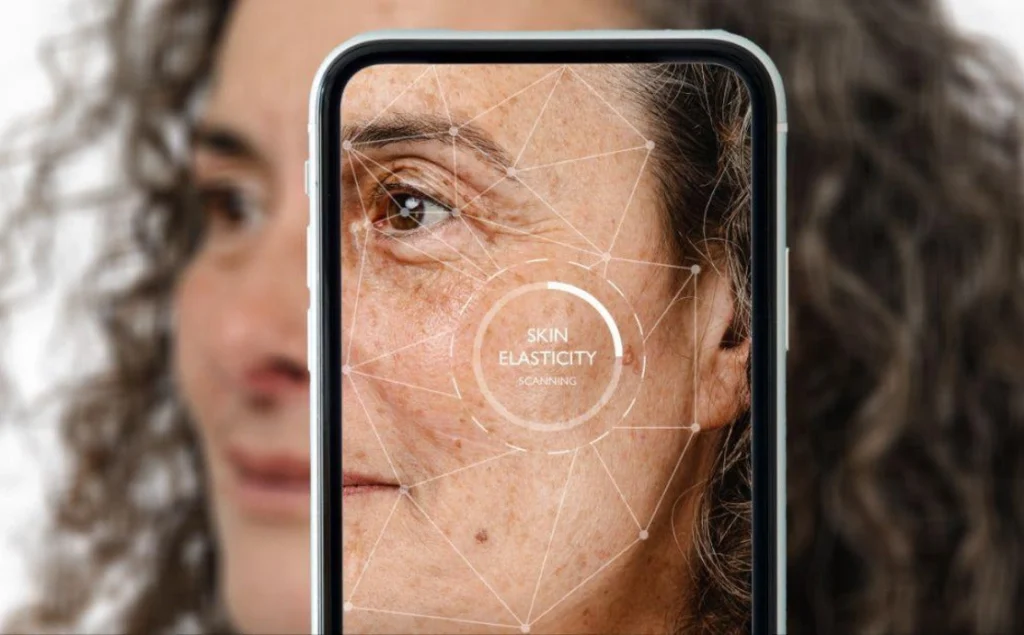
Image Source: UpCircle
Understanding AI-powered skin diagnostics
Training algorithms on massive datasets starts AI skin analysis for necessity products. L’Oréal’s ModiFace technology analyzed 6000 clinical images from skin aging research studies and then created models using 4500 smartphone selfies from Asian, Caucasian, and Afro-American groups in four lighting conditions. This training makes the system detect seven aging signs: under-eye wrinkles, lack of firmness, fine lines, lack of radiance, dark spots, deep wrinkles, and pores.
The diagnostic process breaks down facial images into zones for detailed analysis. Dermatologists and skin experts labeled datasets that trained the algorithms to assess various skin health aspects. Results appear on a 0 to 100 scale. Zero indicates poor condition, and 100 represents excellent condition. Skin imaging analyzers capture details beyond what the naked eye can see and identify subtle changes in texture, tone, and elasticity.
AI systems trained on over 3 million images ensure results stay accurate across skin tones, ages, and ethnicities. Computer vision technology scans skin conditions, including hydration and pigmentation, immediately and provides treatment recommendations with precision. Halal necessity brands get Shariah-compliant digital diagnostics that respect religious compliance while delivering clinical precision.
From generic to consumer-specific formulations
Machine learning algorithms analyze dietary restrictions, ingredient priorities, and regional differences to tailor halal products. AI-enabled automation and advanced analytics now handle formulation optimization and allow manufacturers to create offerings with precision. Brands can make halal versions of popular products or experiment with new ingredients based on consumer taste patterns and trend analysis.
The Halal Beauty AI market demonstrates this move. AI-Based Product Recommendations and Ingredient Analysis segments dominate market share and grow at a CAGR of 13.90% during the forecasted period of 2025 to 2033. AI personalization for Halal necessity brands makes businesses offer recommendations that adhere to halal standards while catering to individual priorities.
Bespoke Halal personal care 2026 trends
AI integration to identify specific skin types and recommend halal-certified products has begun attracting company investments. AI-driven consumer behavior analytics help tailor product development and marketing campaigns while enhancing personalization and customer engagement. Virtual labs accelerate R&D by simulating product testing and cut costs while speeding time-to-market.
Immediate adaptation to individual needs
AI programs analyze purchase patterns, customer behavior, and market trends continuously. The technology searches information from social media platforms, market reports, and customer feedback to provide applicable information. This immediate data processing allows precision Halal hygiene OEM providers to adjust formulations based on changing consumer needs. Therefore, customized barrier repair formulas can adapt to seasonal changes, environmental factors, or individual skin condition shifts without requiring manual reformulation cycles.
Trust-building through transparent AI personalization
Shariah-compliant data handling practices
Transparency is the foundation of consumer confidence when you implement AI personalization for Halal necessity brands. AI systems must line up with Islamic ethical principles, specifically amanah (trustworthiness), adl (justice), and the absence of gharar (uncertainty). Halal commerce cannot function without this alignment.
Shariah principles require explicit consent and protection of sensitive information for data privacy. Islamic banks and halal brands must ensure AI systems respect individual privacy while managing data in a Shariah-compliant manner. You need frameworks that govern how consumer information flows through your personalization systems.
Trust Theory breaks down consumer confidence into three dimensions: knowing how to perform (your AI’s competence), integrity (ethical considerations), and benevolence (genuine concern for consumers). AI personalization in halal necessity products must demonstrate ethical integrity by observing religious values rather than making inappropriate suggestions. Your data handling practices should reflect these principles in visible ways.
Showing customers how AI serves their unique needs
Explainable AI (XAI) has gained critical importance in high-trust fields. Halal compliance ranks among them. Opaque AI systems create gharar (uncertainty) and automation bias. Research shows explainable models substantially affect user trust when confidence levels and reasoning are presented well.
SHAP and LIME techniques make AI decisions transparent and trustworthy. These methods allow customers to understand why specific recommendations appear for their needs. To cite an instance, when your Shariah-compliant digital diagnostics suggests personalized barrier repair formulas, customers see the reasoning behind ingredient selections.
Consumer-facing technology matters just as much. QR codes printed on product packaging now allow shoppers to verify halal certification using smartphones instantly. Scanning connects them to secure databases displaying certification details, certifying body credentials, and complete supply chain information. Financial institutions and supervisory boards should disclose explicit information on algorithm use in decision-making. Clear reporting on Shariah compliance builds investor confidence.
Crisis-ready digital personalization systems
Live monitoring capabilities separate resilient brands from vulnerable ones. AI makes live monitoring and traceability possible, allowing businesses to detect non-compliance issues promptly. IoT sensors deployed throughout supply chains monitor conditions affecting halal compliance. Temperature sensors ensure cold chain integrity, GPS trackers prevent unauthorized stops during transportation, and smart seals detect packaging tampering.
Blockchain technology combined with AI creates tamper-proof digital records. This decentralized system makes fraudulent claims difficult to execute without detection. Blockchain-based systems identify affected batches and distribution locations within hours instead of days if contamination occurs. This capability protects consumers while minimizing financial losses from overly broad recalls.
Maintaining halal integrity in automated processes
AI systems analyze ingredients, product data, and supplier information instantly to detect potential non-halal elements or contamination risks. Machine learning models trained on halal standards cross-check documentation and identify inconsistencies faster than human auditors. This automated verification catches potential issues early, reducing costly certification rejections or delays.
Image recognition algorithms detect non-halal contaminants in processing plants and ensure cross-contamination risks are minimized. AI-powered audits reduce the burden on certification bodies by streamlining inspections and flagging potential violations before they occur. Predictive analytics help auditors identify high-risk cases while automation handles repetitive tasks. Certification becomes faster and more consistent as a result, supporting your precision Halal hygiene OEM partnerships with reliable compliance verification.
Practical implementation for halal necessity brands
Image Source: Hanoi Times
Partnering with precision Halal hygiene OEM providers
The right precision Halal hygiene OEM partner determines whether your AI personalization initiative succeeds or fails. CL Cosmetic Industries, based in Kajang, Malaysia, combines JAKIM requirements with practical manufacturing processes. They handle product development, pilot runs, and scale-up with careful documentation from sourcing to packing. This includes approved suppliers, screened ingredients, alcohol-free options, dedicated lines, and full traceability.
The OEM halal controls include batch segregation, hygiene training, confirmed cleaning, and audit-ready records. These JAKIM-certified manufacturers maintain regulatory compliance with the National Pharmaceutical Control Bureau. These partnerships give you access to certification frameworks that have been around for years. You retain control while maintaining flexibility for AI-driven customization.
AI integration into existing product lines
AI systems analyze ingredients, product data, and supplier information instantly. They detect potential non-halal ingredients or contamination risks. Machine learning models trained on halal standards cross-check documentation and identify inconsistencies faster than human auditors. This automation lets you catch potential problems early. You reduce rejections or delays in certification that can get pricey.
Malaysia’s Halal Integrated Platform introduced the Halal Navigator (HaNa), an AI-powered assistant. It utilizes generative AI and data retrieval technologies. The system streamlines halal sourcing, certification, and compliance processes. Halal Personal Advisor by Halal Practitioner integrates automation and data intelligence into a single digital workspace. This system centralizes document management and monitors live compliance status. It provides instant halal-related guidance across markets.
Scaling personalized production without compromising certification
You must compile a full list of ingredients, raw material sources, and suppliers. This ensures no prohibited or questionable materials are included. Document the whole production process from preparation through packaging and storage. Your facility must be free from cross-contamination. Research shows technology adoption factors demonstrate the most important relationships with halal value chain performance. Environmental factors explain 43% of adoption variance.
Training teams on ethical AI deployment
Complete training programs give businesses the skills required for AI integration. Training should cover AI ethics principles, including fairness, accountability, and transparency. Staff must understand halal requirements and comply with standards throughout production. Government support through subsidies reduces the financial burden of implementing AI systems.
Ready to ‘weaponize’ trust with AI? Visit the homepage and submit your inquiry or connect with an expert via the WhatsApp / live chat button. Start your personalized Halal series asap.
Measuring success: Trust metrics and business growth
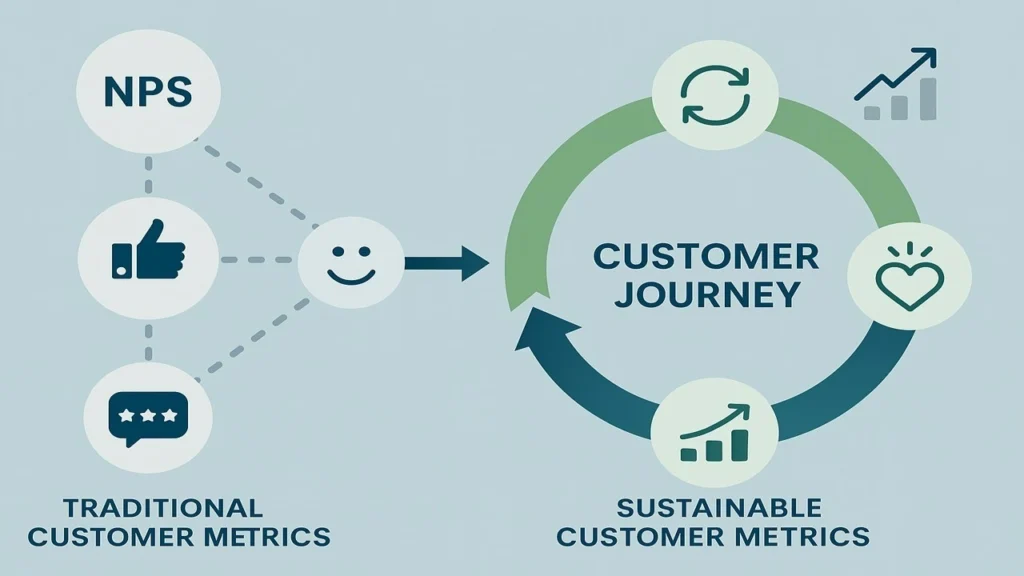
Image Source: LinkedIn
Measuring what matters separates successful AI personalization for Halal necessity brands from failed experiments. Halal consumers stick with their preferred brands at rates exceeding 80%, higher than average loyalty rates. This baseline makes retention measurement straightforward when you implement Consumer-specific Halal diagnostics.
Customer retention through personalization
Individual-specific experiences drive 65% of consumers toward repeat purchases. Brand satisfaction stems from perceived quality and firm-generated content. About 55% of respondents were actively involved with personalized offers and promotions actively. Social Information Processing influences brand loyalty and does so through halal brand personality and halal brand equity as mediators.
Market differentiation in competitive landscapes
The Halal Beauty AI market grows at 12.60% year-on-year. AI analytics measure engagement, conversion, and ROI in social, search, and e-commerce channels. Automated dashboards and A/B testing help teams refine campaigns quickly. This supports international growth without proportional cost increases.
Long-term brand loyalty indicators
Religiosity contributes to brand loyalty a lot, while having no effect on brand satisfaction. Track both paths separately in your Shariah-compliant digital diagnostics systems to address this.
ROI tracking for AI investments
Most organizations achieve satisfactory ROI on AI use cases within two to four years. Only 6% reported payback under a year. So plan long-term investments in Precision Halal hygiene OEM partnerships rather than expecting immediate returns.
Conclusion
AI personalization for Halal necessity brands transforms customer relationships from transactional to trust-based. Consumers in 2026 expect bespoke solutions that respect both their individual needs and Shariah principles. Brands that combine Consumer-specific Halal diagnostics with transparent data practices gain the most important competitive advantages in the long run.
Success requires the right precision, Halal hygiene OEM partnerships, and proper team training. You need commitment to ethical AI deployment. Personalization goes beyond better products. You build lasting trust through technology that serves your customers’ unique requirements while maintaining integrity intact.
Ready to ‘weaponize trust’ with AI? Visit the homepage to submit your question or connect with an expert via WhatsApp to start your customized Halal series now.
Key Takeaways
AI personalization is revolutionizing how halal necessity brands build customer trust and drive growth in an increasingly competitive market. Here are the essential insights for brands looking to leverage this technology:
• Personalization is now mandatory, not optional – With the halal market growing 5.6% annually to reach AED 10.65 trillion(USD 2.90 trillion), consumers expect tailored solutions that meet their specific needs while maintaining strict halal compliance.
• AI transforms generic products into bespoke solutions – Machine learning algorithms analyze individual preferences, skin conditions, and dietary restrictions to create consumer-specific formulations that adapt in real-time to changing needs.
• Transparent, Shariah-compliant data practices build trust – Success requires explainable AI systems that align with Islamic principles of trustworthiness (amanah), justice (adl), and transparency while avoiding uncertainty (gharar).
• Strategic OEM partnerships enable scalable implementation – Collaborating with precision halal hygiene OEM providers who combine JAKIM requirements with AI capabilities allows brands to scale personalized production without compromising certification.
• Long-term ROI requires patience and proper measurement – Most organizations achieve satisfactory ROI within 2-4 years, making it crucial to track retention rates, brand loyalty indicators, and trust metrics rather than expecting immediate returns.
The brands that successfully integrate AI personalization while maintaining halal integrity will capture the loyalty of increasingly sophisticated consumers who demand both customization and religious compliance in their necessity products.
FAQs
Q1. How does AI personalization help halal brands build customer trust? AI personalization builds trust by delivering tailored solutions that respect both individual needs and Shariah principles. Through transparent data handling practices aligned with Islamic values like trustworthiness (amanah) and justice (adl), brands can offer consumer-specific formulations while maintaining halal integrity. This combination of customization and religious compliance creates stronger, trust-based relationships with customers.
Q2. What makes AI-powered skin diagnostics effective for halal personal care products? AI-powered skin diagnostics analyze massive datasets to detect skin conditions with clinical precision across different skin tones, ages, and ethnicities. These systems break down facial images into zones, assess various skin health aspects on a 0-100 scale, and provide real-time recommendations. For halal brands, this technology enables Shariah-compliant diagnostics that deliver personalized barrier repair formulas while respecting religious compliance requirements.
Q3. How can halal brands implement AI personalization without compromising certification? Brands should partner with precision halal hygiene OEM providers who combine JAKIM requirements with AI capabilities. Implementation involves documenting the entire production process, ensuring facilities are free from cross-contamination, and using AI systems that instantly analyze ingredients to detect potential non-halal elements. Machine learning models trained on halal standards can cross-check documentation faster than human auditors, catching issues early in the certification process.
Q4. What ROI timeline should halal brands expect from AI personalization investments? Most organizations achieve satisfactory ROI on AI investments within two to four years, with only 6% reporting payback under one year. Brands should plan for long-term investments rather than expecting immediate returns. Success metrics should focus on customer retention rates (halal consumers show 80%+ brand loyalty), repeat purchase behavior (65% driven by personalized experiences), and market differentiation in the rapidly growing halal beauty AI market.
Q5. Why is explainable AI important for halal necessity brands? Explainable AI (XAI) is critical because opaque systems create uncertainty (gharar), which conflicts with Islamic principles. Techniques like SHAP and LIME make AI decisions transparent, allowing customers to understand why specific recommendations appear for their needs. This transparency demonstrates ethical integrity and builds consumer confidence by showing how AI serves their unique requirements while maintaining Shariah compliance throughout the personalization process.