
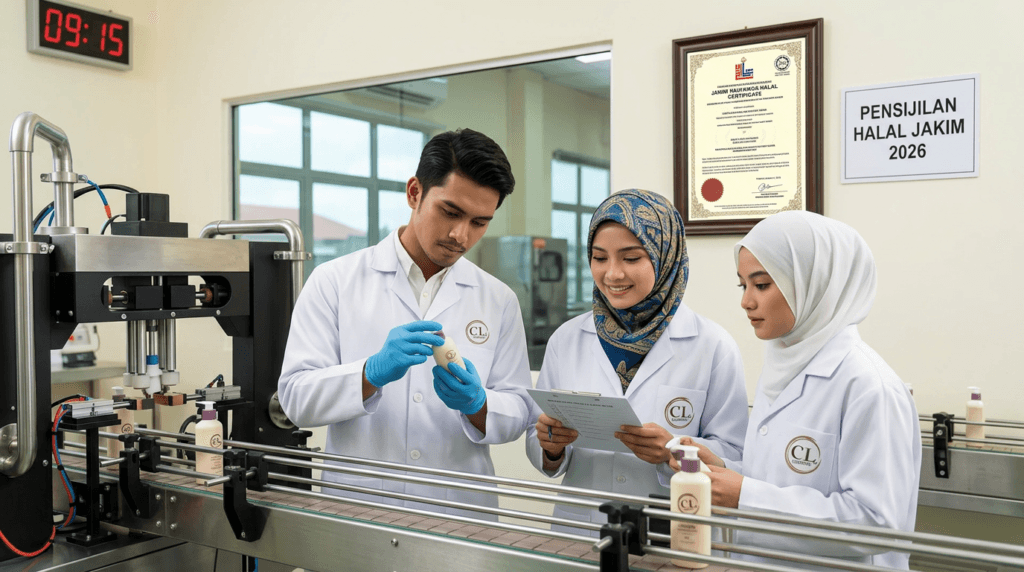
As the global JAKIM Halal market eyes a US$117.81 billion valuation by 2028, manufacturers are increasingly prioritizing Malaysia as a high-trust export hub. This creates significant opportunities for brands investing in JAKIM Halal certification. Manufacturers seeking market resilience should consider Malaysia’s position as a Halal export hub. Geopolitical disruptions and economic uncertainty are pushing brands toward crisis-proof manufacturing partnerships that provide supply chain security and consumer trust. This piece explores how JAKIM certification provides competitive advantages through access to trusted OEM partners, optimized compliance pathways, and innovative formulations designed to ensure long-term market stability in 2026 and beyond.
Understanding JAKIM’s Role in Global Halal Manufacturing
Understanding JAKIM’s Role in Global Halal Manufacturing
JAKIM (Department of Islamic Development Malaysia) is the primary authority for halal certification in Malaysia. The agency wields influence that extends well past national borders. JAKIM has pioneered a halal certification system that works through a network of over 80 foreign certification bodies from more than 45 countries. This system has gained recognition around the world. The extensive reach positions JAKIM as a central figure in the global halal ecosystem, with certification acceptance spanning over 100 countries.
What makes the JAKIM certification globally recognized
JAKIM certification’s credibility stems from its detailed approach to halal verification. Most countries certify only the end product. Malaysia certifies the entire production chain. This end-to-end process covers slaughtering methods, ingredient sourcing, machinery and equipment, cross-contamination risks, packaging and storage, logistics and transportation, staff training and hygiene, and documentation and traceability.
JAKIM operates under the Malaysian Standard MS 1500:2019, which serves as a standard for halal compliance both domestically and internationally. The agency has developed 15 standards for the halal sector. These span food and beverage schemes, pharmaceuticals, logistics, packaging, cosmetics, fashion, and Muslim-friendly hospitality services. This standardization creates uniformity in a variety of industries and reduces complexity for manufacturers entering multiple market segments.
The recognition system extends through JAKIM’s Foreign Halal Certification Bodies (FHCB) framework. As of recent updates, 85 foreign halal certification bodies from 47 countries provide halal certification for imported products that JAKIM recognizes. These bodies undergo periodic audits and inspections to maintain Malaysian halal standards. The process includes documentation audits, visits to manufacturer premises, and continuous monitoring. FHCB appointments remain valid for two years, with annual reports submitted to JAKIM for review.
Malaysia’s position as a Halal export hub
Malaysia’s halal exports totaled RM55 billion in recent years. The government targets RM75.2 billion by 2030. Some projections place this figure even higher at RM80 billion. Halal food and beverage contributed the largest share at RM29.4 billion in export value. This was followed by halal ingredients, cosmetics and personal care products, palm oil derivatives, and the chemical industry.
The sector is projected to contribute RM231 billion, or 10.8 percent, to the national GDP by 2030. Malaysia’s designation of HALMAS industrial parks through the Halal Development Corporation supports this economic significance. These specialized zones have attracted over 40 multinational companies and more than 200 local SMEs. They provide ready infrastructure and business-friendly environments for regional expansion.
Malaysia’s strategic location and halal ecosystem position the country as a leading destination for crisis-proof personal care manufacturing. The main export destinations for Malaysia’s halal products include China (RM7.1 billion or 11.9 percent), Singapore (RM6.2 billion or 10.4 percent), and Japan (RM3.7 billion or 6.1 percent). JAKIM certification helps access these markets as well as Muslim-majority regions in the Middle East, Indonesia, Brunei, and parts of Southeast Asia.
Direct certification pathways for international brands
JAKIM offers five schemes of halal certification for international manufacturing. Applications are open to companies registered in Malaysia. Foreign companies that seek halal certification must apply directly to JAKIM. The agency conducts on-site inspections of applicant premises and may take product samples for laboratory analysis.
Applications can be submitted online through the MYeHALAL system on the JAKIM Halal Hub. JAKIM is in the final stages of developing MyIHAB, an online system for FHCB recognition applications. This system is designed to improve efficiency and integrity in managing the application process. The government explores artificial intelligence and blockchain technology to strengthen monitoring and compliance of foreign certification bodies.
Partnering with JAKIM-certified OEM manufacturers in Malaysia provides an alternative pathway for international brands. These trusted OEM partners in Malaysia already maintain the necessary infrastructure, trained personnel, and compliance systems that certification requires. This approach reduces the complexity and cost associated with establishing independent manufacturing facilities. It maintains access to high-trust JAKIM certification for multi-market distribution.
Market Forces Driving Demand for Resilient Manufacturing in 2026
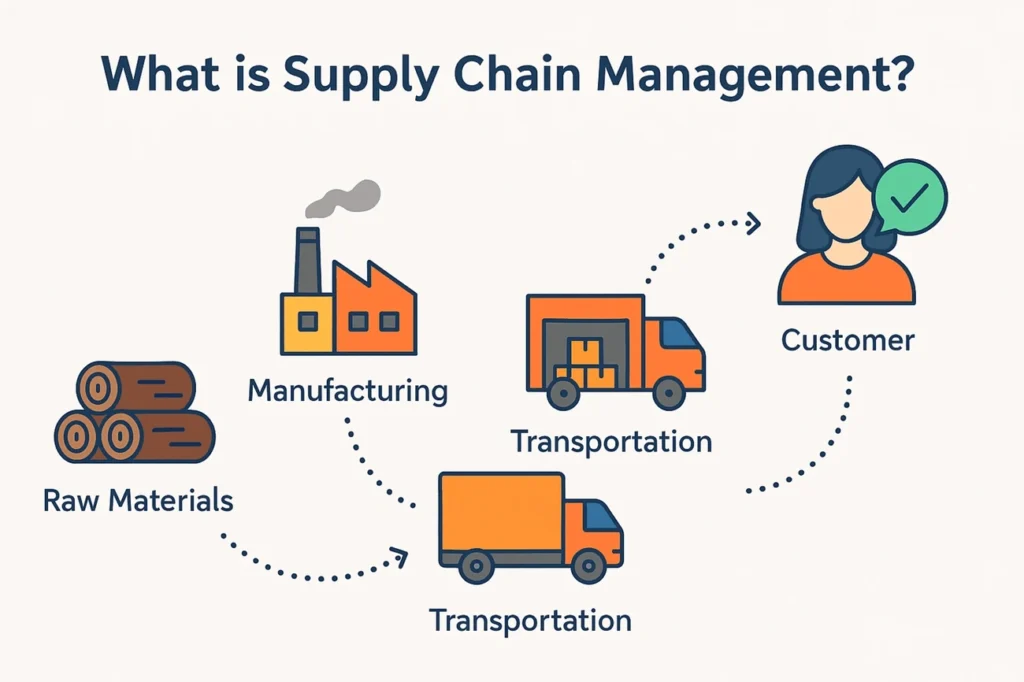
Image Source: HBLAB
Multiple joining pressures are reshaping manufacturing priorities for brands targeting halal-certified personal care markets. Social media sentiment analysis between October 2023 and March 2025 revealed that 15.6% of tracked posts endorsed ethical substitutes. This move reflects a broader movement where consumers boycott brands seen as misaligned with ethical or regional values, especially after geopolitical events related to the Gaza crisis. So local brands like Malaysia’s ZUS Coffee, Jordan’s emerging cola labels, and halal-certified beauty houses such as Wardah are capitalizing on this momentum.
Consumers move toward ethical and verified products.
Ethically produced and certified products have moved from a priority preference. Over 40% of consumers now prioritize natural components in their beauty products. This trend extends beyond traditional Muslim consumer bases. Non-Muslim shoppers recognize halal certification as a symbol of cleanliness, hygiene, and safety. Halal principles have joined with cruelty-free and vegan cosmetics and expanded market appeal substantially. As of May 2023, 85% of consumers use cruelty-free and vegan cosmetics, and 86% expressed interest in purchasing more of these products.
The rising Muslim population will reach 2.2 billion by 2030 and will drive core demand. But the ethical consumer activism movement has proven just as powerful. Activist apps like Boycat and No Thanks are propagating values-based purchasing into everyday shopping habits. This silent movement is grounded in solidarity, patriotic consumption, and faith-based duty. It creates structural reshaping of consumer loyalties that extends well beyond immediate political contexts.
Geopolitical risks and regional trade disruptions
Regional conflicts are creating immediate supply chain breaks that represent more than typical short-term market shocks. The Middle East conflict has resulted in palpable financial consequences for multinational corporations. Major fast-food and beverage chains reported sales declines and profit warnings. These disruptions translate into higher logistics costs, energy price volatility, and sustained rate pressure for manufacturers.
The Strait of Hormuz handles a fifth of the world’s oil and faces security concerns that push exporters to rethink trade routes. Vessels headed to the Suez Canal are being rerouted around the Cape of Good Hope. This adds approximately 10 to 14 days to Asia-Europe transit times. This complexity affects businesses exposed to the Gulf or those relying on Middle Eastern hubs for transshipment. The instability underscores the advantage of Malaysia-based manufacturing as a regional safety zone for halal manufacturers.
Economic downturns increase demand for products.
Muslim spending on halal products expanded by 5.5% in 2023 despite unprecedented economic and geopolitical challenges. Economic uncertainties alter consumer behavior. Shoppers prioritize necessities over specialty products during hardship. This pattern creates opportunities for brands focusing on Halal body care and hygiene products rather than discretionary cosmetics.
Trade disruptions lead to surges in demand for locally produced halal products. Consumers see local alternatives as more reliable and trustworthy when international supply chains become unstable. This move offers crisis-proof personal care manufacturing advantages for brands partnering with trusted OEM partners in Malaysia, where supply chain security remains intact despite global volatility.
Growth projections for the Halal personal care sectors
The halal cosmetics and personal care market size will increase by USD 20.48 billion at a CAGR of 4.9% between 2024 and 2029. Other projections place growth even higher. The market is expected to reach AED 340.57 billion in 2030 at a compound annual growth rate of 14.5%. Halal cosmetics spending was USD 318.21 billion in 2023 and is projected to reach USD 432.59 billion by 2028, representing a 6.3% CAGR.
The Asia-Pacific region dominates with 64.32% market share in 2025. Indonesia, Malaysia, and India drive this growth. Economic development, rising disposable income, an increase in working women, and growing interest in beauty and fashion among women contribute to expansion. The global market for halal cosmetics is projected to reach AED 559.60 billion by 2030, with a compound annual growth rate of 14% between 2024 and 2030. This strong trajectory positions JAKIM-certified skincare OEM partnerships as strategic investments for brands seeking high-trust JAKIM certification and multi-market distribution pathways.
Access to certified OEM partners in Malaysia
JAKIM certification holds recognition across over 60 countries. Malaysian standards receive acceptance from 47 halal authorities worldwide. Brands that partner with trusted OEM partners in Malaysia gain immediate market access through this global acceptance.
Working with JAKIM-certified skincare OEM partners eliminates the need for brands to build an independent manufacturing infrastructure. These facilities maintain detailed certifications such as Good Manufacturing Practice (GMP) by NPRA, JAKIM Halal verification, and some are even listed on Malaysia’s National Pharmaceutical Regulatory Agency (NRPA) QUEST 3+ directory, i.e., CL Cosmetic Industries.
The result is integrated quality systems that appeal to Muslim and health-conscious consumer segments.
Efficient compliance for multi-market distribution
Countries such as Saudi Arabia and the UAE require JAKIM certification for imported health and cosmetic products. Multi-market distribution strategies become simpler through this regulatory alignment. Digital certification platforms cut approval timelines by half compared to traditional paper-based processes. New product launches reach markets faster.
The high-trust JAKIM certification serves as a single credential. It opens doors across Middle Eastern and Southeast Asian markets, plus Western markets where ethical production verification matters.
Cost efficiency in regional production zones
Malaysia’s pharmaceutical and cosmetics manufacturing landscape benefits from a deep pool of skilled scientists, pharmacists, and technicians. Government incentives and promotional programs support halal-certified businesses. This reduces operational overhead for manufacturing partners. The entire ecosystem is structured to make cost-effective production easier without compromising quality standards. Halal industrial parks and regulatory support frameworks work together.
Breakthroughs in crisis-proof product formulations
Malaysian manufacturers invest heavily in research and development activities. Their focus is on improving manufacturing techniques and developing new solutions. This R&D capacity supports the creation of stable-shelf-life Halal cosmetics and anti-bacterial Halal formulations designed for supply chain security in 2026.
Is your brand prepared for the next global move? Visit the homepage now to ask questions via the form or connect with an expert from team CL Cosmetic Industries through the WhatsApp/live-chat button on the homepage to develop your resilient Halal necessity series.
Prioritizing Halal body care and hygiene essentials
Personal care products hold the largest market share within halal cosmetics. Muslim women’s population growth and the integration of personal hygiene with religious observances drive this trend. Indonesia’s government will require halal certification for household products, including cosmetics and personal care, by October 2026. Kao has already obtained certification for many products and plans to expand production capacity at an existing facility to manufacture halal-certified sunscreen locally by this deadline. The Indonesian beauty and personal care sector was worth around USD 33.05 billion in 2024. Projections show it will reach USD 47.74 billion by 2029.
Developing stable-shelf-life cosmetic formulations
Shelf life testing will ensure products that remain safe and effective throughout their intended use period. Natural cosmetic products are more susceptible to changes over time compared to their synthetic counterparts. Temperature, humidity, light exposure, and storage duration affect longevity a lot. The development of halal cosmetics using natural ingredients through R&D methods can take about 6 months to 2 years. Stability testing is significant and will give products that remain stable and safe for at least two years in the market.
Creating recession-proof beauty product lines
Economic uncertainties alter consumer behavior. Shoppers prioritize necessities over specialty products during hardship. Most halal cosmetics do not cause skin irritation and have no long-term side effects on health. The skin care segment held a dominant market share of 33.68% in 2026. Consumers use skincare products to keep their skin healthy and glowing.
Expanding SPF and protective skincare ranges
The halal sunscreen market is experiencing rapid growth. Increasing awareness of sun protection and rising consumer need for ethically and religiously compliant products drive this expansion. Kao introduced Biore Breeze Deodorant, targeting local consumers in Indonesia, where many Muslim women wear the hijab and use deodorant in the country’s hot, humid climate. The need for halal skincare is fueled by concerns over skin health, worsened by climate change, which affects skin texture and pigmentation.
Implementing Supply Chain Resilience with JAKIM Standards
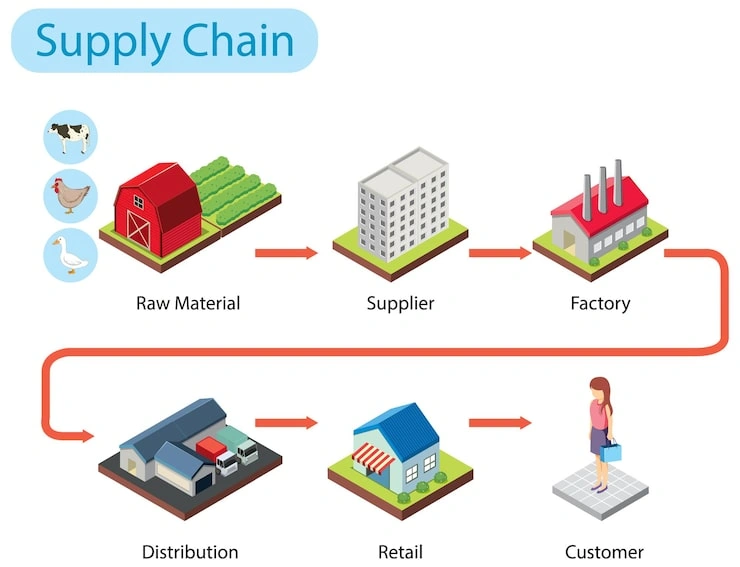
Image Source: Freepik
Supply chain integrity separates compliant halal products from those that merely claim certification status.
Supplier verification and ethical sourcing guidelines
The Malaysian Standard MS2400:2019 requires organizations to establish procedures for receiving and handling incoming goods. This includes verifying halal status, evaluating suppliers’ halal certification, and monitoring compliance. All raw materials must be sourced from halal-certified suppliers only. This requires detailed verification and auditing processes. Raw materials from animals or based on animal products must be certified halal by competent authorities or recognized certification bodies. Fraud poses the biggest problem to halal supply chains. Non-halal food packaged as halal can occur anywhere from sourcing raw materials to the production of finished goods.
Risk mitigation through Malaysia-based manufacturing
Cross-contamination represents a critical vulnerability. Halal and non-halal items stored, handled, or processed together without proper segregation create this risk. Prevention requires dedicated halal processing lines and separate storage areas. Clear labeling helps avoid accidental combinations. Equipment and hardware must be used for processing halal raw materials and products only. The sertu process must be carried out if storage areas or equipment become contaminated.
Quality assurance and long-term stability testing
The Halal Management System (HMS) incorporates control steps throughout production. This ensures products remain halal and safe. Stability testing ensures products remain stable and safe for at least two years in the market. Malaysia’s Halal Assurance System (HAS) requires manufacturers to implement six core principles. Internal Halal Committees monitor these principles.
Building trust through certification transparency
Third-party halal certifiers provide unbiased evaluation through regular audits. These audits verify certification validity and maintain compliance throughout a product’s lifecycle. Blockchain technology provides secure, decentralized records. Stakeholders can trace the whole product trip from source to shelf. These tamper-proof records document halal status at each step. IoT technologies enable up-to-the-minute monitoring at warehouses, transportation, and manufacturing plants.
Is your brand prepared for the next global change? Visit the homepage now to submit an inquiry via the form or connect with an expert from team CL Cosmetic Industries through the WhatsApp/live-chat button on the homepage. We can help develop your resilient Halal necessity series.
Conclusion
Global markets face uncertainty through 2026, and JAKIM certification represents more than regulatory compliance. Partnership with trusted Malaysian OEM manufacturers gives you access to crisis-proof supply chains and ethical verification that appeals to Muslim and non-Muslim consumer bases. You also get cost-effective production infrastructure arranged with international standards.
Brands that prioritize Halal body care essentials through JAKIM-certified partners position themselves ahead of regulatory deadlines. They build consumer trust during volatile market conditions. The resilience advantage comes from combining Malaysia’s strategic export hub status with formulations designed for stability and multi-market acceptance. Your investment in JAKIM partnerships today creates competitive differentiation that extends beyond 2026.
Key Takeaways
JAKIM certification offers manufacturers a strategic pathway to market resilience through trusted partnerships, global recognition, and crisis-proof supply chains that position brands for sustained growth in 2026.
• JAKIM certification opens doors to 100+ countries through Malaysia’s globally recognized halal standards, providing immediate multi-market access for personal care brands.
• Malaysia-based manufacturing reduces geopolitical risks while offering cost-efficient production through established OEM partners with integrated quality systems.
• Consumer demand for ethical products drives 5.5% growth in halal spending despite economic uncertainty, creating opportunities for verified brands.
• Essential halal body care products outperform luxury items during economic downturns, making hygiene and skincare necessities recession-proof investments.
• End-to-end supply chain certification prevents contamination risks through dedicated halal processing lines, supplier verification, and blockchain transparency systems.
The convergence of ethical consumerism, geopolitical instability, and regulatory requirements makes JAKIM partnership essential for brands seeking sustainable competitive advantage in the rapidly expanding halal cosmetics market projected to reach $432.59 billion by 2028.
FAQs
Q1. What is the current size and projected growth of the global halal cosmetics market? The global halal cosmetics market reached $86.66 billion in 2023 and is projected to grow to $117.81 billion by 2028. Some projections estimate even higher growth, with the market potentially reaching $432.59 billion by 2028, representing a compound annual growth rate of approximately 6.3%. This expansion is driven by increasing Muslim populations, rising consumer demand for ethical products, and growing awareness of halal certification as a symbol of quality and safety.
Q2. Why is JAKIM certification recognized internationally for halal products? JAKIM certification is globally recognized because it certifies the entire production chain rather than just the end product. This comprehensive approach covers ingredient sourcing, manufacturing processes, equipment, storage, logistics, and staff training. JAKIM operates under the Malaysian Standard MS 1500:2019 and works with over 80 foreign certification bodies across 45+ countries, with acceptance in more than 100 countries worldwide. This end-to-end verification creates a high level of trust and credibility in international markets.
Q3. What are Halal Critical Control Points in manufacturing? Halal Critical Control Points (HCCPs) are specific stages in production, processing, packaging, and storage where risks of contamination, cross-contamination, or non-compliance with halal requirements must be identified and controlled. These control points ensure products maintain halal integrity throughout the manufacturing process by implementing dedicated processing lines, separate storage areas, proper equipment segregation, and comprehensive monitoring systems to prevent any mixing of halal and non-halal materials.
Q4. How does Malaysia-based manufacturing help brands mitigate supply chain risks? Malaysia-based manufacturing reduces geopolitical risks by providing a stable regional production hub with established infrastructure and regulatory support. The country’s strategic location, combined with JAKIM-certified facilities and dedicated halal industrial parks, offers protection from trade disruptions affecting other regions. Malaysian manufacturers maintain comprehensive quality systems, skilled workforce, and government incentives that create cost-efficient, crisis-proof production capabilities while ensuring consistent supply chain security.
Q5. What product categories show the strongest growth potential in halal personal care? Personal care and hygiene essentials hold the largest market share within halal cosmetics, with the skincare segment commanding 33.68% of the market. Body care products, sunscreen, and protective skincare ranges show particularly strong growth due to increasing awareness of sun protection and skin health concerns. These essential products demonstrate recession-proof characteristics as consumers prioritize necessities over luxury items during economic uncertainty, making them strategic investments for brands seeking market stability.