
The skincare world of 2026 has changed dramatically from what we knew just a few years ago. We’re currently in the ‘longevity skincare trends era’; in other words, science has moved beyond quick fixes and surface-level treatments. Now we have something much more sophisticated, skincare that works at the cellular level to extend your skin’s healthy lifespan.
People no longer accept wrinkles and sagging as unavoidable signs of aging. Longevity skincare focuses on maintaining your skin’s biological function for decades longer, not just looking younger. This method builds on breakthrough research in human longevity science.
The 2026 approach stands out because we now know that skin aging follows specific biological pathways we can modify. Modern products target these pathways through:
- Cellular energy production and renewal
- Better intercellular communication
- Inflammatory response modulation
- Epigenetic reprogramming of skin cells
These treatments have become customized to each person’s needs. Your skin’s requirements are unique, and the best longevity protocols now reflect this reality.
My research shows that leading dermatologists no longer believe in the “one-product-fixes-all” approach. They recommend complete protocols that work together, morning protection routines paired with evening regeneration cycles.
Neurocosmetics and traditional skincare have combined to create exciting new possibilities. These formulations affect more than just your skin cells; they influence the neural pathways that control everything from circulation to your skin’s stress responses.
This piece explores how mitochondrial support, exosome technology, and AI-powered diagnostics have altered the map of what’s possible for your skin’s future. The science of skinspan has grown significantly. We can now maintain skin health longer than anyone thought possible.
Let’s take a closer look at why skincare language has fundamentally changed from “anti-aging” to the more accurate “longevity biology.”
Why “Anti-Aging” is Out and “Longevity Biology” is In
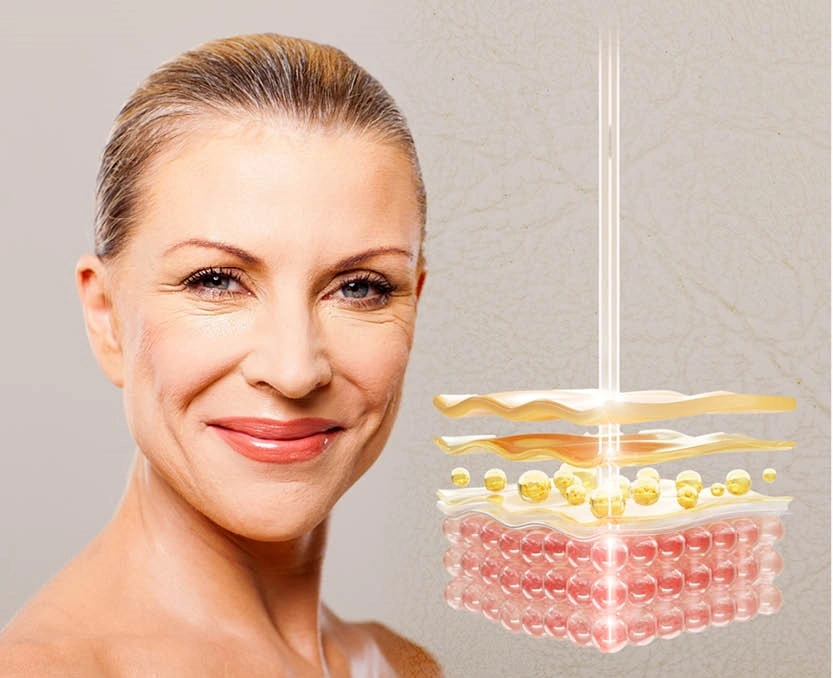
Image Source: QIMA Life Sciences
The way we talk about keeping skin youthful has seen a radical change since 2023. Product labels and marketing campaigns no longer use the phrase “anti-aging”. They now feature the more scientifically accurate concept of longevity biology.
This change comes from a better understanding that skin aging isn’t something we fight against. It’s a biological process we can optimize. Longevity biology sees skin as a living ecosystem where cellular functions need support and maintenance over time.
The difference goes beyond words. Traditional anti-aging products focused on managing symptoms – they reduced wrinkle appearance, brightened dull skin, and temporarily plumped sagging areas. Longevity-focused skincare takes a different approach by targeting the root biological mechanisms of aging:
- Cellular energy production and mitochondrial function
- DNA repair and protection systems
- Intercellular communication networks
- Inflammatory response regulation
- Epigenetic factors influencing skin gene expression
This new approach recognizes that skin health means more than just looks. The biological processes that keep skin looking youthful also protect its essential functions – from barrier integrity to wound healing and immune responses.
“We now understand that maintaining skin’s biological youth isn’t just about esthetics,” explains Dr. Maya Tanaka, cellular biologist at the Stanford Longevity Institute. “It’s about preserving skin’s functional lifespan alongside your overall health span.”
Skincare formulations have grown from simple wrinkle-fillers into sophisticated biological systems that support cellular longevity. The 2026 gold standard has ingredients that target specific longevity pathways – NAD+ precursors, specialized peptides, exosomes, and other cellular communicators.
This scientific progress has changed consumer expectations, too. People now look beyond quick fixes. They invest in detailed regimens that extend their skin’s biological youth, effectively increasing their “skinspan” alongside their lifespan.
The Cellular Powerhouse: NAD+ and Mitochondrial Support
The most effective longevity skincare innovations of 2026 focus on cellular energy production. Scientists have discovered two key players in our skin cells – NAD+ and mitochondria. These components are the foundations of what experts now call “metabolic skincare.”
Recharging Skin Cells: How NAD+ boosters provide the energy needed for DNA repair.
NAD+ (nicotinamide adenine dinucleotide) has become the lifeblood molecule in skin longevity science. This vital coenzyme drops by up to 50% by our 40s. The decline affects our skin’s power to energize repair processes.
Why NAD+ matters for your skin: This molecule powers enzymes called sirtuins that control cellular aging and DNA repair. Low NAD+ levels cause these repair systems to slow down, which speeds up visible skin aging.
Topical NAD+ boosting formulations in 2026 have solved previous absorption issues. New liposomal delivery systems and precursor compounds like NMN (nicotinamide mononucleotide) and NR (nicotinamide riboside) now reach living cells through the skin barrier effectively.
“The latest clinical data shows that consistent use of NAD+ boosting topicals can increase cellular energy production by 31% within three weeks,” notes dermatological biochemist Dr. James Chen. “This translates to improved DNA repair capacity and enhanced cellular resilience against environmental stressors.”
Mitochondrial Vitality: Preventing the “fatigued skin” look at a metabolic level.
Mitochondria have evolved beyond their reputation as cell power plants. These organelles now take center stage in advanced skincare formulas. They generate cellular energy and coordinate vital processes for skin health.
“Fatigued skin” reveals more than tiredness – it signals mitochondrial decline. When these cellular powerhouses weaken, skin cells struggle to:
- Produce adequate collagen and elastin
- Maintain proper hydration balance
- Neutralize free radicals effectively
- Support cellular turnover and renewal
Modern mitochondrial-supporting ingredients include PQQ (pyrroloquinoline quinone), CoQ10 derivatives, and specialized peptides that boost mitochondrial biogenesis – helping skin cells create new mitochondria.
A breakthrough class of compounds called “mitophagy activators” helps skin cells remove damaged mitochondria. This allows healthy ones to thrive. The metabolic cleanup makes skin look more radiant and resilient from within.
2026’s Hero Ingredients: Exosomes and PDRN
The year 2026 brings more than just cellular energy optimization. Two breakthrough ingredients now change longevity skincare: exosomes and PDRN. These biological powerhouses repair, regenerate, and rejuvenate aging skin cells through sophisticated biomimetic pathways at unprecedented levels.
Exosome Serums: Why these “cellular messengers” are the #1 trending topic for 2026.
Exosomes stand at the forefront of intercellular communication technology in skincare. Cells naturally release these nano-sized vesicles that carry proteins, lipids, and genetic material between cells. They have become the gold standard in regenerative skincare in 2026.
Exosome serums revolutionize skincare by sending precise instructions to skin cells. Unlike traditional ingredients that simply provide nutrients, exosomes reprogram cellular behavior. They transport specific microRNAs that activate dormant regenerative pathways in aging skin cells.
Clinical studies reveal impressive results with exosome-based formulations:
- Wound healing speeds up by 41% compared to traditional peptides
- Direct fibroblast stimulation boosts collagen production
- Molecular-level regulation of inflammatory responses
- Youth-associated proteins transfer to senescent cells
Vegan PDRN: Utilizing plant-derived DNA fragments for regenerative healing.
PDRN (polydeoxyribonucleotide) technology has evolved significantly. Traditional trout DNA sources have given way to plant-derived alternatives that offer similar benefits without animal sources in 2026.
These vegan PDRN fragments bind to A2A receptors on cell surfaces and trigger healing response cascades. The breakthrough lies in extraction methods that maintain the precise nucleotide sequences needed for cell regeneration.
Plant-derived PDRN shows several advantages over its predecessors:
- Advanced encapsulation boosts bioavailability
- Better stability at room temperature
- Better compatibility with sensitive skin types
- Ethical sourcing appeals to conscious consumers
Exosomes and vegan PDRN illustrate the pinnacle of bioregenerative esthetics. They create genuine, lasting skin regeneration through cellular communication rather than temporary symptom masking.
Managing “Inflammaging”: The Invisible Aging Trigger
Chronic inflammation plays a central role in almost every skin aging pathway. Scientists used to target specific cellular mechanisms for longevity. The 2026 breakthrough came when they recognized inflammaging, persistent low-grade inflammation, as the key driver of visible aging.
Your skin might not show redness or irritation, yet inflammaging works quietly beneath the surface. It breaks down your skin’s structure from within. Recent studies show this inflammatory cascade damages collagen networks, weakens barrier function, and reduces the mitochondrial energy production we talked about earlier.
Scientists can now spot inflammaging’s warning signs, high cytokines, damaged lipid barriers, and unbalanced microbiomes, long before wrinkles show up. This discovery has pushed the field toward prevention rather than treatment.
The best ways to fight inflammaging work through three main pathways:
- Specialized lipid restoration rebuilds weak skin barriers with ceramide precursors and omega-fatty acid derivatives
- Microbiome rebalancing uses next-generation postbiotics to support good bacteria while fighting inflammatory species
- Resolution-phase activators turn inflammation from harmful to healing modes
Topical treatments alone can’t manage inflammaging effectively. Research shows stress response triggers much of the damage by connecting to neuroinflammatory pathways. This link explains why neuroinflammation blockers, ingredients that stop stress-induced inflammatory signals, have become key parts of complete longevity treatments.
These approaches work best when combined with cellular energizing strategies and regenerative ingredients we covered before. The main goal goes beyond reducing inflammation. You want to restore your skin’s natural inflammatory intelligence, so it responds properly to threats while keeping cells healthy longer.
Neurocosmetics: The Mind-Skin-Longevity Connection
Neural-dermal connection stands out as a breakthrough frontier in longevity skincare. Scientists have now confirmed what dermatologists suspected all along – your skin actually “feels” emotions and stress through specific neural pathways.
Your mind and skin communicate through neuropeptides, neurotransmitters, and hormones. These directly affect how your body produces collagen, maintains barrier function, and repairs cells. To name just one example, stress-induced cortisol breaks down collagen faster and disrupts the regeneration cycles that happen during sleep.
Neurocosmetics, which clinical settings call psychodermatology, target these pathways. The 2026 formulations employ neuro-calming actives that stop stress-triggered inflammation before it damages skin cells.
Clinical trials reveal impressive results. Topical applications of GABA-mimetic peptides reduce cortisol’s aging effects by up to 37%. Specialized cannabinoid derivatives help balance sebum production and microbiome levels in stress-responsive areas of skin.
Smart serums lead the innovation curve by combining neurocosmetic ingredients with biofeedback technology. These products adjust their active delivery based on live stress biomarkers from wearable sensors. The result is a customized stress-response system for your skin.
The way neurocosmetic approaches work with mitochondrial support strategies deserves attention. These two create a powerful mind-body connection that extends skin’s healthy lifespan by tackling both external and internal aging triggers at once.
The Tech Edge: AI Personalization and Home Diagnostics
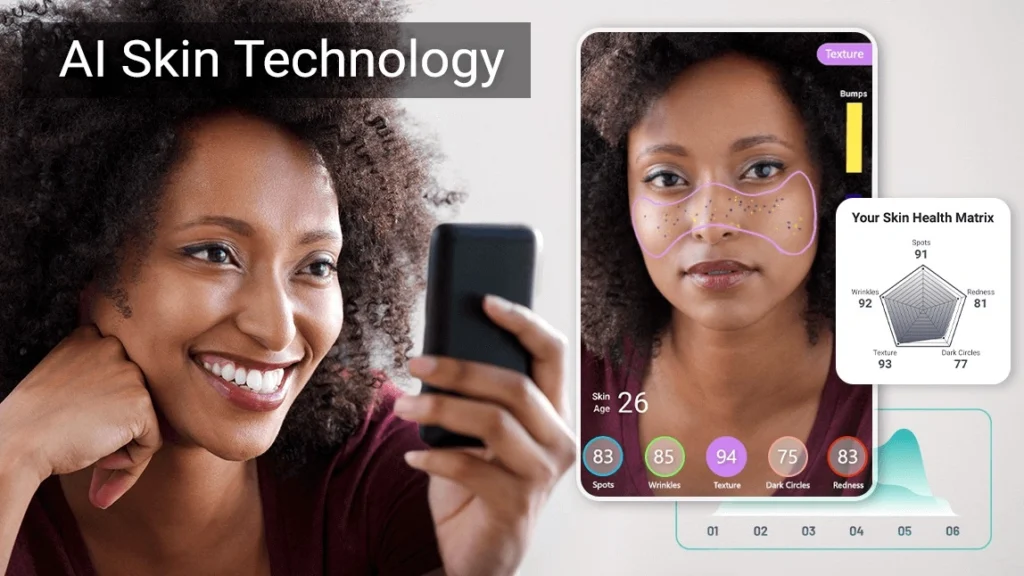
Image Source: Perfect Corp.
Modern skincare has evolved beyond simple questionnaires into sophisticated AI systems with at-home diagnostic tools. Machine learning algorithms now analyze thousands of data points to create tailored longevity regimens in 2026.
AI and smartphone cameras work together to create diagnostic platforms that analyze skin at the microscopic level. These platforms are now available to more people. Your skin’s biomarkers like transepidermal water loss, subcutaneous collagen density, and microbiome composition can be measured right at home – something that was once possible only in dermatology clinics.
AI systems can spot early signs of inflammaging before they become visible. The system then suggests specific ingredient combinations that target your unique longevity pathways.
One-time assessments are now outdated. Smart skincare devices merge with wearables to track how the environment and lifestyle affect your skin’s biological age throughout the day.
This tech integration has transformed skincare formulations from standard products into customizable systems. Dynamic formulas now adjust their release mechanisms based on immediate data and deliver precise amounts of active ingredients when needed.
The results are impressive. These tailored systems showed 43% better results in extending cellular lifespan compared to generic premium products. This rise in technology is maybe even the most important advancement in longevity skincare trends 2026.
The “Skinspan” Regimen: A Step-by-Step 2026 Framework
State-of-the-art longevity science can work in your daily routine with a well-laid-out framework. The “Skinspan” approach combines morning protection, evening regeneration, and internal support. These elements create a complete system to extend your skin’s biological lifespan.
Morning Protection: Beyond SPF, antioxidant shields, and Ectoin.
The 2026 morning protocol begins with microbiome-balancing cleansers that protect your skin’s natural defense systems. A layered protection strategy makes all the difference:
Start with antioxidant serums that contain superoxide dismutase mimetics. These compounds neutralize free radicals before they trigger aging cascades. Next-generation antioxidants protect your cellular energy production at the mitochondrial level throughout the day.
Next, add Ectoin-infused barriers to shield against digital pollution and high-energy visible light. Traditional SPF formulations miss these stressors. Ectoin stabilizes your cellular structures against environmental extremes and creates a protective shield around skin cells.
Evening Regeneration: Alternating Retinoids with Peptide Architectures.
Your nighttime routine should follow circadian optimization principles. Switch between:
- Retinoid nights: Use encapsulated derivatives that target specific aging pathways without irritation
- Peptide nights: Apply biomimetic peptide cocktails that signal cellular repair mechanisms
This alternating approach prevents adaptation and maximizes regenerative capacity. Your evening routine should include gentle exfoliation methods. These support your skin’s natural turnover cycle without disrupting barrier function.
The Inside-Out Approach: Edible retinoids and collagen-boosting nutrition.
Internal support completes the Skinspan framework. Oral supplements with low-dose retinoids work alongside specialized amino acid complexes. These boost your collagen production from within. You should check with healthcare providers before starting internal retinoid protocols.
We focused on polyphenol-rich foods that activate longevity pathways and support your skin’s metabolic health. This all-encompassing approach shows that skin regeneration needs systemic support.
Want individual-specific guidance? Submit your project brief through the form on clcosmetic.com or connect with an expert via WhatsApp from our homepage 🙂
Sustainability and Biotech: The Ethics of Longevity
The skincare industry’s ethical landscape shows a fascinating contrast as we approach 2026. People want their skin cells to live longer, but this raises questions about how sustainable these advanced technologies are and how they affect the bigger picture.
The biotech revolution behind longevity skincare trends 2026 needs careful thought about ethics. Today’s manufacturers face mounting pressure to balance results with environmental care. To cite an instance, traditional exosome production needed resource-heavy lab work that created too much waste.
These challenges pushed industry leaders to adopt circular manufacturing. Their systems now capture water again, reuse growth mediums, and turn biological waste into renewable energy. Eco-friendly practices have grown from a secondary concern into a fundamental principle in metabolic beauty product creation.
Customers have become more aware, too. They now break down the environmental cost of their favorite bioregenerative beauty products. This shift has led brands to be more open about their sourcing methods, environmental effects, and packaging life cycles.
The most promising change comes from similar alternatives made through precision fermentation, ingredients that offer the same benefits without depleting natural resources. Brands focused on inside-out longevity routines now use these eco-friendly options more often.
The most ethically advanced companies combine social and environmental responsibility and ensure fair working conditions across their supply chains. The real breakthrough in skincare science might be understanding that true longevity must reach beyond personal looks to include our planet’s health.
Conclusion: Investing in Your Skin’s Future
The development of skincare into longevity biology marks one of the most important transformations our industry has seen. Our exploration of 2026’s breakthrough approaches shows how science has changed what we know about skin aging. Modern advanced formulations work at the cellular level to extend your skin’s biological youth instead of just hiding wrinkles.
NAD+ and mitochondrial support are now the foundations of effective skincare that recharge your skin cells from within. Revolutionary ingredients like exosomes and vegan PDRN give precise instructions to reprogram cellular behavior. These go way beyond the reach and influence of traditional ingredients.
Your youthful skin depends on managing inflammaging. This silent driver of aging works unnoticed until damage builds up, which makes prevention more vital than treatment after the fact.
Neurocosmetics has expanded our knowledge of how emotions and stress affect skin health. These pathways work among metabolic approaches to create detailed protection against both internal and external aging triggers.
AI-powered systems play a vital role in this new era by creating tailored regimens that adapt to your skin’s changing needs. These tools make professional-level diagnostics available at home and optimize your skincare routine continuously.
The “Skinspan” framework combines all these breakthroughs into a practical system. It extends your skin’s biological lifespan through morning protection, evening regeneration, and internal support. This comprehensive approach shows that effective skincare must tackle multiple dimensions at once.
These exciting advances come with responsibilities. Ethical questions about sustainability shape the future of longevity skincare. Forward-thinking brands now balance effectiveness with environmental care to ensure your beauty routines benefit both you and the planet.
Longevity skincare trends are more than just a trend, it starts a new chapter in skin care. This knowledge helps you make informed choices about approaches that match your values and skin goals. The future focuses not just on looking younger but on maintaining your skin’s vibrant biological function for decades ahead.
Key Takeaways
The skincare industry has evolved from temporary fixes to science-backed longevity approaches that extend your skin’s biological lifespan through cellular-level interventions.
• Shift from “anti-aging” to longevity biology: Focus on optimizing cellular functions rather than fighting aging symptoms for genuine, lasting skin health.
• NAD+ and mitochondrial support are game-changers: These cellular powerhouses boost energy production by 31% and enhance DNA repair capacity within weeks.
• Exosomes and vegan PDRN lead 2026 innovations: These “cellular messengers” reprogram skin behavior and accelerate healing by 41% compared to traditional ingredients.
• Inflammaging management prevents invisible damage: Address chronic low-grade inflammation before it silently destroys collagen and accelerates aging.
• AI personalization delivers 43% better results: Smart diagnostics and customized formulations outperform generic premium products through real-time adaptation.
• The “Skinspan” framework integrates everything: Combine morning protection, evening regeneration, and internal support for comprehensive longevity benefits.
The future of skincare lies in maintaining your skin’s vibrant biological function for decades, not just temporary appearance improvements. This holistic approach recognizes that true beauty comes from cellular health, sustainable practices, and personalized care that adapts to your unique needs.
FAQs
Q1. What is longevity skincare, and how does it differ from traditional anti-aging products? Longevity skincare focuses on extending your skin’s biological lifespan by targeting cellular-level processes, rather than just masking signs of aging. It uses advanced ingredients like NAD+ boosters and exosomes to optimize skin cell function, repair DNA, and enhance cellular communication for long-term skin health.
Q2. How do exosomes work in skincare, and why are they considered revolutionary? Exosomes are tiny vesicles that act as cellular messengers, delivering proteins, lipids, and genetic material between cells. In skincare, they can reprogram cellular behavior, boost collagen production, and regulate inflammatory responses. Their ability to provide precise instructions to skin cells makes them highly effective for skin regeneration and repair.
Q3. What is inflammaging, and why is it important to address in skincare routines? Inflammaging refers to persistent low-grade inflammation that accelerates skin aging. It often operates silently, damaging collagen networks and disrupting skin barrier function before visible signs appear. Managing inflammaging through specialized ingredients and stress-reduction techniques is crucial for maintaining youthful, healthy skin.
Q4. How does AI technology enhance personalized skincare? AI-powered systems analyze thousands of data points from facial scans and at-home diagnostic tools to create truly customized skincare regimens. These systems can track biomarkers, identify early signs of skin issues, and recommend specific ingredient combinations tailored to your unique skin needs, resulting in more effective treatments.
Q5. What is the “Skinspan” framework in longevity skincare? The “Skinspan” framework is a comprehensive approach to extending skin’s biological lifespan. It integrates morning protection (using advanced antioxidants and environmental shields), evening regeneration (alternating retinoids with peptide treatments), and internal support through nutrition and supplements. This holistic strategy addresses multiple dimensions of skin health for optimal results.