
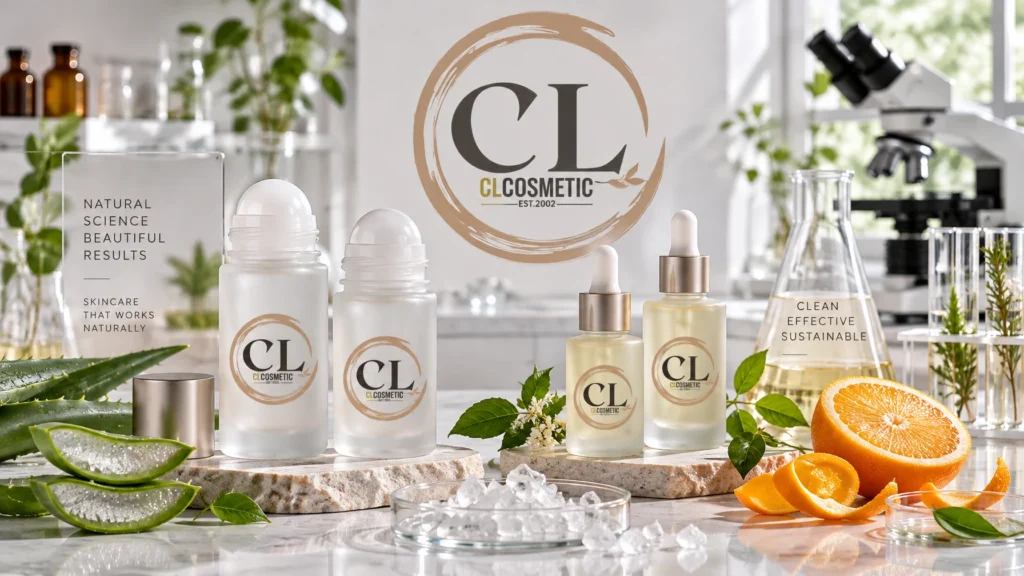
The global body care market is experiencing a massive health-conscious revolution in 2026. For decades, consumers relied on harsh aluminum-based antiperspirants and pressurized aerosol sprays to control body odor. Today, armed with dermatological research and a focus on clean beauty, consumers across Malaysia, Singapore, and Indonesia are demanding safer alternatives.
The modern beauty consumer has abandoned lung-irritating aerosol sprays and pore-clogging aluminum. Instead, they are actively searching for “skinified” underarm care: aluminum-free, alcohol-free, skin-brightening roll-ons and serums. Furthermore, for the massive Muslim demographic across Southeast Asia, verifying that these daily personal care items are strictly JAKIM Halal-certified is non-negotiable.
For beauty brand founders, aesthetic clinics, and personal care entrepreneurs, this shift away from toxic aerosols presents a highly lucrative commercial opportunity. However, formulating an effective natural deodorant that actually works in a hot, humid tropical climate requires advanced biochemical expertise.
To capture this high-intent market, brand owners must partner with a specialized Halal Deodorant OEM capable of engineering sophisticated liquid and cream formulations. Located in Kajang, Selangor, the contract manufacturing specialists at CL Cosmetic Industries have created this definitive blueprint for formulating, registering, and launching a high-performance, non-aerosol body care line in 2026.
The 2026 Shift: Why Consumers are Abandoning Aerosols and Aluminum
To successfully market a new body care brand, you must understand exactly what modern consumers are running away from. The traditional deodorant and antiperspirant industry relied on three primary mechanisms that are now widely rejected by health-conscious buyers:
1. The Dangers of Pressurized Aerosol Sprays
Traditional aerosol deodorants utilize volatile chemical propellants, such as butane, isobutane, and propane, to force the product out of a pressurized metal can.
- Health Risks: Inhaling these volatile organic compounds (VOCs) in enclosed bathrooms causes respiratory irritation and exacerbates asthma.
- Environmental Impact: Aerosols are heavily scrutinized for their environmental footprint and lack of recyclability.
- The Modern Solution: Today’s premium brands utilize liquid roll-ons, cream sticks, and targeted underarm serums applied via dropper or pump. These formats eliminate inhalation risks and allow for the use of eco-friendly, recyclable packaging.
2. The Aluminum Antiperspirant Controversy
Antiperspirants work by using aluminum salts (like Aluminum Chlorohydrate) to physically plug the eccrine sweat glands, forcefully stopping the body from sweating.
- The Dermatological Shift: Sweating is a natural, essential biological process required for thermoregulation and toxin expulsion. Blocking sweat glands often leads to painful cysts, severe skin irritation, and darkened underarms.
- The Modern Solution: A specialized personal care OEM manufacturer formulates aluminum-free deodorants. Rather than blocking sweat, these formulas neutralize the bacteria that cause odor, allowing the body to function naturally while keeping the consumer smelling fresh.
3. Alcohol Dehydration and Underarm Darkening
Many legacy roll-ons and sprays use high concentrations of denatured ethyl alcohol (ethanol) to force the product to dry quickly on the skin.
- The Problem: Alcohol severely dehydrates the delicate underarm skin barrier. This chronic dehydration leads to micro-inflammation, which triggers post-inflammatory hyperpigmentation (dark underarms).
- The Modern Solution: Formulating with alcohol-free, bio-based glycols and soothing aloe vera bases.
Brand owners looking to capitalize on clean-label formulations can read our comprehensive guide on Barrier-First Creams: Ingredient Standards to understand how barrier protection drives modern consumer purchasing.
What Makes a Deodorant Truly Halal?
In Southeast Asia and the GCC, launching a personal care brand without Halal certification severely limits your market reach. However, a true Halal Deodorant OEM process goes far beyond simply removing alcohol.
To secure an official Halal logo from the Department of Islamic Development Malaysia (JAKIM), your contract manufacturer must adhere to the rigorous HAS 20800 Halal Assurance System.
1. Zero Intoxicating Ethanol
While certain synthetic alcohols (like fatty cetearyl alcohol) are permissible, ethyl alcohol (ethanol) is highly scrutinized. Our R&D team formulates 100% ethanol-free liquid and cream deodorants. We utilize Halal-certified botanical glycols (such as corn-derived Propanediol) to deliver fast-drying, non-sticky textures without violating Shariah compliance.
2. Elimination of Animal-Derived Stearates and Lipids
Cream deodorants and solid stick bases traditionally rely on stearic acid, glycerin, or tallow, ingredients often derived from non-dhabihah animal fats. A certified OEM replaces these with 100% plant-based alternatives, such as fractionated coconut oil, shea butter, and olive-derived squalane.
3. Certified Manufacturing Infrastructure
Halal certification demands absolute facility hygiene. At CL Cosmetic Industries, all blending takes place in NPRA-certified Good Manufacturing Practice (GMP) cleanrooms. Our automated stainless steel mixing vessels undergo strict Sertu (ritual cleansing) protocols, ensuring your product is never exposed to cross-contamination.
To understand the immense B2B value of certified manufacturing, review our Essential Guide to Halal-Certified OEM Partnerships for Beauty Brands.

Biochemical Odor Control: How Aluminum-Free Formulas Actually Work
A common misconception among consumers is that sweat itself smells bad. In reality, human sweat is completely odorless. Body odor (bromhidrosis) only occurs when naturally occurring bacteria on the skin surface (specifically Corynebacterium and Staphylococcus species) break down the proteins and lipids in sweat into strong-smelling thioalcohols and fatty acids.
Therefore, an effective aluminum-free formulation does not stop sweat; it alters the micro-environment of the underarm so odor-causing bacteria cannot survive.
An advanced Halal Deodorant OEM utilizes four primary biochemical strategies to achieve all-day odor control in liquid roll-on and cream formats:
1. pH Alteration (Alpha Hydroxy Acids)
Odor-causing bacteria thrive in a neutral-to-alkaline pH environment. By formulating underarm serums with gentle Alpha Hydroxy Acids (AHAs) like Mandelic Acid or Lactic Acid, chemists lower the pH of the underarm to an acidic level (around pH 4.0). Bacteria cannot survive or metabolize sweat in this acidic environment, stopping odor at the source.
2. Microbiome Balancing (Prebiotics & Postbiotics)
Rather than using harsh antibacterial chemicals (like Triclosan, which is now banned by many health authorities), modern formulas use prebiotics (like Inulin) and postbiotics (like Lactobacillus Ferment). These ingredients feed the “good” bacteria on the skin, naturally crowding out the odor-causing pathogens and strengthening the skin barrier.
3. Odor Neutralization (Magnesium Hydroxide)
A highly popular alternative to aluminum and baking soda (which often causes severe rashes). Magnesium Hydroxide safely neutralizes volatile fatty acids without penetrating the skin or disrupting the acid mantle.
4. Moisture Absorption (Tapioca Starch & Silica)
Because aluminum-free deodorants allow the body to sweat, formulators add natural micro-powders like Tapioca Starch, Arrowroot, and spherical Silica into the liquid or cream base. These powders absorb excess underarm moisture throughout the day, keeping the consumer feeling dry and comfortable in tropical humidity.
The “Skinification” of Body Care: Underarm Brightening Serums
The biggest trend in 2026 body care is “Skinification”, treating the skin of the body with the same high-performance active ingredients traditionally reserved for facial serums.
Due to years of harsh shaving, friction, and chemical irritation from legacy antiperspirants, a vast majority of consumers suffer from underarm hyperpigmentation (dark underarms). By developing an Underarm Brightening Serum or a Brightening Roll-On, brands can offer a highly profitable, dual-action product.
A premium Halal Deodorant OEM will infuse your odor-control base with clinical skincare actives:
- Niacinamide (Vitamin B3): Blocks the transfer of melanin to the skin surface, rapidly fading dark underarm patches while soothing post-shaving redness.
- Alpha Arbutin: A safe, botanical alternative to hydroquinone that gently inhibits the tyrosinase enzyme, preventing new dark spots from forming.
- Centella Asiatica (Cica): Calms razor burn, repairs the delicate lipid barrier, and promotes rapid healing after hair removal.
By upgrading a standard deodorant into a “Brightening Odor-Control Serum,” brand owners can command premium retail pricing and dramatically increase customer loyalty. For a deeper understanding of brightening actives, read our B2B guide on Biotech Actives: Strategic Integration for Brand Differentiation in Manufacturing.
OEM Packaging Formats: Embracing Liquids and Creams
Because CL Cosmetic Industries strictly avoids manufacturing pressurized aerosols, we focus our world-class R&D entirely on premium liquid, gel, and cream delivery systems. These formats are safer, more luxurious, and highly favored by modern consumers.
1. The Classic Liquid Roll-On
The undisputed king of the Southeast Asian deodorant market. Roll-ons are cost-effective to manufacture, travel-friendly, and easy to apply. Our R&D team ensures perfect viscosity, the liquid is thin enough to coat the rollerball evenly, but thick enough that it does not drip down the arm during application.
2. The Underarm Serum Dropper
The ultimate luxury format. Packaged in a frosted glass bottle with a glass pipette, the consumer applies a few drops of highly concentrated AHA or Niacinamide serum directly to the underarm. This format appeals strongly to Gen Z and millennial consumers looking for aesthetic, “shelfie-ready” clean beauty products.
3. The Cream Tube or Stick
Ideal for formulas rich in absorbing powders (like Tapioca starch) and soothing plant butters. Packaged in a squeeze tube with a smooth dome applicator, this format is highly moisturizing and perfect for consumers with extremely sensitive or eczema-prone skin.
Active Ingredient Matrix for Deodorant Formulations
To help brand owners select the ideal active combination for their target demographic, the comparison matrix below breaks down key ingredient attributes for custom formulations:
| Active Ingredient | Primary Target Mechanism | Primary Benefit | Recommended Format | Halal & Regulatory Status |
| Mandelic Acid (AHA) | Lowers underarm pH | Prevents bacterial odor; gentle exfoliation | Liquid Serum / Roll-On | Synthetic/Botanical; 100% Halal |
| Magnesium Hydroxide | Mineral odor neutralization | Safe alternative to baking soda; zero irritation | Cream Tube / Roll-On | Mineral origin; Halal certified |
| Lactobacillus Ferment | Microbiome balancing | Crowds out odor-causing bacteria | All Formats | Postbiotic; Halal certified |
| Niacinamide (B3) | Inhibits melanosome transfer | Fades dark underarms; soothes razor burn | Serum / Roll-On / Cream | Synthetic B3; Halal certified |
| Tapioca Starch | Physical moisture absorption | Keeps underarms feeling dry without aluminum | Cream Tube / Roll-On | Botanical extraction; Halal certified |
| Aloe Vera Extract | Hydration & barrier repair | Replaces dehydrating alcohol bases | All Formats | Botanical origin; Halal certified |
Step-by-Step OEM Workflow: Launching Your Deodorant Line
Building an in-house manufacturing facility requires millions of ringgit in capital expenditure, specialized technical staff, and continuous regulatory oversight. By partnering with an established contract manufacturer like CL Cosmetic Industries, you eliminate operational risk and access a streamlined commercialization workflow:
[Phase 1: Strategic Brand Briefing] ➔ [Phase 2: Custom Lab Formulation]
│
[Phase 4: Commercial Production] ◄─ [Phase 3: Testing & Quest3+ Filing]
Phase 1: Strategic Brand & Regulatory Consultation
Define your target retail pricing, desired format (roll-on, serum, or cream), and marketing claims (e.g., “72-Hour Odor Protection” or “Brightening Action”). Our team audits your target formula against current National Pharmaceutical Regulatory Agency (NPRA) guidelines.
Phase 2: Custom Laboratory R&D & Sensory Profiling
Our chemists prepare trial prototypes in our Kajang laboratory. We refine the drying time, fragrance profile (using IFRA-certified, skin-safe aromatics), and viscosity until it meets your exact brand vision.
Phase 3: Stability Testing & NPRA Quest3+ Filing
Because underarm products are exposed to body heat and friction, prototypes undergo rigorous 12-week accelerated thermal stability testing at 45°C. Once the formula is validated and microbial challenge testing (USP 51) is passed, we compile the Product Information File (PIF) and register the formula on the NPRA Quest3+ portal.
Phase 4: Automated Commercial Production & Filling
Mass manufacturing takes place in NPRA-certified GMP cleanrooms. Your finished formula is filled into premium roll-on bottles or serum droppers, batch-coded, packaged, and delivered directly to your warehouse ready for market distribution.
Brand owners ready to start custom prototyping can submit their project brief on our turnkey private label skincare portal.
Why Partner with CL Cosmetic Industries?
Selecting the right contract manufacturer is the most important decision for your beauty business. Located strategically in Kajang, Selangor, CL Cosmetic is a trusted OEM/ODM partner for emerging beauty startups, established skincare lines, and personal care brands across Malaysia and Southeast Asia.
Here is why leading beauty brands choose CL Cosmetic:
- 100% Halal & GMP Certified: Our facilities operate under strict NPRA-verified Good Manufacturing Practice standards and JAKIM Halal guidelines, ensuring absolute safety and compliance for global Muslim markets.
- Advanced Non-Aerosol R&D: We specialize entirely in high-performance liquid, serum, and cream formulations, completely avoiding the environmental and health liabilities of aerosol manufacturing.
- Comprehensive Regulatory Services: We manage the entire submission process, including NPRA Quest3+ notifications, Product Information File (PIF) compilation, etc
- Flexible Starting Order Tiers: We offer flexible Minimum Order Quantities (MOQs) to help growing beauty entrepreneurs launch and scale their brands efficiently.
- Turnkey Manufacturing: From raw ingredient sourcing and lab sampling to bulk production, automated filling, and packaging assembly, we manage every step under one roof.
To learn more about our manufacturing capabilities and to schedule a consultation, visit the main CL Cosmetic home platform.
Scientific References & Industry Citations
To provide complete transparency and credibility for our brand partners, the biochemical mechanisms and regulatory frameworks outlined in this guide are supported by these peer-reviewed research papers and health authority databases:
- National Center for Biotechnology Information (NCBI): The axillary microbiome and its relationship with underarm odor (PubMed). Clinical dermatological studies detailing how Corynebacterium metabolizes sweat into malodor, and the efficacy of pH-lowering acids in odor prevention.
- U.S. Food and Drug Administration (FDA): Aerosols and Volatile Organic Compounds (VOCs) in Cosmetics. Regulatory guidance detailing the respiratory risks and environmental impact of pressurized aerosol propellants.
- Department of Islamic Development Malaysia (JAKIM): Malaysian Standard MS 2200: Part 1: 2008 (Islamic Consumer Goods – Cosmetic and Personal Care). The official framework outlining the prohibition of porcine derivatives and intoxicating alcohol in cosmetic manufacturing.
- Hakozaki, T., et al. (2002): The effect of niacinamide on reducing cutaneous pigmentation. Published in the British Journal of Dermatology, detailing Niacinamide’s efficacy in fading hyperpigmentation in delicate skin areas.
Frequently Asked Questions (FAQs)
1. Can an aluminum-free Halal deodorant actually prevent body odor for 24 hours?
Absolutely. While it does not physically block sweat like aluminum antiperspirants, a properly formulated OEM deodorant uses a combination of pH-lowering Alpha Hydroxy Acids (AHAs), odor-neutralizing magnesium, and microbiome-balancing probiotics to create an environment where odor-causing bacteria cannot survive, providing 24 to 48 hours of freshness.
2. Why does CL Cosmetic Industries not manufacture aerosol deodorant sprays?
We prioritize consumer health, environmental sustainability, and premium skincare formulations. Aerosol sprays require volatile chemical propellants (like butane) that pose inhalation risks and environmental hazards. We focus our R&D exclusively on safer, highly effective liquid roll-ons, underarm serums, and cream formats.
3. Will switching to a natural roll-on deodorant cause an “underarm detox” rash?
Some consumers experience a transition period when switching from aluminum antiperspirants to natural deodorants, occasionally reacting to high levels of baking soda used in cheap formulas. Our advanced formulations avoid baking soda entirely, relying on gentle magnesium hydroxide and soothing Aloe Vera to ensure a zero-irritation transition.
4. How long does the Halal Deodorant OEM development process take?
The standard turnkey development timeline typically ranges between 12 to 16 weeks. This includes 3 to 4 weeks for lab R&D and sensory adjustments, 6 to 8 weeks for mandatory thermal stability and microbial challenge testing, and 3 to 4 weeks for NPRA Quest3+ product notification and final commercial mass production.