
Skinification is redefining body care by bringing face-level ingredient science to products you use from the neck down. Consumers accept simple moisturizers no longer. They look for specific ingredients to address body skin concerns and daily protection habits against environmental factors and external aggressions. More than half of Japanese women report seeking ‘beauty benefits’ among UV protection, and this propels the development of skincare-forward sun protection. In this piece, I’ll walk you through seven truths about face-grade body care, from active body treatments and body serums with niacinamide to building a complete neck-down skincare routine.
Truth 1: Body Skin Demands Face-Level Ingredient Sophistication
Image Source: The Love Co
Most body lotions are over 70% water, creating an immediate sensation of hydration that evaporates within hours and leaves skin drier than before [1]. This flaw explains why facial-grade body care has moved from a premium niche to a mainstream expectation.
Why simple moisturizers are no longer enough
Traditional body products prioritize fragrance, lather, and cost efficiency over actual skin benefits [2]. They use harsher surfactants, synthetic fragrances, and cheaper emollients that sit on the skin surface rather than absorbing [2]. Water-based body lotions feel hydrating during application, but once the water evaporates, you’re left with a thin layer of ingredients sitting on the surface. That’s not enough to prevent ongoing moisture loss [1].
A water-based lotion functions like filling a leaking bucket for truly dry skin [1]. The problem isn’t hydration alone but barrier repair. Simple moisturizers focus only on adding water without addressing why moisture escapes in the first place. The biggest problem when moisturizers fail to improve dry, rough skin is a compromised skin barrier, your skin’s protective outer layer that prevents moisture loss and keeps irritants out [1].
Inadequate ingredient concentration compounds the problem. Many commercial moisturizers contain barrier-repairing ingredients in concentrations too low to work for severely compromised skin [1]. Professional-grade products contain higher concentrations of active ingredients that provide better results. Formulas need combinations of humectants that attract water and emollients that smooth and soften. They also need occlusives that seal in moisture [1].
The science gap between body and facial care
The difference between face care and body care was always artificial, a retail difference rather than a dermatological one [2]. Skin is skin, and the scalp, chest, and limbs deserve the same active attention as the face [3].
Body skin does have unique characteristics that affect how products work. The skin on your body is thicker than facial skin [4]. Facial skin has a cell turnover rate of around 30 days, which increases as you age, while body skin has a slower turnover [4]. Dead skin cells linger on body’s skin and create a dull, dry appearance. Body skin also has a lower number of oil glands compared to facial skin, causing it to dry out more quickly [4].
Body skin tends to be drier because it’s thicker and has a slower cell turnover rate [4]. But this doesn’t mean body skin should receive inferior formulations. Thicker skin can handle higher concentrations of actives to achieve penetration depth. Body skin is less sensitive than facial skin, allowing for heavier products and stronger active ingredients [4].
Facial-grade formulations flip traditional priorities. Absorption speed, ingredient efficacy, and skin compatibility come first [2]. The textures are lighter, and surfactants are gentler. Actives like squalane, hyaluronic acid, and rice ferment are selected because they deliver measurable results [2]. These formulas are pH-balanced between 4.5 and 6.5, respecting your barrier function [2].
Key ingredients that have long been staples in facial skincare are becoming essential in high-performance body care [3]. Hyaluronic acid provides deep hydration by attracting and retaining moisture [3]. Niacinamide balances oil production, brightens dull skin, and strengthens the barrier while soothing irritation [3]. Ceramides help rebuild and protect the skin barrier, preventing moisture loss and improving resilience [3]. Peptides support collagen and elastin production, helping to smooth and firm the skin [3].
Consumer expectations change in 2026
Consumers are getting smarter about ingredient labels. The same person who reads the back of a face serum is starting to question why their body lotion is filled with ingredients they can’t pronounce [2]. More than 50% of U.S. consumers seek products that combine makeup and skin care in one, according to data, with that number rising to about 60% among Gen Z and millennials [4].
Ingredient literacy drives this change. Like a new class of informed consumers now has encyclopedic knowledge of ingredients like vitamin C and niacinamide, people are asking about ingredient content across all personal care sectors [4]. Consumers today are ingredient-savvy and results-oriented, understanding that skin is skin, whatever its location on the body [3].
The skinification movement has become one of the fastest-growing trends in beauty, with consumers expecting traditional facial actives to deliver visible results such as smoother texture and improved tone [3]. Body creams now feature multi-molecular hyaluronic acid for layered hydration, and scalp serums combine niacinamide and peptides to support follicle health [3].
People are looking for products that meet a single, higher standard as awareness grows [2]. Body care now focuses on hydration, barrier repair, and firmness while balancing skin tone. It uses high-performance ingredients in lightweight, fast-absorbing textures [3]. This change isn’t a trend so much as a correction, aligning product quality with what body skin has always needed but rarely received.
Truth 2: Active Body Treatments Work Differently Than Facial Versions
Image Source: Project E Beauty
Active ingredients that work well on your face can irritate, underperform, or need different concentrations when you apply them to body skin. The science behind this difference centers on skin thickness, penetration depth, and barrier complexity.
Molecular body care challenges
Skin acts as a selective barrier, not an open gateway. A molecule must be lipophilic with a slightly acidic pH between 4.6 and 5.5 and have a molecular weight smaller than 500 Daltons to cross the skin barrier, travel through the epidermis, and enter the dermis [5]. Most biomolecules never penetrate the skin barrier because skin is designed to keep things out [5].
The stratum corneum functions like a brick wall. Corneocytes are bricks, and lipids are mortar [5]. Oil-soluble ingredients are absorbed more easily based on the principle of like dissolves like because they blend with the skin’s natural lipids and penetrate more deeply [6]. Water-loving compounds face greater difficulty crossing this lipid-rich barrier unless they’re encased in a layer of fat or oil [5].
Three main routes exist for skin penetration: intercellular (diffusing through lipid matrix), intracellular (passing through cells), and transappendageal (through hair follicles) [7]. Hair follicle diameter stands out as the most vital factor influencing penetration across skin layers, surpassing other skin properties or experimental variables [7]. Nanoparticles in emulsions and oil-based media mostly follow the intercellular and transappendageal route, while those embedded in aqueous media favor the intracellular route [7].
Concentration adjustments for body application
Retinol provides a clear example of why concentration matters. A 0.5% retinol serum might be perfect for your face, but that same concentration on your body could cause irritation because body skin is thicker and needs higher percentages to see results [1]. A 10% glycolic acid body lotion might smooth rough patches well, but using that same strength on your face could cause redness, peeling, and barrier damage [1].
Here’s how ingredient strengths differ between face and body applications:
- Vitamin C: Face needs 10-20% in a stabilized serum, body can handle lower percentages in lotion form [1]
- AHAs: Face responds to 5-10%, body benefits from 10-15% for keratosis pilaris and texture [1]
- Retinoids: Face starts at 0.025-0.1%, body can go higher for specific concerns [1]
- Niacinamide: Both face and body tolerate 2-10%, but facial formulas are lighter in texture [1]
The thicker, resilient body skin can handle stronger active ingredients like benzoyl peroxide or salicylic acid, especially when treating body acne [1]. Body washes and treatments with higher concentrations of active ingredients help manage body acne and improve skin texture [1].
Safety remains paramount when adjusting concentrations. Overdosage of certain ingredients is much worse than underdosage [8]. The packaging affects efficacy and the minimum required dosage. Whether you apply a product from a spray pump, a jar with fingertips, or a bottle with a cotton pad influences exposure rate [8]. Products offered in transparent bottles versus opaque airless bottles require different concentrations of preservatives and antioxidants owing to varying exposure to light, oxygen, and moisture [8].
Penetration depth in thicker skin
The thicker the stratum corneum, the harder it is for skincare ingredients to penetrate [6]. Body skin’s increased thickness creates both a challenge and a chance for active body treatments. Penetration depth varies due to differences in skin layer thickness, density of hair follicles, and lipid composition [7].
The concentration of applied products influences skin penetration in all layers. Higher concentrations and longer exposures boost penetration [7] [7]. But at very high concentrations, aggregation increases and reduces skin permeability [7]. The skin may become saturated beyond a certain threshold and limit further absorption [7].
Smaller molecules penetrate skin more easily than larger ones [6]. The actual concentration of active ingredients plays a vital role. Higher-quality products with meaningful levels of real actives are way more effective than those using trace amounts [6]. Application dose, volume, and diffusion area are important factors that affect penetration results by a lot [7].
Body barrier health vs facial barrier
Facial and body skin share the stratum corneum as the primary barrier and a lipid matrix composed of ceramides, cholesterol, and fatty acids [1]. The difference lies in treatment, not structure [1]. Skin biology does not change below the neck. The same mechanisms that cause barrier breakdown on the face operate across the body [1].
Body skin is subjected to repeated, cumulative stress that often goes unnoticed. Hot showers and prolonged bathing, harsh surfactants in soaps and body washes, shaving, waxing, and constant friction from clothing all compromise the body barrier [1]. Barrier damage on the body is often quiet. It shows up as skin that never holds moisture or feels tight after bathing, rather than visible redness [1].
Effective barrier care requires formulations that respect the skin’s natural lipid architecture and combine ceramides with supportive actives, not just occlusives [1]. Occlusives without barrier care are like putting a lid on a bottle with tiny cracks [1]. Barrier care focuses on repairing those cracks by restoring the skin’s lipid structure, especially ceramides, which control how easily water escapes through the skin [1].
Truth 3: Chemical Exfoliants Transform Body Texture More Effectively

Image Source: NBC News
Chemical exfoliants dissolve the bonds holding dead skin cells together rather than manually scrubbing them away [8]. This basic difference makes them more effective for treating bumpy, rough body skin than physical scrubs [9]. Water-soluble alpha hydroxy acids like glycolic acid and oil-soluble beta hydroxy acids like salicylic acid work below the surface. They remove dead skin by breaking down cellular adhesion [8].
AHAs and BHAs for body concerns
The difference between AHA and BHA functionality determines which exfoliant addresses your body concerns. Alpha hydroxy acids work on the skin’s surface and improve texture and brightness [10]. Glycolic acid penetrates deeply and dissolves keratin plugs while promoting smoother skin. Lactic acid offers gentler exfoliation with added hydrating properties [11].
Beta hydroxy acids are oil-soluble. They penetrate pores and clear debris that builds up inside [12]. Salicylic acid works especially well for body acne and congested skin because it dissolves the proteins that clog pores [13]. Body skin can handle stronger concentrations than facial skin. AHA products are formulated at 10% to 15% for keratosis pilaris and texture concerns [9].
Leave-on products deliver superior results compared to wash-off formulas. A lotion, spray, or cream that stays on the skin has more time to work than a scrub or cleanser [9]. The serum-lotion hybrid format has gained traction for daily use on arms, thighs, and back. It delivers visible results in just a few weeks without causing irritation [9].
Products combining multiple acid types provide complete exfoliation. Formulations with lactic and glycolic acids offer gentle yet effective removal of dead cells. Salicylic acid addresses pore congestion [8]. Body skin is three times thicker than facial skin, and cell turnover takes about twice as long. You need that additional boost to reveal fresh skin [8].
Exfoliation frequency for body skin
Skin type dictates how often you should exfoliate. Oily or congested skin benefits from exfoliation up to three times weekly. This helps unclog pores and reduce shine [8]. Dry or sensitive skin requires a gentler approach. Once or twice weekly exfoliation proves sufficient [8]. Normal to combination skin tolerates exfoliation every second day without irritation [8].
Seasonal factors influence frequency needs. Hot weather brings buildup from sunscreen and sweat. You need more vigorous exfoliation than that cold weather sensitivity and dryness call for gentler treatment [8]. Starting slowly with any new exfoliant prevents over-exfoliation. Begin with once weekly application and increase frequency as your skin tolerates [8].
Over-exfoliation removes healthy cells from the stratum corneum. This impairs the skin’s protective barrier and leads to redness, irritation, peeling, and uncomfortable tightness [8][8]. Products should be used on clean skin for maximum effectiveness. This allows acids to reach deeper and work more efficiently [8].
Targeting keratosis pilaris and roughness
High-concentration glycolic acid demonstrates therapeutic effects on keratosis pilaris. Clinical studies using 50% and 70% glycolic acid applications showed improvements in follicular keratotic papules. Papule counts decreased from 53.12 at baseline to 22.16 after four treatments [7]. After the first treatment, 44% of subjects reported improvement with no obvious adverse reactions [7].
Glycolic acid corrects abnormalities in hair follicular duct keratosis and eliminates excessive keratinocyte accumulation [7]. The treatment process proves simple with effects observed soon after application [7]. Multiple combination therapies provide the best results for stubborn cases [7].
Mild keratosis pilaris may improve with simple lubrication. More involved cases benefit from lactic acid lotions, alpha hydroxy acid lotions, glycolic body lotions, urea cream, and topical salicylic acid [7]. A compounded preparation of 2% to 3% salicylic acid in 20% urea cream applied twice daily treats residual dry rough bumps [7]. Chemical peels for keratosis pilaris can be performed every two to four weeks for superficial peels. They are gentle with minimal recovery time [11].
Truth 4: High-Performance Body Care Includes Anti-Aging Actives

Image Source: Skincare.com
Anti-aging actives that revolutionized facial skincare now prove they work just as well for body skin. Formulation adjustments respect the unique characteristics of skin below the neck. Peptides, retinol, and antioxidants address concerns from crepey texture to hyperpigmentation across larger surface areas.
Retinol, peptides, and antioxidants for the body
Peptides are amino acid fragments with anti-aging, barrier-supporting, and hydrating capabilities [14]. All skin types can use these ingredients up to twice daily. They help skin with wrinkles, loss of firmness, and dullness [14]. Peptides stimulate collagen production, the protein responsible for maintaining elasticity and keeping skin taut [15]. Different peptide types target specific concerns. Palmitoyl Pentapeptide-4 encourages collagen and elastin production while reducing wrinkles. Copper peptides accelerate wound healing and possess antioxidant properties. Matrixyl 3000 combines multiple peptides and boosts collagen to improve texture [15].
Body products incorporating peptides deliver smoothness and hydration without heavy textures [1]. Formulations that combine peptides with vitamin C and hyaluronic acid address dry or dehydrated skin well [1]. You can mix peptides with other skin-beneficial ingredients, including retinol, niacinamide, and AHAs [14].
Retinol works the same on all skin, whether face or body [16]. Body-care products contain lower retinol concentrations compared to facial counterparts [16]. Concentrations between 0.5 and 1 percent prove both effective and well tolerated for body application [17]. Retinol encourages fibroblasts, the cells that create collagen. This helps create firmer skin and tackle neck and chest creases, which can be challenging to treat [16]. Retinol also prevents body acne. It balances sebum production and promotes faster cell turnover that keeps pores clear [16]. As a tyrosinase inhibitor, retinol combats hyperpigmentation and helps fade existing discoloration, whether sun spots on shoulders or darker patches on elbows [16].
Antioxidants support sunscreen work while defending skin against free radical damage that causes collagen deterioration [18]. Vitamin C builds collagen and prevents thinning and aging of hands and arms. A 15 percent L-ascorbic acid product delivers optimal results [18].
Neck and chest aging solutions
The neck and décolletage are more delicate. They tend to show signs of aging earlier than other body parts [5]. These areas receive heavy UV exposure but often get neglected in skincare routines. This makes sagging especially noticeable [19]. Topical retinoids applied to this area help reduce fine lines and wrinkles. They increase collagen production [6]. If you use retinoids on your face, extend the treatment area to your neck and chest at night [6].
Hyaluronic acid decreases the appearance of wrinkles. It improves skin hydration, firmness, and elasticity while keeping skin looking youthful [6]. Besides cleansing twice daily, use an exfoliating product or mask a few times weekly. This helps slough away dead skin cells on the neck and chest [6].
Body retexturizing actives in practice
Body retexturizing treatments combine exfoliation with simultaneous hydration. They resurface dull, rough skin [10]. Formulations designed for arms, legs, elbows, and knees deliver both exfoliation and moisture [10]. A patented combination of 17.7% hydroxyethyl urea and aminosulfonic acid compound encourages enzymes that break bonds binding dead skin cells to the surface. This exfoliates evenly while maintaining moisture levels [10]. The formula includes 4% niacinamide that soothes and supports the skin’s moisture barrier [10].
Clinical results from body formulations demonstrate measurable improvements. One bio-retinol body serum showed 100% of participants experienced improved skin firmness after 4 weeks [20]. Another body balm study found 94 percent of participants reported skin felt nourished, moisturized, and softer while appearing smoother and more supple [20].
Truth 5: Format Innovation Defines Modern Body Skinification
Format state-of-the-art separates high-performance body care from traditional products and turns sophisticated actives into practical solutions you can use every day. How you deliver ingredients matters as much as which ingredients you choose.
Bio-active body lotions vs serums
Body serums contain higher concentrations of active ingredients and absorb faster than body lotions [21]. Body serums are water-based formulations with minimal oils. This creates a lightweight texture that penetrates quickly without residue [22]. Body lotions contain more emollients and protective ingredients. They function mainly to lock in moisture and shield skin from external factors [21].
The composition differences are most important. Body serums pack vitamin C, retinol, hyaluronic acid, and peptides into concentrated formulas [21]. Body lotions prioritize mineral oils and petroleum-based ingredients that create a protective barrier on the skin’s surface [22].
Texture reveals the difference right away. Body serums feel lighter and absorb within seconds owing to their water-based formulation [9]. Body lotions feel thicker and sometimes leave a slight film that provides ongoing protection [21]. Body serums work from within by delivering nutrients deep into skin layers. Body lotions protect from the outside [9].
Bio-active body lotions bridge these categories. They combine lotion textures with serum-level actives. Formulations now include bioactive metabolites from reishi and shiitake mushroom ferments among 18 botanicals that brighten and soothe [13]. These multi-correctional creams deliver benefits from both oil and water-soluble phytonutrients in a single application [13].
Milky essences and balm-stick formats
Milky essences represent a hybrid format that feels lighter than traditional lotions but more substantial than serums. These ceramide-rich formulations support skin barrier repair and absorb quickly without greasiness [23]. The lightweight milky texture layers into routines with ease and leaves skin soft and replenished rather than coated [23].
Balm sticks revolutionize portability and precision application. Stick formats like Vaseline Healing Jelly Body Balm deliver targeted treatment to dry patches and friction-prone areas without mess [24]. The solid format eliminates spills, saves space, and proves ideal for travel [25]. Balm sticks allow you to treat specific zones like elbows and knees with clinical precision.
Solid cosmetics reduce water usage and minimize packaging waste. They lower transportation emissions due to reduced weight [25]. These formats last longer because you use only what you need. This avoids the overdosage common with liquid products [25].
Spray and mist delivery advantages
Spray and mist formats transform the application from a chore into a routine with ease. Body mists provide lightweight coverage that feels refreshing and revitalizing [8]. The fine mist disperses across large surface areas evenly, something lotions and serums struggle to achieve.
Layering capabilities give mists added versatility. You create deeper results that last longer when you use body lotion and body mist together [8]. Skin that holds moisture retains fragrance and active ingredients more than dry skin. The combination means benefits linger throughout the day [8]. Spray delivery adapts to your specific routine, whether you need a strong singular effect or a layered approach [8].
Truth 6: Body Care Now Targets Specific Zones with Precision
Body care has changed from one-size-fits-all moisturizers to zone-specific treatments that recognize each area has distinct needs. The abdomen, buttocks, flanks, thighs, and arms remain the most common treatment areas where stubborn fat and uneven contours are most noticeable [12]. Targeted body care now addresses the neck, calves, knees, back, shoulders, ankles, and chest with precision formulations beyond these primary zones [12].
Dermo-grade efficacy by body area
Medical-grade body treatments deliver higher concentrations of active ingredients compared to consumer products, sold only in dermatologist offices or skin clinics [26]. Professional-grade exfoliation treatments like microdermabrasion remove dead skin buildup more than at-home products and reveal smoother, brighter skin [27]. Professional treatments using medical-grade ingredients deliver superior results to concerns like keratosis pilaris on upper arms and thighs, back acne, or hyperpigmentation [27].
Body firming treatments stimulate natural components and help improve skin elasticity and firmness in areas including the chin, arms, breasts, abdomen, flanks, buttocks, and legs [7]. Mesotherapy applies small amounts of active substances directly to the skin. This improves appearance while reducing cellulite, sagging, and excess localized fat in the abdomen, thighs, buttocks, and arms [7].
Hands, arms, and leg-specific treatments
Hands age faster than the face because there is very little fat on the backs of the hands. When even a small amount of collagen or elastin fibers begins to break down, it has a noticeable effect [11]. The décolletage and hands show signs of aging quickly. They should receive the same anti-aging care as your face, including SPF protection [27]. Creams containing growth factors appear to promote new collagen formation. 83% of women between the ages of 35 and 65 found improvement in hand wrinkles after just 60 days [11].
Certain body areas need extra attention. Elbows, knees, and heels develop thicker, drier skin and benefit from intensive moisturizers or targeted treatments with urea or lactic acid [27].
Premium body formulas for delicate zones
Skin in the intimate area has a different pH value than the rest of the body [28]. The private parts require special care as the skin is thin and gets irritated by friction and moisture [29]. Vitamin C derivatives are absorbed into the skin and work well even on sensitive skin, suppressing melanin production and preventing dullness [29]. Plant stem cells improve metabolism and rejuvenate the skin, while peptides stimulate the body to produce its own collagen, elastin, and hyaluronic acid [30].
Truth 7: The Neck-Down Skincare Routine Mirrors Facial Regimens
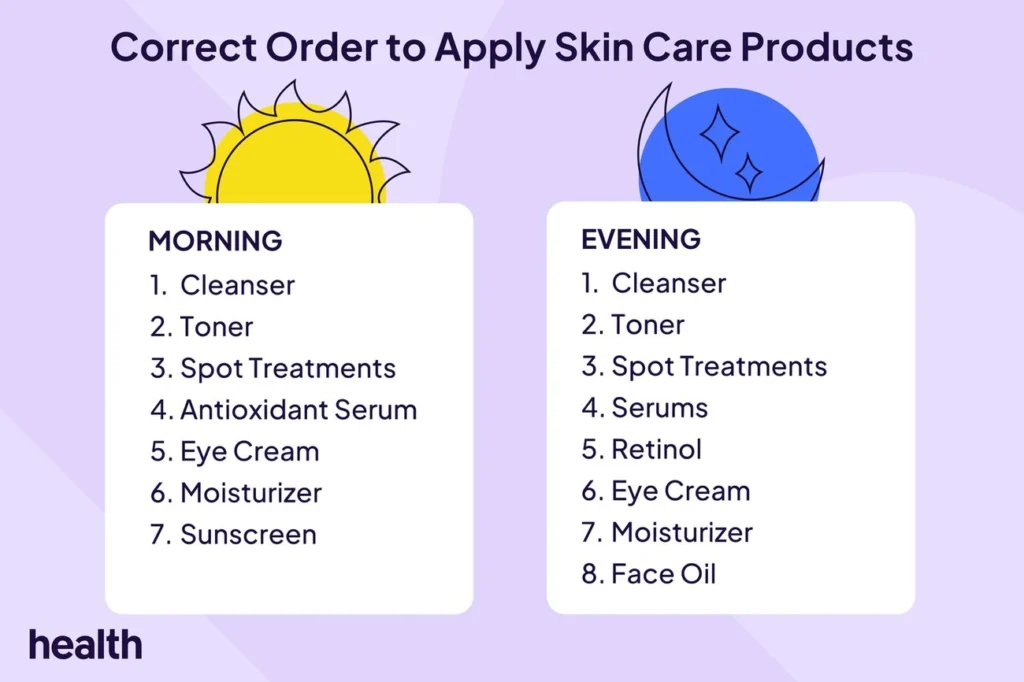
Image Source: Health
Body care routines don’t differ too much from facial regimens. The transition feels familiar [31]. Layering doesn’t mean slathering products haphazardly. It means applying the right textures in the right order so your actives work properly [32].
Layering actives on the body skin
Apply products from lightest to heaviest consistency to absorb optimally [33]. Body serums deliver actives like niacinamide, salicylic acid, or retinol deeper into skin [32]. If you’re short on time, this step is the one to maintain because everything else supports it [32]. Moisturizer locks everything in and reduces water loss [32]. The result is smoother, clearer skin that feels more resilient [32].
Apply products to damp skin right after a warm shower. Active ingredients absorb quickly [33]. Consistency matters more than strength when seeking results [32].
Morning vs evening body protocols
Morning routines want to protect, while night routines repair and restore [33]. Focus on cleansing and sunscreen for exposed skin during morning hours [34]. Use body serum followed by moisturizer at night to support barrier health while skin repairs itself [35].
Integration with hair and scalp care
The scalp is part of the overall skin system [36]. Similar to facial skin, scalp characteristics vary from person to person, with differences in oil production, hydration, and reactivity [36]. Scalp hydration is often overlooked, yet it can benefit from moisture support when exposed to styling tools or environmental stress [36].
The skinification of the market is here. Consumers want face-grade results for the entire body. Partner with CL Cosmetic Industries to develop superior formulas that your customers just need.
Conclusion
Body skin has always deserved the same attention and ingredient quality you give your face. Molecular science, barrier function, and active delivery show that skinification isn’t a passing trend but a permanent correction in how we approach body care.
Consumers have increased ingredient literacy and performance expectations. They refuse to settle for simple moisturizers filled with water and fragrance. They want niacinamide, peptides, retinol, and chemical exfoliants formulated for thicker body skin.
Brands that develop new products must understand concentration adjustments, format state-of-the-art, and zone-specific needs. This will separate superior formulations from outdated offerings. The neck-down routine now mirrors facial regimens because skin biology doesn’t change below the jawline.
FAQs
Q1. What is skinification, and why is it becoming popular in body care? Skinification refers to applying face-level ingredient science and sophistication to body care products. It’s gaining popularity because consumers are becoming more ingredient-savvy and demanding the same high-performance actives (like niacinamide, peptides, and retinol) for their body skin that they’ve been using on their faces, recognizing that skin biology doesn’t change below the neck.
Q2. How do chemical exfoliants differ from physical scrubs for body care? Chemical exfoliants like AHAs and BHAs dissolve the bonds holding dead skin cells together, working below the surface to improve texture and address concerns like keratosis pilaris. Physical scrubs manually remove surface cells through abrasion. Chemical exfoliants are more effective for treating bumpy, rough body skin because they penetrate deeper and provide more consistent results without the irritation that scrubbing can cause.
Q3. Can I use the same retinol concentration on my body as I do on my face? No, body skin typically requires different concentrations than facial skin. While a 0.5% retinol serum might work well on your face, body skin is thicker and may need higher percentages to see results. For body application, concentrations between 0.5% and 1% are generally effective and well-tolerated, though the thicker nature of body skin can sometimes handle stronger formulations.
Q4. Why does body skin need different care than facial skin? Body skin is approximately three times thicker than facial skin, has fewer oil glands, experiences slower cell turnover (about twice as long), and faces different environmental stresses like friction from clothing, hot showers, and harsh soaps. These differences mean body skin can handle stronger active ingredients but also tends to be drier and requires formulations that address its unique barrier challenges.
Q5. What’s the correct order to apply body skincare products? Apply products from lightest to heaviest consistency for optimal absorption. Start with body serums containing actives like niacinamide or retinol on damp skin immediately after showering, then follow with moisturizer to lock in the actives and reduce water loss. This layering approach mirrors facial skincare routines and ensures ingredients penetrate effectively.
References
[1] – https://www.vogue.com/article/best-peptide-skincare
[2] – https://gntlskin.com/blogs/blog/what-does-facial-grade-mean-for-body-care?srsltid=AfmBOophR2zxQv6-8jB_MKOrg3WiPvzfUU1npcXemzBzNPEG-3vhP9O2
[3] – https://www.pravadaprivatelabel.com/blogs/news/trending-in-2026-face-grade-hair-body-care?srsltid=AfmBOooeso98-92kKfuQNUJLumVJqpGHQwQnX2VbyszNb337wKkQvMW1
[4] – https://www.modernretail.co/operations/expect-skinification-to-hit-mass-retail-aisles-in-2026/
[5] – https://drarielostad.com/the-best-anti-aging-treatments-for-your-neck-decolletage/
[6] – https://www.healthline.com/health/decolletage
[7] – https://www.mesoestetic.com/blog/body-treatments/
[8] – https://www.victoriassecretbeauty.co.id/en/mist-and-lotion-all-mist-body?srsltid=AfmBOop_aFNz5Z3SwdT38wlF0gKyjolbQTvZkh2e9elalojEuH8s5Egb
[9] – https://www.nivea.co.id/saran/body-serum-vs-body-lotion-mana-yang-lebih-unggul
[10] – https://www.skinceuticals.com/discontinued-products/body-retexturing-treatment/S13.html
[11] – https://www.webmd.com/beauty/features/antiaging-treatments-for-your-hands
[12] – https://clderm.com/common-body-contouring-treatment-areas/
[13] – https://aremesfermentis.com/products/bioactive-body-lotion
[14] – https://www.paulaschoice.com/expert-advice/skincare-advice/ingredient-spotlight/peptides-for-skin.html?srsltid=AfmBOopsQSbU5_c2DZ399FA0ZxtsjSTPY4UkTXk3pj9P4V4cQZhzmssP
[15] – https://www.halodoc.com/artikel/manfaat-kandungan-peptida-pada-produk-skincare?srsltid=AfmBOopl1zxxk98oD-iw2-RIY4yrPggoQ6X0h8smcMhvGGSlFf_rgxWm
[16] – https://www.allure.com/story/best-retinol-body-lotion
[17] – https://www.glamourmagazine.co.uk/article/best-retinol-body-lotions
[18] – https://drimber.com/blog/11-anti-aging-body-care-formulas-for-youthful-skin/
[19] – https://www.vogue.com/article/neck-chest-skincare
[20] – https://oseamalibu.com/blogs/wellness-blog/the-ultimate-anti-aging-body-care-routine?srsltid=AfmBOop6E_WVflZN_0n_m8_t8P5b-g-S1TX6_nsd40CdFRbHAg3JqFeZ
[21] – https://www.alodokter.com/4-perbedaan-body-serum-dan-body-lotion
[22] – https://www.halodoc.com/artikel/wajib-tahu-ini-perbedaan-body-serum-dan-body-lotion?srsltid=AfmBOoolGqVWF2sygB3vOG4MGNSNsTeEeX1CjglgFsgvv_51C7cOx_hM
[23] – https://www.amazon.com/CYKLAR-Ceramide-Milky-Essence-Polyglutamic/dp/B0F9PTCRNT
[24] – https://www.globalcosmeticsnews.com/vaseline-healing-jelly-body-balm-stick/
[25] – https://www.aveniringredients.com.au/single-post/6-new-product-formats-emerging-from-the-solid-cosmetic-trend
[26] – https://www.dermstore.com/c/skin-care/medical-grade/?srsltid=AfmBOopUDAHATyV9Y_7nhPN1W-XHwkl08fOJPVZY66Tr_PhyEO5LMJuS
[27] – https://naturaspa.com/blog/body-skin-care-beyond-the-face-your-complete-guide-to-full-body-wellness/?srsltid=AfmBOorbUAtlZX_eJ1ZzDOI-f1W57f4T_qTlOwTjBSwG1WSLAlRlsr2-
[28] – https://int.eucerin.com/skin-concerns/sensitive-skin/dry-sensitive-body-skin
[29] – https://upme.style/en/blogs/column/delicate-zone-care-guide-for-a-clean-and-fresh-daily-routine?srsltid=AfmBOooJorSxVz2lb04XljEssv5tRuaAqeXGtyj6pITOfvxgg6CFwkjF
[30] – https://36best.com/en/blog/product-reviews/delicate-care-intimate-cosmetics-from-japan/
[31] – https://www.clarins.co.uk/beauty-expert-guide-uk/body-skin-care.html?srsltid=AfmBOoqIbn-rlCoRm6d_VxOtst5Yy6ZV21tnaOSxAaVnnwgJXIcigNWn
[32] – https://www.vogue.co.uk/article/how-to-layer-body-care-products
[33] – https://scarletandgrace.com.au/blogs/body-lotion/layering-your-body-care-routine-a-step-by-step-guide?srsltid=AfmBOor_GTbYdF152479X-clu6LEi8es2H5satWEsvRZ4zQ4L8j8Rfbt
[34] – https://www.dove.com/id/stories/tips-and-how-to/tips-keringat/step-by-step-body-care.html
[35] – https://soldejaneiro.com/blogs/routine/morning-night-body-care-routine-planner?srsltid=AfmBOooViKQ0OlhioUtbVgranafCjosz-bQhT-kM1xva8MmLScJ16_fi
[36] – https://theordinary.com/en-id/blog/scalp-and-hair-health-guide.html