
Polysaccharides gain biological activity a lot when fermented. This offers enormous promise for functional food development and the pharmaceutical industry. Studies demonstrate that beneficial bacteria such as Bifidobacterium and Lactobacillus can help digestion and combine vitamins. They also produce short-chain fatty acids during fermentation. We’ve compiled seven proven breakthroughs that will change your R&D formulations. In this piece, we’ll explore microbial exopolysaccharides production and fermentation yield optimization. We’ll also cover structural characterization techniques, bio-active carbohydrate polymers, extraction methods, cosmetic applications, and quality control protocols for superior formulation development.
Breakthrough 1: Microbial Exopolysaccharides (EPS) Production Systems
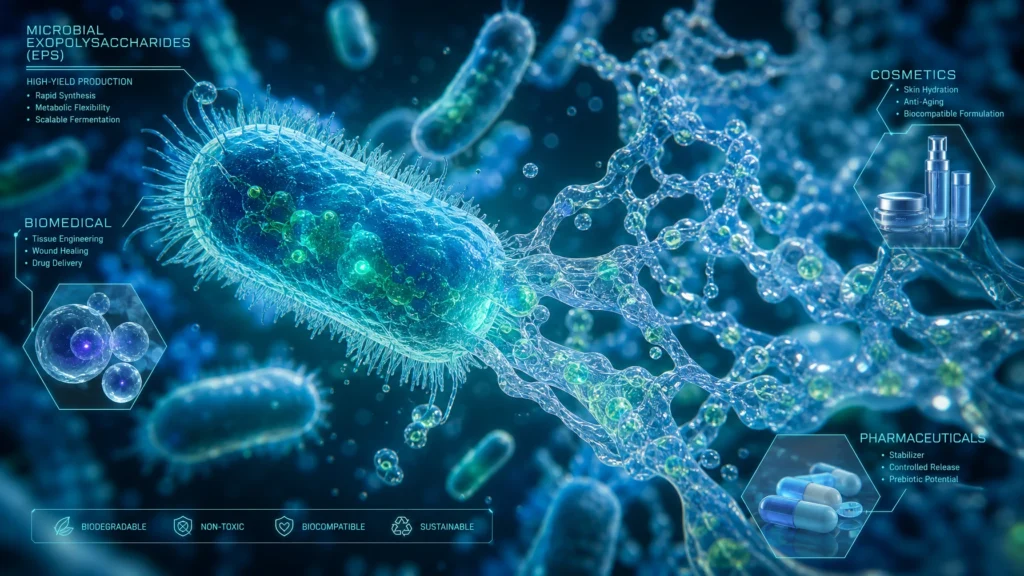
Microbial exopolysaccharides represent natural biopolymers used in biomedicine, cosmetics, petroleum, and pharmaceuticals. Their biocompatibility, biodegradability, and functional properties make them valuable. These properties include anti-inflammatory, antioxidant, and immune-modulating activities [1]. These extracellular polymers offer significant advantages over plant-derived alternatives. Bacteria multiply faster, regardless of the season and weather conditions. This enables industrial-scale production with metabolic flexibility [1].
Bacterial vs. Fungal Fermentation Platforms
Bacterial and fungal platforms employ distinct fermentation technologies for exopolysaccharide extraction. Submerged Fermentation (SmF) employs liquid substrates containing nitrogen-carbon sources along with minerals and vitamins required for microbial energy generation [1]. This method suits microorganisms requiring high moisture content. It demonstrates high yield potential for mycelia production, fewer contamination risks, and easier product purification [1]. Soluble sugars, fruit juices, and vegetable juices serve as typical substrates [1].
Solid State Fermentation (SSF) employs solid-based substrates such as bran, bagasse, and agricultural wastes [1]. Filamentous fungi prove most amenable for SSF applications [1]. The process maintains substrates for extended periods with limited mechanical input and offers advantages for the bioconversion of organic agro-residues. SSF faces challenges, including longer turnaround times, difficulty in yield optimization, and labor-intensive operations [1].
Fungal EPS production requires aerobic or facultative anaerobic conditions. Oxygen availability supports optimal yields [2]. Research shows agitated culture produces higher EPSs at 0.41 g/L compared to static culture at 0.18 g/L for Aspergillus parasiticus [2]. High aeration rates at 3.5 vvm associate with increased EPS production, reaching 2.36 g/L in Paecilomyces tenuipes [2]. Most fungal strains produce maximum EPSs within a temperature range of 22 °C to 30 °C and favor a pH between 3.0 and 6.5 [2]. Fungal fermentation needs 4 to 15 days for optimum production [2].
Strain Selection for High-Yield EPS
Strain selection affects commercial viability since production yields vary across species. Lactic acid bacteria (LAB) strains, including Lactobacillus, Streptococcus, Leuconostoc, Weissella, and Pediococcus, demonstrate EPS-producing capabilities [2]. Common LAB strains produce 25 to 500 mg/L. The highest production levels reach 1200 mg/L for Lactobacillus rhamnosus 9595M and 1375 mg/L for Lactobacillus sakei 0-1 [3].
Specific LAB species exhibit varying production capacities. Streptococcus thermophilus produces 50-350 mg/L. Lactococcus lactis gets 80-600 mg/L, while Lactobacillus rhamnosus RW-9595 and Lactobacillus kefiranofaciens WT-2B achieve 2275 and 2500 mg/L, respectively [3]. Yields increase under optimized conditions. Lactobacillus plantarum ATCC 8014 reached 4370 mg/L after 44 hours of cultivation in the newly optimized medium. This represented a 16.5-fold increase over unoptimized conditions [4]. Lactiplantibacillus plantarum RO30 achieved a maximum yield of 10.32 g/L under optimized culture conditions at sucrose 40 g/L, beef extract 25 g/L, pH 5.5, fermentation temperature 30°C, and a 72-hour fermentation period [4].
Marine bacterial strains present untapped resources for EPS production. Seven novel marine bacterial strains achieved yields up to 159.6 µg/mL. Limnobacter alexandrii LZ-4 reached maximal production in sucrose-supplemented medium at pH 9 and 28°C [4]. Genomic analysis revealed distinct EPS biosynthesis pathways, including alginate and cellulose synthesis, with key genes involved in polymerization and secretion [4].
Optimizing Growth Media Composition
Media composition accounts for about 30% of total fermentation process costs [1]. Carbon source selection is critical since EPS production requires high carbon content with limited nitrogen nutrition [1]. Glucose and sucrose serve as main carbon sources, though agricultural and industrial waste-based media offer cost reduction opportunities [1].
High-throughput screening of 50 fermentation conditions identified sucrose and fructose as optimal carbon sources for marine bacteria [4]. Sucrose often guides LAB strains to homo-EPS production, whereas glucose, lactose, or galactose stimulates hetero-EPS synthesis [2]. Fungal species demonstrate priorities: Ganoderma lucidum and Phellinus robustus use glucose, while mannitol boosts output in Agaricus nevoi and maltose supports higher productivity in Trametes versicolor [5]. Carbon concentrations between 30 and 60 g/L best support fungal EPS production [2].
Nitrogen supplementation influences EPS biosynthesis. Organic nitrogen sources, including yeast extract and corn steep powder, induce higher production compared to inorganic sources [2]. Beef extract and yeast peptone resulted in the highest yields for various LAB strains among organic sources tested [4][4]. The carbon-to-nitrogen ratio requires careful balancing. Elevated C: N ratios favor polysaccharide accumulation during late exponential or stationary phases [5].
Environmental parameters exert additional control. Alkaline conditions at pH 7-9 boosted EPS secretion in marine bacterial strains. pH 9 lifted yields by 61% compared to pH 5 [4]. Temperature optimization varies by strain. Lactobacillus plantarum SP8 produces maximum EPS at 37°C, while optimal production occurs below optimal growth temperature for most bacteria [4][2]. Response Surface Methodology (RSM) combined with Box-Behnken design enables systematic optimization of multiple variables at once and identifies optimal parameter combinations for maximum yields [4][6].
Breakthrough 2: Advanced Fermentation Yield Optimization Methods
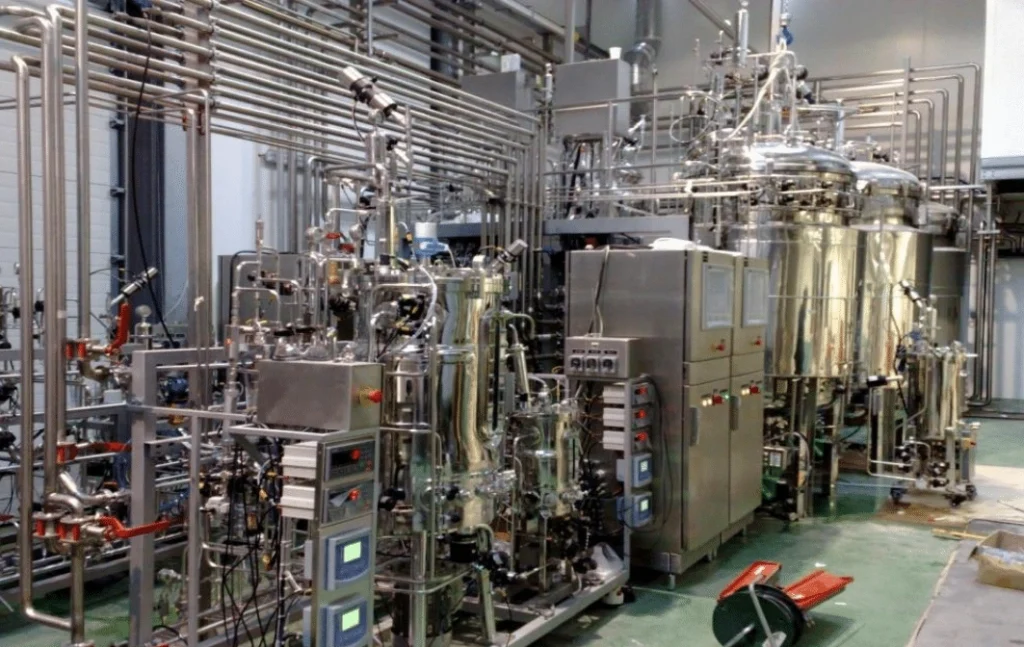
Image Source: G-M-I, Inc.
Fermentation yield optimization requires precise control over multiple interdependent parameters that affect polysaccharide production efficiency. Industrial fermentation products cover one-third of the worldwide market, with values that exceed 300 million USD. This makes process optimization critical economically [7].
Temperature and pH Control Strategies
Temperature affects microbial growth rates, enzyme activity, and metabolite production in any fermentation system. The optimal fermentation temperature for Aspergillus niger reached 36°C. Higher or lower temperatures inhibited the enzyme production activity and bacterial metabolism [8]. Streptomyces kanasenisi ZX01 achieved maximum glycoprotein GP-1 production at 30°C [4]. The optimal temperature for macrolactin A biosynthesis settled at 26.3°C under response surface optimized conditions [9].
pH control is just as critical since initial pH variations alter the solubility, molecular weight, and charge properties of extracellular polysaccharides. The EPS yield increased as the pH ranged from 4 to 7. K. marxianus strain KM-502 reached a maximum of 3670.53 mg/L at pH 7 [10]. Yields dropped to 767.96 mg/L at pH 9, which suggests that alkaline conditions affect the key enzyme activity and cell membrane permeability [10]. L. kefiranofaciens ZW3 produced 1603 mg/L of kefiran at the optimal pH of 5.19 when combined with optimized lactose and tryptophan concentrations [11]. Efficient mixing in bioreactors determines how well temperature, pH, and substrate concentration can be controlled [12].
Oxygen Supply and Agitation Parameters
Oxygen transfer capacity is one of the most critical limiting factors in aerobic fermentation processes. The volumetric oxygen transfer coefficient (kLa) quantifies oxygen supply rates across phase boundaries and serves as a primary scale-up criterion [4]. Stirred tank reactors (STR) reached kLa values of 14.04±1.02 h⁻¹ at specified agitation rates. Column bioreactors achieved only 4.57±0.18 h⁻¹ during submerged cultivation [6]. Packing material in column systems increased kLa to 7.44±0.22 h⁻¹, though air flow rate had no effect on these values [6].
Agitation speed influences both oxygen transfer and shear stress on microbial cells. Streptomyces kanasenisi ZX01 produced maximum GP-1 of 3.05 mg/L at 200 rpm, with lower performance at 150 rpm (2.69 mg/L) and declining yields at higher speeds of 250 rpm (2.36 mg/L) and 300 rpm (1.87 mg/L) [4]. The aeration rate had even more impact than agitation speed. GP-1 production increased from 2.50 mg/L at 0.5 vvm to 3.85 mg/L at 2.0 vvm [4]. kLa values reached 18.23 and 22.43 h⁻¹ under optimal conditions of 200 rpm agitation and 2.0 vvm aeration [4].
Shear stress from vigorous agitation produces complex effects on polysaccharide accumulation. Research on Ganoderma lucidum showed that low-shear agitation promoted intense substrate consumption, whereas high agitation rates triggered polysaccharide release into culture broth [6]. The highest EPS concentration of 201.3±7.1 mg/L appeared after 5 days at 400 rpm in STR systems, though high agitation affected substrate degradation degree, which reached only 17.8% [6]. Column bioreactors under submerged conditions achieved 192.5±5.4 mg/L EPS with 60.2% substrate degradation in 7 days. This reflected a superior process desirability of 0.56 [6]. Ganoderma lucidum cultures produced the highest biomass at kLa values near 78 h⁻¹, while 96 h⁻¹ maximized ganoderic acid productivity [4].
Response Surface Methodology (RSM) for Process Optimization
Response Surface Methodology allows systematic examination of multiple process parameters and their interactions. This reduces experimental trials while increasing optimization accuracy. Box-Behnken Design (BBD) under the RSM framework allows three-factor, three-level experimental designs that capture linear, interaction, and quadratic effects at once [10]. K. marxianus KM-502 produced EPS yields ranging from 1482.35 to 5980.57 mg/L across 17 experimental conditions. This indicates the strong influence of medium composition [10]. The regression model achieved R² = 97.47% and showed a strong correlation between predicted and observed data. The model F-value of 29.99 (p=0.0001) confirmed statistical significance [10].
Response surface analysis predicted optimal conditions: medium volume of 74 mL in 300 mL flasks, initial pH of 6.7, and inoculum size of 1.99%. These conditions yielded 5842.42 mg/L EPS, which represents a 22.77-fold increase over unoptimized conditions [10]. RSM optimization for polysaccharide extraction from Tricholoma lobayense achieved R² = 0.9601 and adjusted R² = 0.9003. Maximum extraction yield of 11.49% occurred at 1.92 hours, 90°C, and 10.26 mL/g liquid-solid ratio [11]. The model for kefiran production showed R² = 0.9907, with 99.07% of variation attributed to independent variables [11].
Scale-Up from Lab to Industrial Fermenters
Scaling fermentation processes from laboratory to industrial scale presents many challenges since non-homogeneous conditions in large fermenters affect microbial strains [7]. Mixing times increase during scale-up and reach approximately 160 seconds in large-scale 100 m³ fermenters [6]. Scale-independent parameters, including pH, temperature, dissolved oxygen concentration, and media composition, undergo testing and optimization in small-scale bioreactors, then remain constant during scale-up [6].
Scale-dependent parameters change due to cost constraints or equipment design and impact overall performance [13]. Raw material grade shifts from reagent to industrial quality, which can introduce inhibitors and unfermentable components [13]. Fermentor mixing time increases in magnitude and creates gradients in temperature, pH, and substrate concentration that affect performance [13]. The volumetric mass transfer coefficient kLa proves applicable for batch fermentation scale-up, as shown with glycoprotein GP-1 production from bench-scale to pilot-scale fermentor [4]. GP-1 production reached 4.03 mg/L at 225 rpm in a 15 L fermentor with a maximum dry cell weight of 3.54 g/L. This maintained a constant kLa between scales [4].
Breakthrough 3: Structural Characterization Techniques for R&D
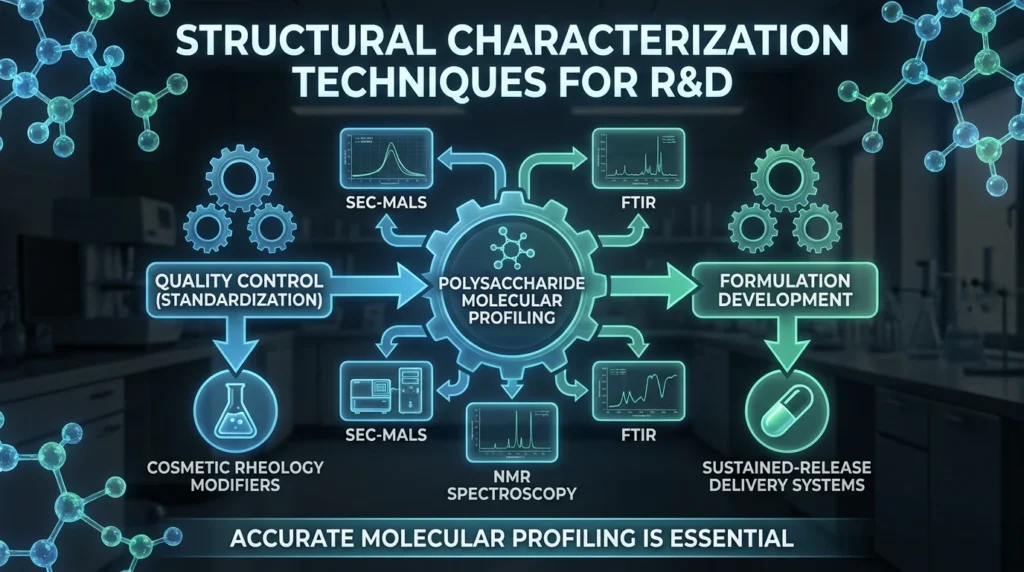
Structural characterization of polysaccharides serves as the foundation for quality control and formulation development in R&D laboratories. Without accurate molecular profiling, bioactive carbohydrate polymers cannot be standardized for cosmetic rheology modifiers or sustained-release delivery systems.
Molecular Weight Distribution Analysis
Polysaccharides exist as mixtures of homologues with varying molecular weights rather than fixed values, making polydispersity a critical characteristic [14]. Size-exclusion chromatography (SEC) combined with gel permeation chromatography (GPC) represents the most widely adopted approach for molecular weight determination [10]. Advanced systems employ multi-angle laser light scattering instruments like the Wyatt 18-angle DAWN coupled with GPC-RI detection, determining not only molecular weight distribution but also root mean square radius of gyration and molecular aggregation state [14].
GPC viscometry allows accurate determination of molecular weights for structurally complex polymers through Universal Calibration, revealing branched structures that distinguish materials like dextran from pullulan [15]. Key parameters measured include number average molecular weight (Mn), weight average molecular weight (Mw), Z average molecular weight (Mz), and dispersity (Mw/Mn) [8]. These values correlate directly with physical properties such as viscosity and toughness, affecting formulation performance [8].
Mark-Houwink-Sakurada (MHS) plots provide the most accurate method to visualize structural differences by combining data from light scattering, refractive index, and viscometer detectors [8]. Multiple inflection points in MHS plots indicate the presence of multiple species, as each differently sloped segment results from different components or branched versions [8]. Downward curvature toward higher molecular weight signals branched samples, since branches increase molecular weight without proportionally increasing intrinsic viscosity [8]. In essence, branched polysaccharides like certain wine samples show this characteristic profile, while linear structures exhibit straight-line relationships [8].
Monosaccharide Composition Profiling
Monosaccharide composition analysis proves critical for understanding polysaccharide structure and function [12]. Traditional methods face challenges with hydrolytic stability differences and acid-catalyzed degradation, causing inconsistent signal responses [12]. Many polysaccharides remain insoluble or form highly viscous gels, hindering detection by conventional approaches [12].
Permethylation in DMSO as initial derivatization solubilizes polysaccharides before hydrolysis, eliminating solubility as a limiting factor [12]. After hydrolysis, partially methylated monosaccharides undergo reduction to alditols and remethylation for GC/MS analysis [12]. This method enables comprehensive quantification of all sugar types, including uronic acids, on the same column with consistent response factors [12].
High-performance anion-exchange chromatography with pulsed amperometric detection (HPAE-PAD) separates carbohydrates based on composition, size, linkage, charge, and isomerism without requiring derivatization [16]. HPLC coupled with fluorescent labeling using 2-aminobenzoic acid (2AA) during mild acid hydrolysis allows stable and accurate monosaccharide determination [16]. Likewise, LC-ESI-MS and MALDI-TOF MS enable accurate identification and quantification [16].
FT-IR and NMR Spectroscopy Applications
Infrared spectroscopy represents a rapid, nondestructive technique widely applied in structural characterization of polysaccharides [4]. FTIR spectrometers provide advantages, including simultaneous measurement of radiation over wide ranges by single detectors [4]. ATR-IR spectroscopy coupled with PLS analysis determines fructan content in various samples and carbohydrate composition, including trehalose, mannan, and glycogen [4].
FTIR identifies the degree of methylesterification (DM) in pectin using distinct bands at 1800-1600 cm⁻¹ corresponding to esterified and free carboxyl groups [4]. The degree of O-acetylation substitution in cellulose can be calculated from height or area ratios of acetyl group bands to cellulose bands [4]. For chitosan characterization, spectral regions from 1800 to 1500 cm⁻¹ produce robust PLS models even for materials with low degree of N-acetylation [4].
NMR technology enables detailed structural elucidation through chemical shifts and coupling constants [17]. Anomeric regions of alpha-configuration appear at 5.1-5.8 ppm for protons and 98-103 ppm for carbons, while beta-configuration corresponds to 4.3-4.8 ppm and 103-106 ppm, respectively [18]. Two-dimensional NMR experiments, including COSY, HSQC, and HMBC, prove critical for overcoming structural challenges [19]. HSQC confirms glycosidic linkages and side chain components, while HMBC provides long-range correlations establishing definitive linkage patterns [19].
Rheological Property Assessment
Rheological characterization determines flow behavior and viscoelastic properties essential for cosmetic formulations [9]. Viscosity measurements at shear rates from 0.1 to 300 s⁻¹ describe behavior through power law models, where consistency coefficient K and flow behavior index n quantify shear-thinning characteristics [9]. Lower n values represent higher degrees of shear-thinning behavior [9]. Storage modulus (G’) and loss modulus (G”) measured at 0.5% strain and 1.6 Hz frequency characterize viscoelastic behavior over time [9]. Flexible polysaccharides show lower shear-thinning degrees and more liquid-like behavior compared to rigid variants, affecting final product texture [9].
Breakthrough 4: Bio-Active Carbohydrate Polymers with Enhanced Functions
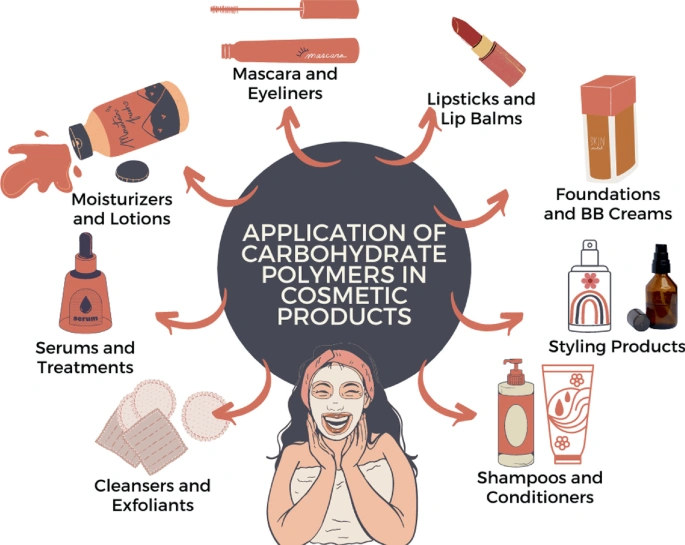
Image Source: Springer Nature
Bioactive carbohydrate polymers demonstrate multiple therapeutic mechanisms that extend beyond simple structural functions in cosmetic formulations. Natural polysaccharides from plants, fungi, and marine organisms deliver antioxidant and anti-inflammatory effects with low toxicity and biodegradability. This positions them as promising alternatives for skincare R&D [20].
Beta-Glucan Skincare Benefits in Formulations
β-glucan represents a polysaccharide composed of D-glucose monomers linked by β-(1→3) and/or β-(1→4) glycosidic bonds. You can find it in oats, yeast, barley, mushrooms, and certain bacteria [11]. This polymer exhibits immunomodulatory effects by binding to specific receptors on immune cells. It regulates both innate and adaptive immunity, including effects on monocytes, macrophages, and natural killer cells [11].
The molecule functions as a humectant through its multi-helix molecular structure and hydrogen bonding between polar groups. This forms a dense film that retains moisture and prevents water loss [11]. Studies show that ultrasound-degraded Cordyceps sinensis-derived β-glucan demonstrates superior moisture retention compared to its high-molecular-weight counterpart [11]. Carboxymethylated β-glucan extracted from Saccharomyces cerevisiae shields keratinocytes from UV-A radiation [11].
Skin care regimens containing β-glucan play a positive role in accelerating recovery of skin inflammation and barrier function in clinical applications [21]. Oat β-glucan hydrogel activates the Dectin-1 signaling pathway and restores skin barrier function in mice by a lot. It increases mRNA levels of filaggrin and loricrin, along with protein expression of claudin-1 and β-catenin [11]. Fungal β-glucan increases L-929 fibroblast proliferation and collagen synthesis in vitro, likely through macrophage-released wound growth factors [11].
A split-face study of 20 patients found that beta-glucan improved skin hydration and the subjects’ self-assessments of recovery after fractional lasers for atrophic acne scars [22]. Another double-blinded, randomized controlled trial compared beta-glucan gels of 0.1% and 1.0% to a placebo following CO2 laser resurfacing of the lower eyelids in 26 subjects for 5 days. The duration for complete wound closure was reduced with both concentrations versus placebo [22].
Anti-Inflammatory Polysaccharides Mechanisms
Natural polysaccharides exert anti-inflammatory effects by regulating signaling pathways, immune cell polarization, and inflammatory cytokine expression [20]. β-glucan exerts anti-inflammatory effects by modulating cytokines and regulating various inflammatory mediators, including NO, interleukins, TNF-α, IFN-γ, iNOS, and COX [11]. β-glucan demonstrates anti-inflammatory activity by a lot in various models, such as peritonitis, mouse THP-1 cells, LPS-induced macrophage models, and human skin cell models [11].
The sulfate groups in fucoidan can scavenge free radicals, chelate metal ions, and activate the endogenous antioxidant system. This suppresses the vicious cycle between oxidative stress and inflammation [7]. Marine polysaccharides regulate the intracellular antioxidant system and exert anti-inflammatory effects through activating the Nrf2 signaling pathway [7]. Low-molecular-weight chitooligosaccharides reduce Cu 2+-induced oxidative damage and apoptosis through Nrf2 activation, easing oxidative damage [7].
The anti-inflammatory properties of polysaccharides have a close relationship with their chemical structures. Monosaccharide compositions, molecular weights, chain conformations, glycosidic linkage types and positions, and sulfate contents matter [13]. Low-molecular-weight chitosan has short molecular chains and small steric hindrance. This results in improved water solubility and easier penetration through bacterial cell walls, with better anti-inflammatory effect than high-molecular-weight chitosan [7].
Deep Skin Hydration Actives Performance
Cell experiments showed that polysaccharides improved the water content of epidermal keratinocytes by a lot and repaired the water loss rate of dry skin [23]. Japanese pumpkin polysaccharide extract at concentrations of 0.05-0.1% showed increased effect in moisturizing ability according to concentration [24]. The molecular weight of pumpkin polysaccharide was about 23 kDa, classified as low molecular weight, whereas hyaluronic acid ranged from 20-300 kDa [24].
TEWL values compared to baseline were reduced. While TEWL increased over time, all samples managed to keep the value for 210 min [24]. Pumpkin polysaccharide at 0.05% and 0.1% w/v retained skin hydration better than control. Short-term skin hydration efficacy lasted for 210 min in a single application [24]. 0.05% w/v of pumpkin polysaccharide and hyaluronic acid showed like performance, though 0.1% hyaluronic acid achieved the highest skin hydration efficacy [24].
Breakthrough 5: Novel Polysaccharide Extraction Methods
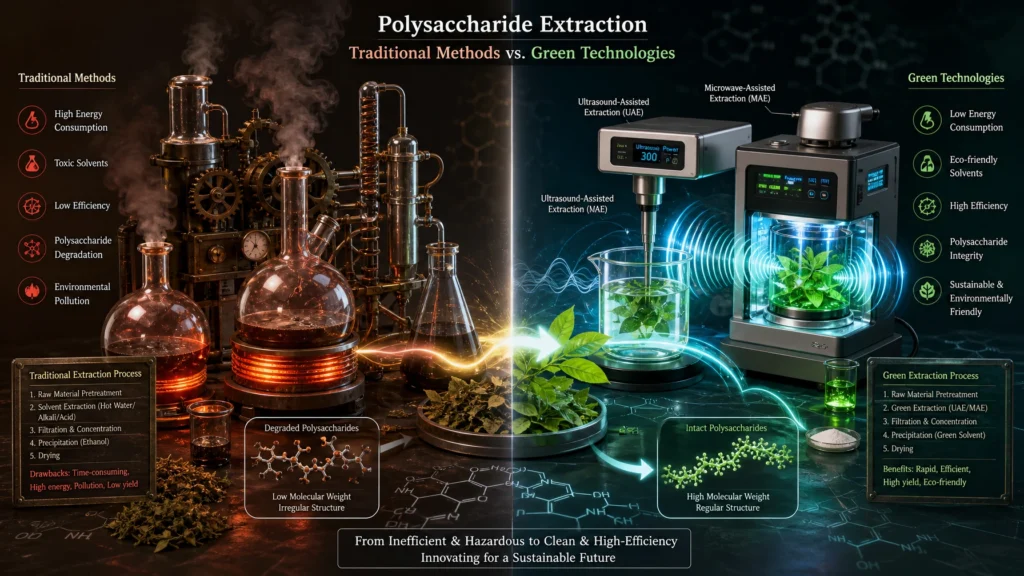
Traditional polysaccharide extraction relies on conventional mechanisms like maceration, mechanical calcination, and thermal reflux. These methods require high extraction times, high energy costs, and the use of toxic solvents. This makes them expensive and harmful to human health and the environment [25]. Green technologies have emerged as superior alternatives and offer boosted efficiency while minimizing environmental impact.
Enzyme-Assisted Extraction vs. Traditional Methods
Enzyme-assisted extraction employs specific enzymes to accelerate polysaccharide release from cell walls under optimal conditions. Cellulase, protease, papain, and pectinase are the most used enzymes [26]. This method operates under mild conditions with short extraction times, simple operation, and no pollution [6]. Enzyme-assisted extraction demonstrates much higher yields compared to traditional water leaching. Glucose oxidase at 3.0% dosage, pH 7.8, 56.9°C, and 3.44 days achieved 29.96% yield for Radix astragali polysaccharide [27]. Cellulase and pectinase at a 1:2 ratio reached 19.80% for Potentilla anserina L. polysaccharides under optimized conditions at a solid-liquid ratio of 1:15, pH 8.0, and 60°C [6].
Alcalase-assisted extraction from brown seaweed Padina gymnospora achieved polysaccharide recovery of 65.93% under optimal conditions: water-to-sample ratio 61.31 mL/g, enzyme loading 0.32%, temperature 60.5°C, and extraction time 1.95 hours [10]. Trichoderma reesei cellulase yielded a maximum crude polysaccharide content of 8.8% at pH 4.5, 60°C, and an enzyme-to-substrate ratio of 7.5% for Sargassum polycystum [14].
Ultrasound and Microwave Techniques
Ultrasonic extraction destroys cell structures through the cavitation effects of high-frequency oscillation. This accelerates polysaccharide dissolution and extraction [27]. The advantages include low extraction temperature, short extraction time, and high extraction rate. Ultrasound power and time require control to reduce polysaccharide degradation, though [27]. Ultrasound-assisted deep eutectic solvent extraction achieved a polysaccharide yield of 8.71% with just 60°C, 21 minutes, and 435W. This surpassed traditional hot water extraction by 1.33 times [15].
Microwave-assisted extraction lifts molecular temperature based on differential microwave absorption ability. This increases intracellular pressure and destroys cell membranes to release effective components [27]. This method offers fast extraction speed, high efficiency, and environmental protection. Water serves as an extraction solvent and provides lighter reaction conditions with lower production costs [25].
Purification and Separation Protocols
Polysaccharides undergo purification after extraction to remove proteins, phenolic compounds, monosaccharides, and amino acids [27]. The Sevag method removes proteins through a chloroform to n-butanol ratio of 4:1, or treatment with protease enzyme [8]. Two or three volumes of cold ethanol separate high-molecular-weight polysaccharides from low-molecular-weight ones [27]. Size-exclusion chromatography and ion-exchange chromatography fractionate extracts based on size or charge. Sephadex and DEAE-cellulose columns have separated polysaccharides with success [27].
Breakthrough 6: Cosmetic Application Engineering
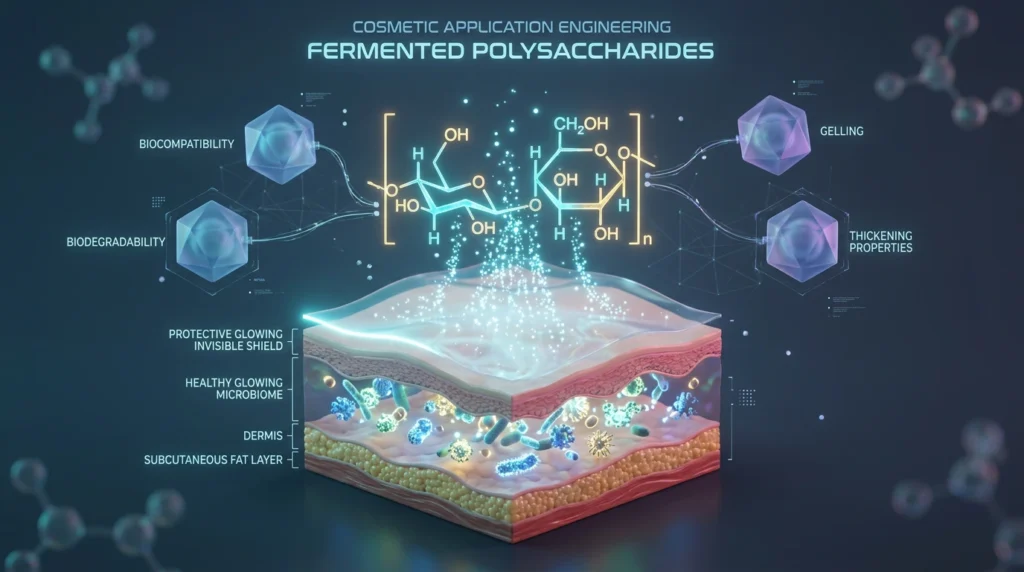
Fermented polysaccharides in cosmetics deliver multifunctional benefits that extend from texture modification to active microbiome support. Bacterial polysaccharides possess biocompatibility, biodegradability, film-forming, gelling, and thickening properties. These properties provide protective effects on skin and improve formulation efficacy [28].
Fermented Polysaccharides in Cosmetics as Rheology Modifiers
Microbial polysaccharide gums function as emulsion stabilizers, film formers, binders, viscosity-increasing agents, and skin conditioning agents across cosmetic applications [29]. Xanthan gum appears in 3,470 reported cosmetic uses. Biosaccharide gum-1, sclerotium gum, and beta-glucan feature in 346, 193, and 137 formulations [29]. These polysaccharides boost stability and promote sensorial properties when processed in emulsions, hydrogels, suspensions, and encapsulating structures [28].
Biosaccharide Gum Formulations for Stability
Bacterial fermentation of sorbitol produces biosaccharide gum-1. This ingredient creates a moisture-binding film on skin that delivers a soft, smooth feeling with anti-aging and restructuring properties [12]. Usage levels range from 0.5 to 8% when supplied as gel, with a maximum reported concentration of 6% in leave-on formulations [16][29]. Lower amounts of 0.1 to 1% are enough in concentrated powder form [16]. The ingredient maintains broad pH stability from 2 to 10. This makes it compatible with actives of all types, including hyaluronic acid, inulin, collagen, niacinamide, and panthenol [30]. Biosaccharide gum-1 reduces sticky, tacky finishes and replaces them with a smoother feel [16].
Biotech breakthroughs are changing the beauty market’s texture. Standard plant extracts are a thing of the past. Tomorrow’s market leaders are winning with lab-isolated Polysaccharides that offer high consistency. Partner with CL Cosmetic Industries to bring your high-performance skincare or nutricosmetic range to life!
Sustained-Release Delivery Systems
Polysaccharides enable controlled delivery through their encapsulating structures and film-forming characteristics [28]. Clinical studies reveal that polysaccharide-based formulations promote skin health. These formulations have applications in several skin disorder treatments [28].
Skin Microbiome Shielding Properties
Complex polysaccharides in cosmetics modify skin microorganism diversification. They add active ingredients that benefit or inhibit certain microorganisms [31]. The relative abundance of Lactobacillus in the cheek and forehead reduced from 1.1% to 0.3% and 1.5% to 0.4% after 28 days of using complex polysaccharide cosmetics. This shows the most important effect on bacterial microbiota composition [31]. Polysaccharides function as prebiotics and provide selective substrates that support commensal bacteria growth while suppressing pathogenic species [32].
Breakthrough 7: Quality Control and Regulatory Considerations
Image Source: LabLynx
Manufacturing consistency determines commercial viability for fermented polysaccharides in cosmetics, especially when regulatory frameworks tighten globally. H NMR analysis demonstrates high-degree batch-to-batch consistency. Spectral fingerprints in the diagnostic saccharide region remain invariant [33]. Chromatographic fingerprinting combined with multivariate statistical analysis provides quality assessment that works. Hotelling T2 and DModX outputs simultaneously monitor variations of multiple peaks and their correlated relationships [4]. Process validation for polysaccharide production requires reaction kinetic studies to assess consistency. Each process parameter affects final outcomes for these macromolecular substances [34]. FTIR spectra extract critical quality attributes, including glycosylation levels, beyond protein secondary structure. Multivariate statistical tools enable accurate batch comparison [35].
Batch-to-Batch Consistency Testing
Polysaccharide production typically has chemical reactions, including hydrolysis, activation, and conjugation steps that determine product quality consistency [34]. Quality attribute studies on representative batches should include structural characterization and purity analysis. Impurity profiling and biological activity assessments complete the picture [34].
Safety and Efficacy Validation
The CIR Expert Panel assessed 34 microbial polysaccharide gums. They found them safe in cosmetic formulations at current use practices and concentrations [29]. Clinical trials remain essential to prove efficacy and safety [36].
Meeting 2026 Skincare R&D Trends
Dermocosmetics accelerates as consumers adopt clinical mindsets toward skincare. They seek evidence-backed, high-performance products [37]. The center of gravity moves toward biotech-driven efficacy with clinically proven actives and intelligent delivery systems that show visible results [38].
Conclusion
We’ve explored seven critical breakthroughs spanning microbial EPS production, fermentation optimization, structural characterization, bio-active polymers, extraction methods, cosmetic engineering, and quality control protocols. These advances position fermented polysaccharides as essential building blocks for next-generation formulations. The data speaks: superior yields, boosted bioactivity, and measurable clinical benefits change theoretical concepts into commercial realities. Biotech breakthroughs are changing the texture of the beauty market. Standard plant extracts are a thing of the past, and tomorrow’s market leaders are winning with consistent, lab-isolated polysaccharides through partners like CL Cosmetic Industries to bring high-performance skincare or nutricosmetic ranges to life. Dermocosmetics continues accelerating toward evidence-backed, clinically proven actives that deliver results.
Key Takeaways
These seven fermentation breakthroughs reveal how polysaccharides are revolutionizing R&D formulations through enhanced bioactivity, superior yields, and measurable clinical benefits.
• Microbial EPS production systems achieve 16.5-fold yield increases through optimized strain selection and media composition, with marine bacteria reaching 159.6 µg/mL under controlled conditions.
• Advanced fermentation optimization using Response Surface Methodology delivers 22.77-fold EPS increases by precisely controlling temperature, pH, oxygen supply, and agitation parameters.
• Structural characterization through GPC-MALS and NMR spectroscopy enables accurate molecular weight profiling and quality control for consistent batch-to-batch formulation performance.
• Beta-glucan demonstrates clinically proven skincare benefits, including accelerated wound healing, enhanced barrier function, and superior moisture retention lasting 210 minutes per application.
• Novel extraction methods reduce processing costs by 30% while enzyme-assisted and ultrasound techniques achieve 65.93% polysaccharide recovery under optimized conditions.
• Fermented polysaccharides function as multifunctional cosmetic ingredients serving as rheology modifiers, sustained-release systems, and microbiome-supporting prebiotics in over 3,470 reported formulations.
The shift toward biotech-driven skincare demands evidence-backed actives with clinically substantiated benefits. Fermented polysaccharides deliver measurable results through superior consistency, enhanced bioactivity, and proven efficacy that transform theoretical concepts into commercial realities for next-generation formulations.
FAQs
Q1. What are the main advantages of using microbial fermentation to produce polysaccharides compared to plant-based extraction? Microbial fermentation offers several key advantages over traditional plant extraction methods. Bacteria multiply rapidly regardless of seasonal or weather conditions, enabling consistent year-round industrial-scale production. The process provides metabolic flexibility and typically achieves higher yields with better batch-to-batch consistency. Additionally, fermentation allows for precise control over production parameters, resulting in polysaccharides with more predictable properties and reduced contamination risks compared to agricultural sources.
Q2. How do fermented polysaccharides improve skin hydration in cosmetic formulations? Fermented polysaccharides enhance skin hydration through multiple mechanisms. Their multi-helix molecular structure and hydrogen bonding capabilities allow them to form a dense moisture-retaining film on the skin surface. Clinical studies show that polysaccharide formulations at concentrations of 0.05-0.1% significantly increase epidermal keratinocyte water content and maintain skin hydration for up to 210 minutes after a single application. Low-molecular-weight variants demonstrate superior moisture retention due to better penetration and reduced steric hindrance.
Q3. What role does Response Surface Methodology play in optimizing polysaccharide fermentation yields? Response Surface Methodology (RSM) enables systematic optimization of multiple fermentation parameters simultaneously, reducing the number of experimental trials while increasing accuracy. Using designs like Box-Behnken, researchers can examine interactions between variables such as temperature, pH, and media composition. Studies have demonstrated that RSM optimization can achieve up to 22.77-fold increases in polysaccharide yields compared to unoptimized conditions, with regression models showing over 97% correlation between predicted and observed results.
Q4. What are the key quality control measures for ensuring batch-to-batch consistency in polysaccharide production? Quality control for polysaccharide production relies on multiple analytical techniques. H NMR analysis provides spectral fingerprints in the diagnostic saccharide region to verify structural consistency. Chromatographic fingerprinting combined with multivariate statistical analysis monitors variations across multiple peaks and their correlations. Process validation includes reaction kinetic studies, structural characterization, purity analysis, impurity profiling, and biological activity assessments. FTIR spectroscopy extracts critical quality attributes, including glycosylation levels, for accurate batch comparison.
Q5. How do beta-glucans provide anti-inflammatory benefits in skincare formulations? Beta-glucans exert anti-inflammatory effects through multiple pathways. They modulate cytokine expression and regulate inflammatory mediators, including NO, interleukins, TNF-α, and COX enzymes by binding to specific receptors on immune cells. Clinical studies demonstrate that beta-glucan activates the Dectin-1 signaling pathway, restoring skin barrier function by increasing filaggrin and loricrin expression. In controlled trials, beta-glucan formulations reduced wound closure time following laser treatments and accelerated recovery from skin inflammation compared to placebo treatments.
References
[1] – https://www.sciencedirect.com/science/article/pii/S2405844020310495
[2] – https://www.mdpi.com/2311-5637/11/9/538
[3] – https://www.longdom.org/open-access/exopolysaccharides-production-by-lactic-acid-bacteria-35571.html
[4] – https://pmc.ncbi.nlm.nih.gov/articles/PMC3665986/
[5] – https://link.springer.com/article/10.1186/s12934-026-03002-0
[6] – https://pmc.ncbi.nlm.nih.gov/articles/PMC10388540/
[7] – https://www.mdpi.com/1660-3397/24/4/129
[8] – https://www.mdpi.com/2304-8158/13/5/772
[9] – https://pmc.ncbi.nlm.nih.gov/articles/PMC10333429/
[10] – https://www.mdpi.com/1660-3397/22/1/42
[11] – https://pmc.ncbi.nlm.nih.gov/articles/PMC12023766/
[12] – https://www.specialchem.com/cosmetics/inci-ingredients/biosaccharide-gum-1
[13] – https://www.sciencedirect.com/science/article/abs/pii/S0141813020311144
[14] – https://www.tandfonline.com/doi/full/10.1080/09670262.2025.2533453
[15] – https://arabjchem.org/ultrasonic-assisted-des-extraction-optimization-characterization-antioxidant-and-in-silico-study-of-polysaccharides-from-angelica-dahurica-radix/
[16] – https://www.paulaschoice-eu.com/biosaccharide-gum-1/ingredient-biosaccharide-gum-1.html
[17] – https://pubmed.ncbi.nlm.nih.gov/33992390/
[18] – https://www.sciencedirect.com/science/article/pii/S0963996921001897
[19] – https://www.mdpi.com/2076-3417/15/10/5246
[20] – https://www.frontiersin.org/journals/immunology/articles/10.3389/fimmu.2025.1723346/full
[21] – https://pubmed.ncbi.nlm.nih.gov/33128496/
[22] – https://www.drrachelho.com/blog/beta-glucan-skincare-review/
[23] – https://www.sciencedirect.com/science/article/pii/S2950306X24000025
[24] – https://www.mdpi.com/2079-9284/9/6/113
[25] – https://www.sciencedirect.com/science/article/pii/S2211926418301668
[26] – https://iadns.onlinelibrary.wiley.com/doi/full/10.1002%2Fefd2.82
[27] – https://www.sciencedirect.com/topics/medicine-and-dentistry/polysaccharide-extraction
[28] – https://link.springer.com/rwe/10.1007/978-3-030-42215-8_45
[29] – https://www.cir-safety.org/sites/default/files/microb092012rep.pdf
[30] – https://essentiallynatural.co.za/blogs/the-essentially-natural-blog/working-with-biosaccharide-gum-1?srsltid=AfmBOoqcmrZNFpkd1FWSxA7vxDigrovhqVc6WCDJ2-oYrHMX6TCafXYZ
[31] – https://www.frontiersin.org/journals/cellular-and-infection-microbiology/articles/10.3389/fcimb.2023.1210724/full
[32] – https://www.mdpi.com/2079-9284/13/1/43
[33] – https://www.sciencedirect.com/science/article/abs/pii/S0264410X25014434
[34] – https://www.ccfdie.org/en/fgflf/webinfo/2024/12/1732613154321323.htm
[35] – https://spectralysbiotech.com/services/batch-to-batch-consistency-check/
[36] – https://www.sciencedirect.com/science/article/pii/S0141813024096661
[37] – https://cosmeticsbusiness.com/dermocosmetics-key-trends-shaping-innovation-in-2026
[38] – https://www.beautyindependent.com/top-skincare-trends-2026-those-losing-sizzle/