

96% of Americans believe sun protection is important, yet fewer than 14% report daily sunscreen use, a significant behavioral gap that next-gen SPF is engineered to close by offering superior wearability and texture. This dangerous gap has real consequences. Over 5 million Americans are diagnosed with skin cancer each year, and approximately 20 Americans die from melanoma daily. Next-Gen SPF technology is revolutionizing this with breakthroughs that include DNA repair enzymes, microencapsulation, and bemotrizinol, a newly FDA-approved filter offering superior UV protection. In this piece, I’ll walk you through seven proven benefits of 2026 sunscreen technology, from cellular-level DNA repair to water-resistant formulations designed for tropical climates and high-humidity environments.
Benefit 1: Advanced DNA Repair Enzymes Reverse UV Damage at the Cellular Level
Image Source: Grand Ingredients
UV radiation damages DNA at an alarming rate. Bright sunlight causes 50 to 100 undesirable chemical bonds to form per second in human skin cells [1]. These bonds, called cyclobutane pyrimidine dimers (CPDs) and pyrimidine-pyrimidone photoproducts (6-4PPs), introduce defects into the genetic code that accelerate photoaging and increase cancer risk. DNA damage is one of the biggest reasons for photoaging and is mostly attributed to ultraviolet irradiation [2].
Next-Gen SPF formulations now incorporate enzymes that repair this cellular damage actively. Two major enzymes play a critical role: photolyase and T4 endonuclease V [2]. These DNA repair mechanisms can identify and remove UV-induced dimeric photoproducts [2].
How Photolyase Technology Works in Tropical Climates
Photolyase offers an elegant solution to sun damage. The enzyme uses sunlight to repair damage caused by sunlight [1]. Blue light wavelengths between 300nm and 450nm power photolyases through a process called photoreactivation [3].
The repair mechanism works in specific steps. First, photolyase recognizes where UV radiation has resulted in DNA bonds and sticks to the damaged DNA [1]. The enzyme has a binding pocket fitted to the form of damaged DNA [1]. Blue sunlight is then absorbed and used for chemical repair [1]. The enzyme returns DNA to its original, healthy form [1].
Researchers identified 10 time-resolved photolyase structures during DNA repair [1]. The enzyme breaks one bond first, then the second [1]. Once repaired, the DNA no longer fits into the enzyme’s binding pocket because it is too big and has a different form [1]. This explains why photolyase sticks above all to damaged DNA and not to repaired, healthy DNA [1].
Placental mammals, including humans, do not produce photolyase [3]. Almost all other organisms on Earth produce this enzyme, from animals and plants to bacteria and fungi [4]. For tropical climates where UV intensity remains high year-round, this enzymatic repair becomes especially valuable.
Clinical Evidence of DNA Repair Efficacy
Clinical studies revealed that sunscreens with liposome-encapsulated types of photolyase and T4 endonuclease V can improve repair mechanisms [2]. The encapsulation technology allows these enzymes to penetrate the skin’s surface and reach damaged cells.
One clinical trial had scientists blast participants with UVB radiation and treat the DNA damage with photolyases, showing repair by a lot [4]. A phase III clinical trial led by molecular biologist Daniel Yarosh demonstrated that test subjects prone to skin cancer who applied a T4N5 liposome lotion for one year developed fewer cancerous and precancerous lesions by a lot than the placebo group [4].
Another clinical trial with 30 participants assessed sunscreen with photolyase versus regular sunscreen in treating actinic keratoses after photodynamic therapy. Participants who used regular sunscreen showed an increase in the number of AKs after nine months, while those who used sunscreen with photolyase had a reduction in AKs [5].
Most photolyases used in current formulations are extracted from the blue-green algae Anacystis nidulans and encapsulated in liposomes at concentrations of 0.5% to 1% [6]. These are combined with broad-spectrum SPF50+ or higher protection [6].
Why Tropical Sun Exposure Demands Active Repair
Tropical environments present unique challenges for skin protection. High UV intensity, extended daylight hours, and year-round sun exposure create conditions where DNA damage accumulates faster. Even with proper sunscreen use, some UV radiation penetrates. SPF 30 permits about 3% of UV rays to reach the skin, while SPF 50 reduces this to about 2% [7].
This residual exposure matters. UV radiation triggers extensive transcriptional changes in epidermal keratinocytes and activates stress-response pathways involved in DNA repair, apoptosis, inflammation, and differentiation [7]. The application of SPF 30 sunscreen reduced the number and magnitude of UV-responsive gene expression changes by a lot [7].
For tropical climates, DNA repair enzymes provide an additional layer of protection beyond traditional UV filters. The enzymes work as long as visible light is present and repair damage that occurs despite sunscreen application. This active repair mechanism becomes especially important in high-humidity environments where sweat and water exposure can compromise traditional sunscreen efficacy.
DNA repair enzymes in Next-Gen SPF formulations are applied 30 minutes before UV exposure or 5 to 60 minutes post-exposure, once or twice daily depending on clinical indication [6]. This flexibility makes them practical for tropical climates where outdoor activities and sun exposure patterns vary throughout the day.
Benefit 2: Broad-Spectrum Next-Gen Filters Block 99% of Harmful Rays
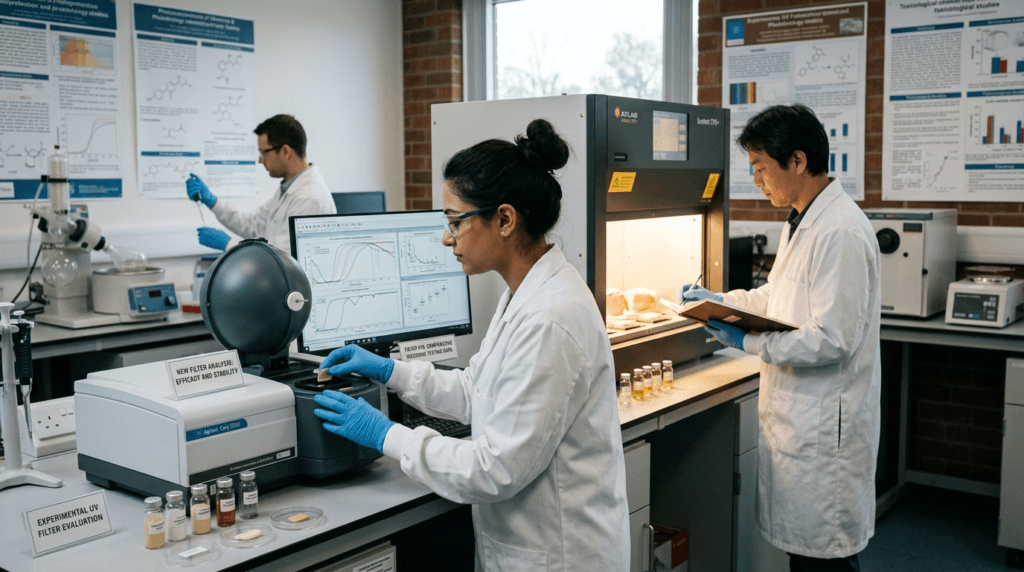
Traditional sunscreens often leave gaps in protection and allow harmful radiation to penetrate skin barriers. Next-Gen SPF formulations close these gaps with advanced filters that block radiation across the entire UV spectrum and beyond.
Bemotrizinol and 2D Titanium Dioxide Innovations
Bemotrizinol represents a most important advancement in chemical UV filter technology. The FDA proposed adding bemotrizinol as a permitted active ingredient to use in sunscreens and marked the first major sunscreen-related approval since 1999 [2]. Based on data reviewed, bemotrizinol provides protection against both ultraviolet A and B rays, has low levels of absorption through the skin into the body, and causes skin irritation rarely [2].
The filter’s effectiveness comes from its dual absorption peaks around 310 nm (UVB) and 340 nm (UVA) [2]. This dual-peak structure enables high SPF ratings with lower overall concentrations compared to older filters. Avobenzone degrades quickly in sunlight, but bemotrizinol holds strong and stabilizes less photostable filters. This improves the durability of the entire formulation [2].
The compound’s large molecular size limits dermal penetration and translates to low systemic absorption and minimal irritation [2]. This makes it suitable for sensitive skin products, especially in tropical climates where daily application is necessary.
Just as important is the development of two-dimensional titanium dioxide. This mineral filter features a micro-sized lateral dimension of about 1.6 μm and atomic-scale thickness [1]. The 2D structure achieves 80% visible light transparency and renders it nearly invisible on skin while maintaining UV-blocking performance comparable to unmodified rutile TiO2 nanoparticles [1].
The larger lateral size results in a two-orders-of-magnitude reduction in skin penetration at 0.96% [1]. This addresses long-standing biosafety concerns associated with traditional nanoparticle formulations. The layered architecture suppresses the generation of reactive oxygen species under sunlight exposure and reduces the ROS generation rate by 50-fold compared to traditional TiO2 nanoparticles [1].
Iron-doped 2D TiO2 expands absorption to 380-400 nm and covers the entire UVA range that accelerates photoaging, with SPF 50+ achieved using only 4% loading [1]. Layers remain intact after 72 hours under 1-sun irradiation at 50°C, whereas organic filters lose 50% efficacy within 4 hours [1].
UVA1, UVB, and Visible Light Protection
Protection against ultra-long UVA1 radiation (370-400 nm) in the market is addressed rarely due to a lack of relevant UV absorbers [1]. UVA radiation, especially within the UVA1 range (340-400 nm), penetrates deep into the skin and can cause an increase in melanin production that leads to hyperpigmentation [1].
Mexoryl 400 (Methoxypropylamino Cyclohexenylidene Ethoxyethylcyanoacetate) can cover UVA1 in the range of 380-400 nm [1]. The compound has been shown to reduce in vitro biological alterations and in vivo induced pigmentation under UVA1 exposure [1]. Avobenzone and Tinosorb S offer protection mainly in the UVA2 range, but Mexoryl 400 fills a critical gap by extending the protection to the 380-400 nm range [1].
Visible light (VL) presents challenges for skin health beyond UV protection. Organic and inorganic UV filters used in sunscreens do not protect against VL; only tinted sunscreens do [1]. Tinted sunscreens consist of a blend of iron oxides (Fe2O3) and TiO2 pigments that function as VL and UV blockers [1].
Tinted sunscreens reduce VL transmission by 93-98% [1]. Daily application of tinted sunscreens reduced the appearance of cutaneous hyperchromias after 60 days [1]. For melasma patients, broad-spectrum UV protection that contained Fe2O3 as a VL-absorbing pigment showed a 15%, 28%, and 4% greater improvement in MASI, colorimetric values, and melanin assessments at 8 weeks [1].
Photostability in High-Humidity Environments
Photostable sunscreen means the UV filters don’t break down when exposed to sunlight and ensure protection stays consistent for longer [2]. Some sunscreens start losing effectiveness after sun exposure, which means the SPF on the label doesn’t translate into ground protection throughout the day [2].
A sunscreen that starts strong but degrades loses UVA defense first in most cases and leaves skin exposed to the very rays responsible for long-term damage, even while protection appears intact [2]. Photostable sunscreens keep both UVB and UVA coverage steady and give true broad-spectrum performance [2].
Sweat and heat accelerate breakdown in regular sunscreens when you have humid or high-UV environments. Photostable versions hold up longer and give active people or those in tropical areas reliable coverage without constant reapplication panic [2]. The most effective photostable sunscreens often combine mineral and chemical filters or use advanced chemical options designed to last.
Photostable formulations remain chemically unchanged when exposed to sunlight or extreme humid temperatures [8]. Properties in photostable sunscreen include avobenzone, tinosorb, zinc oxide, and antioxidants that absorb into the skin and act as a barrier to protect from UV rays [8]. This stability becomes important for tropical climates where environmental conditions challenge traditional formulations throughout extended outdoor exposure periods.
Benefit 3: Microencapsulation Technology Prevents Skin Penetration
Conventional sunscreens face a troubling reality: their active ingredients penetrate skin and enter the bloodstream. Studies show that all six tested active ingredients in traditional formulations were absorbed systemically with plasma concentrations surpassing the FDA threshold of 0.5 ng/mL after a single application [9]. Maximum plasma concentrations reached 7.1 ng/mL for avobenzone, while oxybenzone spiked to 258.1 ng/mL [9]. Microencapsulation technology in Next-Gen SPF eliminates this concern.
Zero Systemic Absorption for 6+ Hours
The Franz cell assay showed zero (0.00%) penetration of UV filters for 6 hours in microencapsulated formulations [1]. This stands in stark contrast to conventional sunscreens, where both UV absorbers penetrated the stratum corneum within 1 hour and continued accumulating in the viable epidermis over time [1].
Raman spectroscopy gave more proof and showed no penetration into the stratum corneum for 4 hours and no penetration into the epidermis for 8 hours [1]. Trace amounts finally appeared at the 8-hour mark but remained minimal: octocrylene at 0.04% and avobenzone at 0.17% [1]. Cumulative amounts reached only 1.44% for octocrylene and 0.90% for avobenzone by 24 hours [1].
The maximum permeation rates at 12 hours remained low at 2.12% for octocrylene and 3.13% for avobenzone [1]. Conventional sunscreens showed much higher and steadily increasing permeation rates, exceeding 12% for octocrylene and 9% for avobenzone by the end of testing [1].
This dramatic reduction in skin penetration occurs because encapsulated UV filters don’t have direct contact with the skin, which prevents their potential toxicological risks [10]. The filters remain entrapped inside sol-gel silica glass microcapsules, small enough to be transparent and provide a pleasant skin feeling when applied [10].
Improved Safety for Sensitive Tropical Skin
Thirty sensitive skin volunteers completed a 4-week clinical trial testing microencapsulated sunscreen formulations [1]. Only one subject (3.33%) reported mild itching at Day 7. All other subjects (96.67%) reported no adverse responses [1]. The T/GDCA 029-2023 standard classifies a product as suitable for sensitive skin if at least 96.67% of sensitive skin subjects report no adverse reactions. The microencapsulated sunscreen meets this threshold and is confirmed to be mild and suitable for sensitive skin consumers [1].
The Human Repeated Insult Patch Test (HRIPT) confirmed the innovative sunscreen was nonirritating and nonallergenic [1]. Conventional sunscreen showed significant skin penetration and caused irritation [1]. The microencapsulation process lowers the risk of stinging, burning, or allergic reactions by reducing direct contact between active ingredients and the skin surface [11].
This safety profile becomes especially important for tropical climates where daily application is necessary year-round. High humidity and constant perspiration increase skin sensitivity and make gentle formulations necessary for consistent use. The encapsulation allows for gradual, sustained delivery of sun protection and provides steady UV defense while minimizing irritation peaks typical of conventional formulas [11].
Encapsulated Avobenzone and Octocrylene Benefits
The innovative sunscreen uses polysilicone-14-based microencapsulation technology to entrap the UVB absorber octocrylene and the UVA absorber avobenzone [1]. This combination was selected for its proven broad-spectrum efficacy and photostability, while the microencapsulation strategy was designed to reduce skin penetration [1].
Microencapsulation involves encapsulating an active ingredient into a shell permanently or temporarily. This results in capsules having diameters between 1 and a few micrometers [10]. This large surface area becomes available for sites of adsorption and desorption, chemical reactions, and light scattering [10]. The protective shell shields active compounds until they are applied to the skin, then releases contents for controlled and prolonged protection from harmful UV rays [12].
The encapsulation approach protects avobenzone against photodegradation by surrounding it with an outer protective shell [2]. It decreases irritation to the skin by controlling the release of active ingredients and increases sunscreen stability, providing much longer daytime protection [2]. These benefits address the biggest problems of conventional avobenzone formulations, which degrade in sunlight and can cause sensitivity reactions in tropical environments where reapplication frequency increases exposure to potentially irritating ingredients.
Benefit 4: Superior Water and Sweat Resistance for Humid Climates
Image Source: Standard Procedure
Humid climates create a perfect storm for sunscreen failure. Perspiration reduces sun protection factor through two distinct mechanisms: direct wash-off that decreases film thickness and redistribution that compromises uniformity [8]. Water-resistant sunscreens maintain their protective capabilities for 40 to 80 minutes when exposed to sweat or water. This ensures continuous protection during outdoor activities or when dealing with heavy perspiration [13].
80-Minute Water-Resistant Formulations
The FDA instituted specific labeling requirements that distinguish between water resistance levels. A sunscreen labeled “water resistant for 80 minutes” has been tested to stay on the skin for 80 minutes when in contact with water [14]. Testing involves determining volunteers’ minimal erythemal dose and applying the sunscreen. Participants are then exposed to 2MED of solar simulated radiation after sitting in a whirlpool for 80 minutes to verify the sunscreen still provides the desired protection [14].
The term waterproof can no longer be used. “Water resistant for 80 minutes” represents the strongest claim available to indicate that a sunscreen will stay on in water [14]. The claim “water resistant for 40 minutes” indicates products with less water resistant properties [14]. ISO standards relate with these methods through ISO 18861 and ISO 16217, where water immersion lasts 40 minutes, 2 hours, or 4 hours depending on the tested SPF value [15].
Tropical climates where sweat and humidity dominate make the 80-minute rating critical for daily protection. But dermatologists recommend reapplying every 2 hours in direct sun and right after toweling off [14]. Water resistance provides confidence that protection continues working between reapplication moments rather than starting from zero every time you exit water [14].
How Polysilicone-14 Technology Maintains Protection
Water-resistant sunscreen technology relies on special polymers that create a film on your skin. These polymers resist breakdown when they encounter moisture from sweat or humid air [16]. The retention of sunscreen performance upon perspiration depends on the ingredients used in the formulation [8].
A hydrophobic film former decreases sunscreen wash-off due to sweating [8]. The results illustrated that the presence of a hydrophobic film former improves sweat resistance. It reduces sunscreen wash-off for formulations with high film former concentrations and reduces sunscreen redistribution for formulations with intermediate film former concentrations [8]. An excessive amount of film former might negatively affect sunscreen distribution [8].
Water-absorbing particles introduce another dimension to sweat resistance. Small particles that form a gel-like structure upon contact with water appear to change sunscreen wetting and sweat droplet spreading. This decreases both wash-off and redistribution [8]. Large water-absorbing particles appeared to increase sunscreen redistribution [8]. A combination of hydrophobic film formers and small water-absorbing particles makes sunscreen formulations more sweat-resistant and less runny [8].
Performance Testing in Tropical Conditions
Shiseido developed water-based sunscreen technology that maintains high water resistance while adjusting moisture content on the skin surface in response to humidity changes in the external environment [10]. The technology uses a soap-derived ingredient that reacts with metal ions contained in sweat and seawater. This forms a special structure around the coating film on the skin surface to improve water repellency and adhesion [10].
Water-based sunscreens suffered from lower resistance to sweat and water. Shiseido’s approach forms a film that is lighter than water, flexible, and resistant to creasing without relying on UV scattering agents or heavy film-forming agents [10]. This film helps achieve a transparent finish with less white cast while offering long-lasting water resistance [10].
The soap ingredients react with metal ions like calcium and magnesium to improve water repellency [10]. Only the coating film’s surface needs to react to provide water resistance. This means only a small amount of the required metal ions is needed, making it effective even in winter when people sweat less [10]. Humidity affects sunscreen performance by changing the evaporation rate of volatile oils and affecting the skin’s hydration balance [17]. Volatile components evaporate more slowly in high humidity. This alters dry-down time and affects film structure [17].
Benefit 5: Antioxidant-Enhanced Defense Against Oxidative Stress
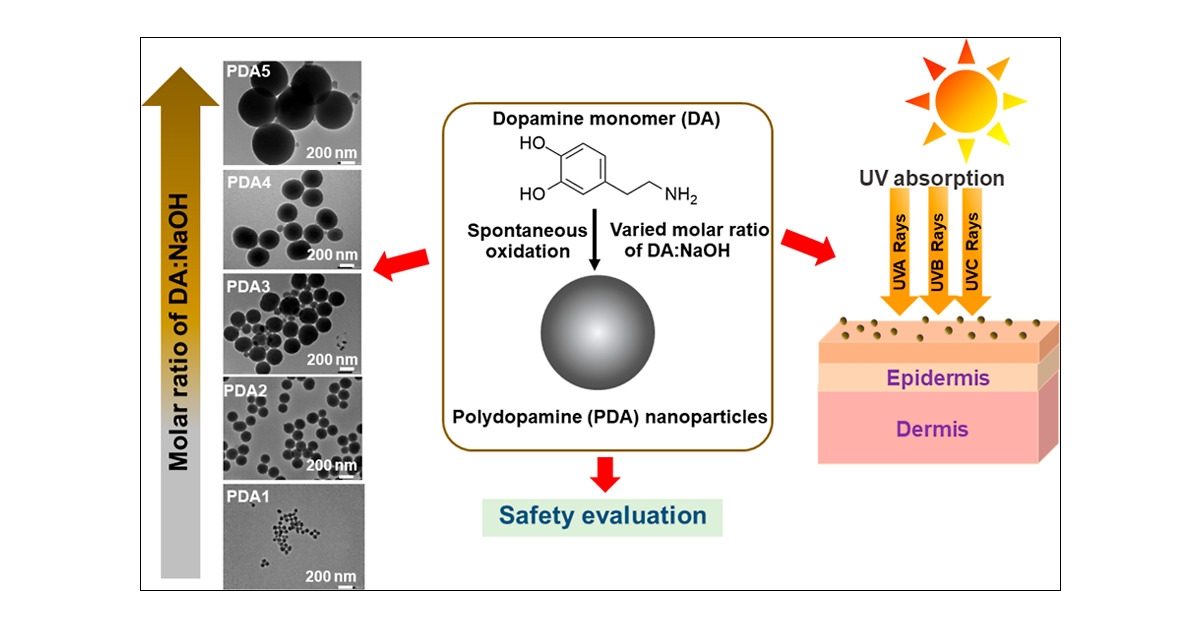
Image Source: ACS Publications – American Chemical Society
Oxidative stress from UV exposure creates a cascade of cellular damage that traditional UV filters alone cannot stop. UVA radiation has a dual damaging effect on skin cells. It generates both free radicals and free reactive iron [18]. Free reactive iron is different from the nutrient iron the body needs to function, and generates harmful free radicals with even more damaging power towards skin cells [18]. Next-Gen SPF technology addresses this challenge. It incorporates antioxidants that neutralize reactive oxygen species and provide a second line of defense beyond UV filtration.
Polydopamine Nanoparticles and Free Radical Scavenging
Polydopamine nanoparticles represent a breakthrough in antioxidant sunscreen technology. PDA NPs are made as a mimic of natural melanin and exhibit superior photoprotective effects. They obstruct epidermal hyperplasia, protect the skin barrier, and resolve inflammation [9]. The DPPH free radical scavenging assay showed that PDA NPs could scavenge free radicals in a dose-dependent manner. The scavenging rate reaches 89.6% at a concentration of 380 μg/mL [19].
Keratinocytes take up PDA NPs efficiently. They exhibit robust ROS scavenging and DNA protection ability with minimal cytotoxicity [9]. Pre-treatment with PDA NPs could reduce intracellular ROS generation in skin cells and lower ROS levels close to the normal control group [19]. The comet assay analysis showed that PDA NPs lessen the length of DNA damage comets, showing their protective effect against UV-induced DNA damage [19].
So PDA sunscreen maintains homeostasis of the dermis and displays anti-photoaging properties [9]. The biocompatibility and full photoprotective properties of PDA sunscreen display superior performance to those of commercial sunscreen [9].
Natural Compounds That Boost Cellular Protection
Plant-based compounds provide multi-functional photoprotection through antioxidant, anticarcinogenic, and anti-inflammatory effects [20]. Antioxidants work by neutralizing ROS and stopping the oxidative chain reaction. They reduce oxidative stress at the cellular level and inhibit UV-induced tissue damage and erythema [2].
Polyphenols like quercetin, catechins, and epigallocatechin gallate function as natural antioxidants with high free radical-scavenging and UV-absorbing activities [2]. Quercetin shows maximum absorbance in the UVA range at 375 nm and has the highest antioxidant activity among flavonoids [20]. Green tea polyphenols reduce UVB-induced erythema and sunburn cells [2]. Resveratrol protects against UVA radiation and boosts the activity of superoxide dismutase and glutathione peroxidase [20].
Carotenoids play an important role in photoprotection. They quench singlet oxygen activity and inactivate free radicals generated from UV exposure [2]. Astaxanthin causes inhibition in wrinkle formation, erythema, and inflammatory responses [2].
Vitamins provide collaborative protection. Vitamin C protects DNA from oxidative effects and minimizes sun-related redness by neutralizing causative free radicals [2]. Vitamin E prevents lipid peroxidation to sustain cellular membrane integrity [2]. Their combined use provides collaborative photoprotection and boosts UV filter stability [2].
Collaborative Effects with Traditional UV Filters
Antioxidants complement UV filters to create boosted photoprotection. Grape extract formulations containing UV filters showed an 81% increase in SPF [1]. The collaboration between flavonoids and UV filters reduces the formation of deleterious degradation photoproducts and boosts overall photoprotection [1].
Green coffee oil showed an intense collaborative effect in SPF value when associated with synthetic sunscreen. This led to an increase of 20% in SPF [11]. Antioxidants protect UV filters by scavenging free radicals formed during UV irradiation and inhibit oxidative degradation [2].
Antioxidant-enriched sunscreens also make it possible to use lower concentrations of UV filters. They complement the photoprotective effect of physical and chemical UV filters [2]. Antioxidants counteract UV-induced reactive oxygen species that are not blocked by sunscreens and minimize the risk of irritation and safety issues posed by high loads of UV filters [2]. Studies showed that sunscreen plus antioxidant formulations help suppress pigmentary alteration caused by visible light [12]. This offers particular benefits for tropical climates where visible light intensity remains high year-round.
Benefit 6: Non-Greasy Invisible Finish for Daily Tropical Use
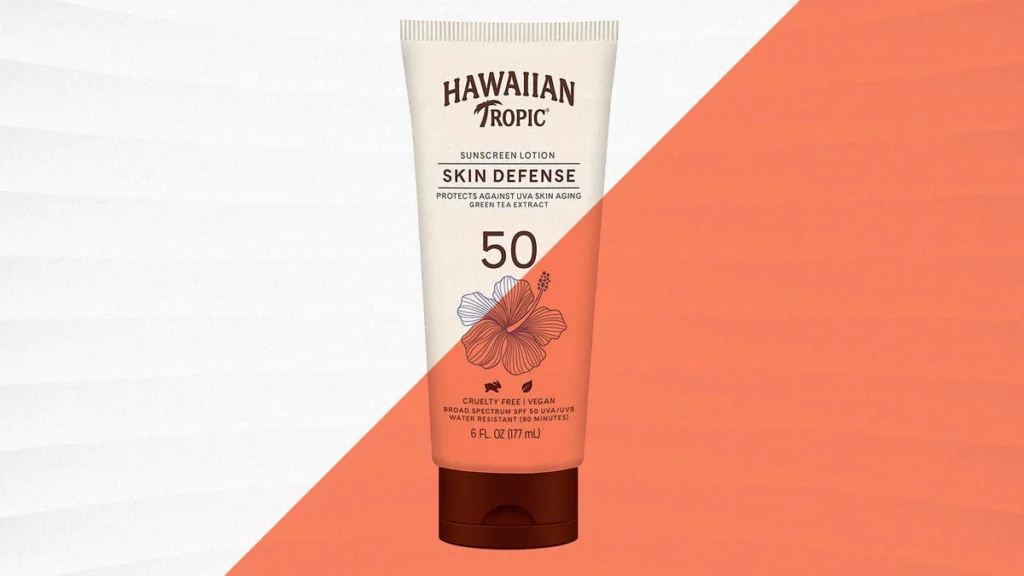
Image Source: Popular Mechanics
White cast from mineral sunscreens has plagued formulations for decades and created a barrier to consistent use. Next-Gen SPF solves this challenge through atomic-level engineering.
2D Nanostructures Achieving 99% Light Transmittance
Two-dimensional titanium dioxide represents a fundamental move in mineral UV protection. These atomic-thin sheets measure just 1.2 nm and transmit more than 80% of visible light. They achieve an unprecedented Natural Appearance Factor of 0.99 [21][22]. This NAF value approaches the maximum of 1.0 and eliminates the white cast problem that conventional 0D TiO2 creates [21].
Tests on synthetic black and khaki leathers simulating different human skin tones showed that 2D TiO2 produced lower lightness and saturation changes compared to traditional formulations [21]. A 200-participant double-blind study confirmed this advantage. 94% preferred the 2D-TiO2 formulation over the leading mineral sunscreen for its absence of white residue [22].
Sensory Profile Improvements Over Traditional Sunscreens
Tropical regions just need ultra-light, non-greasy formulas that manage excess oil production without clogging pores [23][24]. Lightweight formulations work especially when you have high humidity and intense sunlight environments [24].
Starch microsponge-based sunscreen formulations demonstrate good spreadability and non-sticky properties favorable to consumer usage [25]. Different markets value different textures. Tropical climates require formulas that resist tackiness in humid environments [23]. The best sunscreen is one you will use, which makes sensory elegance critical for daily compliance [26].
Compatibility with Makeup and Skincare Routines
Gel sunscreen formulations provide invisible application with no white cast and allow makeup to layer on top [27]. The lightweight texture absorbs without greasy residue [27].
Water-resistant finishes and fragrance-free formulations create perfect bases for foundation and concealer without causing products to slip or pill [27]. Formulas that set cleanly enable users to apply makeup on top without smudging. This improves compatibility with daily routines and encourages consistent Next-Gen SPF use [23].
Benefit 7: Strengthened Skin Barrier and Long-Term Photoaging Prevention
Image Source: NING DERMOLOGIE Global
Next-Gen SPF formulations actively strengthen the skin’s protective barrier and defend against long-term damage. Photoaging accounts for up to 90% of visible skin aging [28]. Prevention through advanced sun protection is one of the most effective anti-aging strategies available.
How Next-Gen SPF Supports Natural Barrier Function
UV exposure disrupts the skin’s barrier and reduces ceramide levels by 30%, which weakens protective function [14]. Daily broad-spectrum sunscreen use prevents this damage and preserves lipid integrity in the stratum corneum [14]. Barrier repair sunscreen technology goes further. It protects against UV damage and replenishes lost lipids at the same time, boosting hydration by up to 20% [29].
These formulations decrease transepidermal water loss by 20% [14] and maintain the moisture barrier that keeps skin healthy and resilient. Sunscreen application reduces erythema substantially [30], which shows anti-inflammatory properties that support barrier recovery. These benefits mean that consistent sunscreen use improves skin barrier recovery by 35% in UV-exposed skin [14].
Prevention of Hyperpigmentation in Darker Skin Types
Darker skin tones face unique photoprotection challenges. Black epidermis has an estimated SPF of 13.4 compared to 3.4 for white skin [31], but sun exposure worsens pigmentation disorders like post-inflammatory hyperpigmentation and melasma [32]. Visible light induces more pronounced and persistent hyperpigmentation in skin of color than UV-A light [31].
Broad-spectrum sunscreen with iron oxide pigments provides essential visible light protection [33] and prevents melasma development and PIH worsening [32]. Daily SPF application shields skin from UV radiation and controls melanin production on a cellular level [34].
Cumulative Anti-Aging Benefits with Daily Application
Studies demonstrate that daily sunscreen use reduces photoaging by 24% [14]. An Australian study found no detectable increase in skin aging over a four-and-a-half-year study period in the daily sunscreen group [35]. Another investigation showed that daily application for one year may reverse visible signs of aging when assessed by dermatologists [35].
Consistent sunscreen use preserves barrier thickness and prevents age-related weakening [14]. Daily use of broad-spectrum sunscreen with antioxidant and anti-aging active ingredients reduces extrinsic aging [33].
Conclusion
Next-Gen SPF technology revolutionizes tropical sun protection through proven breakthroughs: DNA repair enzymes that reverse cellular damage and broad-spectrum filters blocking 99% of harmful rays. Microencapsulation prevents skin absorption while 80-minute water resistance and antioxidant defense systems work together. The technology delivers invisible finishes and barrier-strengthening benefits. These advances address the unique challenges of humid climates where traditional sunscreens fail.
To name just one example, combining these technologies provides protection that works throughout your day without the greasy feel or white cast that discourages consistent use. Daily application becomes easy when formulations feel weightless and perform despite sweat and humidity. Therefore, investing in Next-Gen SPF means protecting your skin at the cellular level while preventing long-term photoaging in tropical environments.
Ready to dominate the 2026 & beyond sunscreen/sunblock market? Don’t just launch a sunscreen, launch a breakthrough. Partner with CL Cosmetic Industries to manufacture your own Next-Gen SPF range featuring these 7 proven benefits example. From DNA-repair enzymes to high-humidity stability, let’s build your brand’s superior tropical skincare line today. Feel free to inquire via the form on the homepage or the available live chat/WhatsApp button on the homepage, too!
Key Takeaways
Next-Gen SPF technology revolutionizes tropical sun protection with breakthrough innovations that address the unique challenges of humid climates and intense UV exposure.
• DNA repair enzymes actively reverse UV damage – Photolyase technology uses blue light to repair cellular damage in real-time, providing protection beyond traditional UV filters
• Advanced filters block 99% of harmful radiation – Bemotrizinol and 2D titanium dioxide offer superior broad-spectrum protection while remaining invisible on all skin tones
• Microencapsulation eliminates skin absorption concerns – Zero systemic absorption for 6+ hours makes these formulations safe for daily topical use without irritation
• 80-minute water resistance withstands humid conditions – Polysilicone-14 technology maintains protection through sweat and water exposure in challenging tropical environments
• Antioxidant defense systems neutralize oxidative stress – Polydopamine nanoparticles and natural compounds provide cellular protection against free radical damage
• Daily use prevents 90% of visible aging – Consistent application strengthens skin barrier function while preventing hyperpigmentation and long-term photoaging
These innovations make Next-Gen SPF the most effective solution for year-round tropical protection, combining superior performance with a user-friendly application that encourages consistent daily use.
FAQs
Q1. What makes next-generation sunscreens different from traditional formulas? Next-generation sunscreens use advanced UV filters that are more efficient and comfortable on the skin. They incorporate innovative technologies like DNA repair enzymes, microencapsulation, and photostable filters such as bemotrizinol that provide superior protection while being gentler and more cosmetically elegant than older formulations.
Q2. What does a PA++++ rating mean, and why is it important? PA++++ is the highest protection rating in the PA (Protection Grade of UVA) system, indicating your skin can handle at least 16 times more UVA exposure than unprotected skin. This rating is particularly important for preventing deep skin damage, hyperpigmentation, and premature aging caused by long-wavelength UVA rays.
Q3. Should I choose SPF 30 or SPF 50 for tropical climates? SPF 50 is the better choice for tropical environments, offering 98% UVB protection compared to SPF 30’s 97%. While the difference seems small, the additional protection becomes significant with prolonged sun exposure, high UV intensity, and humid conditions typical of tropical climates, where consistent coverage is essential.
Q4. How do DNA repair enzymes in sunscreen work? DNA repair enzymes like photolyase use visible blue light to identify and repair UV-induced damage at the cellular level. These enzymes recognize damaged DNA bonds caused by sun exposure and actively restore them to their original healthy state, providing an additional layer of protection beyond traditional UV blocking.
Q5. Why is water resistance important in humid climates? Water-resistant sunscreens maintain their protective capabilities for 40 to 80 minutes when exposed to sweat or water, which is crucial in humid tropical environments. These formulations use special polymers and film-forming technologies that prevent the sunscreen from washing off or redistributing due to perspiration, ensuring continuous protection between reapplications.
References
[1] – https://pmc.ncbi.nlm.nih.gov/articles/PMC6912203/
[2] – https://wjarr.com/sites/default/files/fulltext_pdf/WJARR-2026-0343.pdf
[3] – https://www.sciencedirect.com/science/article/pii/S1011134420305637
[4] – https://www.wired.com/story/dna-repairing-sunscreen-legit-or-nah/
[5] – https://www.anaisdedermatologia.org.br/en-efficacy-sunscreen-with-photolyase-or-articulo-S0365059621003068
[6] – https://pmc.ncbi.nlm.nih.gov/articles/PMC11277730/
[7] – https://pmc.ncbi.nlm.nih.gov/articles/PMC12865192/
[8] – https://pmc.ncbi.nlm.nih.gov/articles/PMC9907632/
[9] – https://pubmed.ncbi.nlm.nih.gov/37775761/
[10] – https://corp.shiseido.com/en/news/detail.html?n=00000000004108
[11] – https://www.sciencedirect.com/science/article/abs/pii/S0926669013006328
[12] – https://thedermdigest.com/do-antioxidants-offer-uv-protection/
[13] – https://www.sunshinestatederm.com/blog/127-how-to-choose-sunscreen-for-sensitive-skin-in-humid-climates
[14] – https://www.dotandkey.com/blogs/skin-care/sunscreen-and-skin-barrier-health?srsltid=AfmBOorOOYucadB57_9Qg-UJcTVzZliD699fnoZMIxlPIwzVNhQH7Hbg
[15] – https://www.gba-group-cosmetics.com/global-regulations-on-spf-and-uvapf-testing/
[16] – https://worldofasaya.com/blogs/sun-protection/how-to-choose-sunscreen-for-humid-weather-guide?srsltid=AfmBOoopULx6EKgNeqb3qvqz-fgcOXgD9YZIVeidvdXd5wihjJ6PNhKB
[17] – https://grandingredients.com/sunscreen-durability-under-sweat-and-sebum/
[18] – https://theconversation.com/sunscreen-new-natural-antioxidant-ingredient-could-boost-protection-and-other-things-you-should-know-183552
[19] – https://link.springer.com/article/10.1186/s12951-023-02107-7
[20] – https://pmc.ncbi.nlm.nih.gov/articles/PMC11597743/
[21] – https://pmc.ncbi.nlm.nih.gov/articles/PMC12173993/
[22] – https://communities.springernature.com/posts/two-dimensional-tio2-ultraviolet-filters-for-sunscreens
[23] – https://grandingredients.com/sunscreen-texture-and-sensory-performance/
[24] – https://epidermatology.com.sg/skincare-tips-for-tropical-weather/
[25] – https://www.sciencedirect.com/science/article/abs/pii/S0928493119307428
[26] – https://www.purewow.com/beauty/non-greasy-sunscreen
[27] – https://www.glamor.com/gallery/best-sunscreens-under-makeup
[28] – https://renewdermatology.net/all/the-importance-of-daily-sunscreen-your-best-anti-aging-secret/
[29] – https://www.dotandkey.com/products/barrier-repair-sunscreen?srsltid=AfmBOopt_Qwu8iijmlbi542j7B-7lL3dt-sPla8LXbN5tPIUENpPXKPB
[30] – https://pmc.ncbi.nlm.nih.gov/articles/PMC9784273/
[31] – https://pmc.ncbi.nlm.nih.gov/articles/PMC10442306/
[32] – https://www.bu.edu/articles/2022/sun-protection-tips-for-those-with-black-and-brown-skin/
[33] – https://pubmed.ncbi.nlm.nih.gov/33896049/
[34] – https://dermalogica.co.id/blogs/living-skin/sunscreen-and-hyperpigmented-skin
[35] – https://theconversation.com/sunscreen-heres-why-its-an-anti-aging-skincare-essential-187322